China
Suzhou Travel Guide — Classical Gardens, Canals & Private Tours
The 'Venice of the East', where centuries-old canals line China's most refined private gardens.
The 'Venice of the East', where centuries-old canals line China's most refined private gardens.
Suzhou is the China of the history books: centuries-old stone canals, arched bridges, and private gardens designed down to the last detail for quiet contemplation.
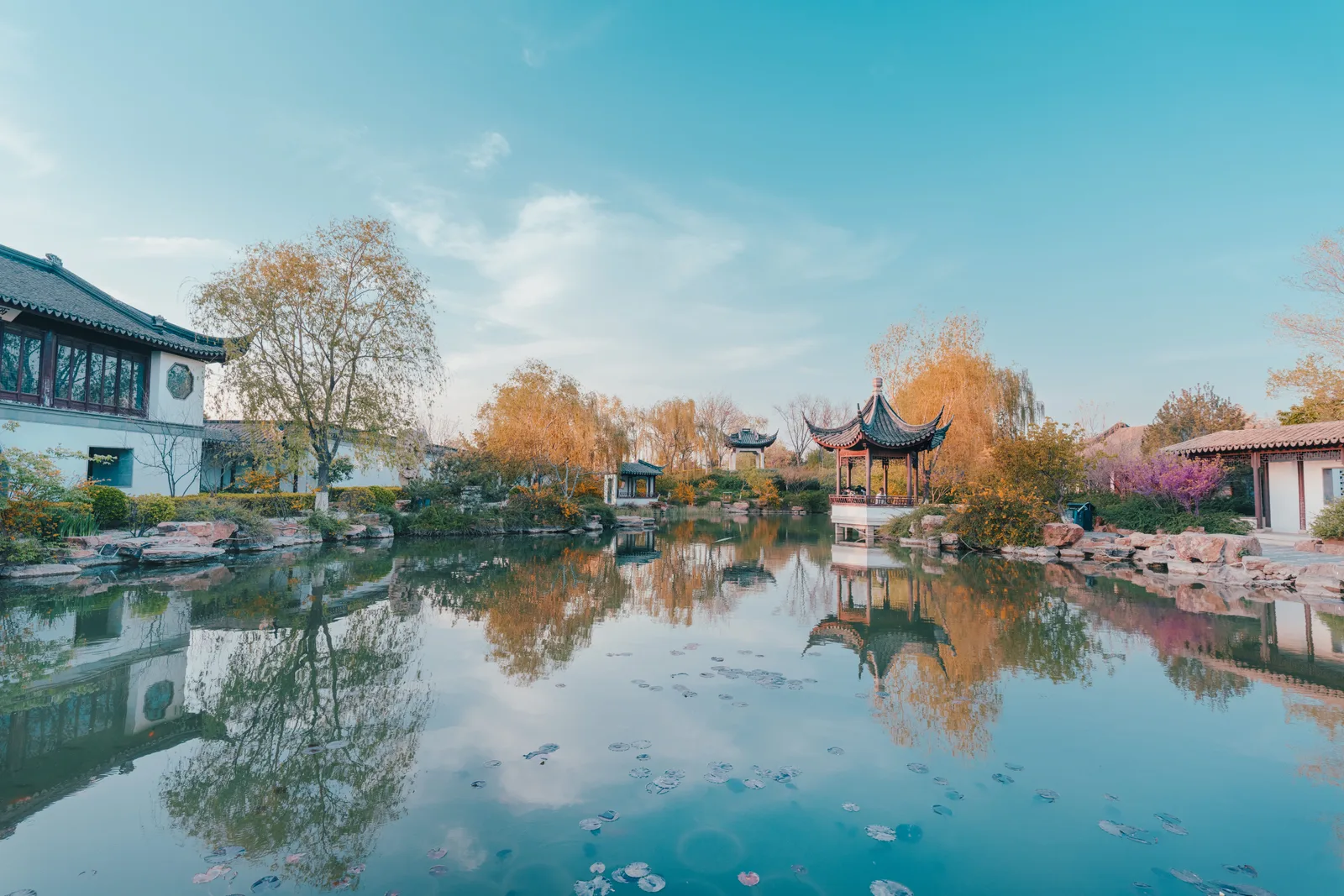
Just over half an hour from Shanghai by high-speed train, Suzhou offers a complete contrast to its neighbour's futuristic skyline: here the leading roles go to canals lined with traditional houses, cobbled lanes and, above all, the classical private gardens that earned the city its UNESCO World Heritage status. Each garden is a carefully composed arrangement of water, rock, vegetation and architecture, designed to create a different effect at every turn.
Suzhou is also synonymous with silk: for centuries it was China's largest centre of textile production, and that artisanal legacy lives on today in its workshops and museums. Strolling through Pingjiang at dusk, with the lights reflected on the canal water, is one of those experiences that stays with you long after the trip is over.
Suzhou was founded in 514 BC, during the Spring and Autumn period, making it one of the oldest cities in the Yangtze Delta, with more than 2,500 years of continuous history on the same site — an unusual feat even within a country with as long a history as China's.
During the Tang and Song dynasties, Suzhou flourished as a centre of silk production and river trade, benefiting from its strategic position on the Grand Canal, the world's longest and oldest artificial waterway, which runs through the city from north to south. Later, during the Ming and Qing dynasties, numerous retired imperial officials chose Suzhou to build their residences, commissioning the great classical private gardens that are the city's crown jewel today.
That combination of commercial prosperity and cultural refinement made Suzhou one of the most admired cities in China, and that prestige remains intact today, with its gardens and canals declared a UNESCO World Heritage Site.
A selection no Viavora itinerary ever skips.
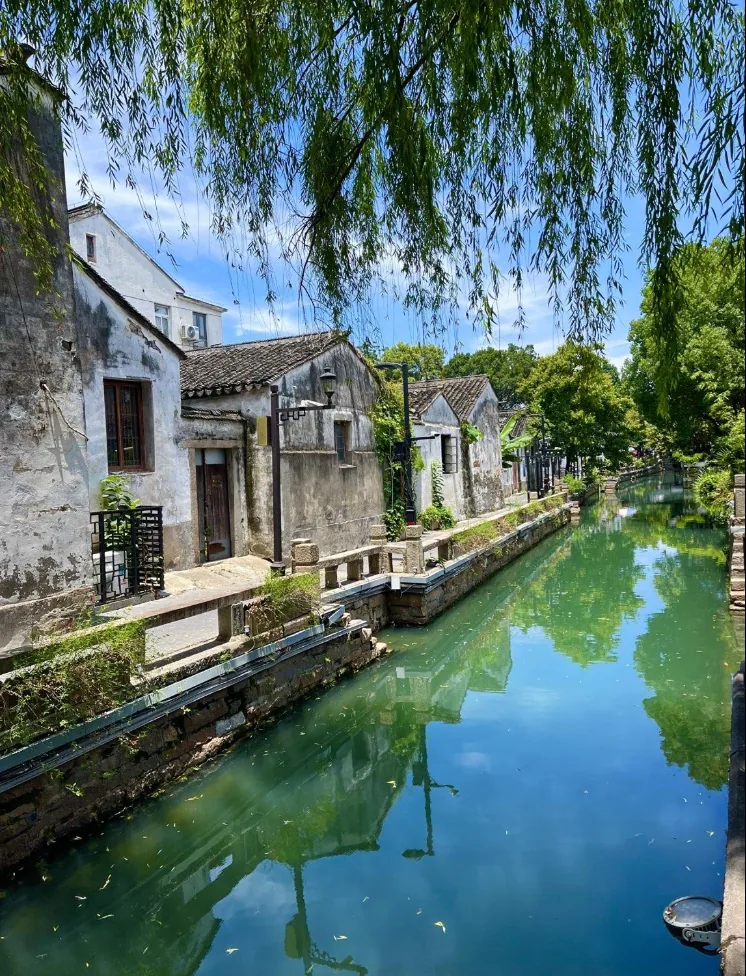
Suzhou's largest classical garden, built in the 16th century by a retired official who, after years in politics, decided to devote himself to tending his own garden — hence its name. Its pavilions, ponds and bridges are arranged with a scenic precision that constantly plays with perspective, creating the illusion of a space far larger than it actually is, a technique that has inspired landscape designers around the world for centuries, including the Chinese garden design at museums such as the Met in New York.
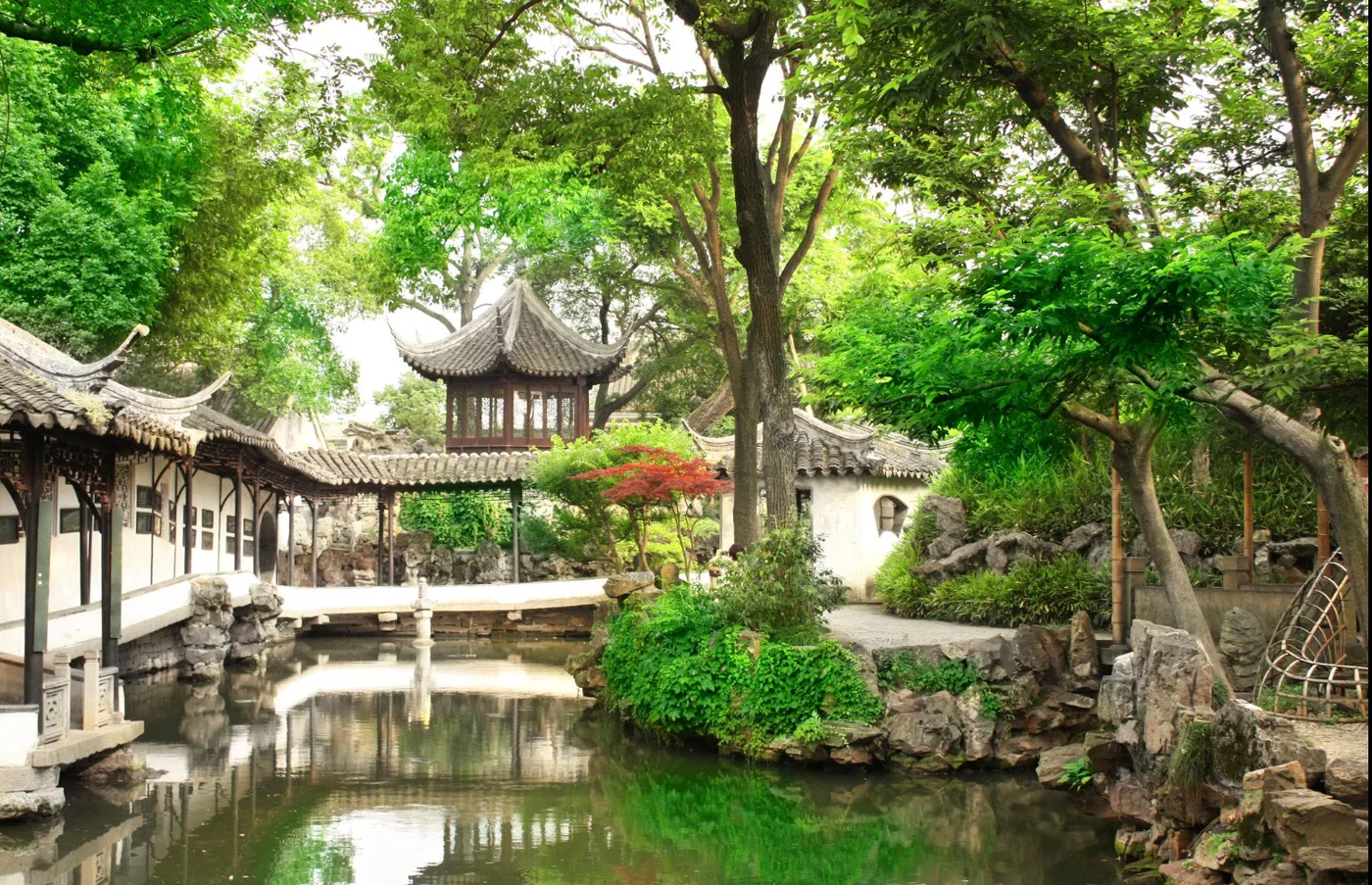
Famous for its limestone rocks brought from Lake Tai, sculpted by centuries of natural water erosion into whimsical shapes reminiscent of crouching lions, it is one of the city's most distinctive and photographed gardens. Its maze of artificial grottoes, built in the 14th century by Buddhist monks, turns a stroll into a small game of discovery, with narrow passageways that suddenly open onto unexpected courtyards.
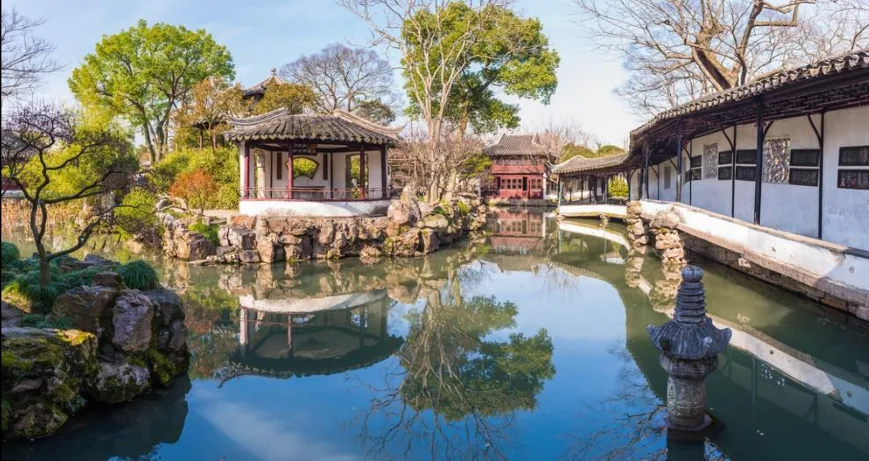
The best-preserved area of old Suzhou, with an urban layout of canals and parallel streets that has barely changed since the Song dynasty, almost a thousand years ago. Its traditional white-walled, grey-roofed houses, arched stone bridges and small family-run shops preserve the timeless pulse of the city — the very one that earned Suzhou the nickname 'Venice of the East' long before that label was applied to other canal cities.
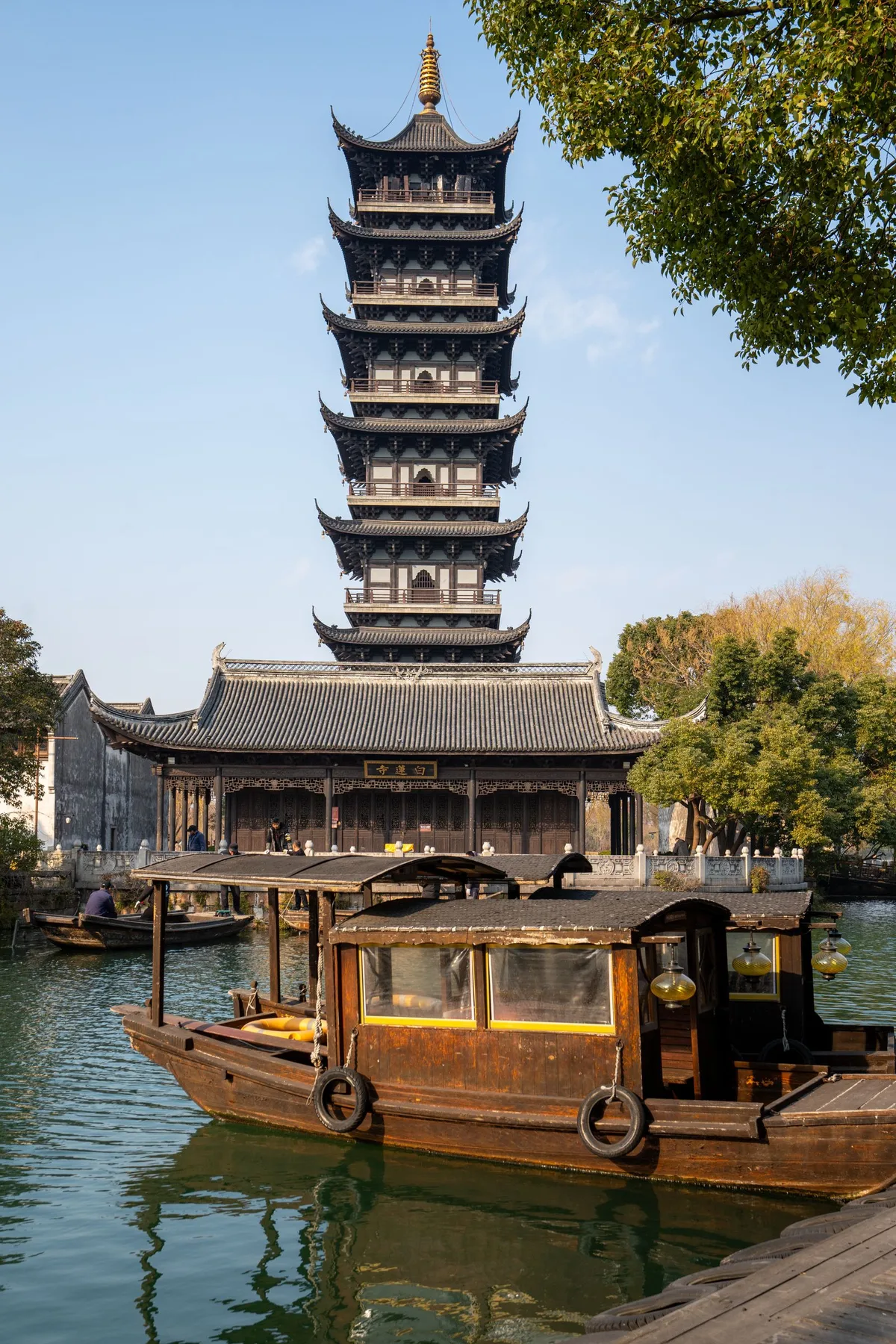
Crowned by a 10th-century pagoda that leans, proportionally, even more than the Tower of Pisa, it is one of the most storied and legend-filled spots in the entire city. Tradition holds that the king who founded Suzhou 2,500 years ago is buried beneath the hill, guarded by thousands of swords, and a rock pool known as the 'sword-testing pond' reinforces this legend, in which real history and myth are inseparably intertwined.

A journey through more than 4,000 years of silk-making tradition, from silkworm cultivation and mulberry trees to hand embroidery of extraordinary fineness that has made Suzhou famous throughout China as the historic capital of this art. Its galleries display traditional looms still in operation and embroiderers working live, with pieces so detailed that some take months of continuous work to complete.
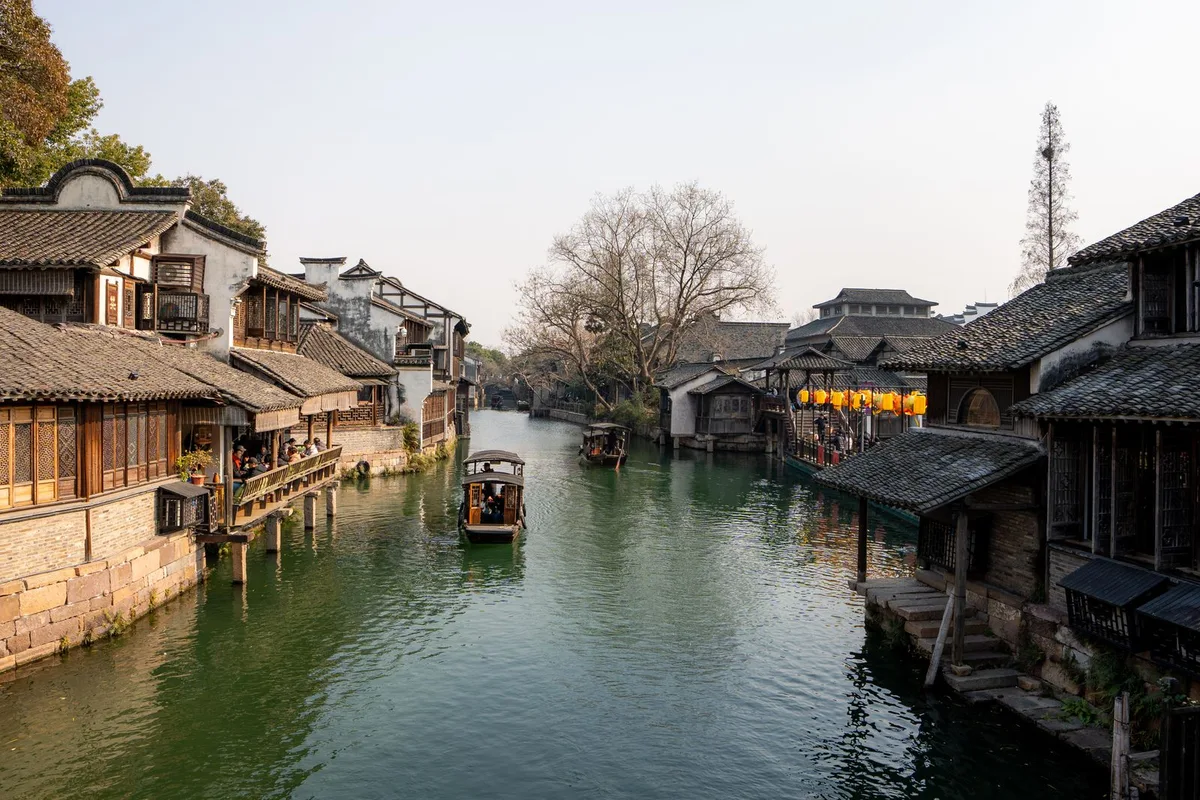
Gliding along Suzhou's canals in a traditional wooden boat, guided by a local boatman, at dusk, just as the red lanterns begin to glow and reflect on the still water, is the most evocative way to bid the city farewell. Slipping beneath centuries-old stone bridges, with illuminated façades on either side of the canal, sums up in a few minutes all the poetry that has made Suzhou a wellspring of artistic inspiration for generations.
Suzhou has nine classical gardens declared UNESCO World Heritage Sites, the largest concentration of protected gardens anywhere in China.
Tiger Hill's pagoda leans proportionally more than the Tower of Pisa, though it is far less famous outside China.
Suzhou was for centuries China's largest centre of silk production and remains renowned for its hand embroidery.
There's a Chinese proverb that says: "above there is paradise, below there are Suzhou and Hangzhou."
The Grand Canal running through the city is the world's longest and oldest artificial waterway.
Suzhou is nicknamed "the city of gardens" and has inspired countless classical Chinese paintings and poems over the centuries.
One full day covers the highlights — the Humble Administrator's Garden, Pingjiang Road and a canal boat ride. Two days allow a more relaxed pace including the Silk Museum, Tiger Hill and the Lion Grove Garden. Suzhou also works perfectly as a day trip or overnight stop from Shanghai, just 30 minutes away by high-speed train.
The high-speed train from Shanghai Hongqiao or Shanghai Railway Station takes just 25–30 minutes. Suzhou is one of the easiest day trips from Shanghai in all of China. On a Viavora private tour, your driver handles all transfers between cities, with door-to-door hotel pick-up — no train tickets to manage.
Spring (March–May) is Suzhou at its finest — the classical gardens burst into bloom and the light on the canals is extraordinary. Autumn (September–November) is equally beautiful. Summer is hot and humid; winter grey and damp, though far less crowded and with lower garden entry prices.
Yes — the Humble Administrator's Garden and the Lion Grove Garden require advance online booking, particularly on weekends and Chinese public holidays. Viavora manages all garden reservations as part of your Suzhou private tour package, so you go straight in without queuing.
A private guide, priority access to the classical gardens and a boat ride at dusk.
Suzhou is one of the gems of our China Grand Tour.