Day by day, activity by activity
Every stop on the route, with its indicative duration and corresponding photo.
Day 1 — Arrival in Beijing
Welcome to China. Your Spanish-speaking guide will meet you at Beijing airport for a private transfer to your hotel. The afternoon and evening are free to rest and adjust to the time difference (7 hours ahead of Spain).
Day 2 — Beijing: the heart of the empire
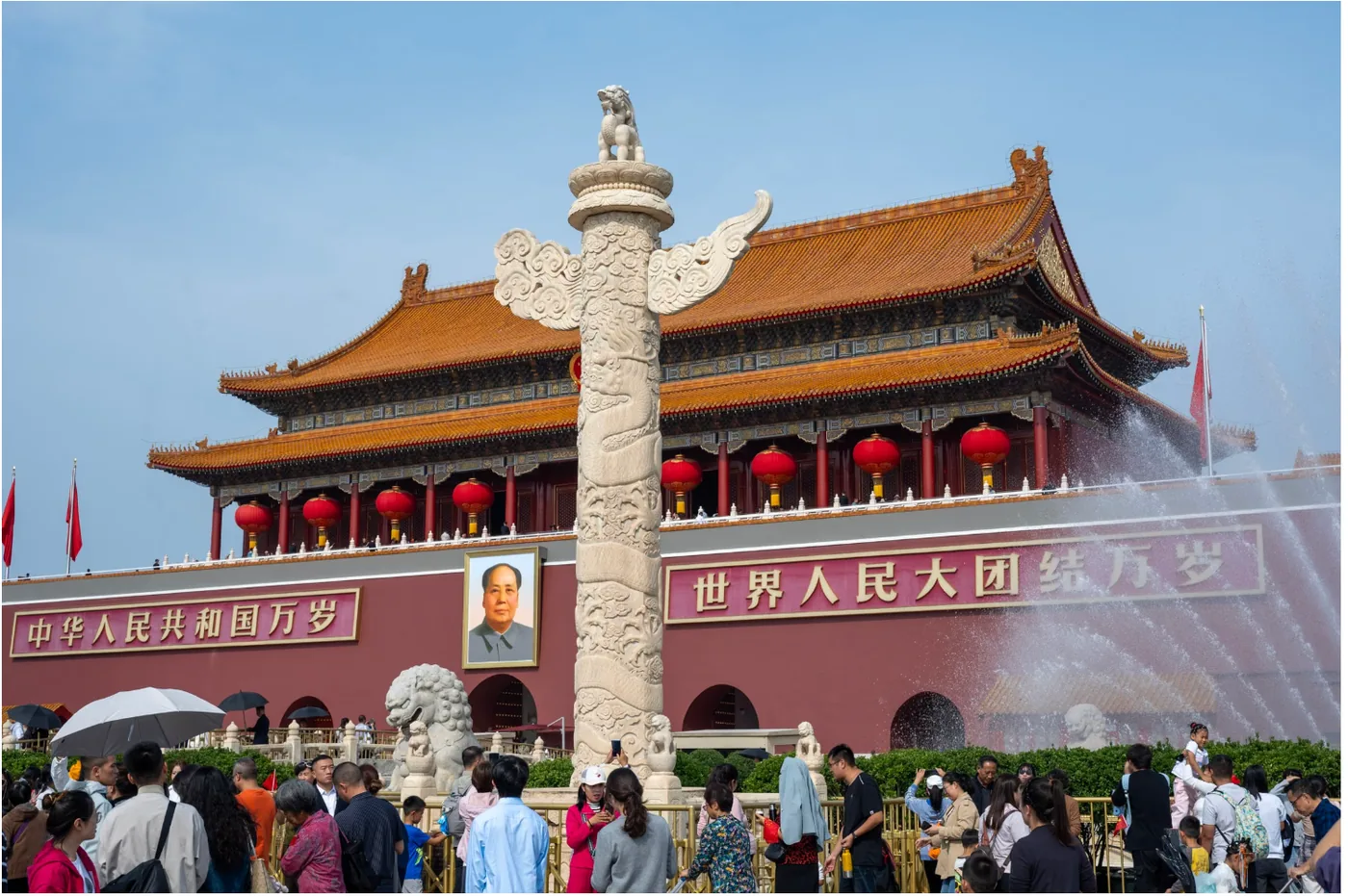
The symbolic heart of modern China. Spanning 440,000 m² of polished granite, it is the largest public square in the world and the stage for some of the most decisive moments in the country's contemporary history. Before you stands the Monument to the People's Heroes; beyond it, the solemn Mausoleum of Chairman Mao — past and present sharing the same space.
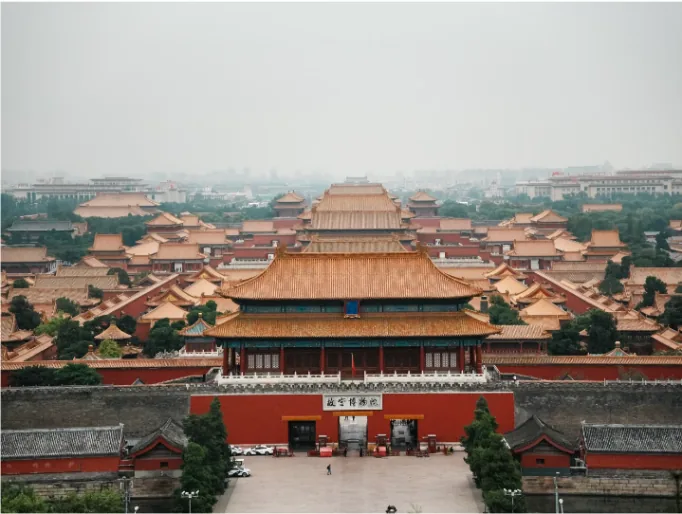
The largest collection of ancient wooden architecture preserved anywhere on the planet. For nearly 500 years, 24 emperors ruled the largest empire on earth from this walled compound of almost 1,000 buildings. We'll cross the Meridian Gate as ministers and dignitaries once did, walk through the three great halls of the central axis — Taihe, Zhonghe and Baohe — and end our stroll among the ponds and pavilions of the Imperial Garden.
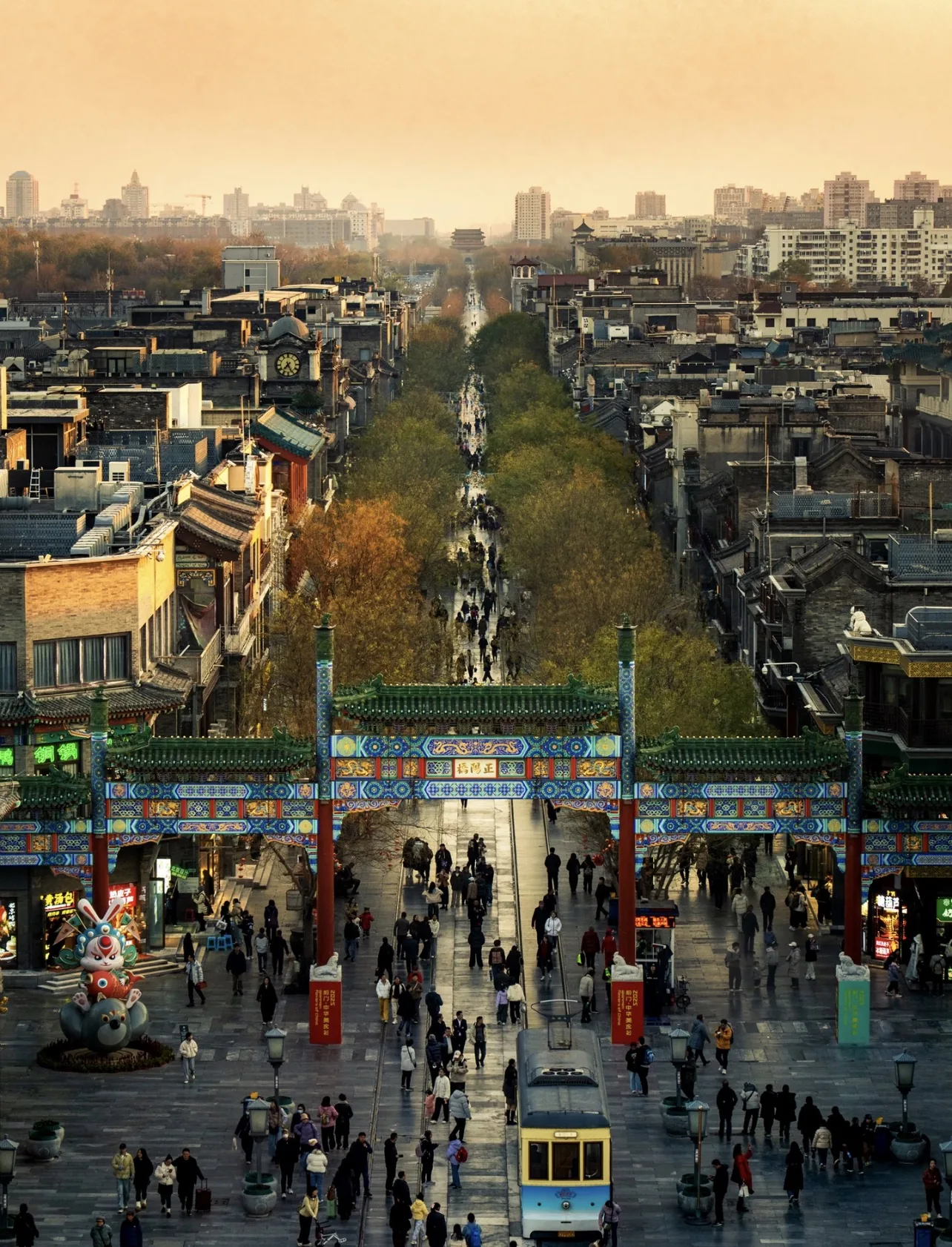
Almost 850 metres of living history: this was once the route Ming emperors took on their way to worship at the Temple of Heaven. Today it follows that same path, transformed into one of Beijing's liveliest and most photogenic commercial streets — the perfect moment to sample Beijing street food on your own.
Day 3 — Beijing: imperial gardens and historic quarters
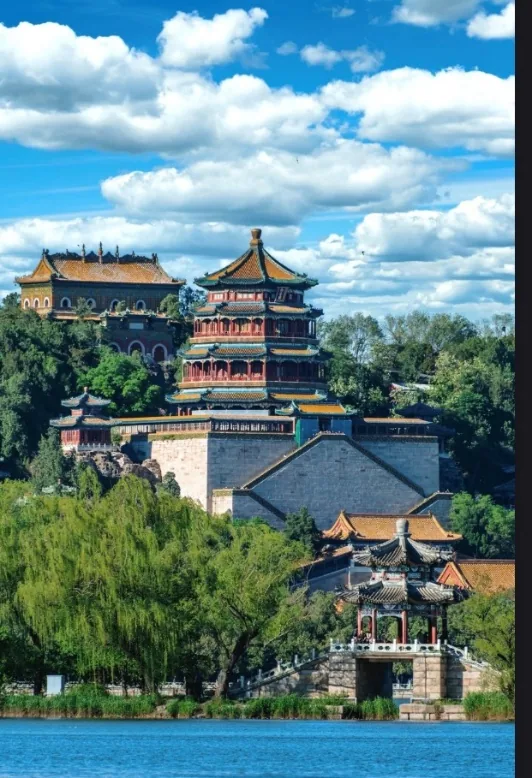
Widely regarded as the finest expression of Chinese imperial garden design. Inspired by the legendary West Lake in Hangzhou, this “Museum of Imperial Gardens” combines Longevity Hill and Kunming Lake in a landscape where every pavilion, bridge and terrace was deliberately placed to recreate an earthly paradise at the gates of the capital.
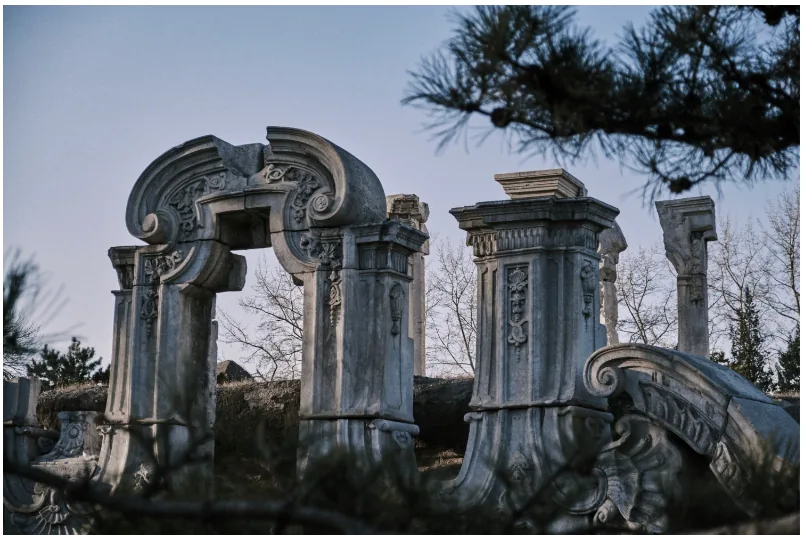
Once known as the “Garden of Gardens”, it was the summer retreat where Qing emperors escaped Beijing's heat and ruled the empire amid fountains and European-inspired pavilions. It was razed in 1860 during the Anglo-French invasion; today, the marble ruins of the Great Fountain (Dashuifa) stand as a silent witness to that chapter of Chinese history.
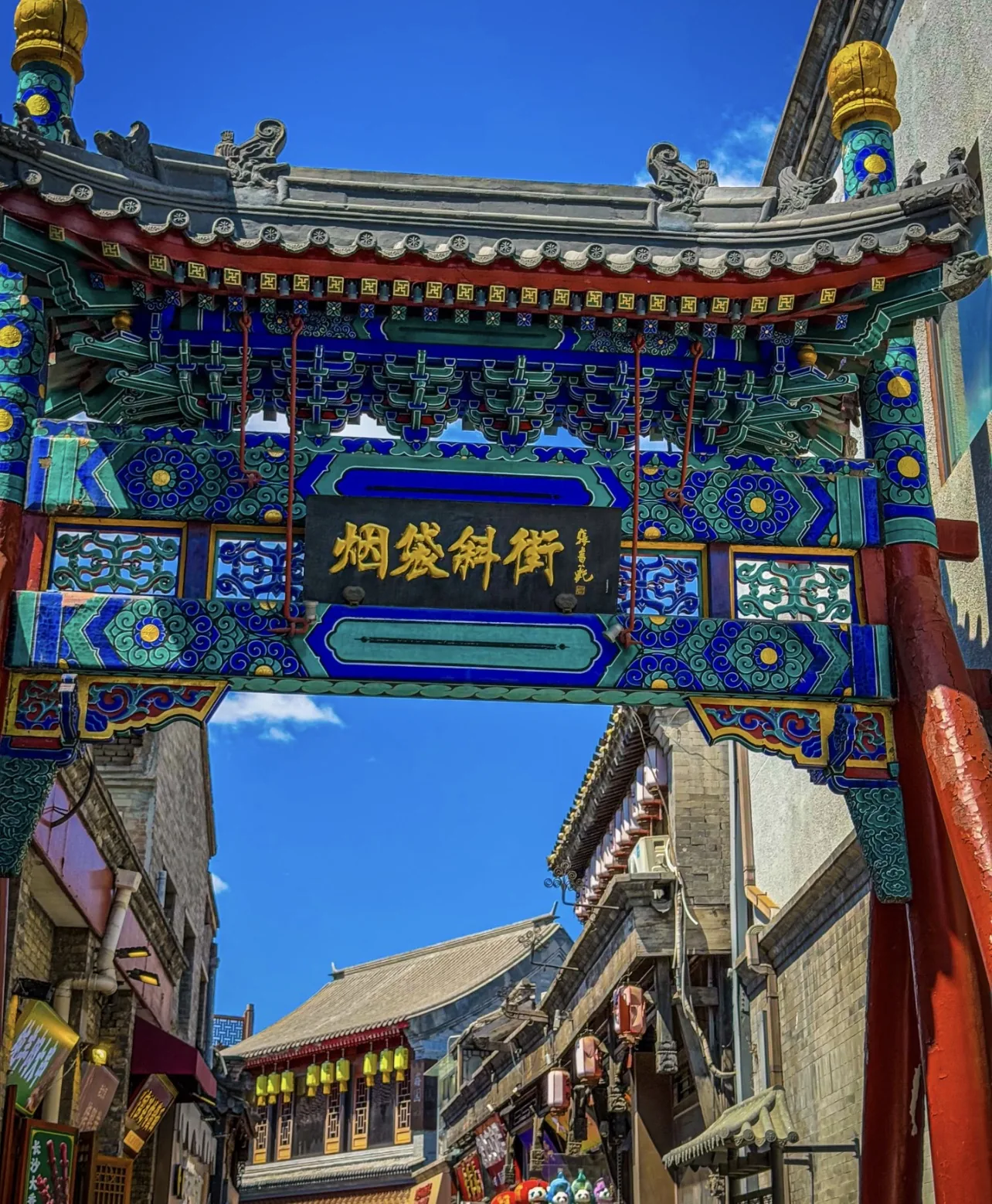
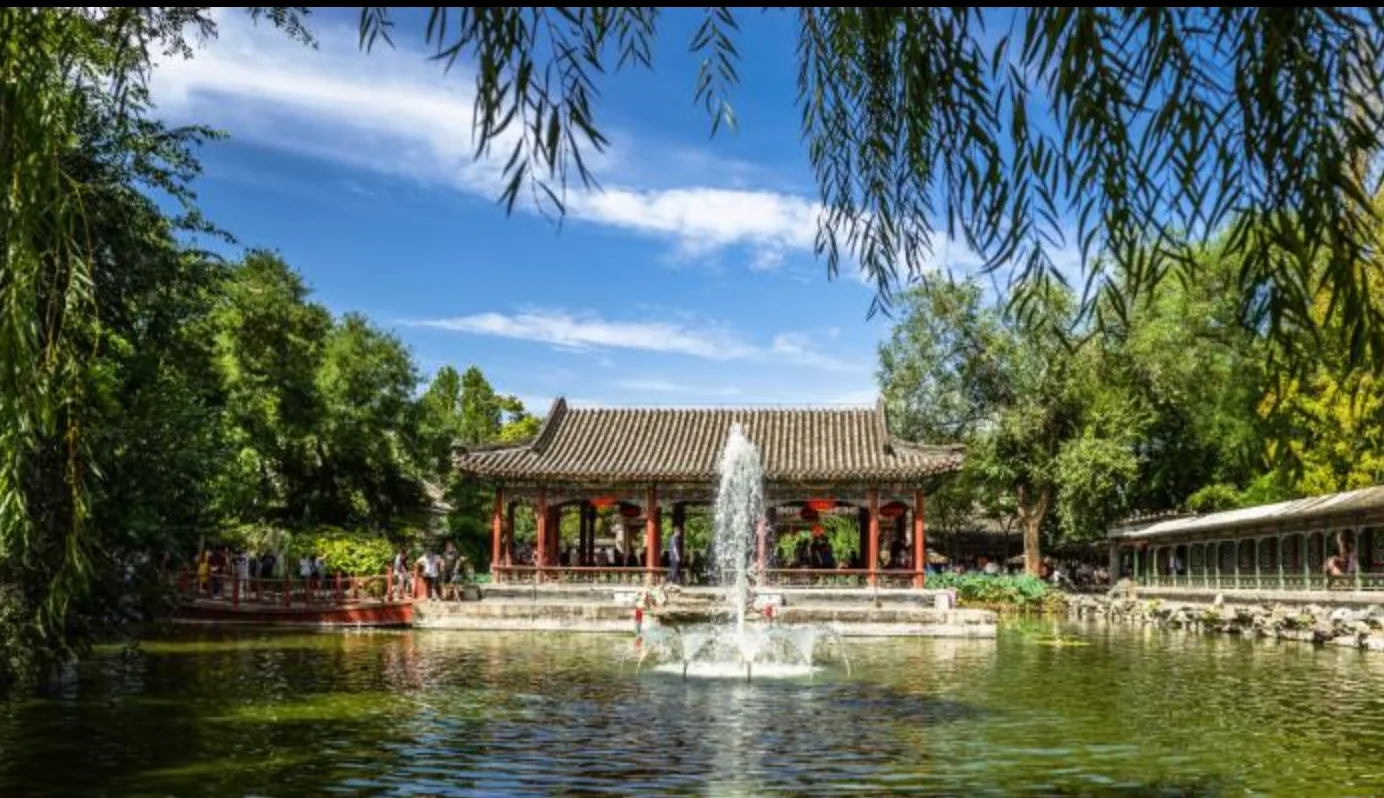
A centuries-old commercial street leads to the largest princely residence ever preserved in China: it belonged first to the all-powerful official Heshen and later to Prince Gong, giving rise to a well-known Beijing saying — “one Prince Gong's Mansion sums up half the history of the Qing dynasty”.
Day 4 — Badaling Great Wall and Temple of Heaven
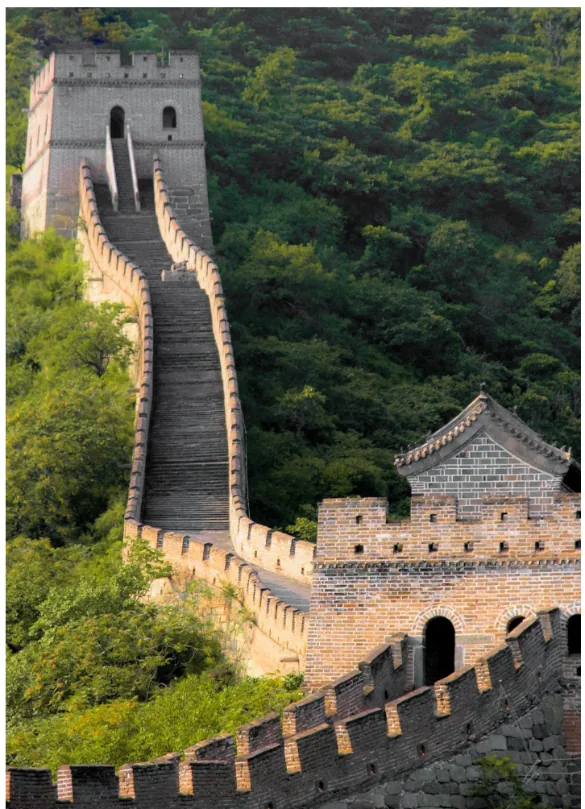
Walking along one of the best-preserved sections of the Ming Great Wall is to come face to face with one of humanity's greatest feats of engineering. Winding across the mountains, its watchtowers recount centuries defending the imperial capital — and the views from the top are, quite simply, unforgettable.
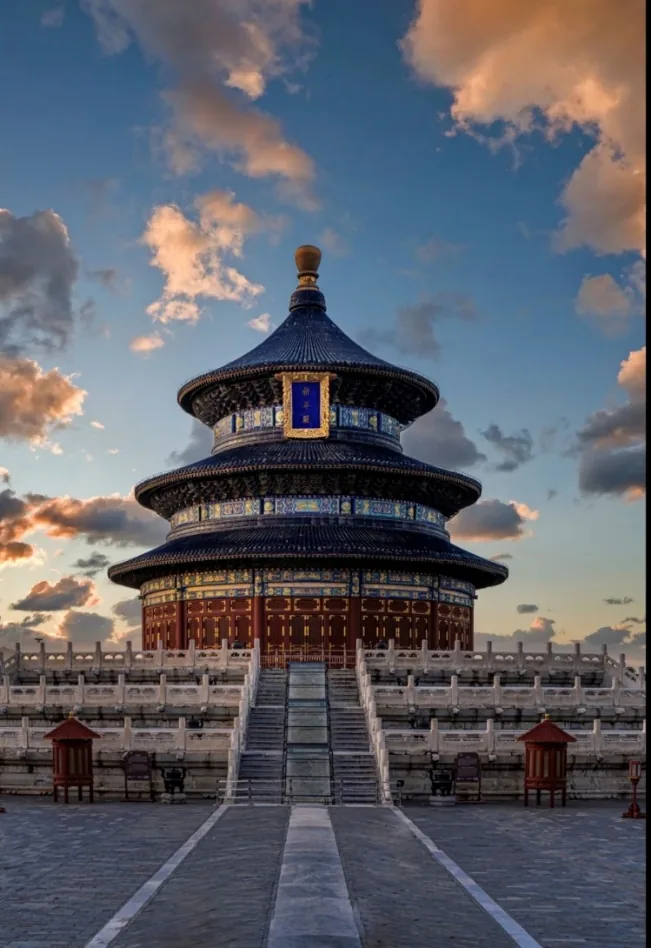
For 500 years, this was where China's emperors paid homage to Heaven and prayed for good harvests for their people. The Hall of Prayer for Good Harvests, with its triple roof of blue tiles, is one of the most recognisable images of the entire country.
Day 5 — Beijing → Xi'an, ancient Chang'an
Bound for Xi'an, ancient imperial capital and starting point of the Silk Road — the city where caravans laden with silk and spices once set out on their thousand-mile journey west. Reception by a local Spanish-speaking guide.
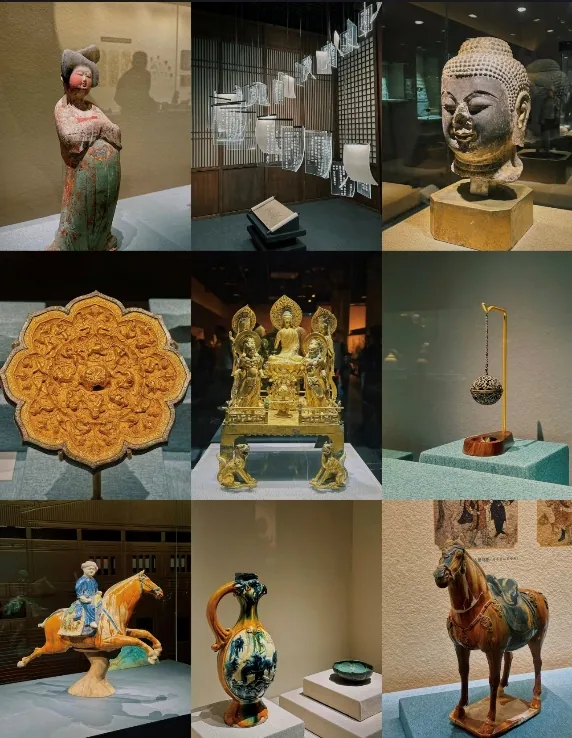
Thousands of years of history in a single place: the museum sits alongside the ancient Small Wild Goose Pagoda and Jianfu Temple, amid traditional gardens that restore Xi'an's role as capital of thirteen Chinese dynasties.
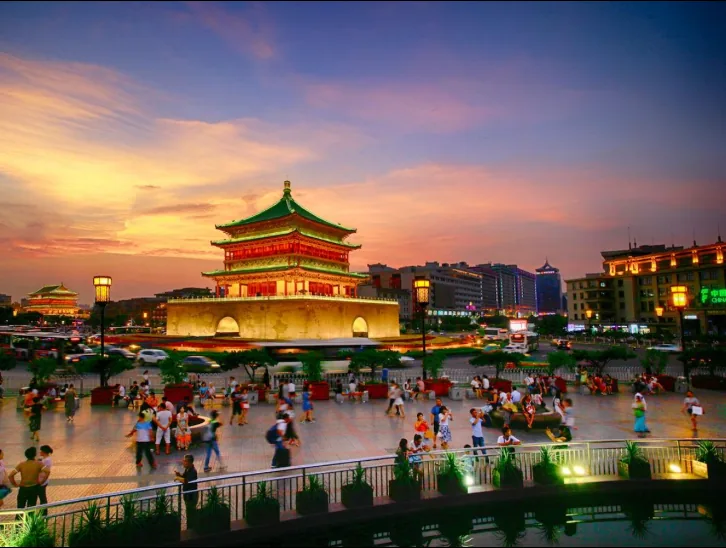
The geographic and symbolic heart of historic Xi'an, where the Bell Tower and Drum Tower once set the rhythm of city life: the bell tolled at dawn, the drum sounded at dusk.
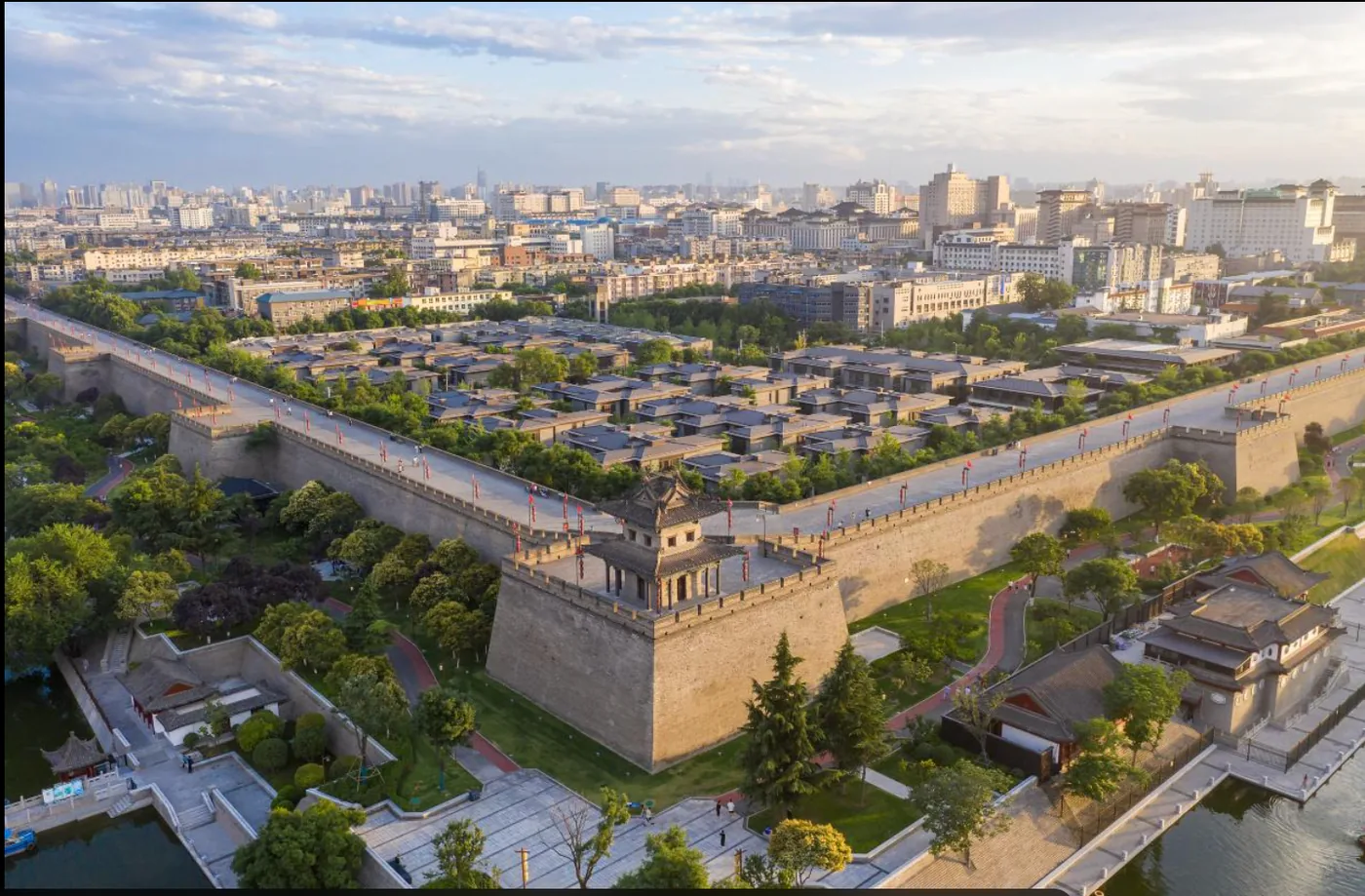
The best-preserved Ming-era city wall in all of China: 13.74 km of almost intact fortifications encircling the historic centre like a ring of stone. Walking — or cycling, optionally — along its top offers one of the most evocative panoramas of the ancient imperial capital.
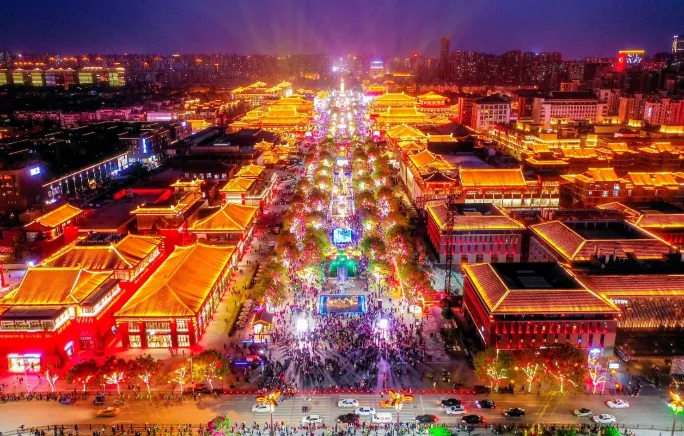
As night falls, this area at the foot of the Great Wild Goose Pagoda is transformed into a journey back to the splendour of the Tang dynasty, with lights, sculptures and performances recreating the era when Xi'an — then Chang'an — was the most cosmopolitan city on earth.
Day 6 — Xi'an → Mount Hua (Huashan)
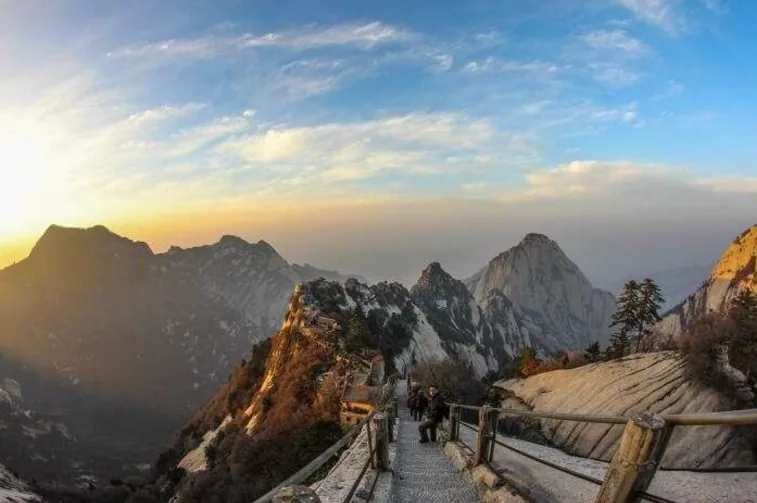
Known as “the most perilous and legendary mountain under heaven”, Mount Hua is one of China's Five Great Sacred Mountains. We'll ride the cable car up to the North Peak to take in, without any physical effort, some of the country's most spectacular cliffs and landscapes.
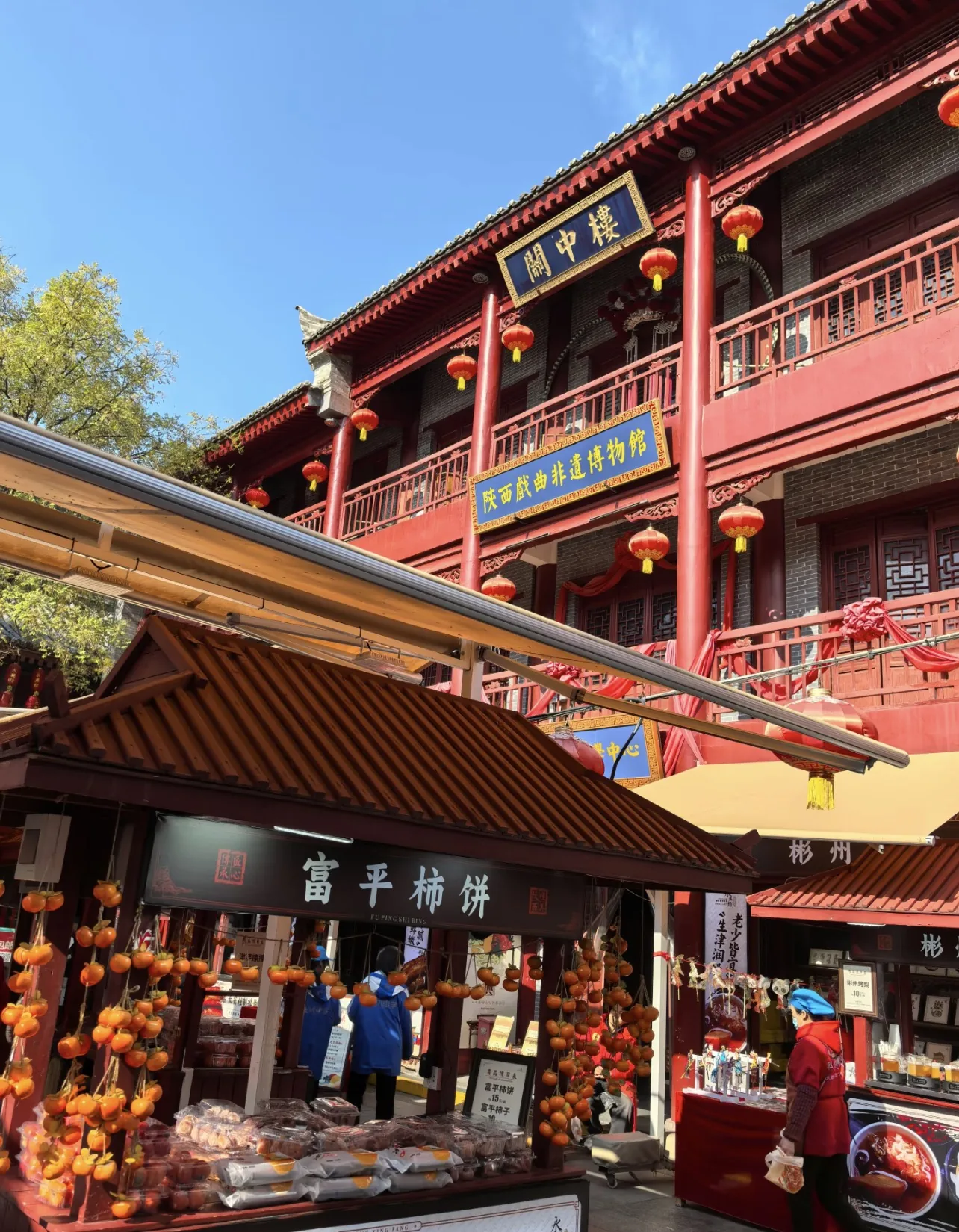
A single space bringing together the three great flavours of Shaanxi — north, central and south — alongside live performances of intangible heritage: traditional storytellers, string-puppet theatre and the distinctive Qin Opera.
Day 7 — Xi'an: the eternal army, and flight to Chengdu
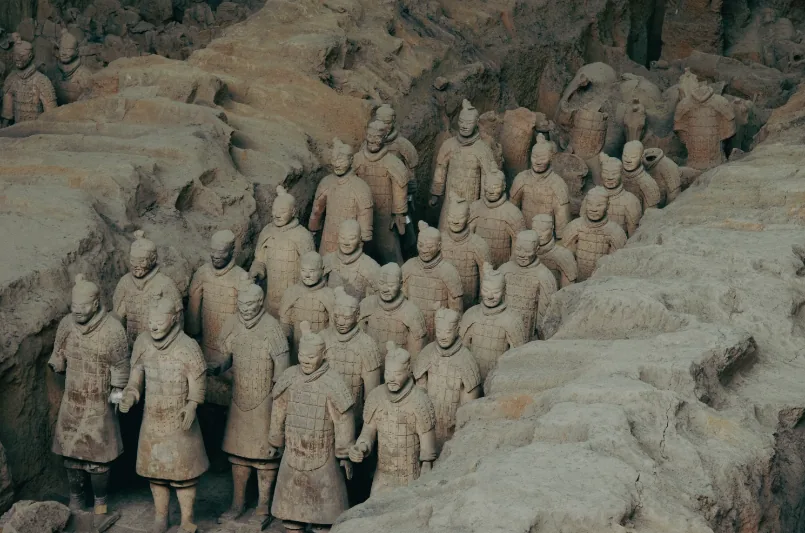
The “eighth wonder of the world”, as it became known following its discovery in 1974. Buried for over two thousand years, this army of thousands of life-size soldiers, horses and chariots was created to protect China's first emperor, Qin Shi Huang, for eternity. No two faces are alike.
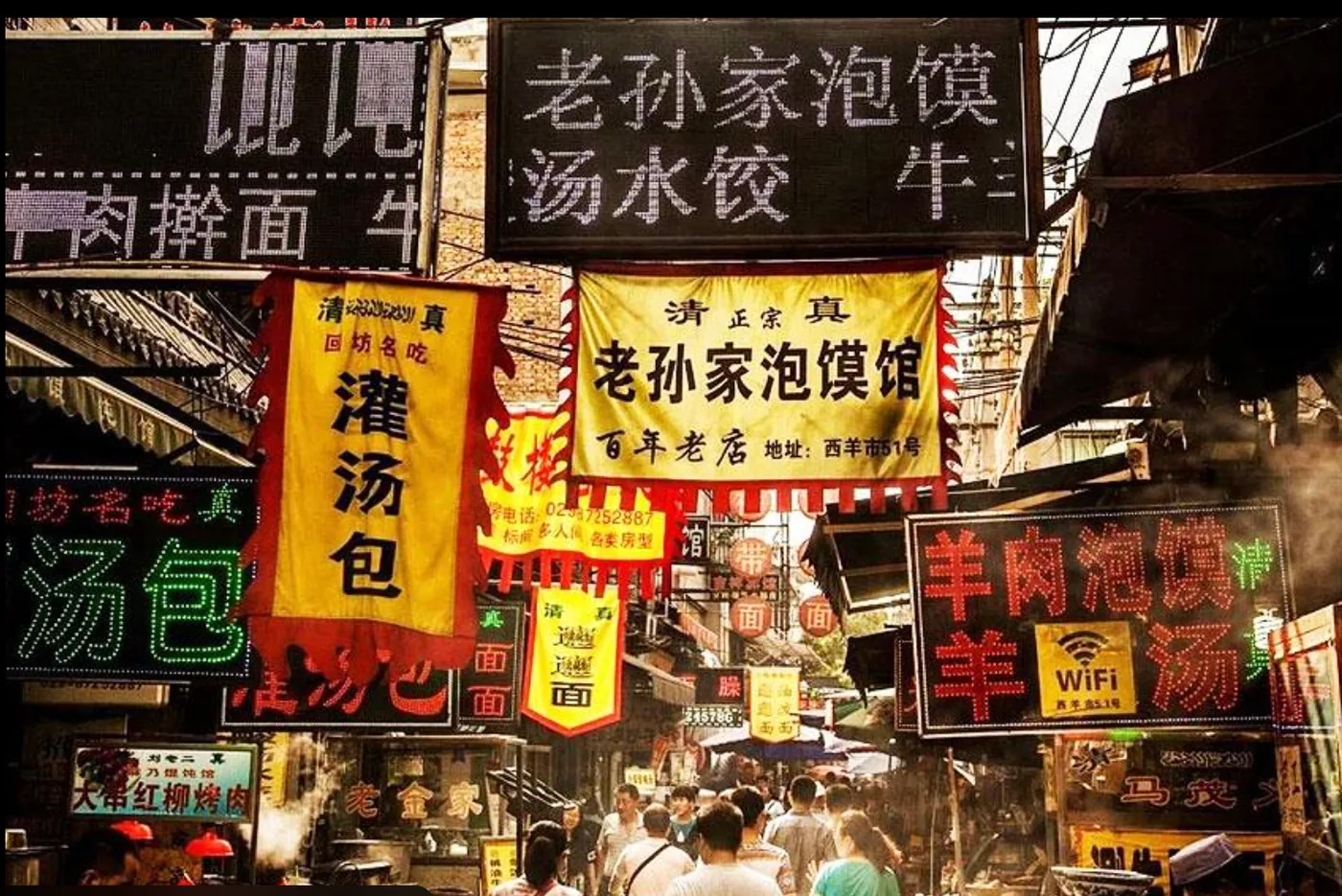
Xi'an's liveliest food district, a living testament to centuries of coexistence between Hui Muslim culture and Chinese tradition. Roujiamo, liangpi, yangrou paomo... every corner offers a new culinary temptation.
Day 8 — Chengdu: pandas and the lost civilization of Sanxingdui
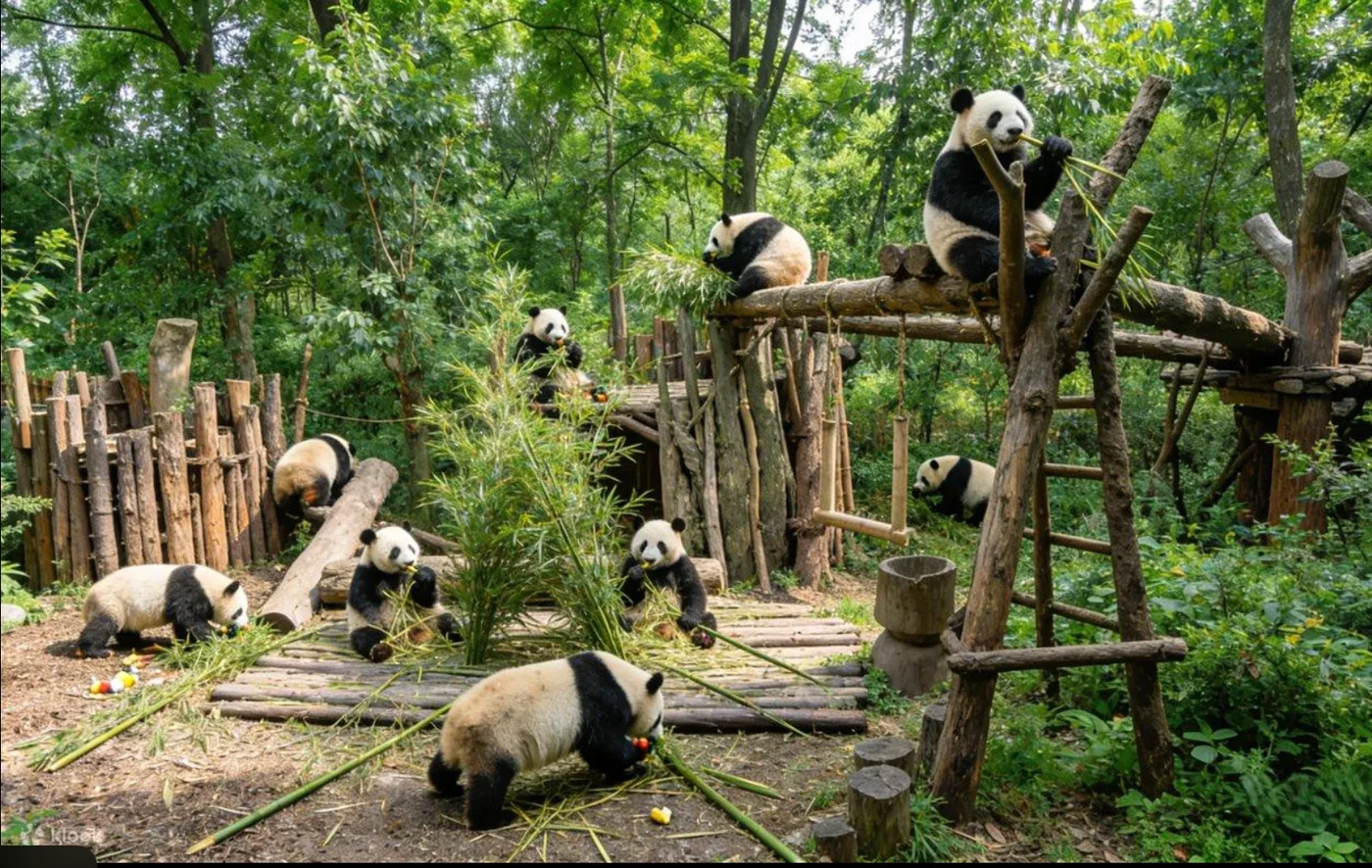
One of the world's leading centres for the research and conservation of the giant panda, China's ultimate symbol. The morning, right after feeding time, is the best moment of the day: the pandas are at their most active and playful.
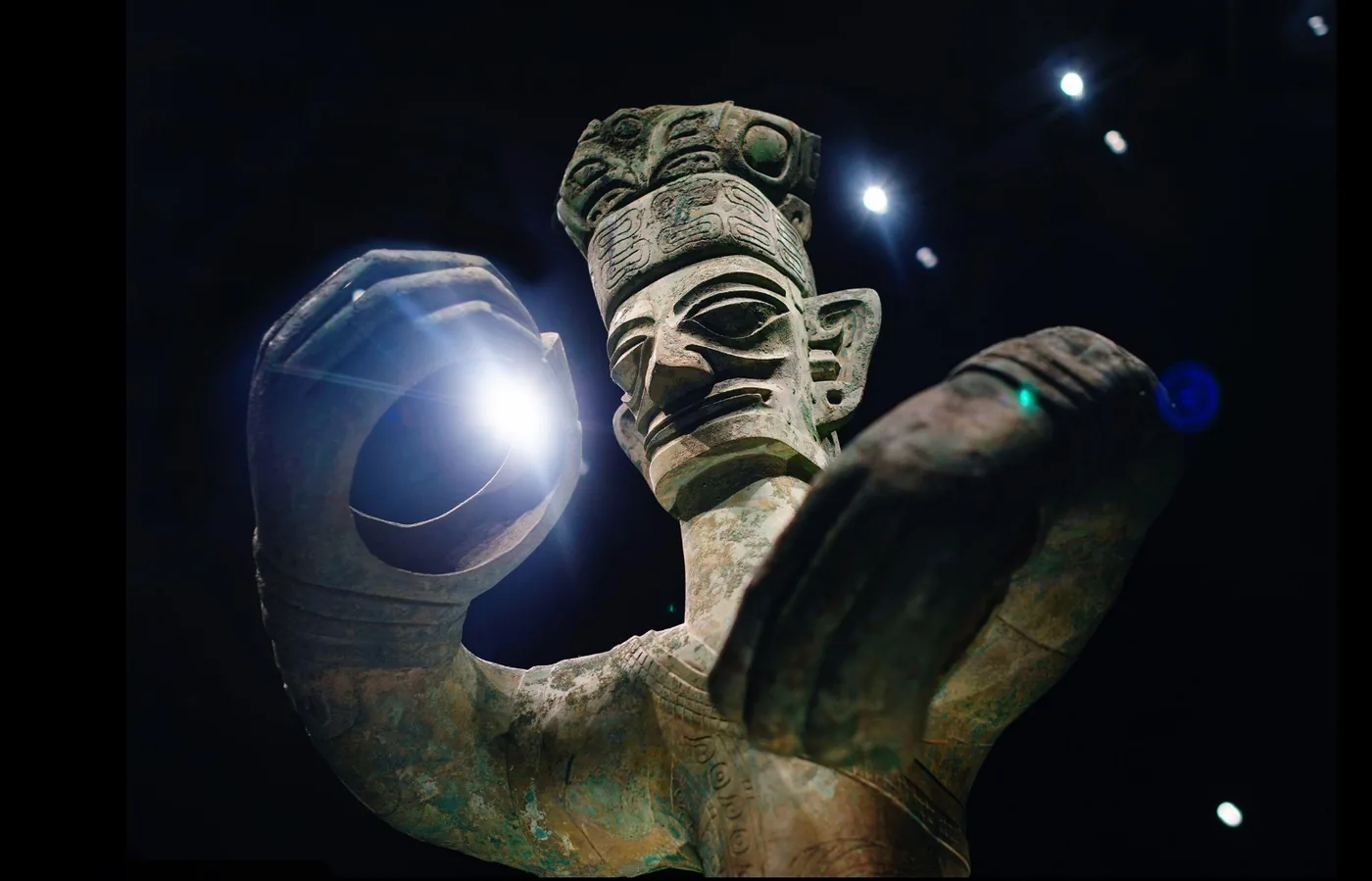
Regarded as one of the greatest archaeological discoveries of the 20th century, Sanxingdui proved that Chinese civilization was not born solely on the banks of the Yellow River, but also in the Yangtze basin. Its bronze masks with protruding eyes and its sacred tree still lack a full explanation — and that, precisely, is part of their fascination.
Day 9 — Chengdu: historic alleys and living Sichuan culture
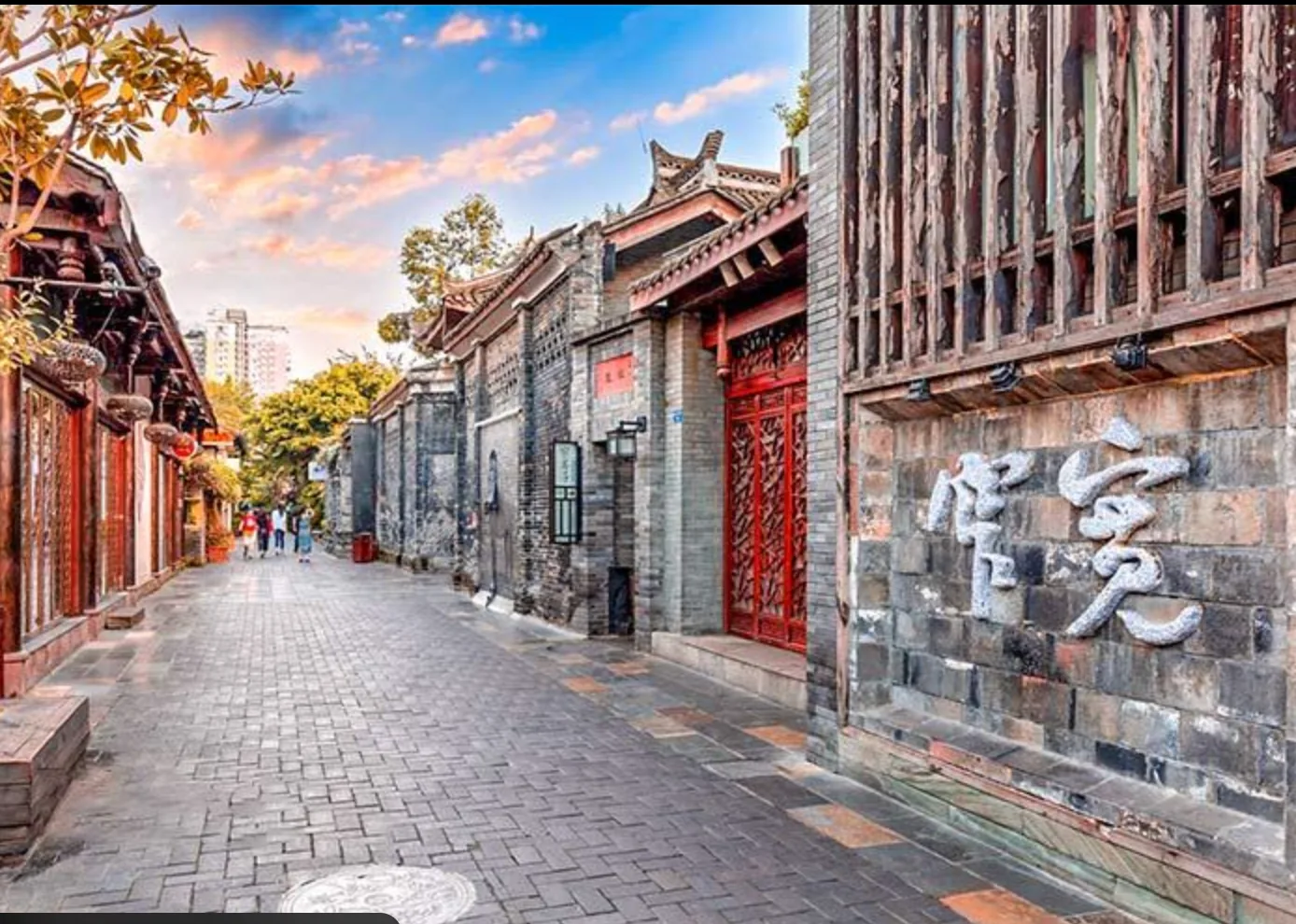
Three parallel alleys — Kuan (Wide), Zhai (Narrow) and Jing (Well) — preserve the old urban layout of Chengdu's ancient “Lesser City”, a unique example in southern China of the fusion between northern-style hutongs and local traditional architecture.
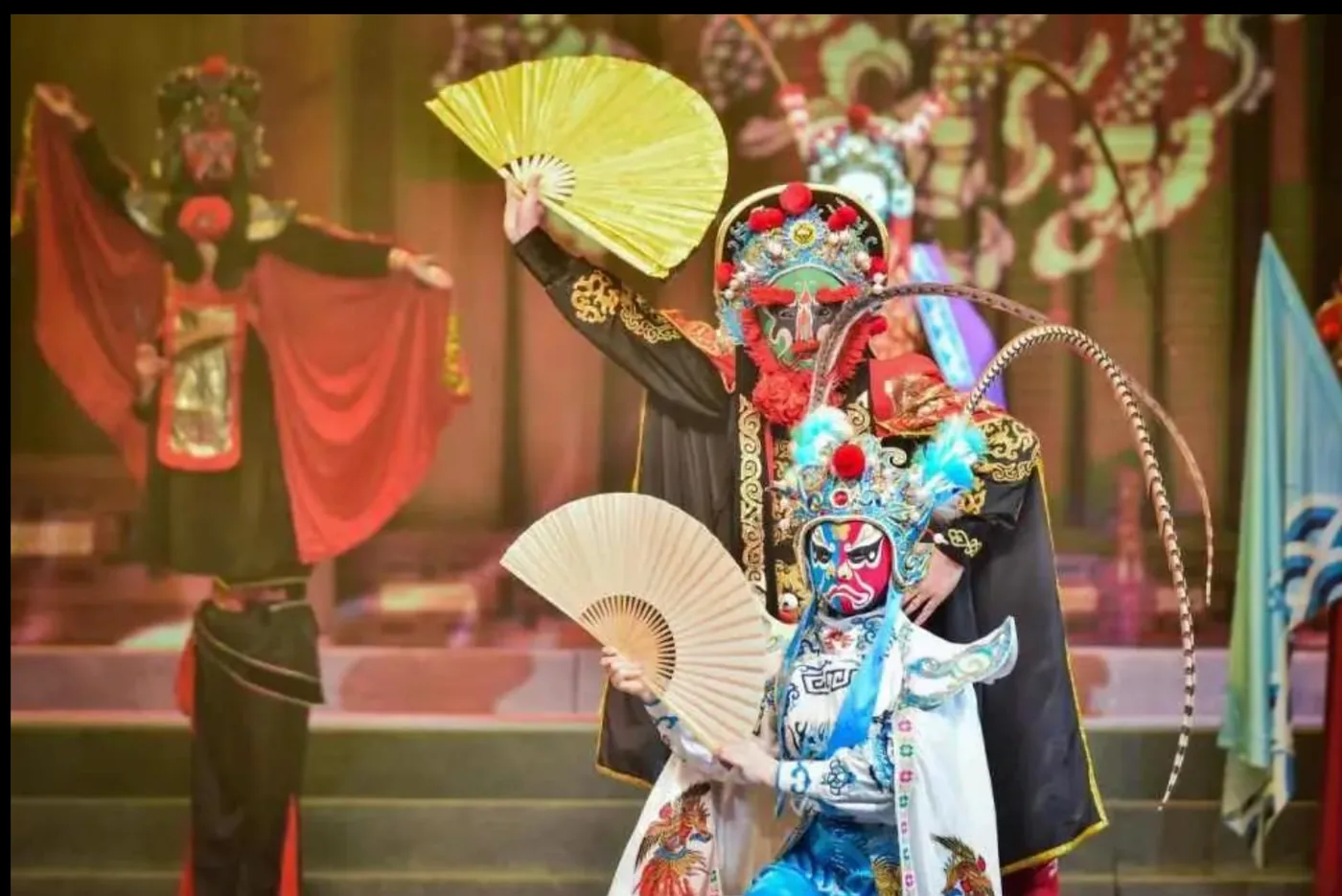
A sensory introduction to Sichuan's intangible culture: the ritual of lidded-cup tea and the legendary “face-changing” of the local opera, a stage technique so fast it looks like magic, its secret passed from master to disciple for generations.
Free afternoon. No vehicle or guide in the afternoon — return to the hotel independently by taxi.
Day 10 — Chengdu: excursion to the Leshan Giant Buddha
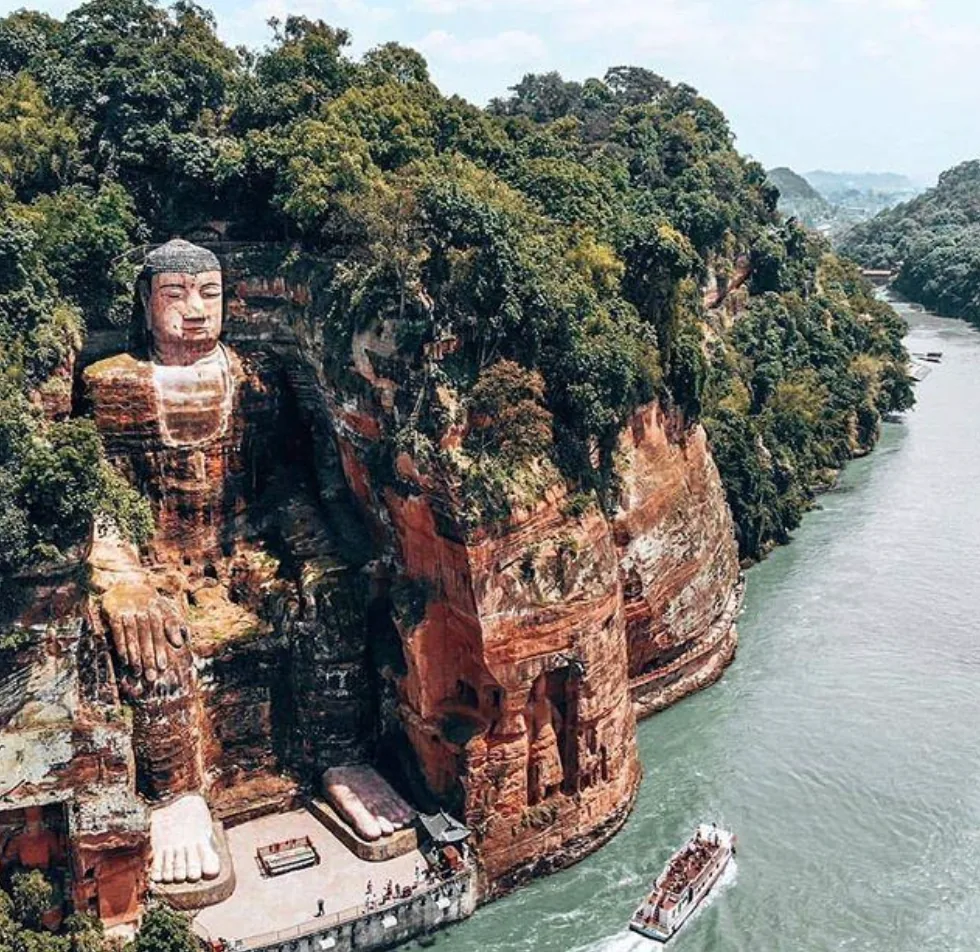
Carved directly into a red sandstone cliff during the Tang dynasty, standing 71 metres tall, it is the largest stone-carved Buddha statue in the world — so colossal that it inspired the saying “the mountain is a Buddha, the Buddha is a mountain”. It took 90 years to complete; according to legend, the monk who drove the project gouged out his own eyes to prove the funds raised would not be misappropriated. Walk down the rock-cut staircase to the Buddha's feet (approx. 2-3h), with the option of a boat ride to view the full figure from the river.
Return to Chengdu in the late afternoon.
Day 11 — Chengdu → Guilin
China changes its skin: we leave the great metropolises behind to venture into the world's most famous karst landscape, the one that has inspired traditional Chinese painting for centuries.
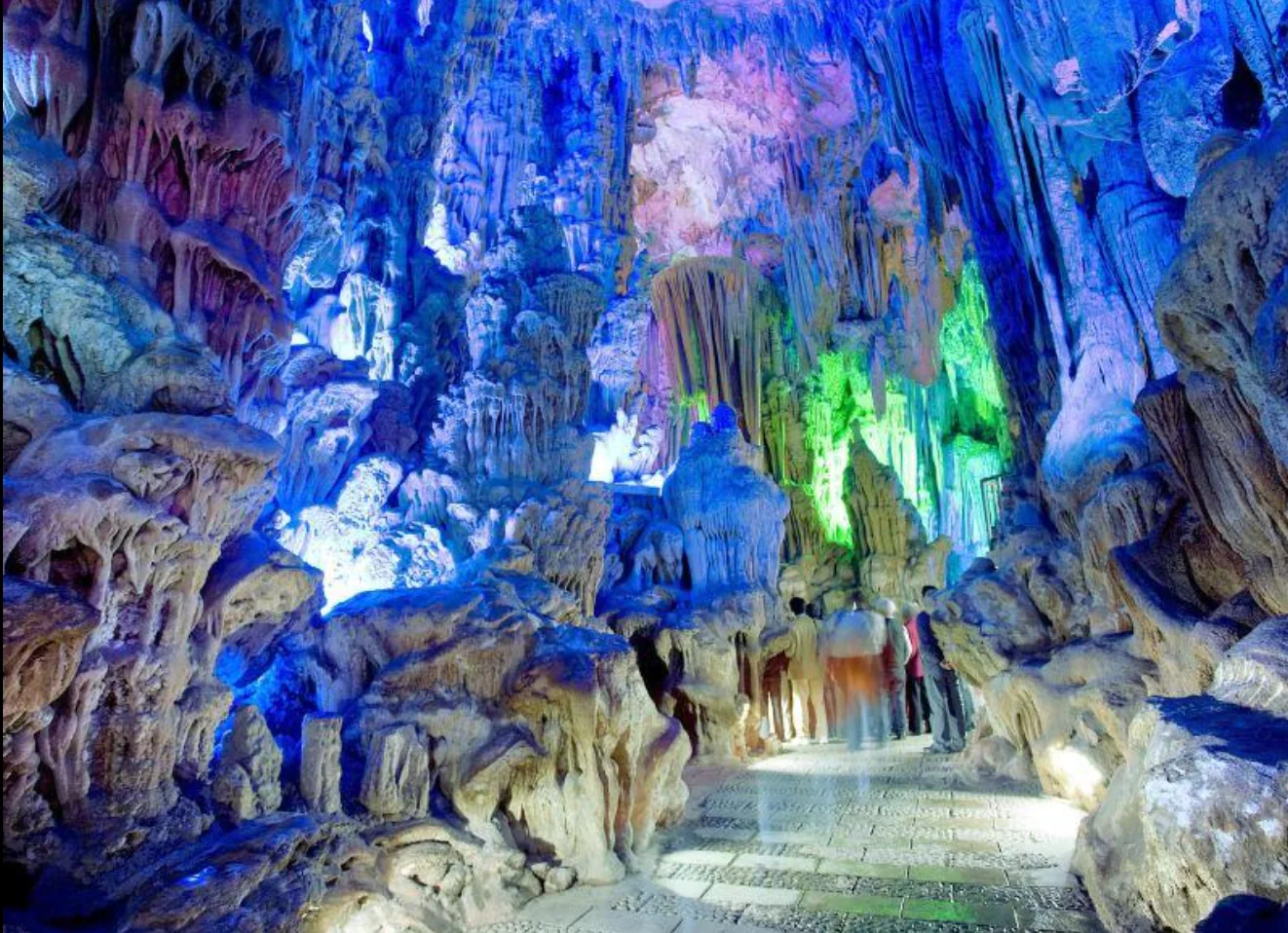
A natural limestone cave illuminated with coloured lights, its stalactites and stalagmites visited since the Tang dynasty.
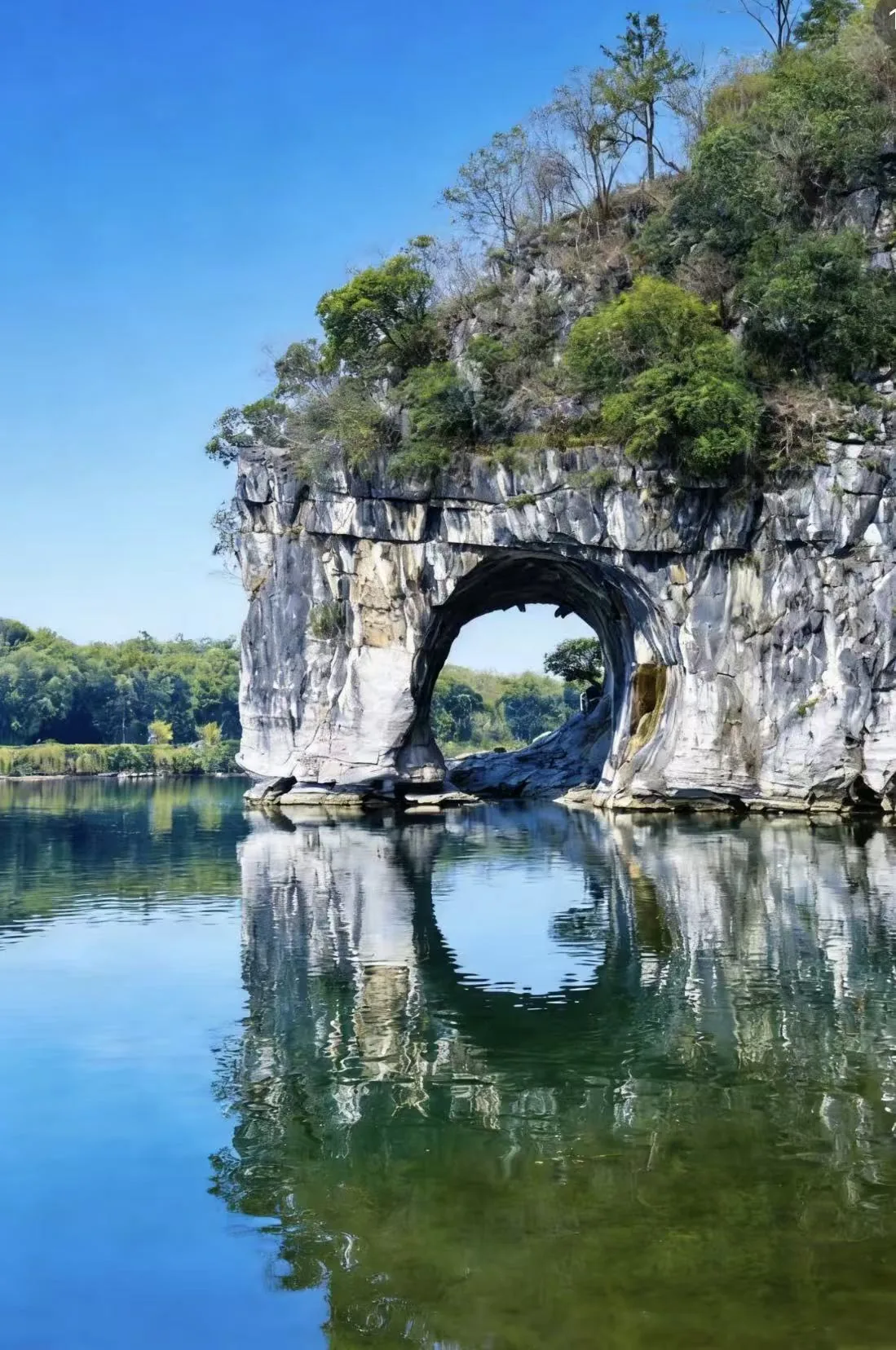
Guilin's natural emblem: a rock formation that, seen from the right angle, resembles an elephant drinking from the Li River.
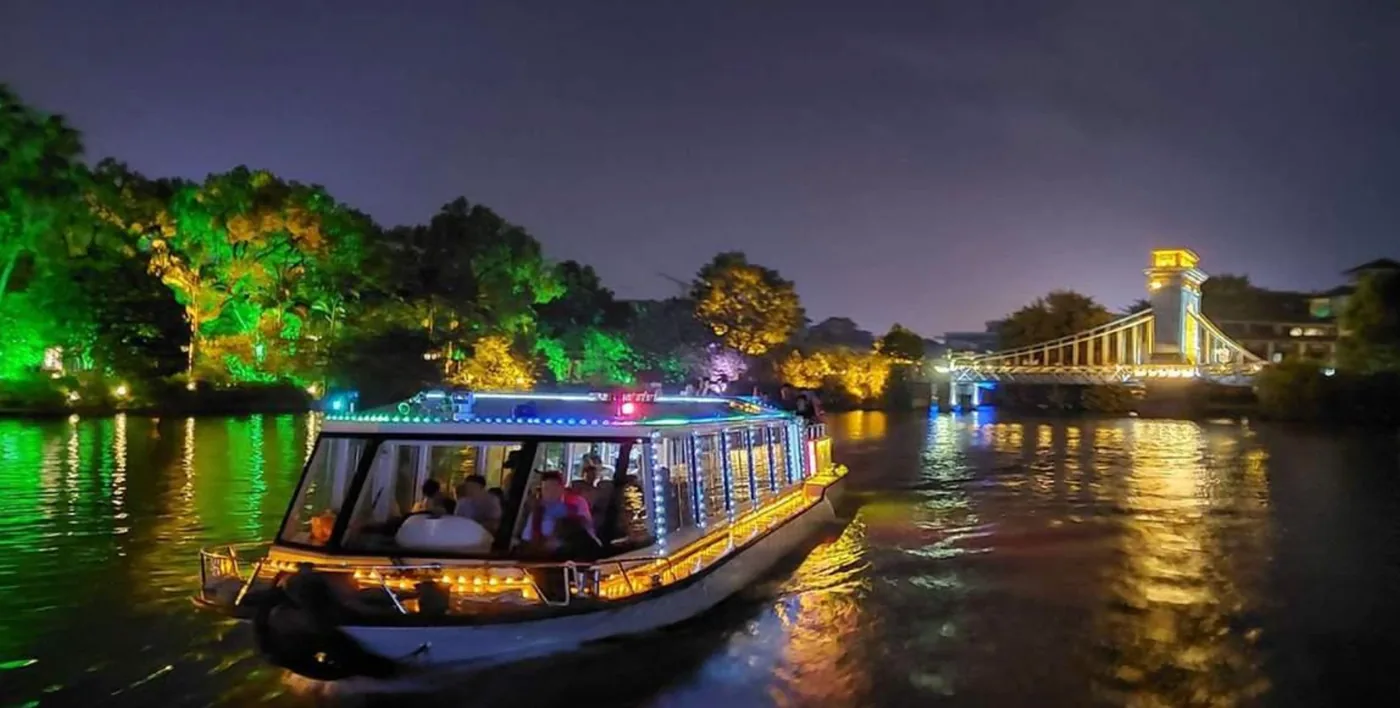
Guilin lit up from the water: gold and silver pagodas, century-old bridges and the karst skyline silhouetted against the night sky.
Day 12 — Li River cruise to Yangshuo
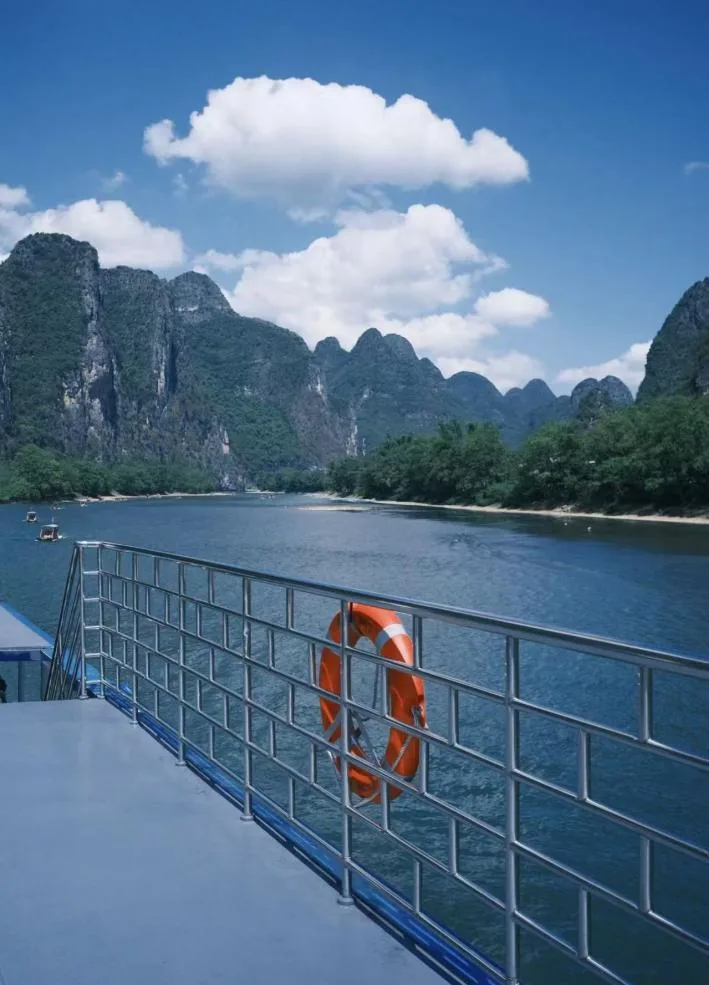
Considered one of the most beautiful river cruises in the world — CNN ranked it among the planet's 15 most beautiful rivers. Over 83 km, the Li River winds between thousands of vegetation-covered karst peaks, fishing villages and water buffalo grazing on its banks. The 20-yuan banknote itself depicts the Xingping stretch, one of the most photographed points on the route.
Arrival in Yangshuo in the mid-afternoon. Free time to stroll along West Street, the town's tourist and bohemian heart for more than three decades.
Day 13 — Yangshuo: rice paddies and the Impression Liu Sanjie show
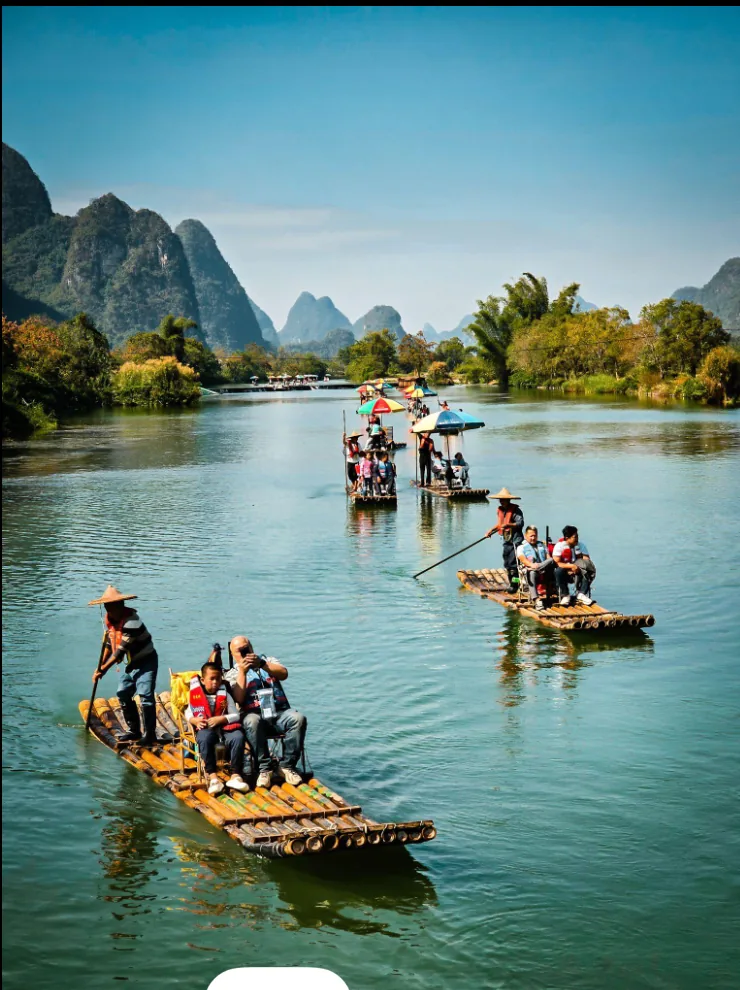
Known as the “little Li River”, the Yulong offers a much calmer, more intimate journey, drifting past rice paddies, centuries-old stone bridges and miniature karst peaks.
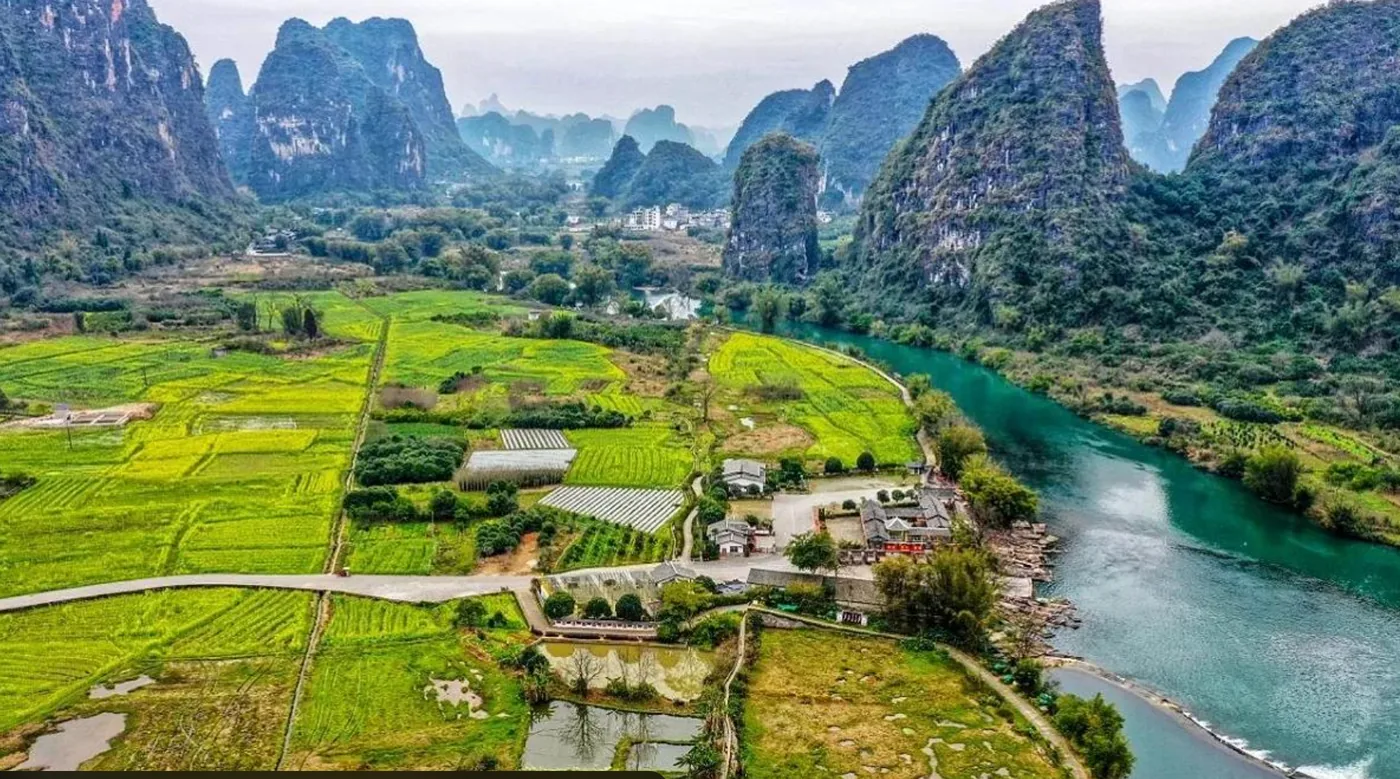
A country road winding among some of the region's most photogenic karst peaks, used as a filming location for “Star Wars” and the live-action “The Lion King”.
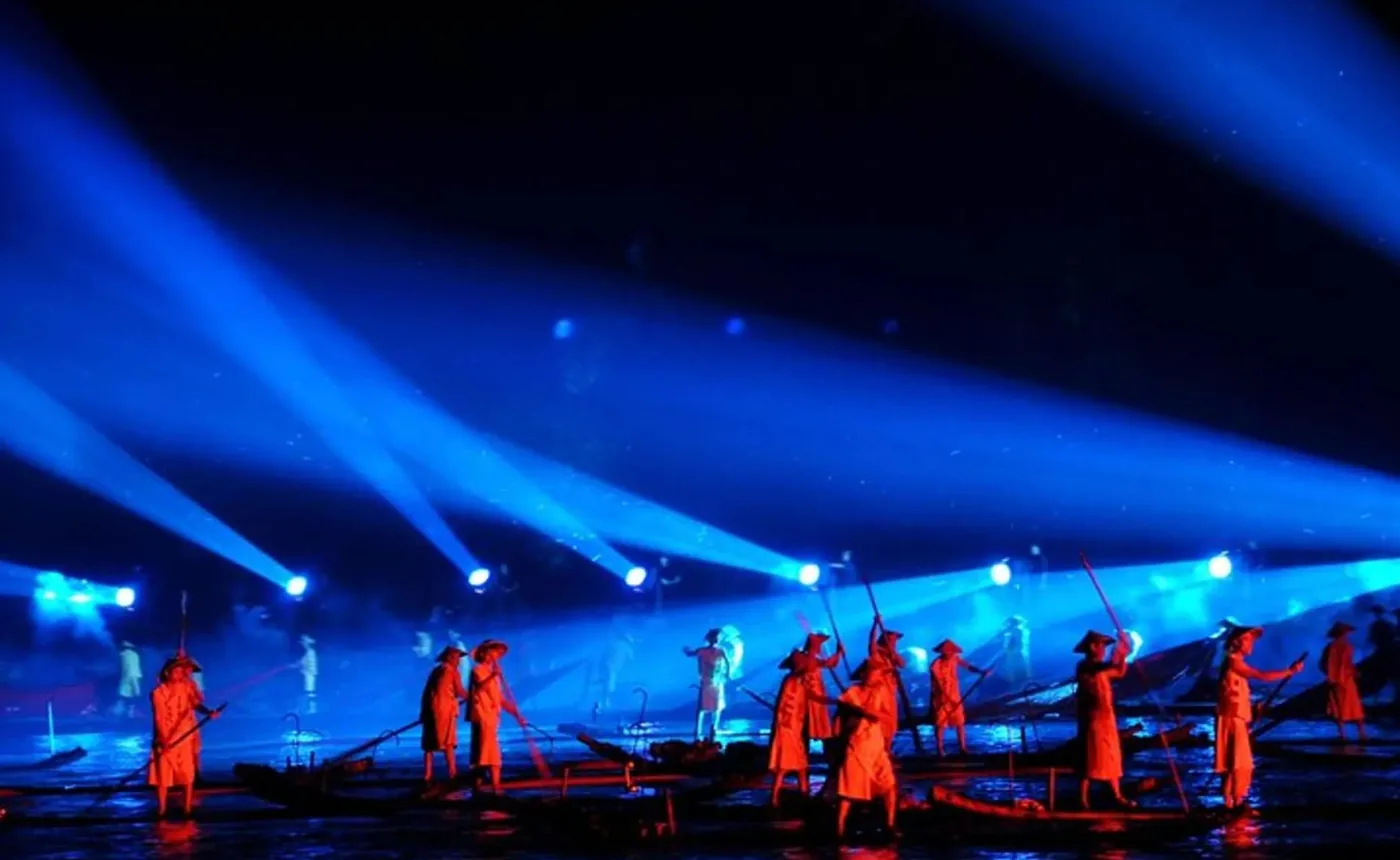
Directed by Zhang Yimou (the same filmmaker behind the opening ceremony of the Beijing 2008 Olympics), this show uses 2 km of the actual Li River as its stage and 12 real karst peaks as a backdrop — the largest natural theatre in the world, with over 600 performers and choreographed lighting on the water.
Day 14 — Yangshuo → Hangzhou (via Guilin airport)
A full day in transit towards the Jiangnan region of China — the land of lakes, canals and gardens that Chinese poets have described for a thousand years as paradise on earth (“Above there is heaven; below there are Suzhou and Hangzhou”). Arrival in Hangzhou at nightfall.
Day 15 — Hangzhou: the West Lake
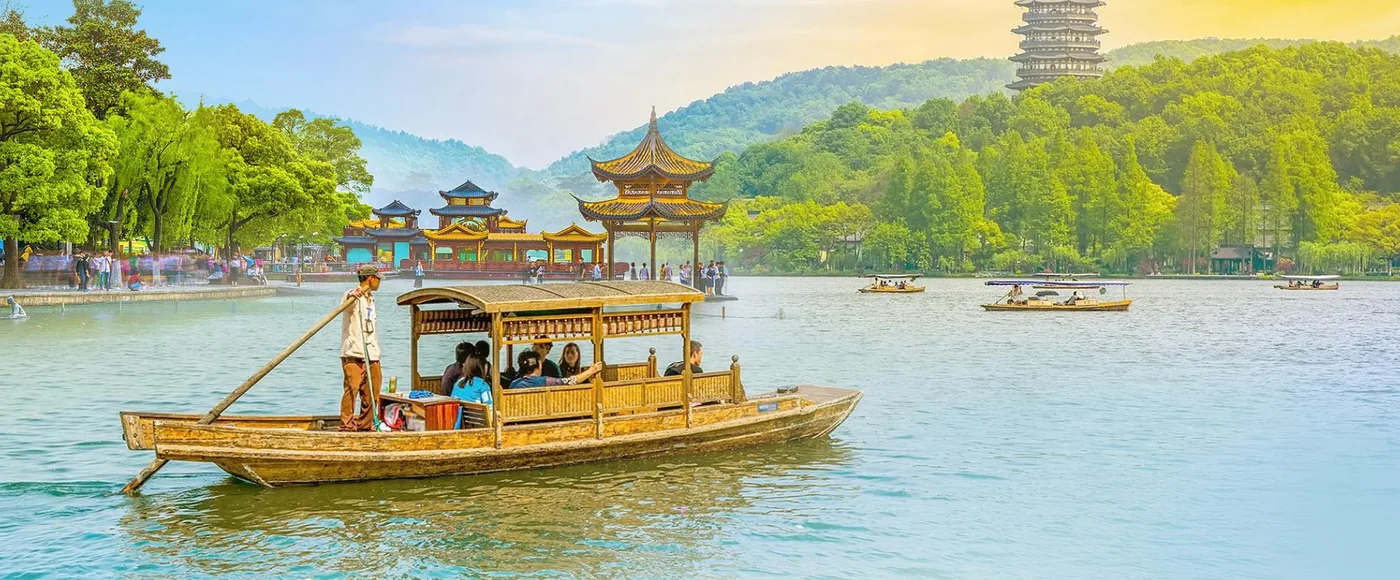
The most celebrated lake in all of China, a muse to emperors, poets and painters for over a thousand years. Its “Ten Scenes of West Lake” — including Broken Bridge and Three Pools Mirroring the Moon — form a living catalogue of Chinese landscape aesthetics. A traditional boat ride among the islets, with green-tea hills in the background, is one of the most serene experiences of the whole trip.
Day 16 — Hangzhou: temples and tea hills
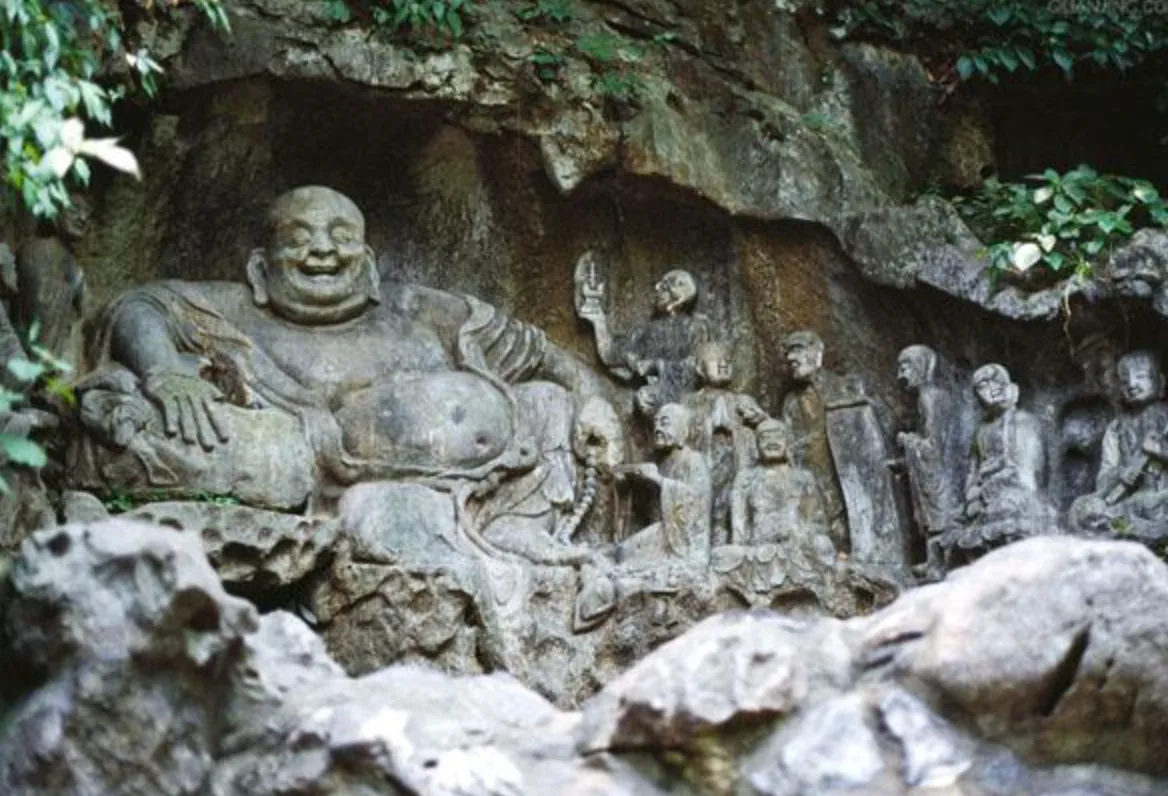
One of China's largest and most important Buddhist temples, founded in the year 328. The Feilai Feng (Peak Flown from Afar) grotto, carved with hundreds of Buddhist rock sculptures, completes the visit.
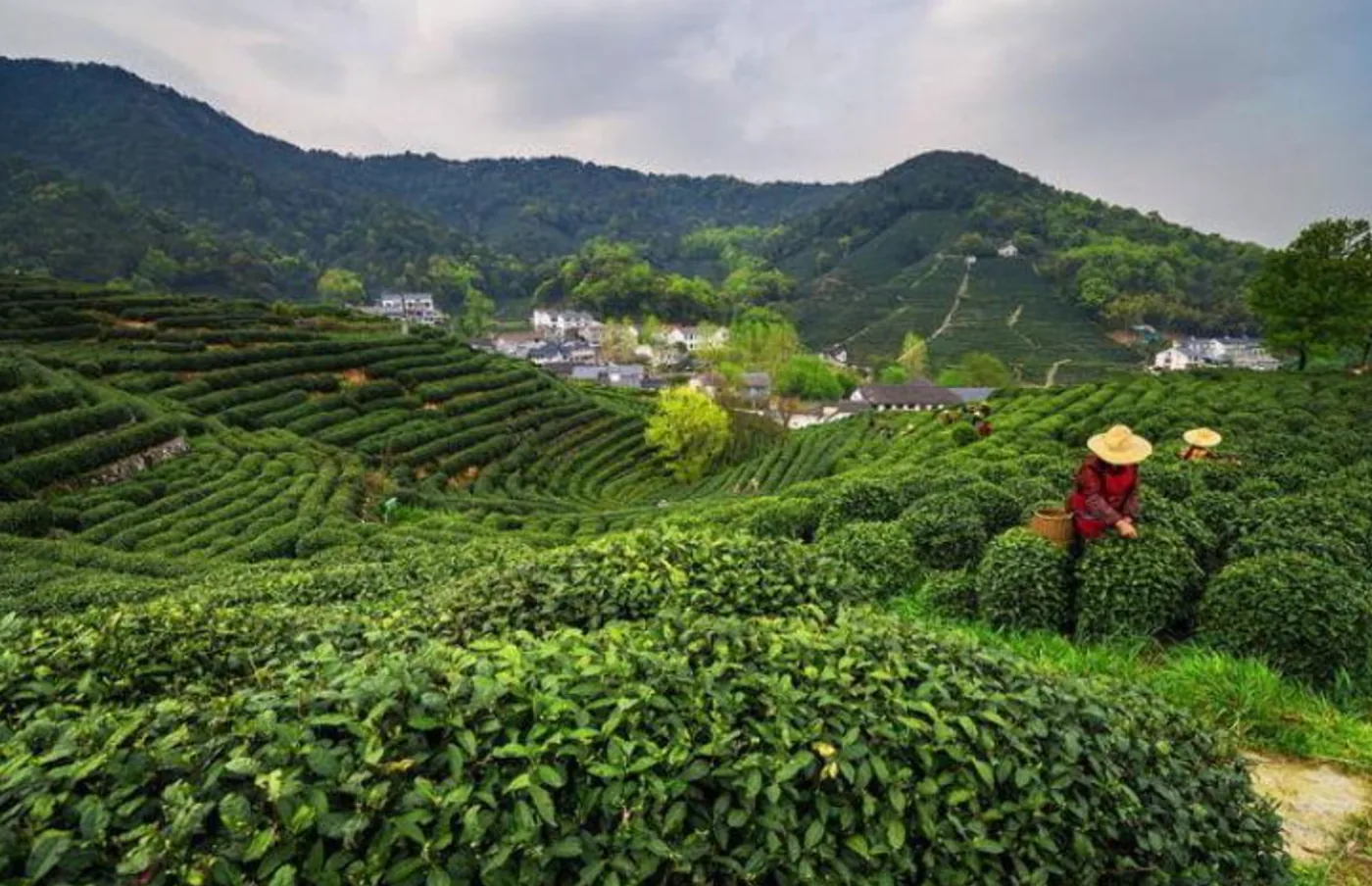
Here grows China's most prestigious green tea, Longjing (“Dragon Well”). A stroll among the tea terraces and a tasting at a traditional tea house, with an explanation of the hand-roasting process that sets this tea apart from any other.
Day 17 — Hangzhou → Suzhou
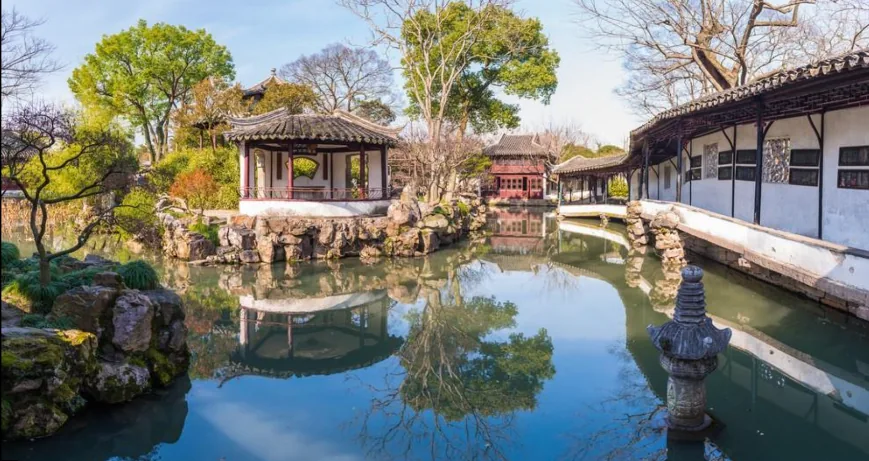
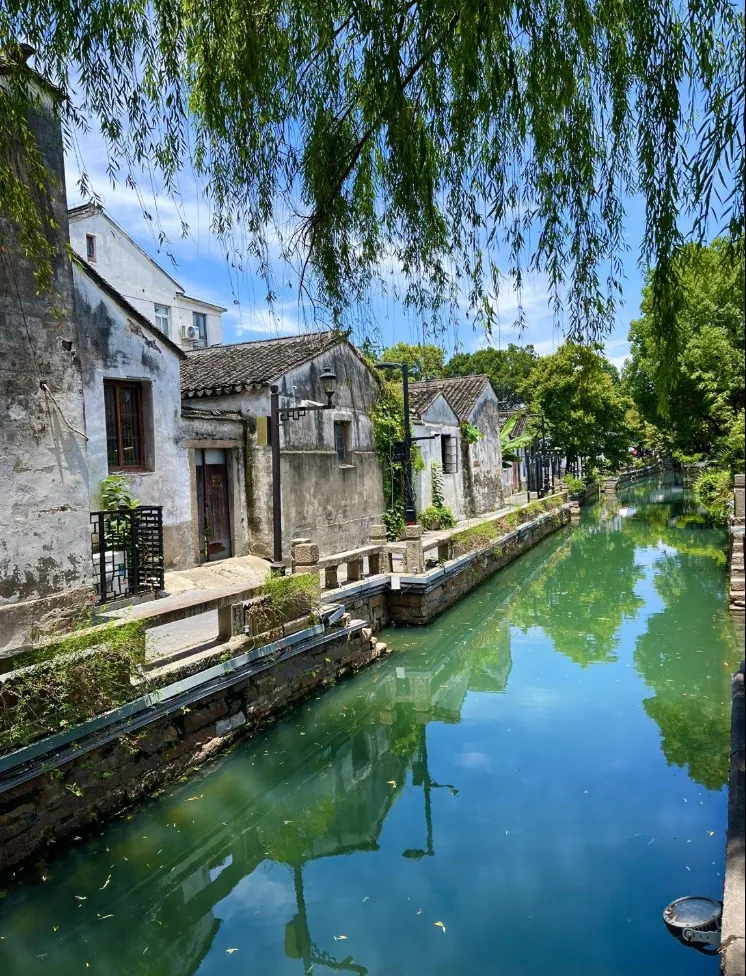
Known as “the Venice of the East”, Suzhou is the birthplace of China's classical gardens — nine of which are UNESCO World Heritage Sites. The Humble Administrator's Garden is the largest and most celebrated of them all, a maze of pavilions, ponds and ornamental rocks summing up 500 years of Chinese landscape aesthetics.
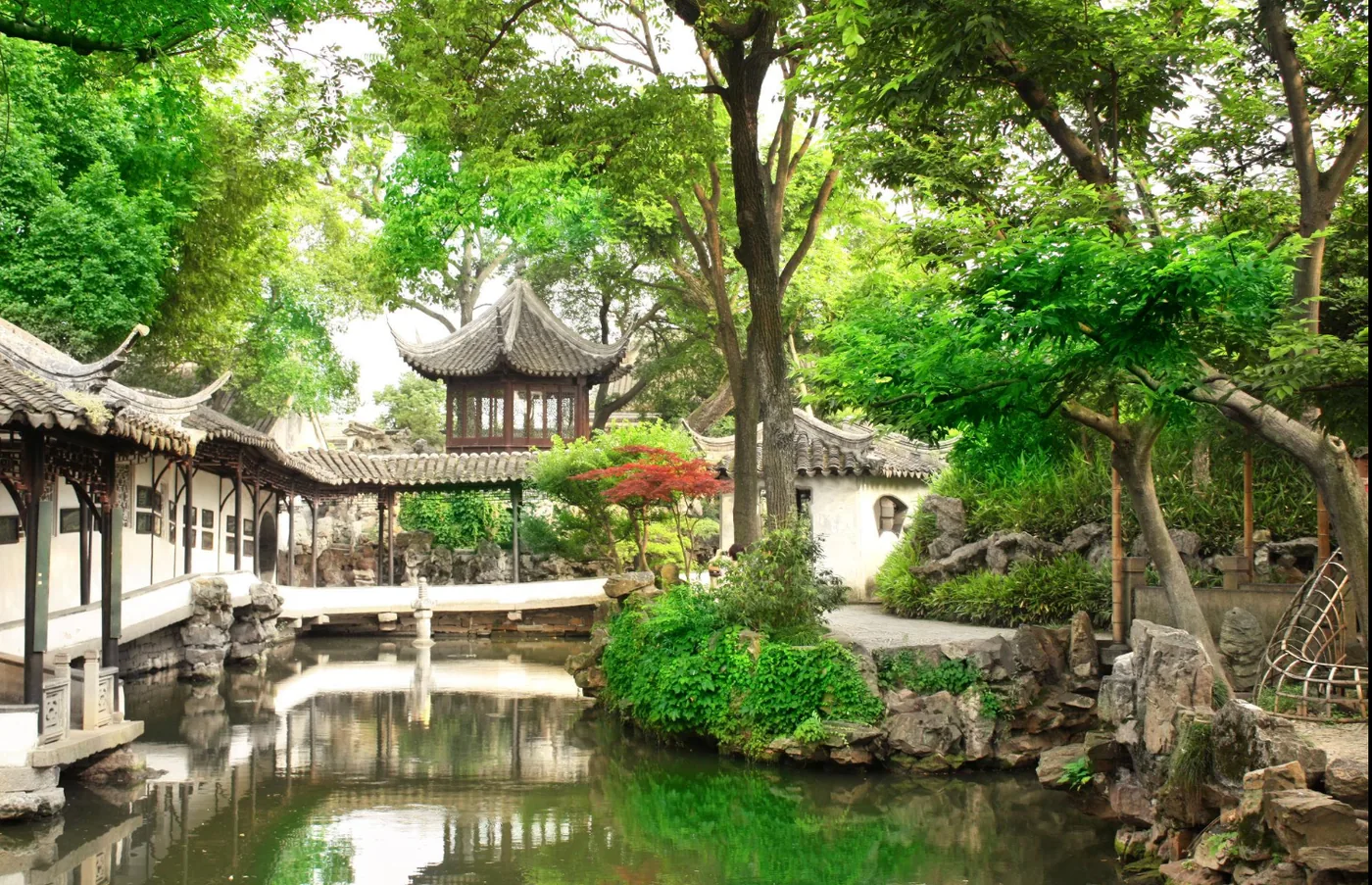
A cobbled canal-side street lined with traditional black-roofed, white-walled houses, virtually unchanged since the Song dynasty — the most authentic side of Suzhou, with small stone bridges and boats gliding past its façades.
Alternative available: Zhujiajiao, the “Venice of Shanghai” (car transfer, ~1h from the centre). An ancient water town with over 1,700 years of history, 36 stone bridges and canals navigable by traditional boat — recommended if the group prefers a more relaxed pace without taking the train.
Day 18 — Suzhou → Shanghai, the pearl of the Orient
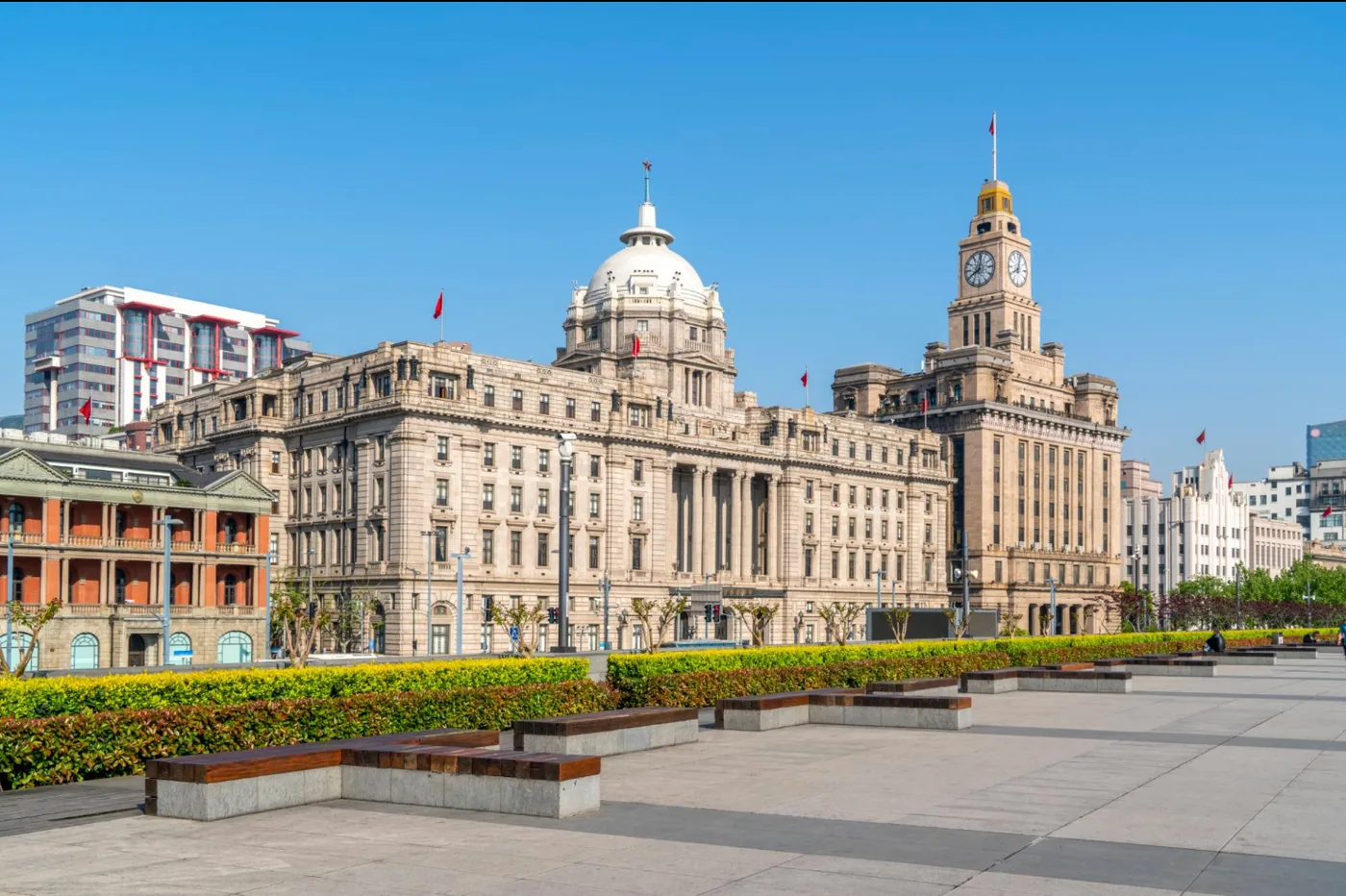
1.5 km of riverside promenade along the Huangpu, where 52 historic Gothic, Romanesque and Baroque buildings face the futuristic skyscrapers of Pudong — among them the Oriental Pearl Tower and Shanghai Tower. Few places in the world capture the contrast between China's past and future so vividly.
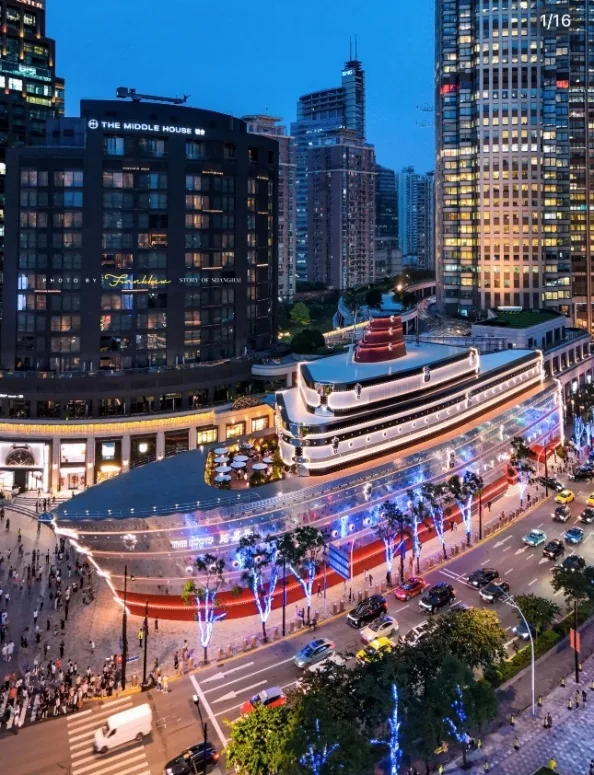
The only Louis Vuitton monumental ship in the world: a sculptural structure that reinterprets the maison's iconic travel trunks in architectural form, set in the heart of Shanghai's shopping district.
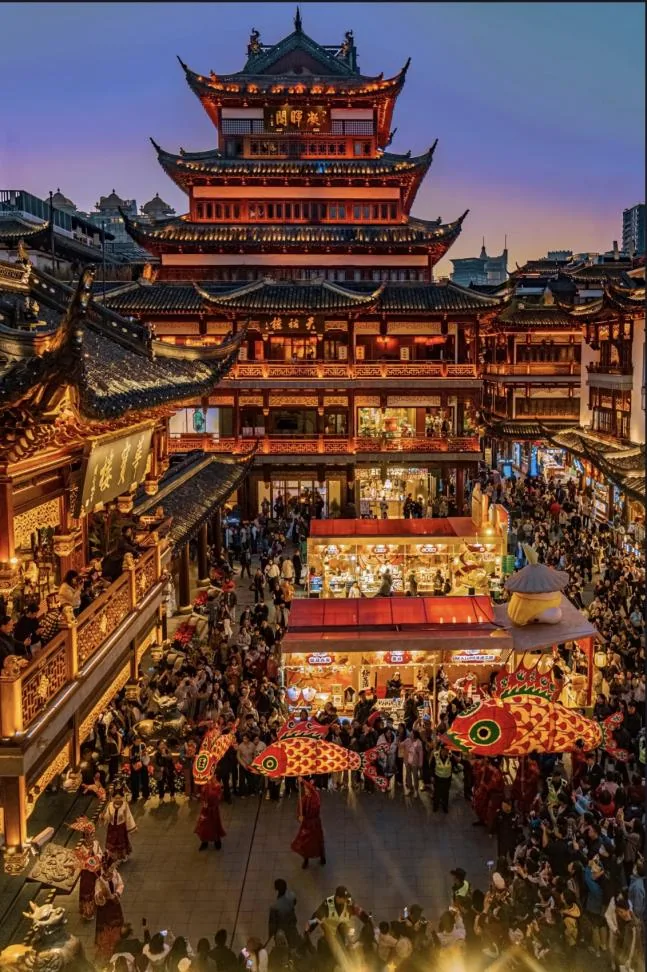
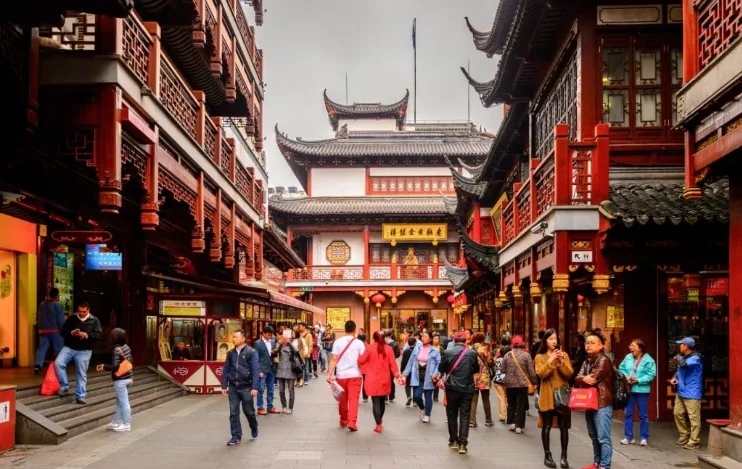
One of Shanghai's most traditional corners, where century-old shops and classical architecture meet the bustle of one of the city's liveliest food districts.
Day 19 — Shanghai: classical gardens and a skyscraper skyline
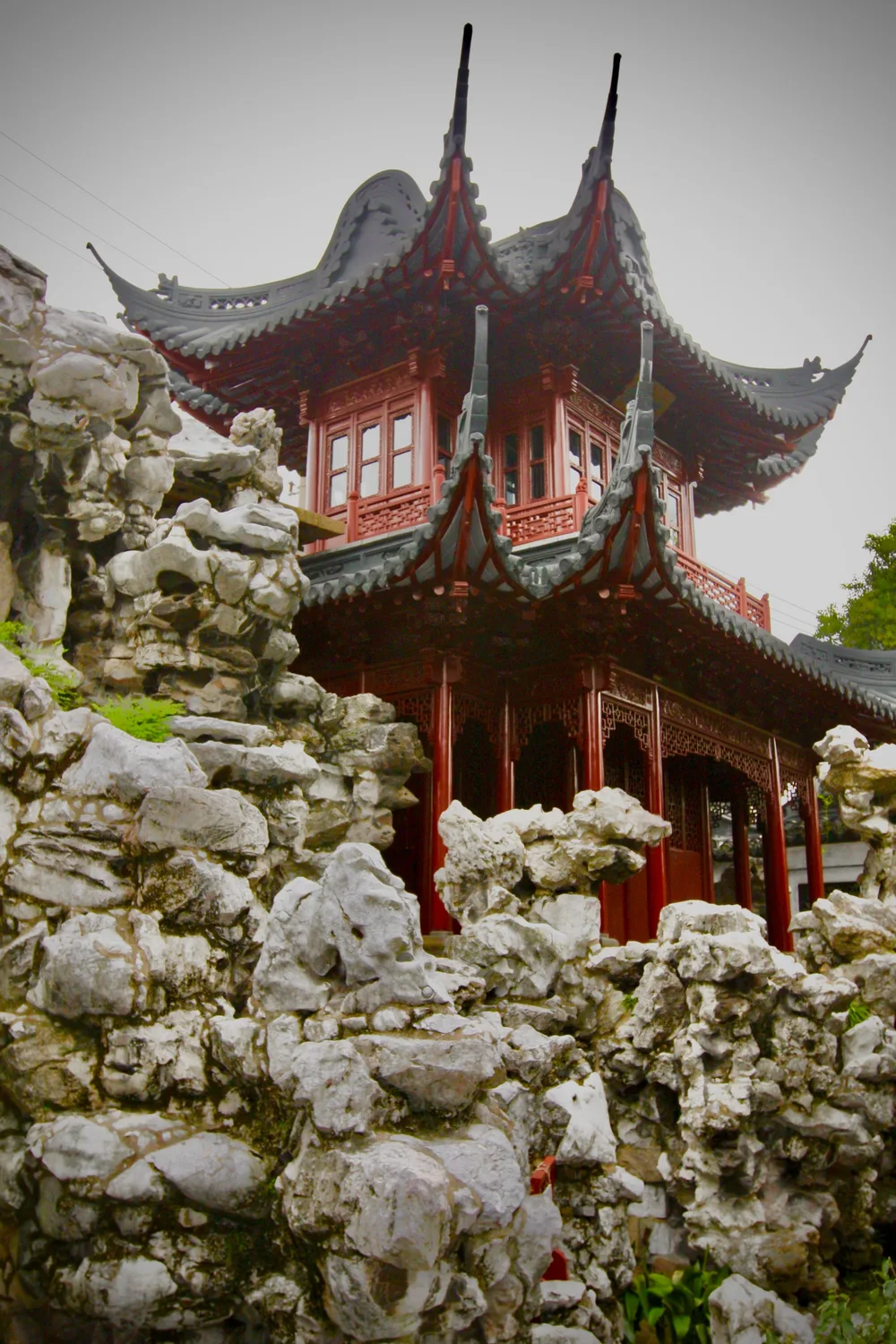
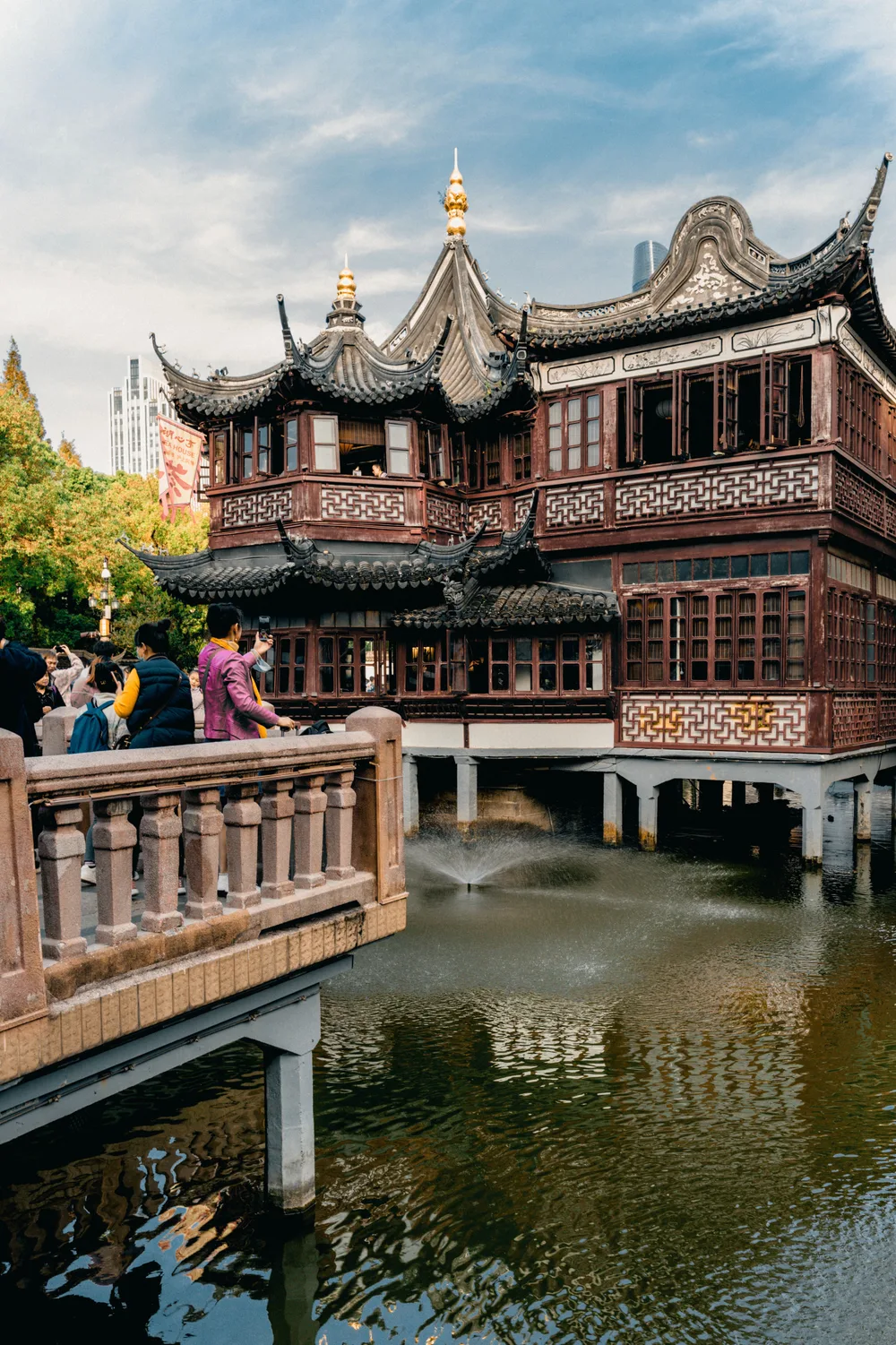
Over 400 years of history in a private Jiangnan-style garden, built by a Ming-dynasty official as a gift for his parents. Its name means “garden of happiness and tranquillity” — one stroll among its ponds and ornamental rocks is enough to see why.
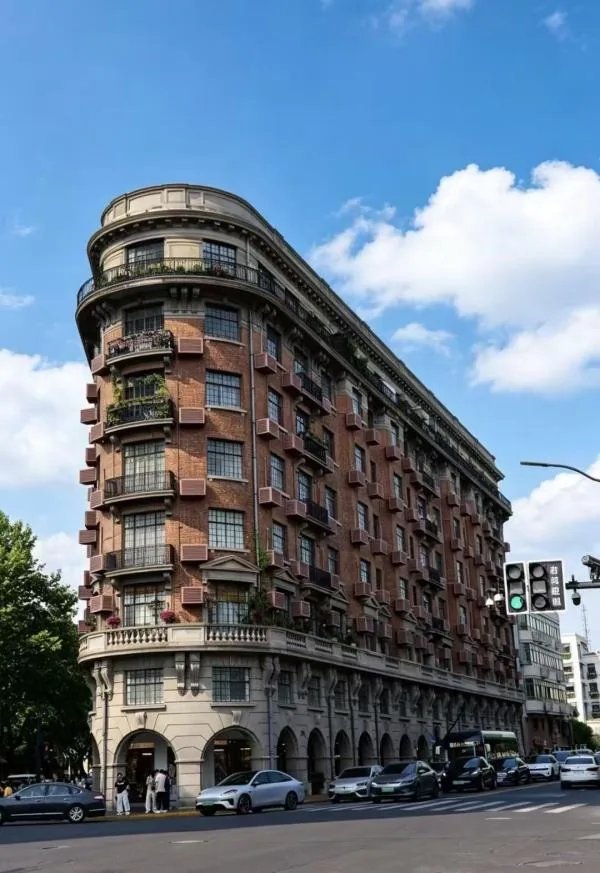
Shanghai's most elegant and least-known face: plane-tree-lined streets, old European mansions and charming cafés, in a neighbourhood that embodies the “Haipai” style — the unique fusion of local culture and international influence that defines the city's soul.
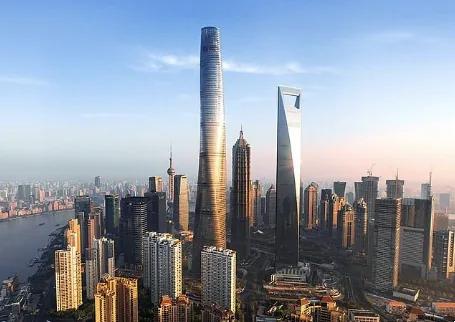
One of the tallest buildings in the world offers, from its observation deck, a 360° view over the entire city. At sunset, the spectacle is twofold: the setting sun, and the moment Shanghai lights up with millions of city lights.
Day 20 — Shanghai: free day / shopping and trip wind-down
A closing day with no fixed activities, to rest after 19 days on the road or to spend on shopping (Nanjing Road, Xintiandi) or an additional optional excursion (the water town of Zhujiajiao, Shanghai Disneyland, or a spa extension). It can be swapped for any tailor-made experience — this is precisely the kind of day that gives meaning to the “Premium” label.
Day 21 — Departure
Transfer to Shanghai Pudong International Airport. Journey's end — until the next adventure.