China
Shanghai Travel Guide — The Bund, Shanghai Tower & Private Tours
Where 1920s colonial Shanghai sits, just across the street, alongside Asia's most cutting-edge skyscrapers.
Where 1920s colonial Shanghai sits, just across the street, alongside Asia's most cutting-edge skyscrapers.
Shanghai is the city where a colonial past and a dizzying future share the same riverbank, separated by little more than a few metres of water and a century of history.
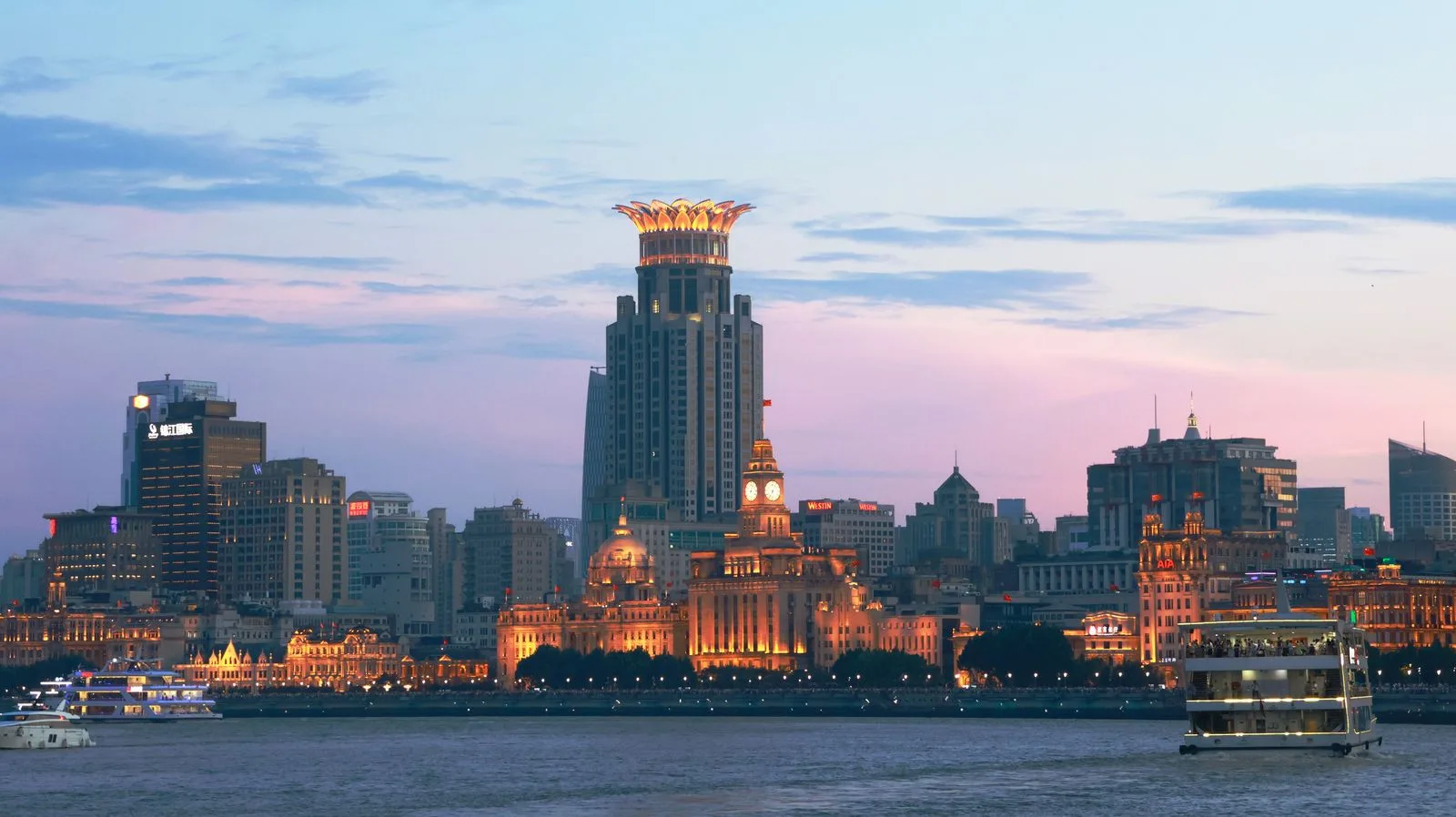
On one side of the Huangpu River, the Bund unfolds more than twenty distinct architectural styles, a legacy of the era when Shanghai was known as "the Paris of the East." On the other side, the Pudong district raises some of the tallest and boldest skyscrapers on the planet, with the Shanghai Tower crowning a skyline that looks straight out of a science-fiction film.
That duality is precisely what makes Shanghai an irresistible destination: classical Ming-dynasty gardens just steps from luxury shopping malls, steaming xiaolongbao served at street stalls and in Michelin-starred restaurants alike, and an unstoppable urban pulse that makes the city the perfect gateway to contemporary China.
Shanghai began as a small fishing and textile village that grew thanks to its strategic position as a port. Its true leap into modernity came in 1842, when the Treaty of Nanjing, which ended the First Opium War, forced China to open the city to foreign trade.
From then on, foreign powers established concessions along the Huangpu River — the International Settlement and the French Concession — and during the 1920s and 1930s the city lived its heyday as Asia's cosmopolitan epicentre, earning the nickname "the Paris of the East." The founding of the People's Republic of China in 1949 brought that era of foreign concessions to an end.
Shanghai's modern rebirth began in 1990, when the Pudong district was declared a new economic development zone. In just a few decades, that largely agricultural land was transformed into one of the world's most striking skylines, crowned in 2015 by the Shanghai Tower, the second-tallest building on the planet.
A selection no Viavora itinerary ever skips.
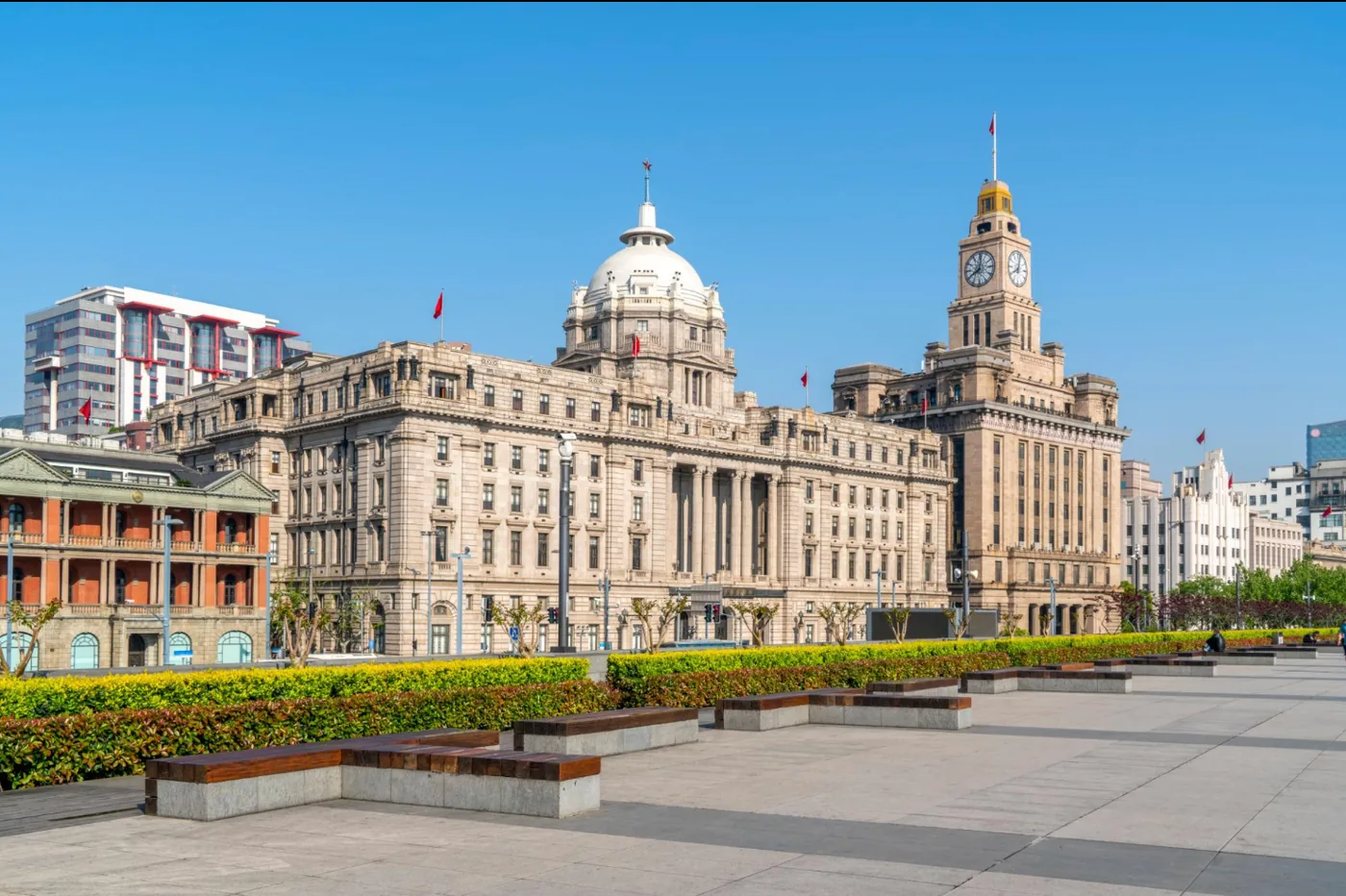
This historic promenade along the Huangpu River brings together more than twenty distinct architectural styles, from Art Deco to neoclassical, a legacy of the decades when Shanghai was an international port under foreign concessions. Its stone buildings, former banks and European consulates contrast spectacularly with the futuristic skyscrapers of Pudong across the river, offering the most iconic view in all of Shanghai — especially at dusk, when both banks light up at once.
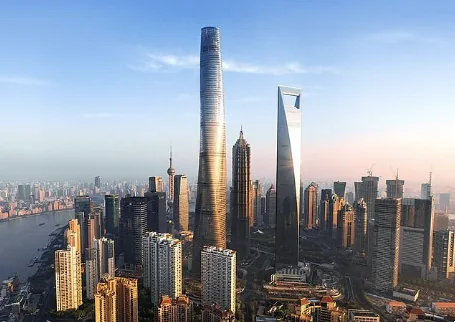
With an observation deck more than 546 metres up, it is the second-tallest building in the world and an engineering feat evident from its silhouette alone, twisted 120 degrees along its own axis to reduce wind resistance in a typhoon-prone area. Its elevator, one of the fastest on the planet, reaches the observation deck in under a minute, offering from there a panorama of the entire Yangtze River Delta that sums up, in a single glance, the sheer scale of contemporary Shanghai.
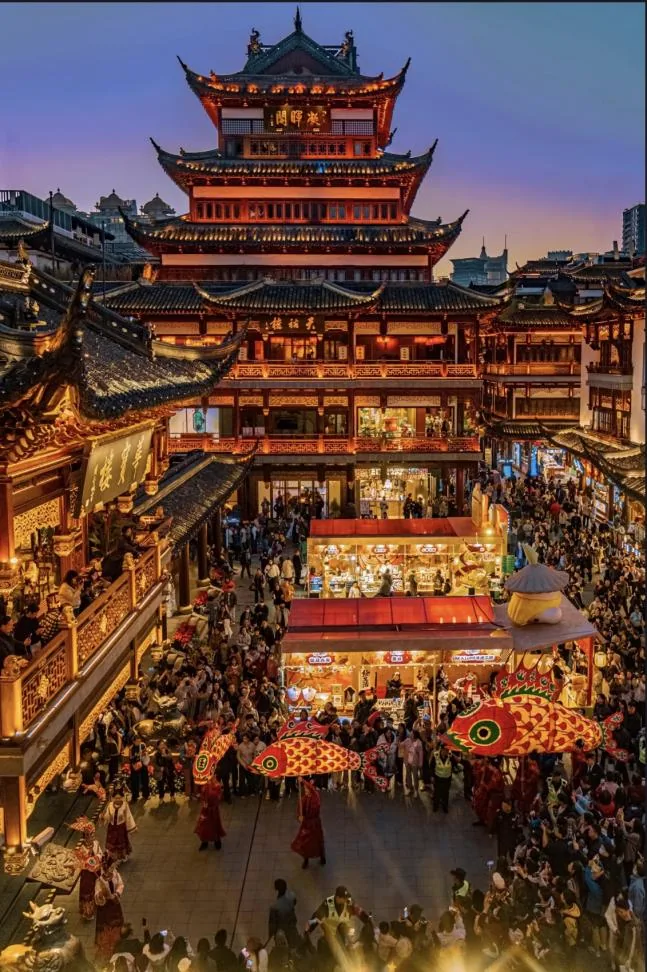
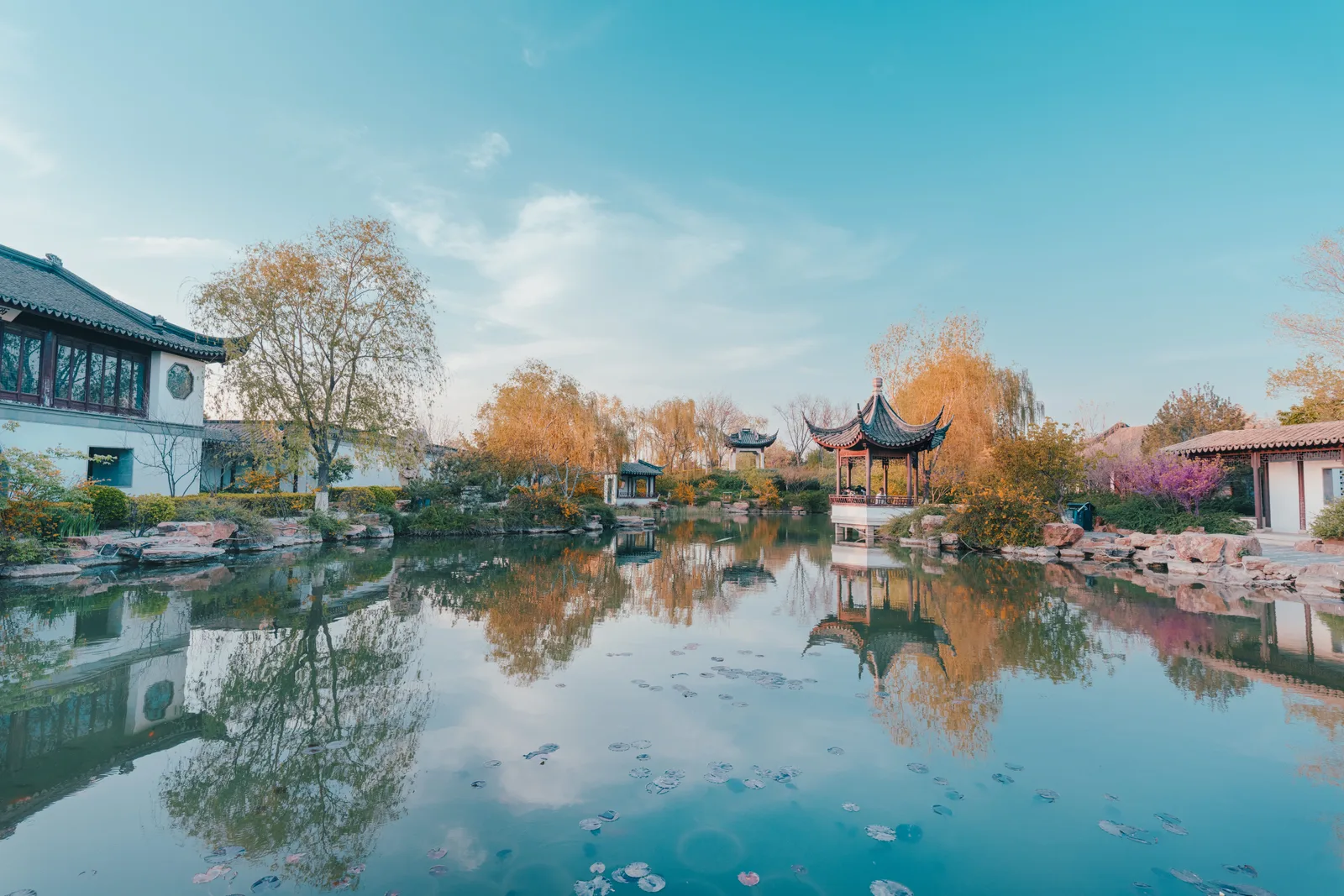
A classical Ming-dynasty garden, built in the 16th century by a high official to please his father in his retirement years, right in the heart of the city. Its pavilions, koi ponds and limestone rockeries sculpted by natural erosion offer a haven of calm amid the surrounding bustle, and its design — which plays with perspective and winding paths to make the space feel far larger than it really is — perfectly exemplifies classical Chinese landscape art.
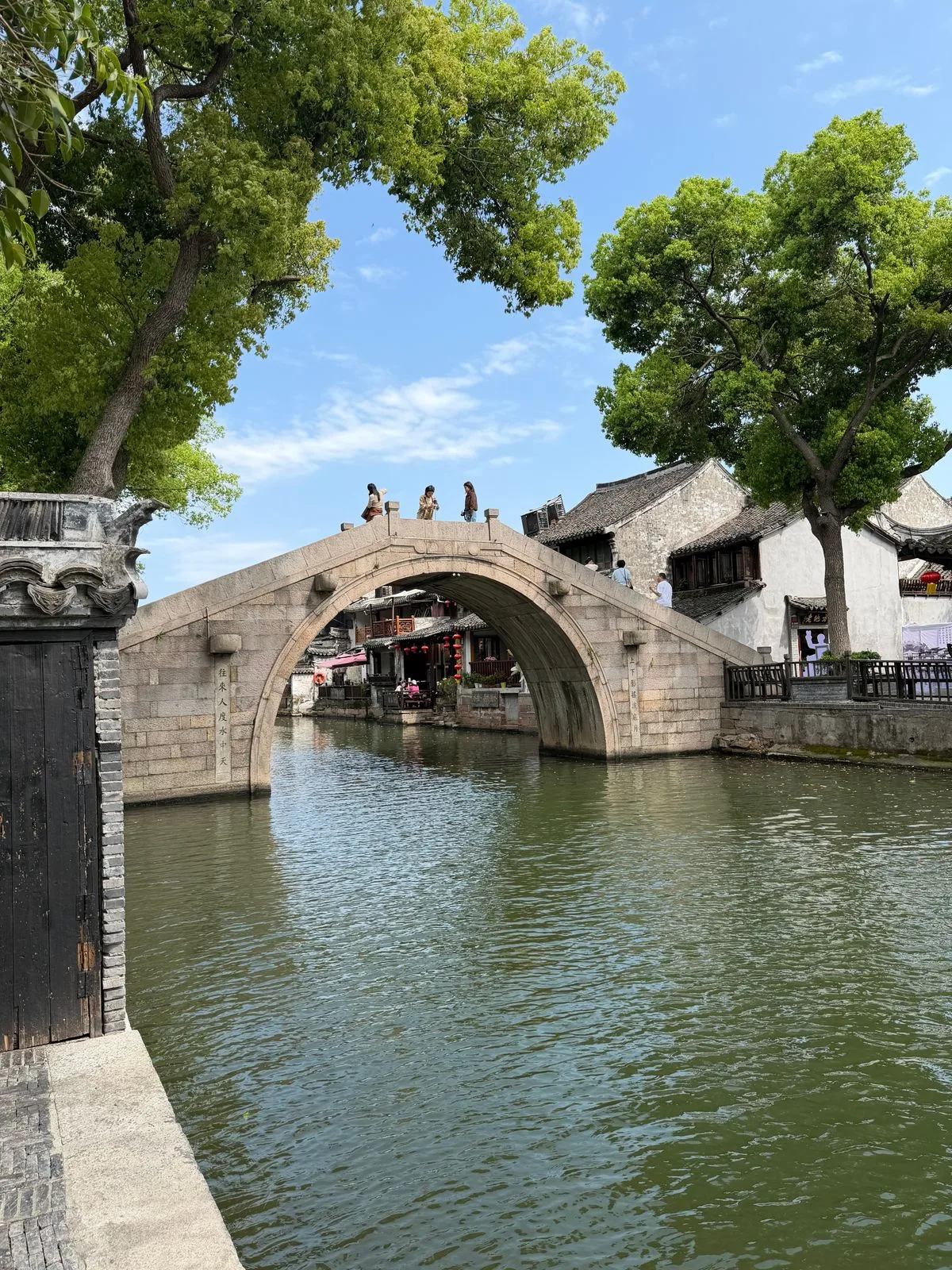
Known as "the Venice of Shanghai," this charming canal town, with over 1,700 years of history and 36 stone bridges crossing its waterways, has preserved a traditional village atmosphere barely an hour from the centre of the metropolis. Strolling along its canals, crossing the 16th-century Fangsheng Bridge, or sailing on one of its wooden boats makes for the perfect day trip to escape Shanghai's frenetic pace without straying too far.
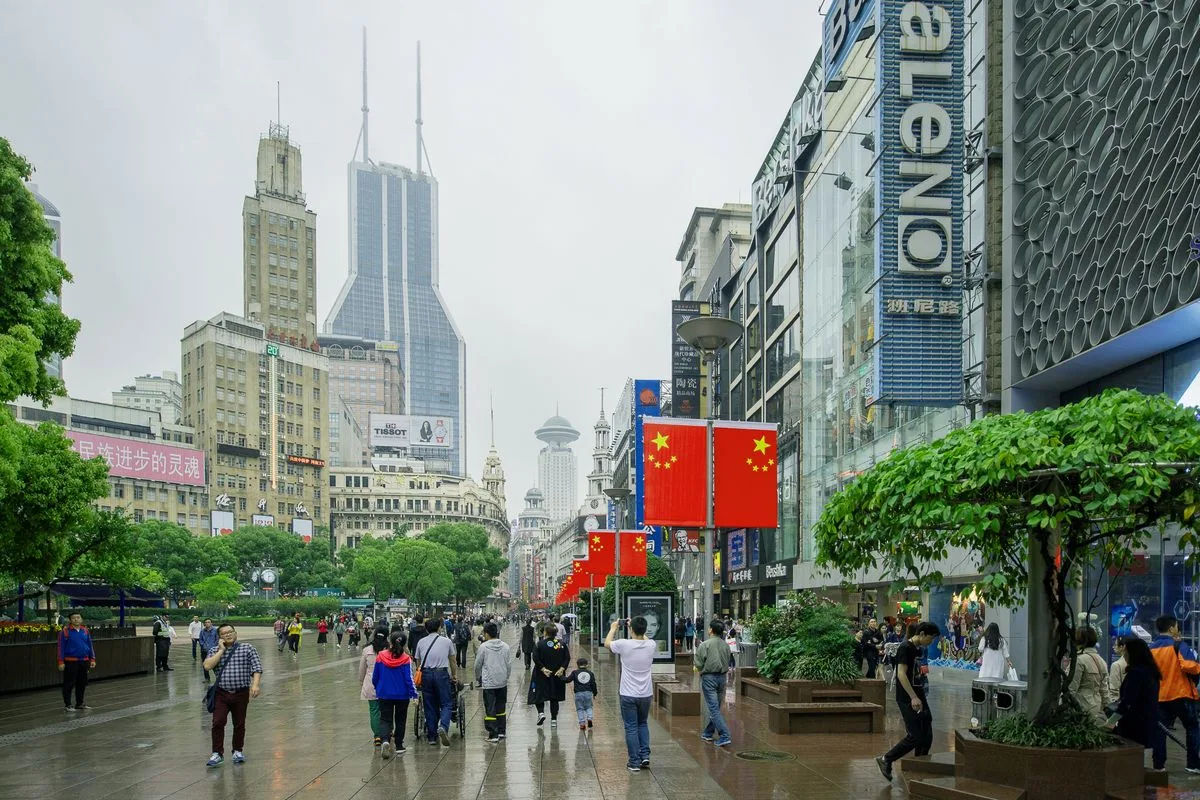
The city's great commercial artery, with over a century of history as Shanghai's main shopping street, is today the best showcase of contemporary Shanghai, with its neon lights, century-old department stores and the ceaseless flow of local shoppers and tourists. Its pedestrian stretch, running several kilometres to end near the Bund, sums up in a single walk the commercial energy that has defined the city since it became an international port in the 19th century.
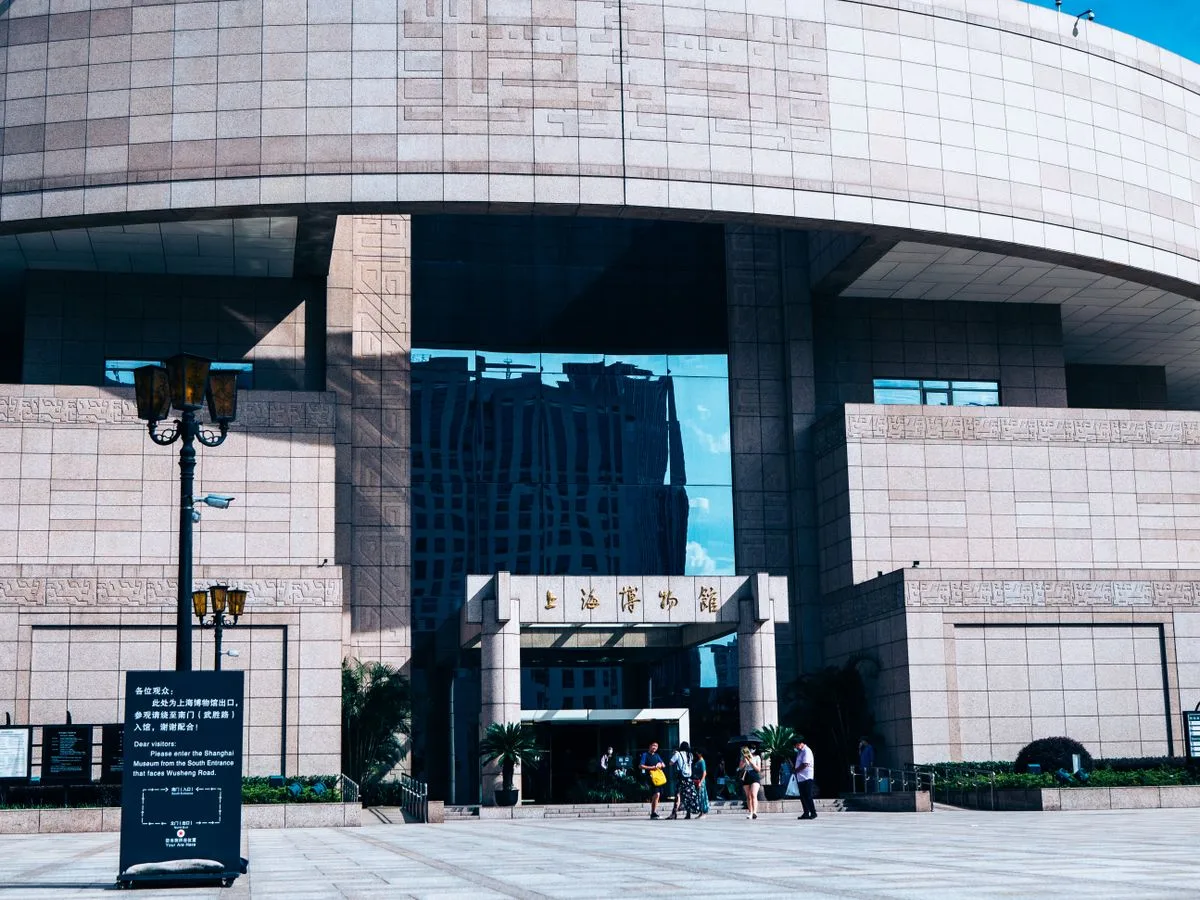
One of the most complete collections of Chinese art and antiquities in the country, housed in a building whose circular floor plan evokes an ancient ritual bronze vessel, round on top and square below, a traditional symbol of heaven and earth. Its galleries bring together bronzes, ceramics, jade, calligraphy and painting spanning thousands of years of Chinese history, including one of the finest collections of antique porcelain to be seen outside Beijing.
The Bund brings together buildings in more than twenty distinct architectural styles, from Art Deco to neoclassical, along barely a mile and a half of promenade.
The façade of the Shanghai Tower twists 120 degrees as it rises, a uniquely engineered solution designed to reduce wind resistance.
Shanghai is home to the busiest container port on the planet, a quiet engine of global trade.
The famous xiaolongbao, those soup-filled dumplings now eaten around the world, were invented in the Shanghai region.
The city has the world's most extensive metro system by total track length.
During the 1920s and 1930s, Shanghai was known as "the Paris of the East" for its cosmopolitan atmosphere and nightlife unmatched anywhere else in Asia.
A private guide, handpicked hotels and skip-the-line access to every one of these sites.
Shanghai is the perfect finale to any of our China circuits.