China
Beijing Travel Guide — Forbidden City, Great Wall & Private Tours
The capital of millennia-old dynasties: the political and cultural heart of China for over 800 years, where the Forbidden City and the Great Wall still command awe.
The capital of millennia-old dynasties: the political and cultural heart of China for over 800 years, where the Forbidden City and the Great Wall still command awe.
Beijing is more than a capital: it is the living memory of over eight hundred years of Chinese imperial history, distilled into palaces, temples and walls that still command respect.
Few cities in the world concentrate so much historical grandeur in one place. In Beijing, the Forbidden City—home to emperors for nearly five centuries—meets Tiananmen Square, the epicenter of modern China, while just outside the city, stretches of the Great Wall wind across the mountains like few human constructions ever have.
But Beijing is also a living city: centuries-old hutongs where life slows down, a food scene that ranges from humble street stalls to ceremonially served Peking duck, and a constant contrast between imperial solemnity and the energy of a metropolis that has already hosted two Olympic Games. It is, without doubt, the perfect gateway to any great journey through China.
The area where Beijing now stands has been inhabited since at least 1045 BC, when it was the seat of the ancient state of Ji. But its true leap to greatness came centuries later, in 1267, when Kublai Khan, grandson of Genghis Khan, chose to found Dadu here as the capital of the Yuan dynasty, making the city, for the first time, the center of power over all of China.
The Ming dynasty took that legacy further: between 1406 and 1420 the Forbidden City was built—the largest palace complex in the world—and in 1421 the capital was permanently moved here. Under the Ming and, later, under the Qing dynasty from 1644, Beijing cemented its role as the political, religious and cultural heart of China, a status it held almost uninterrupted for centuries.
The 20th century brought radical change: in 1949, Mao Zedong proclaimed the founding of the People's Republic of China from Tiananmen Square, marking the start of a new era. And in 2008, Beijing became the only city in the world to host both a Summer Olympics and, later in 2022, a Winter Olympics.
A selection of highlights no Viavora itinerary skips.
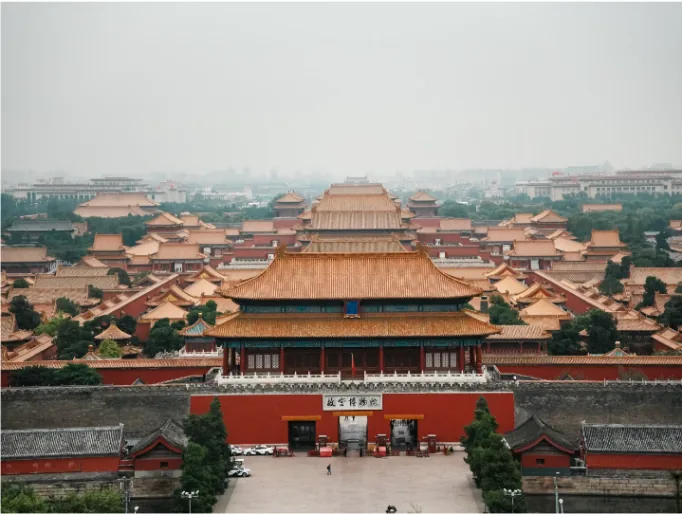
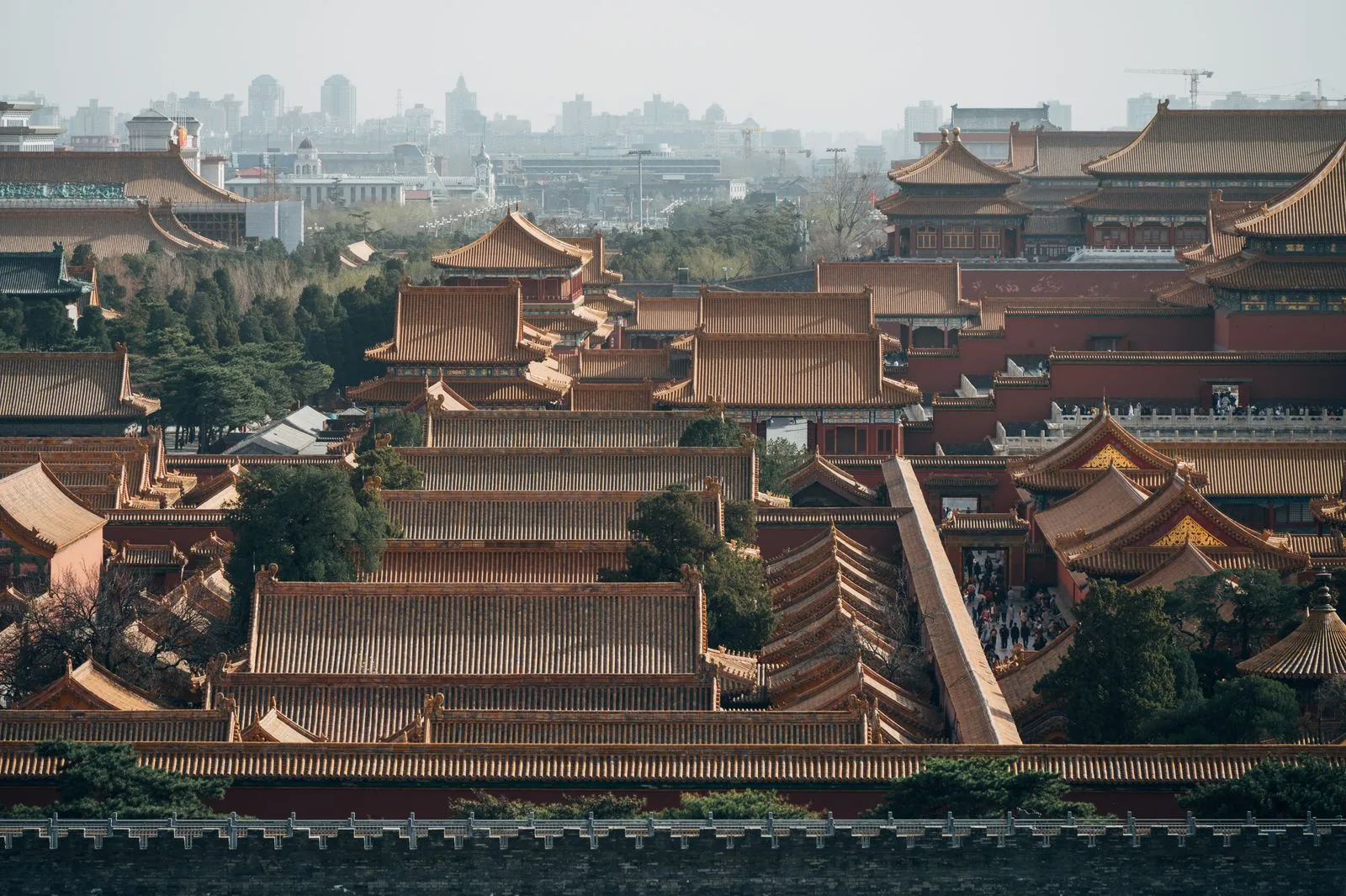
The largest imperial palace in the world, with nearly 1,000 buildings and 9,000 rooms, designated a UNESCO World Heritage Site. Built between 1406 and 1420 following strict principles of symmetry and geomancy, it was home to 24 emperors over nearly five centuries—a place so restricted to imperial power that commoners were forbidden from even approaching its walls. Walking through its courtyards, throne halls and private gardens is a journey straight to the heart of Chinese imperial power as it functioned for generations.
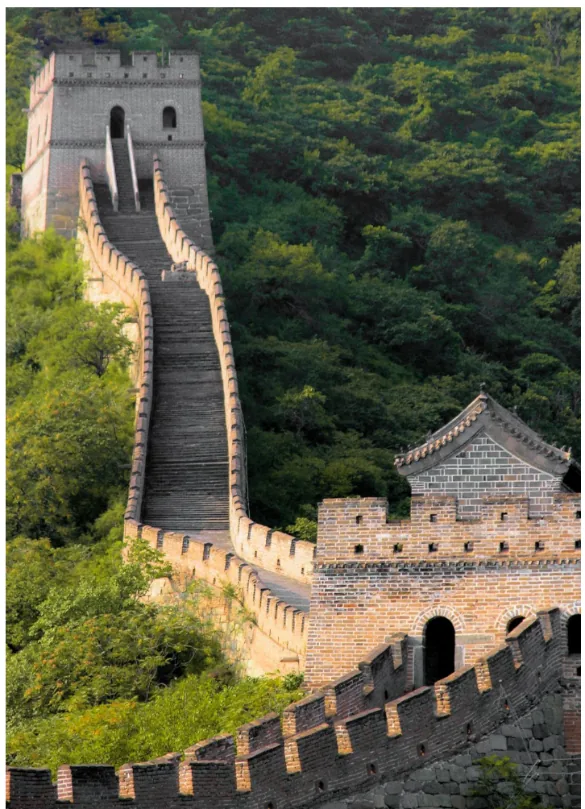
The sections at Mutianyu or Badaling, just over an hour from Beijing, offer some of the most spectacular views of this immense structure, built and extended over more than two thousand years by successive dynasties to protect the empire from invasions from the north. With over 21,000 kilometers recorded in total, the wall winds across the mountains, creating a landscape that seems almost impossible to have been built by hand. An essential excursion on any trip to China, and probably the country's most recognizable monument worldwide.
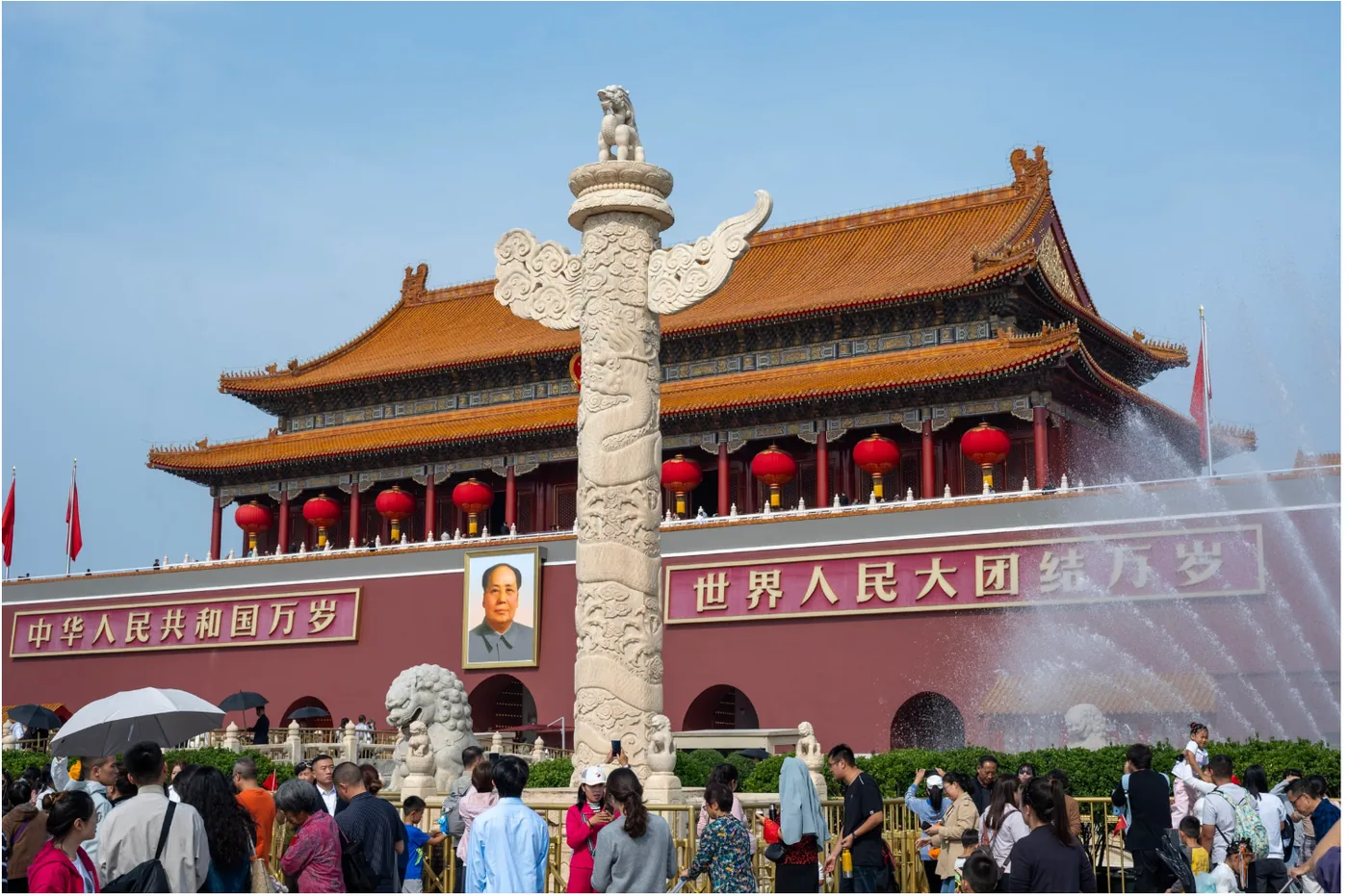
One of the largest public squares in the world, with capacity for a million people, and the stage for some of the most decisive moments in modern Chinese history, from the proclamation of the People's Republic in 1949 to student demonstrations across different eras. Surrounded by the National Museum, the Great Hall of the People and the Mausoleum of Mao Zedong, and located right at the gates of the Forbidden City, the square condenses both imperial memory and the country's more recent political history into a single space.
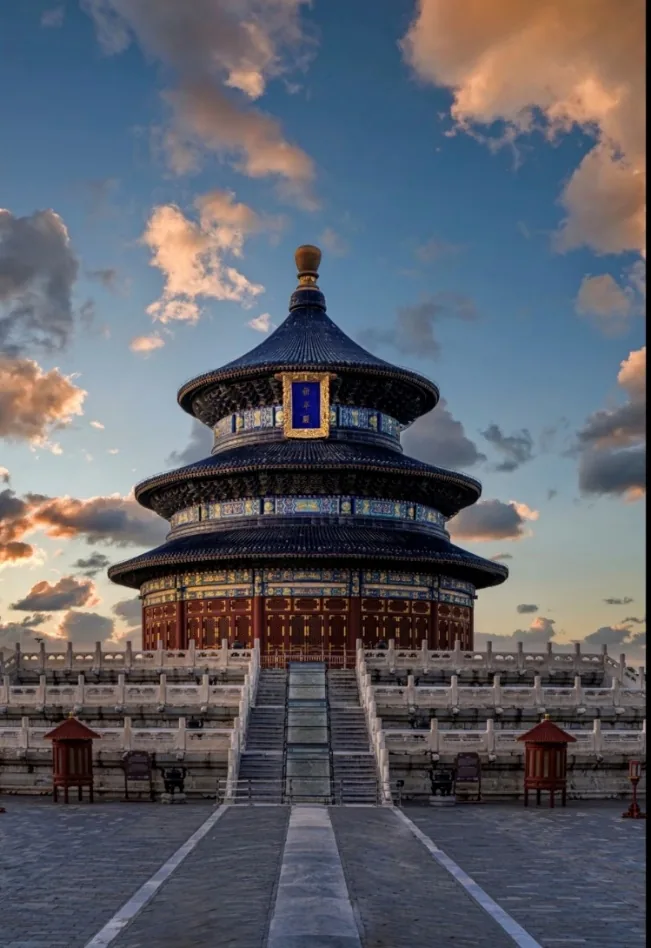
A UNESCO World Heritage Site, this religious complex where emperors prayed twice a year for good harvests impresses with its geometric precision and serene architectural beauty. Its main building, the Hall of Prayer for Good Harvests, is a circular wooden structure built without a single nail, its design symbolically representing the relationship between heaven (round) and earth (square) according to traditional Chinese cosmology—one of the most elegant architectural ensembles in all of Beijing.
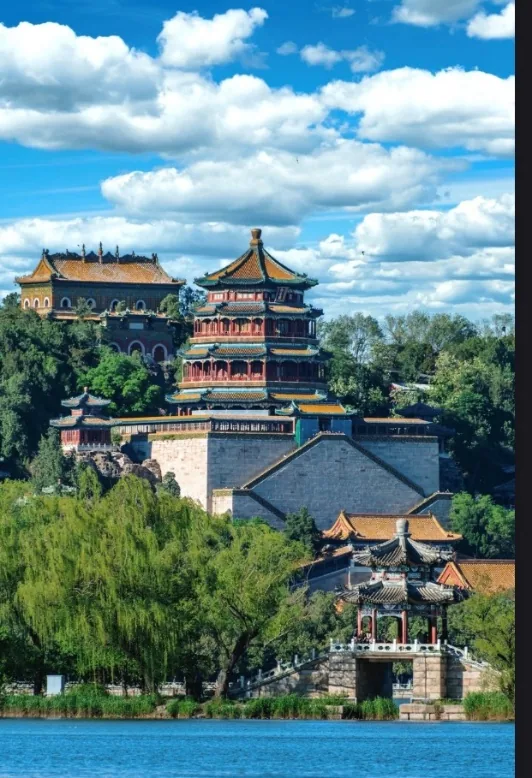
A vast complex of lakes, pavilions and imperial gardens, also a UNESCO World Heritage Site, that served as the court's summer retreat away from the bustle of the city for centuries. Dominated by the artificially excavated Kunming Lake and Longevity Hill, dotted with temples and pavilions, it is also famous for the Marble Boat, an eccentric decorative vessel built in stone, and the Long Corridor, with more than 14,000 paintings depicting Chinese legends and historical scenes.
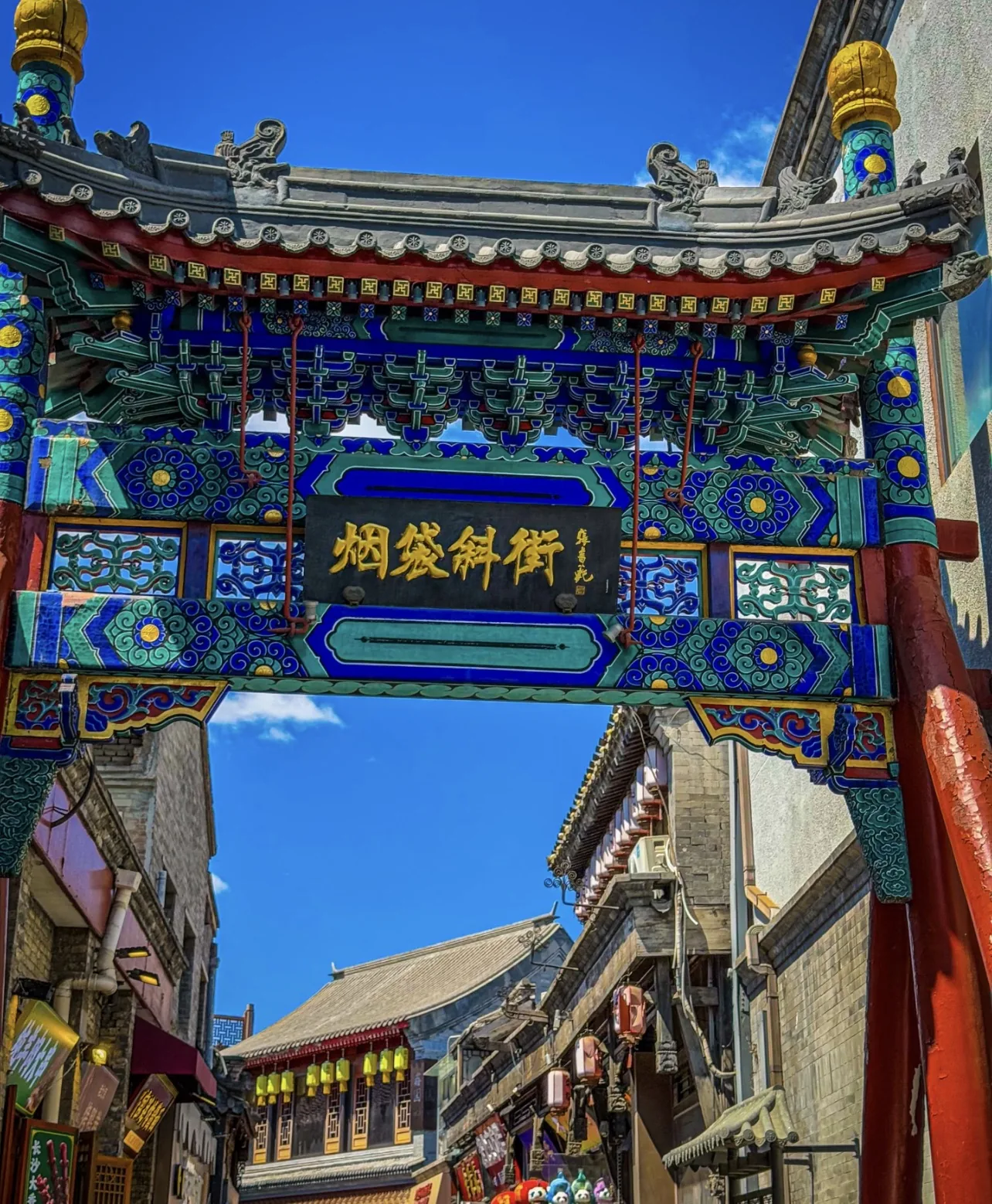
Beijing's traditional alleyways, laid out around the square siheyuan courtyards since the Yuan dynasty, are the most authentic way to experience everyday Beijing life away from the major monuments. Best explored by bicycle or traditional rickshaw, they reveal a Beijing of neighbors playing mahjong in the street, small family-run shops and vernacular architecture that contrasts sharply with the skyscrapers of the modern center—a glimpse of the city as it was before its transformation into a global metropolis.
According to tradition, the Forbidden City has 9,999.5 rooms, deliberately avoiding the perfect number of 10,000, reserved for heaven alone.
The myth that the Great Wall is visible from space with the naked eye is false, though its scale is still impressive when seen from the ground.
Beijing is the only city in the world to have hosted both a Summer Olympics, in 2008, and a Winter Olympics, in 2022.
The recipe for Peking duck has been documented for more than 600 years, and is still prepared using virtually identical techniques.
The hutongs, the city's traditional alleyways, date back to the Yuan dynasty, more than 700 years ago.
The Temple of Heaven was built with astonishing geometric and acoustic precision for its time, designed to symbolize the connection between heaven and earth.
A private guide, handpicked hotels and skip-the-line access to every one of these sites.
Beijing is the perfect gateway to any of our China circuits.