China
Guilin Travel Guide — Li River, Karst Mountains & Private Tours
The landscape that has inspired Chinese painting for over a thousand years — and that literally appears on the 20-yuan banknote.
The landscape that has inspired Chinese painting for over a thousand years — and that literally appears on the 20-yuan banknote.
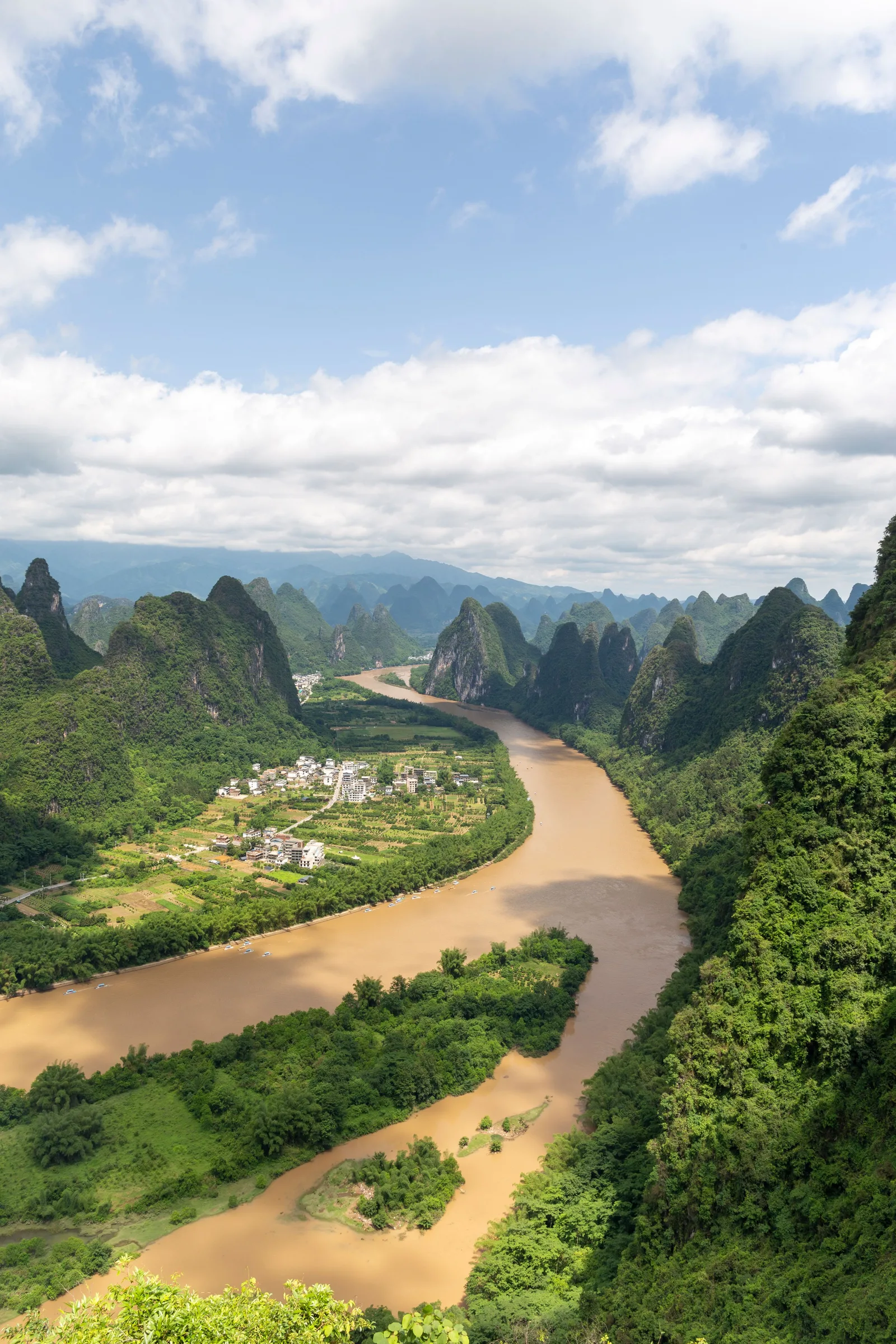
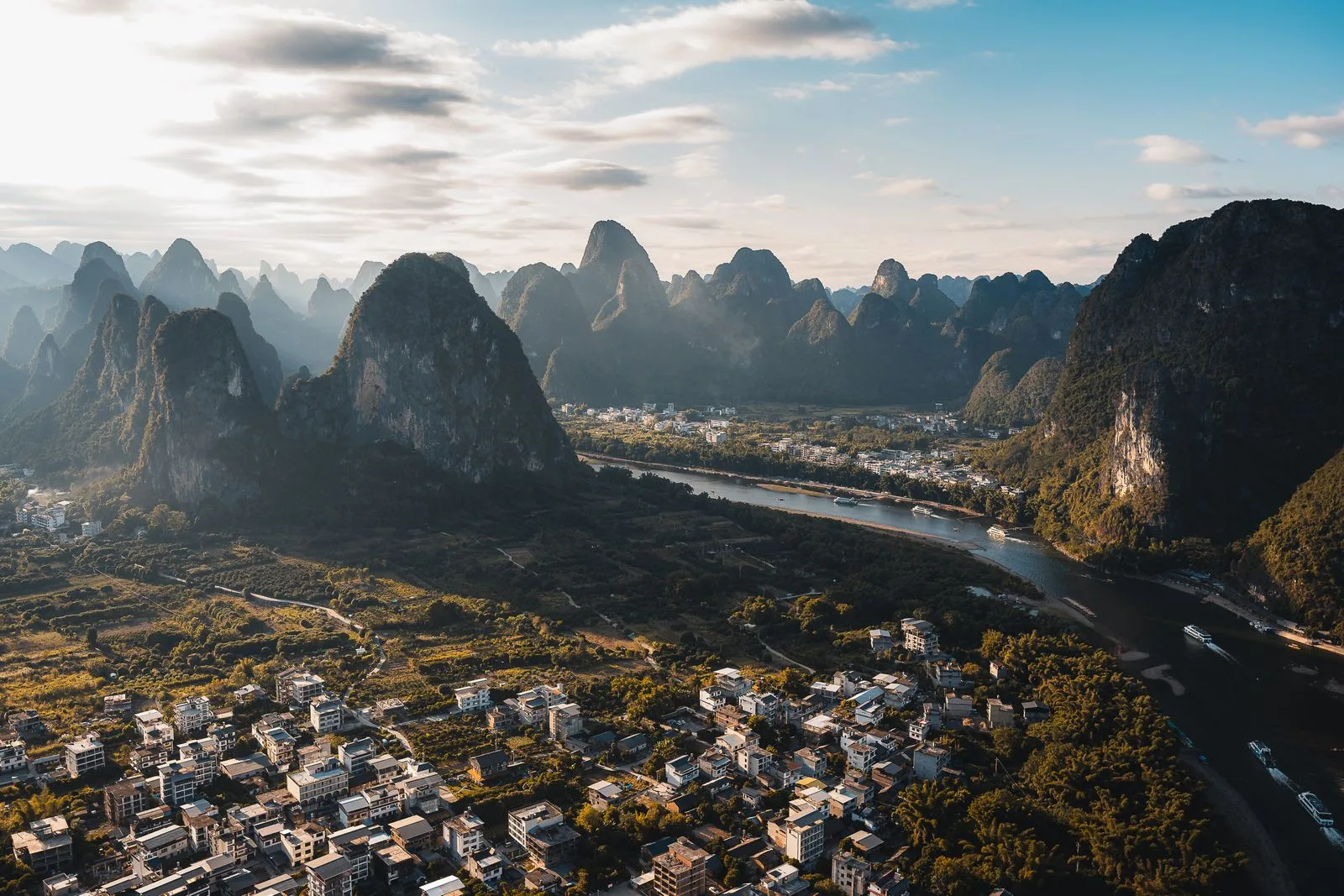
Guilin isn't described, it's recognised. Its karst peaks, wrapped in mist over the waters of the Li River, are the image generations of Chinese masters have painted for centuries — and seeing it with your own eyes today still feels almost unreal.
Set in the Guangxi Zhuang Autonomous Region, Guilin is China's landscape destination par excellence, a place where hundreds of limestone peaks rise abruptly above rice fields and calm waters, creating a scene that looks straight out of a traditional scroll painting. It's no coincidence: for over a thousand years this landscape has been one of the greatest sources of inspiration for Chinese art, and its fame reaches so far that it appears on the country's 20-yuan banknote.
A cruise down the Li River, a sunrise over the Longji rice terraces, or a walk through its limestone caves is enough to understand why, for eight centuries, the Chinese have repeated the same saying: Guilin's scenery is the finest under heaven.
Guilin was founded more than 2,000 years ago during the Qin dynasty, its name meaning "forest of sweet osmanthus," in honour of the fragrant trees that still perfume the city each autumn. In 214 BC, one of ancient China's great feats of engineering, the Lingqu Canal, was built here, connecting the Yangtze and Pearl River basins and turning Guilin into a strategic crossroads for trade and military routes.
For centuries, the city served as the provincial capital of Guangxi, cementing its administrative and cultural role in southern China. But it was its landscape, more than its political history, that ultimately defined it: generations of Chinese painters and poets travelled here to depict its karst mountains, and that artistic legacy remains one of the country's most recognisable hallmarks today.
In recent decades, Guilin has established itself as one of China's most iconic landscape destinations, its natural surroundings protected and declared of national interest, drawing a steady stream of travellers captivated by the same scenery that enchanted artists a thousand years ago.
A selection no Viavora itinerary ever skips.
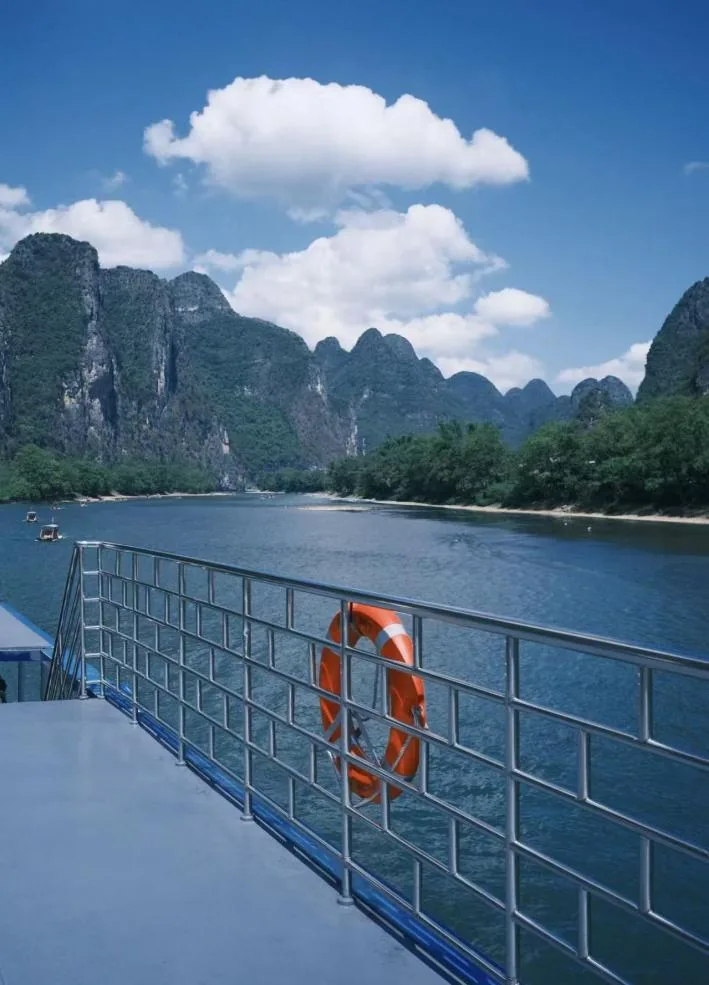
The boat journey between Guilin and Yangshuo is the defining experience of the region: nearly four hours sailing among karst peaks that rise abruptly from the water, fishing villages with trained cormorants, and the very scenery that has featured in countless Chinese ink paintings over the centuries. This same landscape, considered for generations the most beautiful in all of China, is in fact depicted on the 20-yuan banknote — one more reason to see it in person.
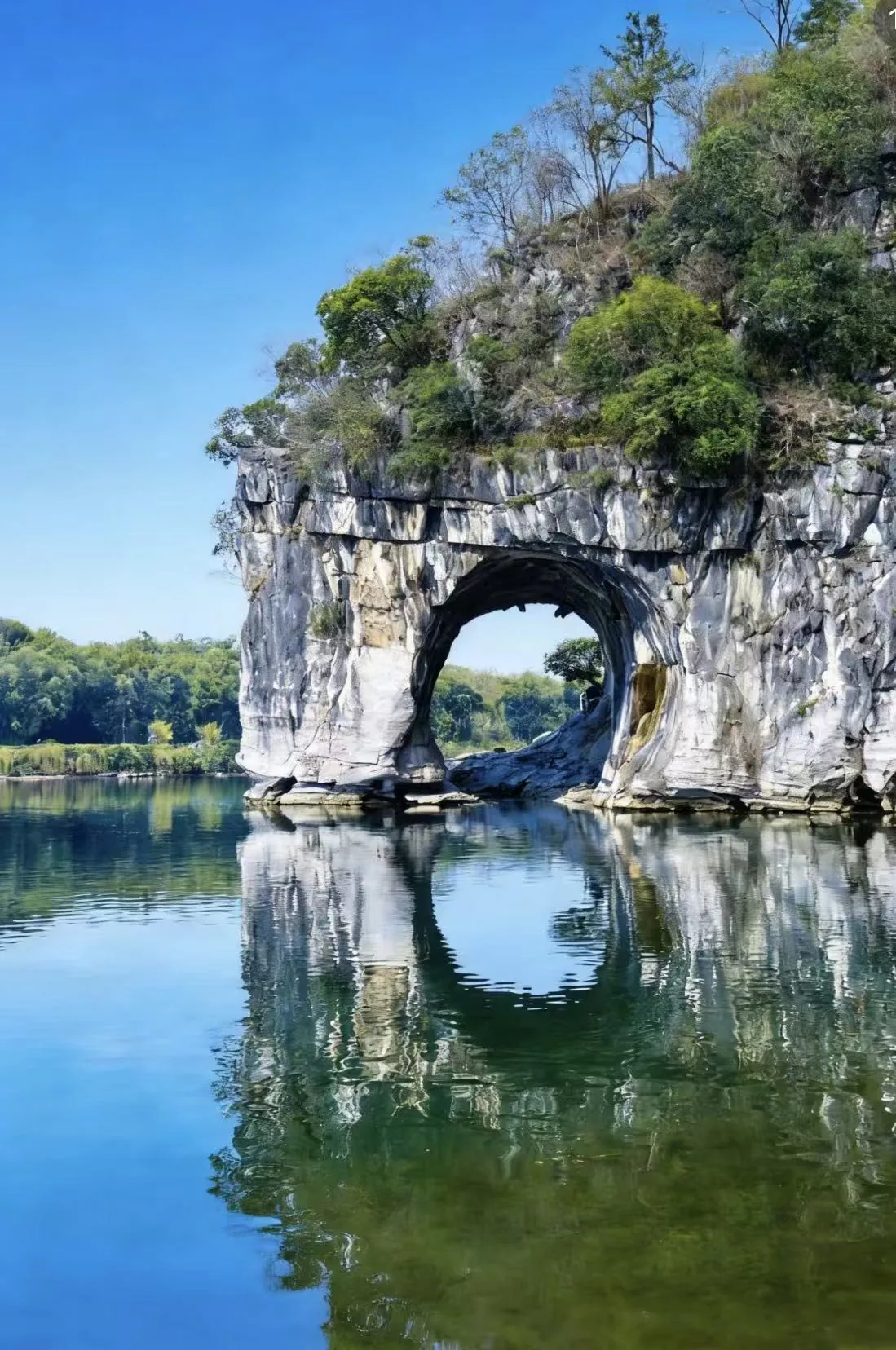
With its distinctive natural arch, shaped by water erosion over millennia, resembling an elephant dipping its trunk into the Li River, this is the city's quintessential symbol and one of the most photographed viewpoints in China. Set at the confluence of the Li and Taohua rivers, the hill offers different views depending on the time of day, and at dawn, with mist still hovering over the water, it delivers one of the most evocative scenes in all of southern China.
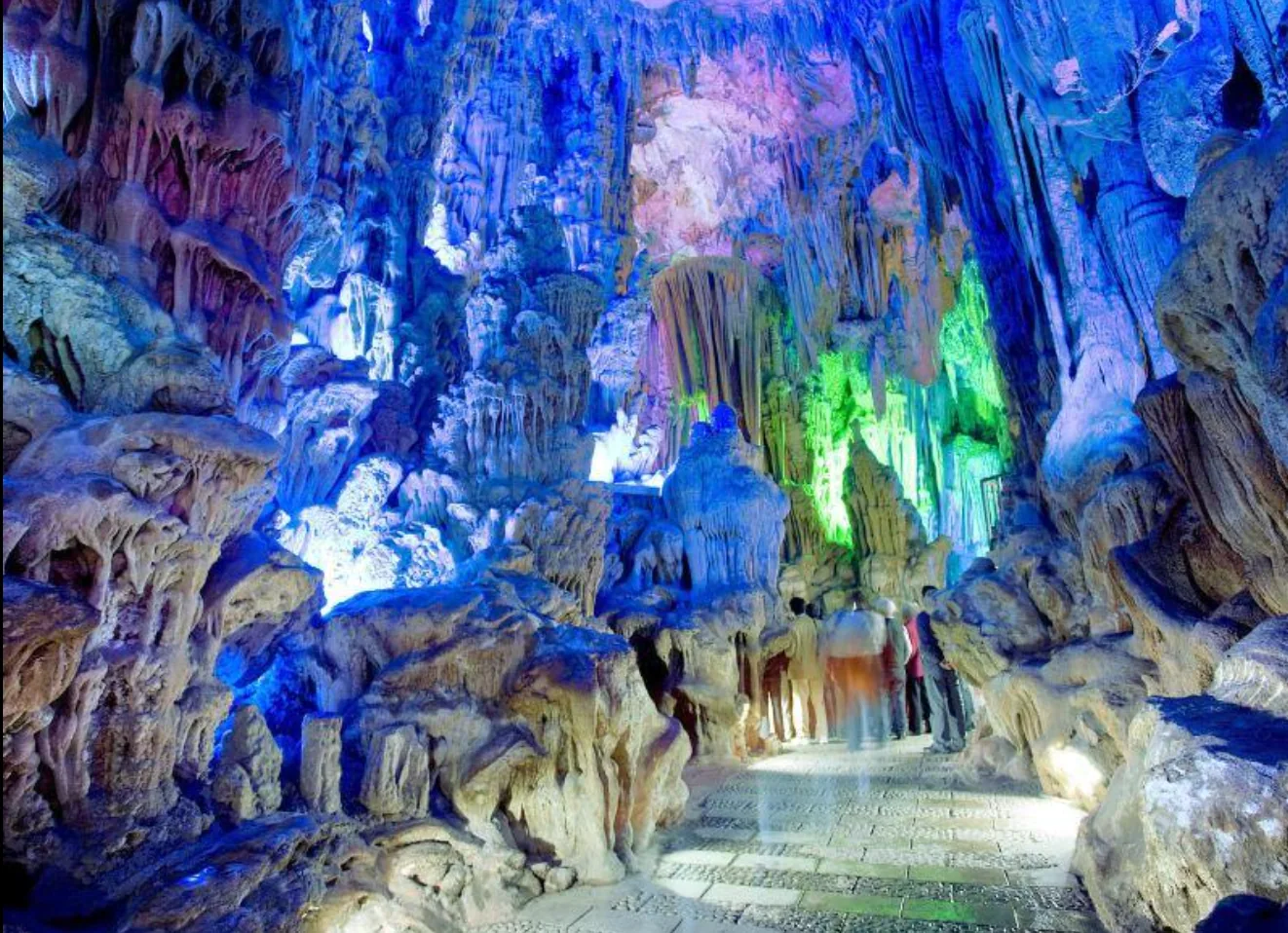
A limestone cavern with over 240 million years of geological history, lit with coloured lights that highlight its stalactite and stalagmite formations, considered one of the most beautiful caves in southern China. Its name comes from a type of reed that once grew at its entrance, used by locals to make flutes, and its walls still bear inscriptions from poets and travellers dating back more than 1,200 years.
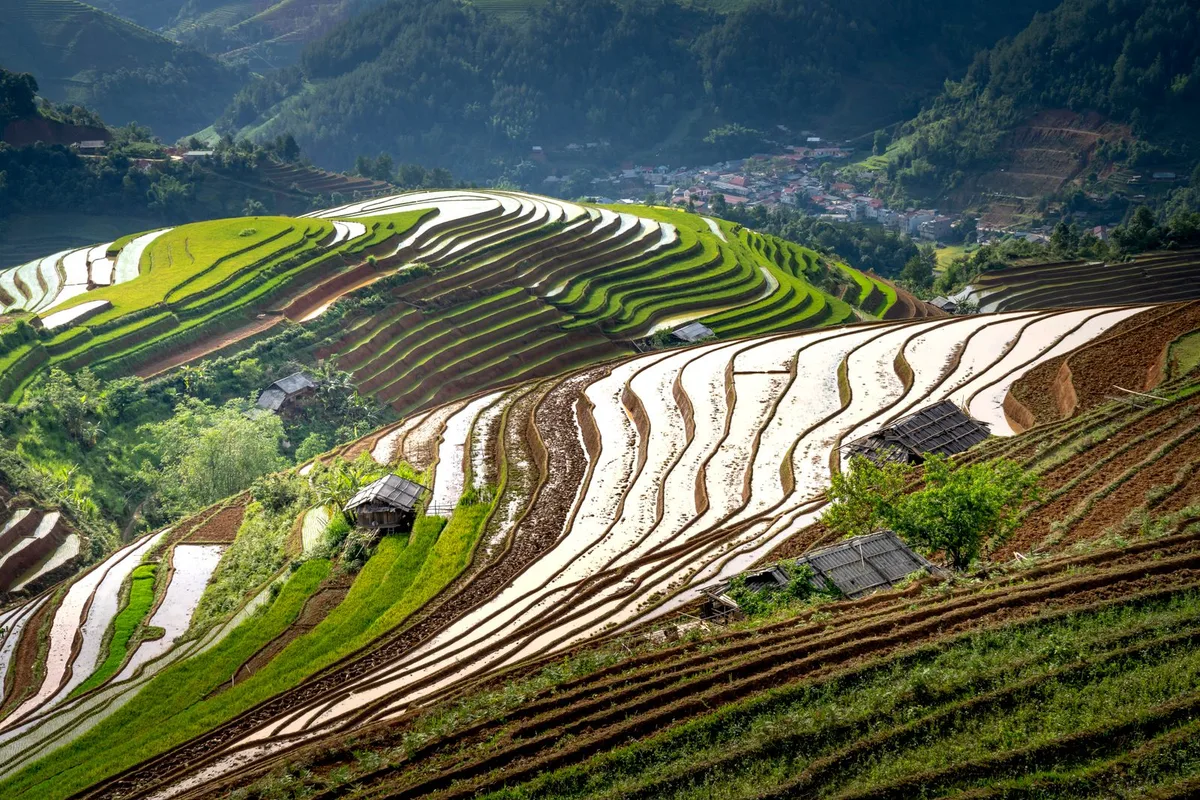
Terraced fields hand-carved into the mountainside since the Yuan dynasty, over 650 years ago, by the Zhuang and Yao ethnic groups who still live in the area. Known as the "dragon's backbone" for their sinuous shape, they change colour with the seasons — deep green in summer, golden at the autumn harvest, silver when flooded before planting — offering some of the most spectacular views in the country, especially at sunrise.
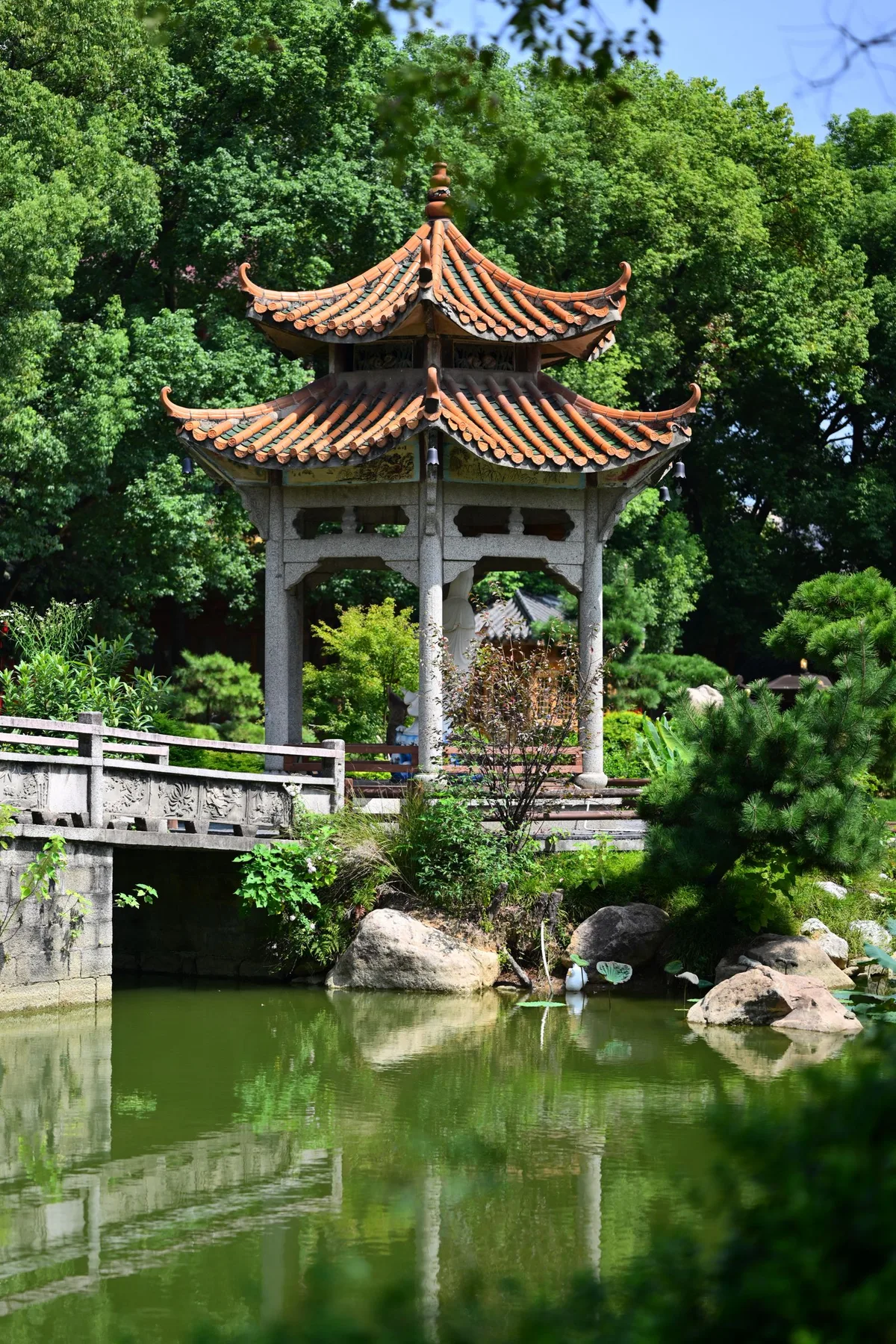
One of Guilin's oldest and largest parks, with over a thousand years of history as a leisure ground, formed by seven hills that legend says echo the arrangement of the stars of the Big Dipper. Its hills, natural caves and traditional stone bridges invite a peaceful stroll right in the city centre, away from the bustle, and it also preserves Buddhist inscriptions carved into rock of great historical value.
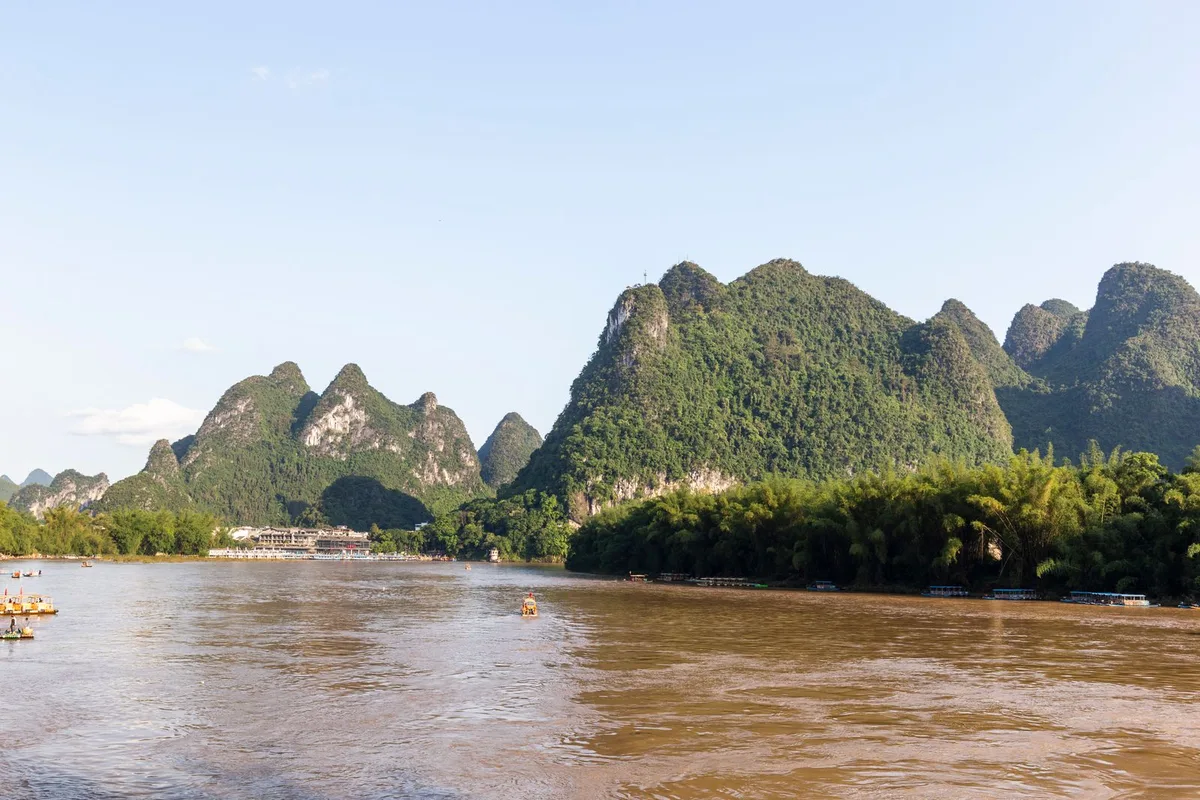
The highest peak in the Guilin area, reachable by cable car, with panoramic views over the forest of karst peaks surrounding the city that stretches to the horizon as far as the eye can see. It's the perfect place to grasp the scale of the landscape that has made the region famous the world over, especially at sunset, when thousands of peaks are silhouetted against a sky tinged orange and pink.
The Li River landscape appears on China's 20-yuan banknote — one of the few natural landscapes, rather than monuments, to feature on the country's currency.
The Chinese saying "Guilin's scenery is the finest under heaven" (桂林山水甲天下) is over 800 years old and is still repeated today.
The region's spectacular karst mountains formed over millions of years through the erosion of an ancient seabed.
The Longji rice terraces have been cultivated continuously since the Yuan dynasty, over 650 years ago.
Guilin also lends its name to a local spirit, "sanhua jiu," which has been produced in the region for over a thousand years.
The karst landscapes around Guilin are the world-reference example of "tower karst" terrain, studied by geologists from around the globe.
A private guide, handpicked hotels and the best stretch of the Li River reserved just for you.
Guilin is one of the essential stops on our China Grand Tour.