China
Chengdu Travel Guide — Giant Pandas, Sichuan Cuisine & Private Tours
China's most laid-back city, home to giant pandas and the birthplace of the country's spiciest, most addictive cuisine.
China's most laid-back city, home to giant pandas and the birthplace of the country's spiciest, most addictive cuisine.
Chengdu is the city where China slows down: giant pandas, century-old teahouses and a Sichuan cuisine as spicy as it is addictive set a rhythm all its own, unlike any other major city in the country.
Few animals inspire as much universal affection as the giant panda, and there's no better place in the world to see them up close than Chengdu, the unofficial panda capital of the world. But the city offers far more than its famous black-and-white residents: it is one of China's oldest cities, with more than 2,500 years of continuous history under the same name and in the same location — a claim no other major Chinese city can make.
Its cuisine, famed for the intoxicating heat of Sichuan pepper, its historic alleyways such as Kuanzhai Xiangzi, and the Sichuan opera with its celebrated "face-changing" act — a millennium-old technique kept as a state secret round out an experience that blends tradition, nature and a pace of life that invites you to stay more than a single day.
Chengdu is one of China's oldest cities, capital of the ancient kingdom of Shu more than 2,500 years ago. It is also a singular case within the country: it has kept the same name and the same geographic location for over two millennia, something no other major Chinese city can claim with such continuity.
The city was absorbed into the unified empire under the Qin dynasty in 316 BC, and over the following centuries it established itself as an important cultural and economic centre of western China. During the Tang dynasty, Chengdu enjoyed a period of remarkable cultural splendour: the great poet Du Fu, one of the most revered figures in Chinese literature, lived here beside the river in a modest bamboo cottage that is today a museum dedicated to his memory.
In the 20th century, Chengdu became established as the industrial and cultural hub of the Sichuan region, and today it is an economic and technological engine for western China. But above all, it remains the unofficial giant panda capital of the world, a title that has made the city an essential destination for nature lovers.
A selection of what no Viavora itinerary skips.
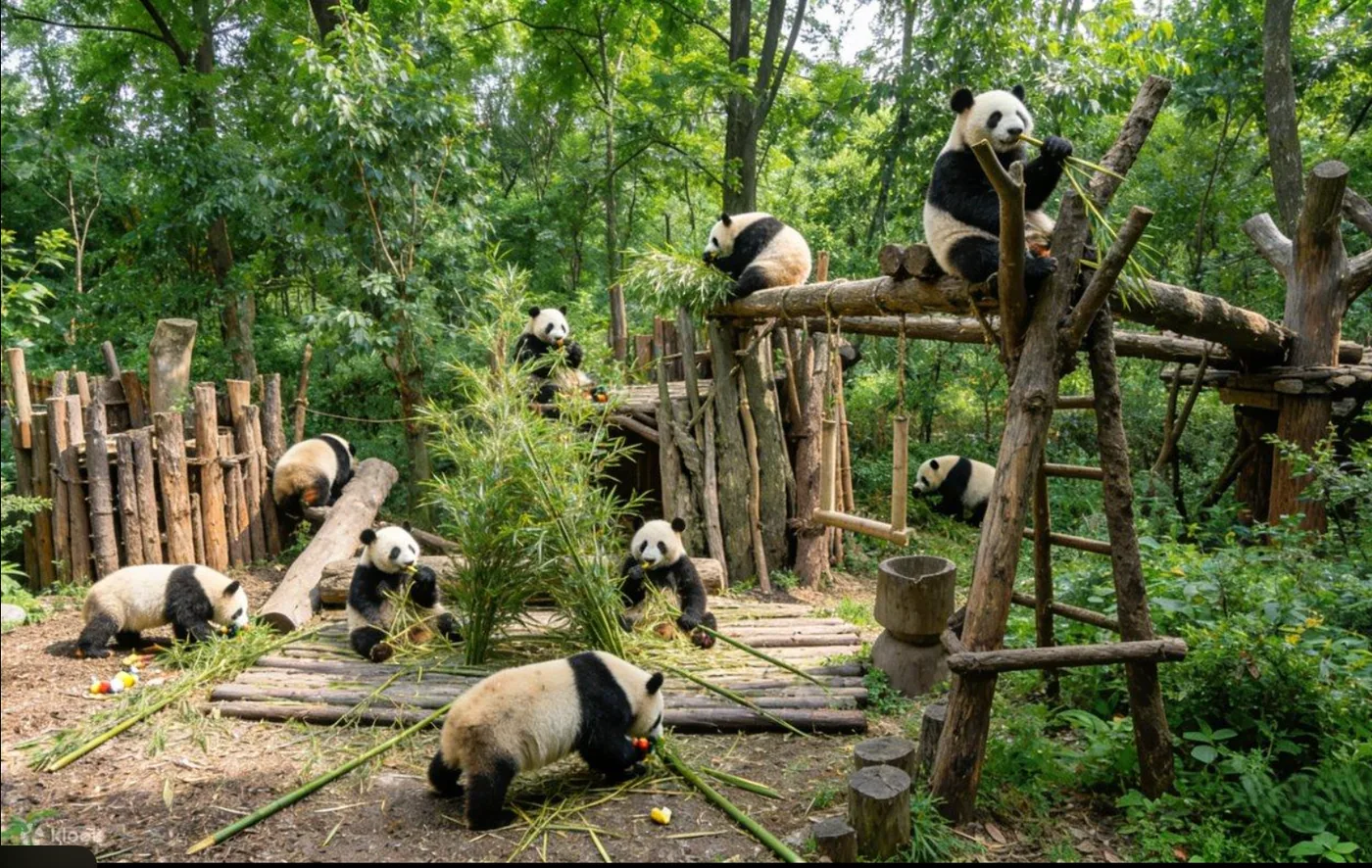
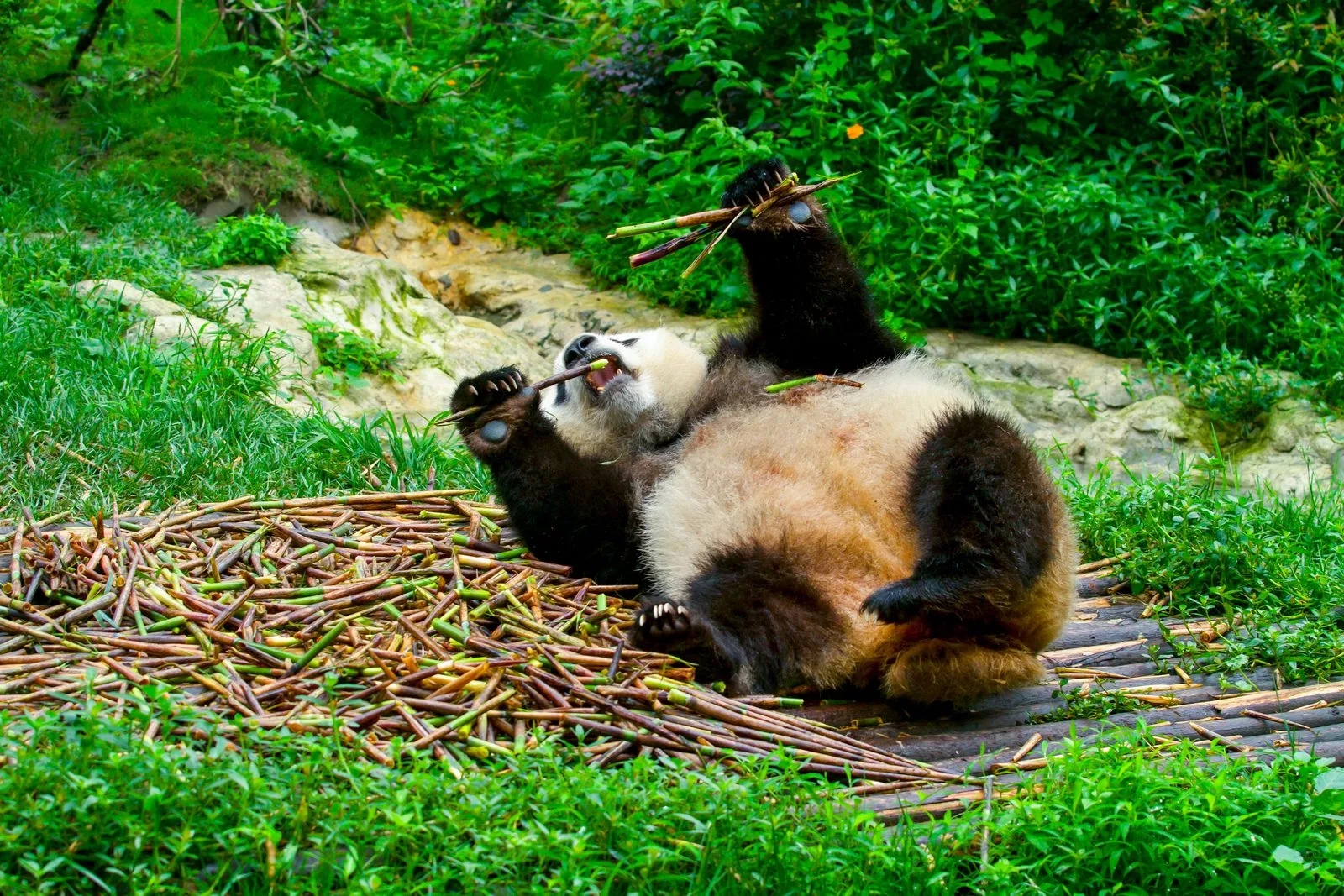
Chengdu's great icon: a centre devoted to the conservation and breeding of the giant panda, a species native to the mountains of Sichuan, where visitors can observe these animals up close in a bamboo-forest environment designed for their wellbeing. The centre has played a decisive role in the captive breeding programme that has helped rebuild the population of this endangered species, and an early-morning visit, when the pandas are most active, is one of the most endearing experiences of any trip through China.
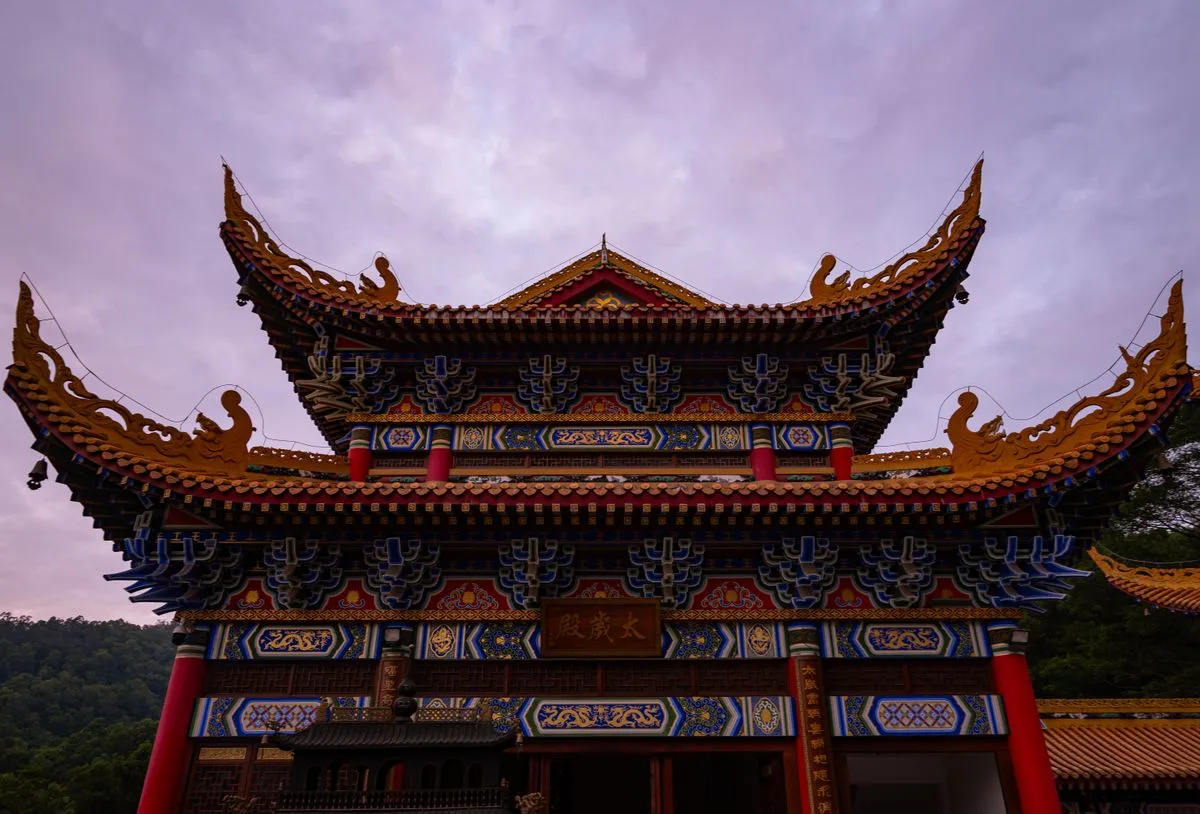
Chengdu's best-preserved Buddhist temple, with more than 1,400 years of history and belonging to the Zen school of Chinese Buddhism, offers an atmosphere of quiet contemplation and incense that contrasts with the fast pace of the modern city. Its beautiful traditional teahouse, set in a bamboo-lined inner courtyard, is the perfect place to recharge between visits, just as generations of Chengdu locals have done for centuries.
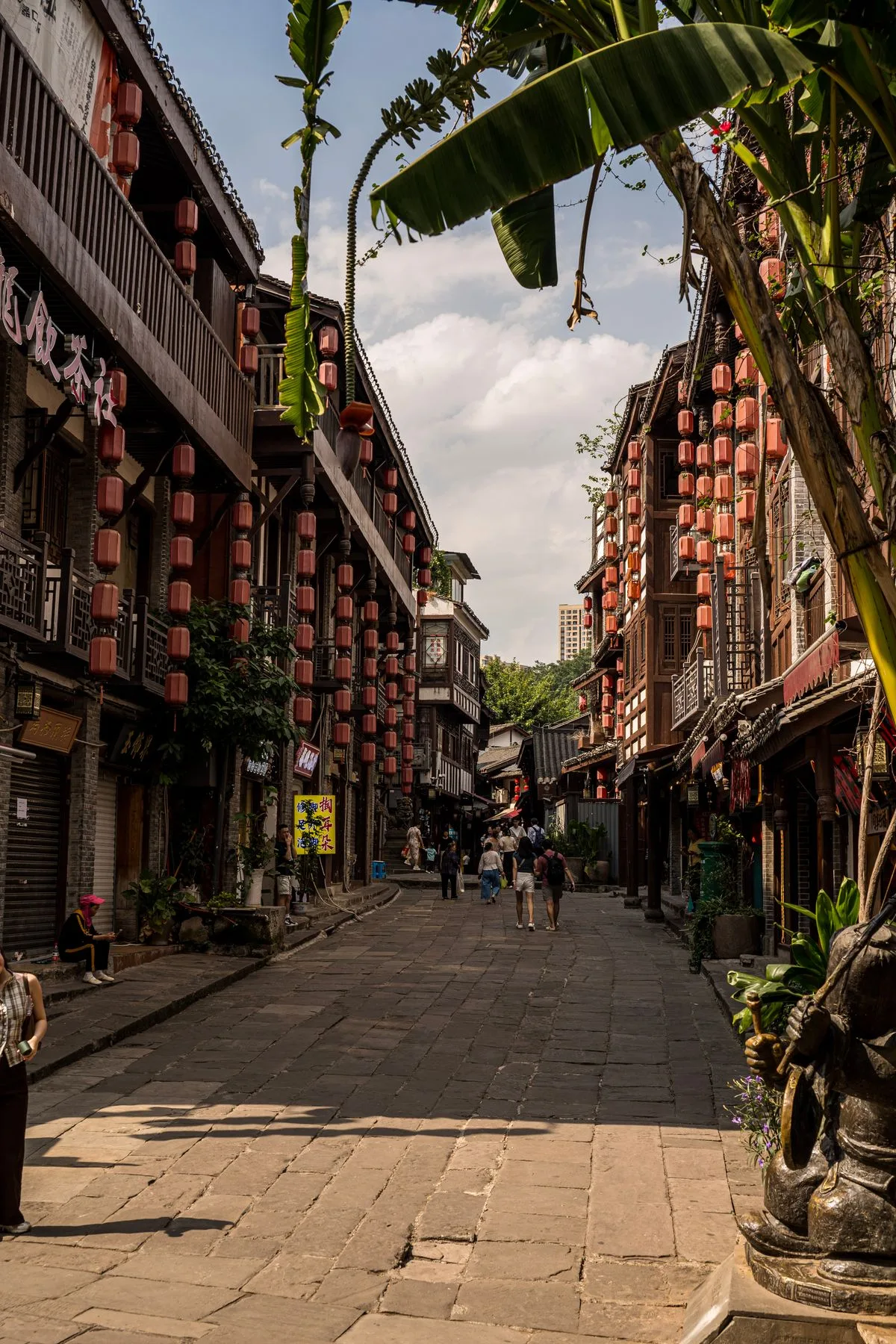
A historic street lined with craft shops, street-food stalls and red lanterns hanging from every façade, especially lively at nightfall when it lights up completely. Next to it, the Wuhou Shrine, dedicated to the heroes of the Kingdom of Shu during the Three Kingdoms period — including the legendary strategist Zhuge Liang — adds a layer of history and legend to one of Chengdu's most photogenic walks.
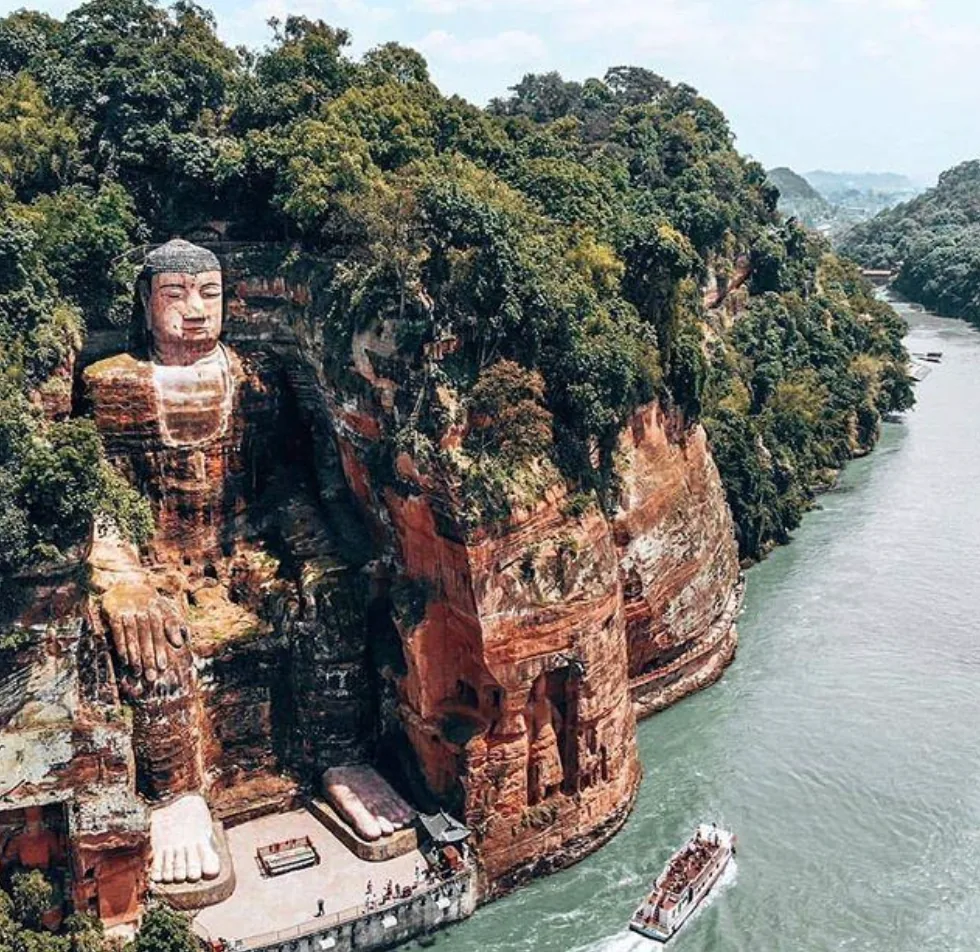
An essential excursion to see the largest stone Buddha in the world, carved directly into a cliff face more than 1,200 years ago, standing 71 metres tall with toes so large that several people can sit on just one of them. Built at the confluence of three rivers in the hope that its presence would calm the dangerous currents that had sunk many boats, it is today a UNESCO World Heritage Site and one of the most impressive works of religious sculpture in all of Asia.
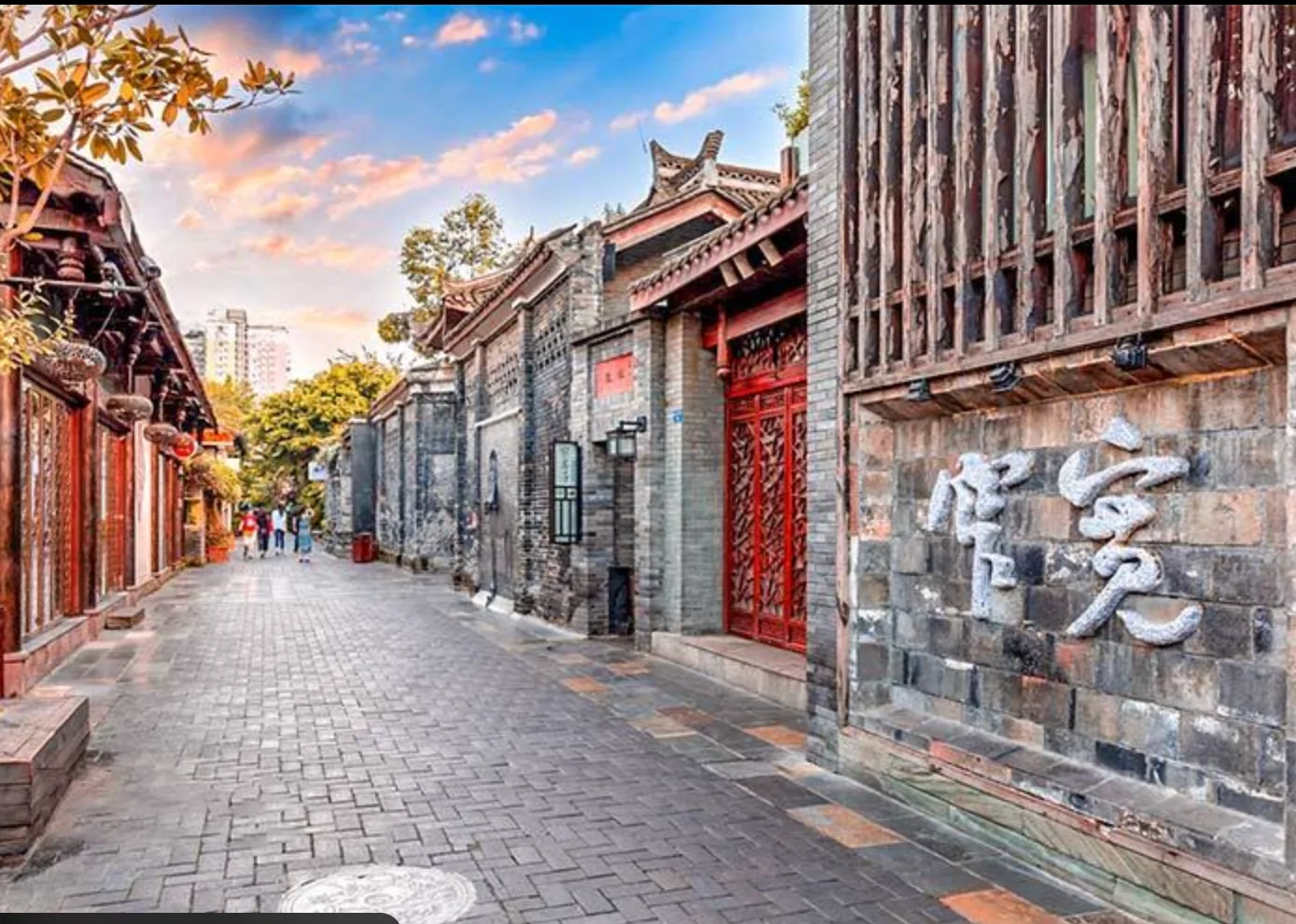
Three ancient alleys — Wide, Narrow and Well — with more than three hundred years of history, originally Qing-dynasty military barracks and now reinvented as a lively quarter of teahouses, restaurants and craft shops. Ideal for an unhurried stroll and a taste of Chengdu's relaxed pace of life, a city famous throughout China for its laid-back philosophy, summed up in the local phrase "teahouse life" that fills every corner of this neighbourhood.
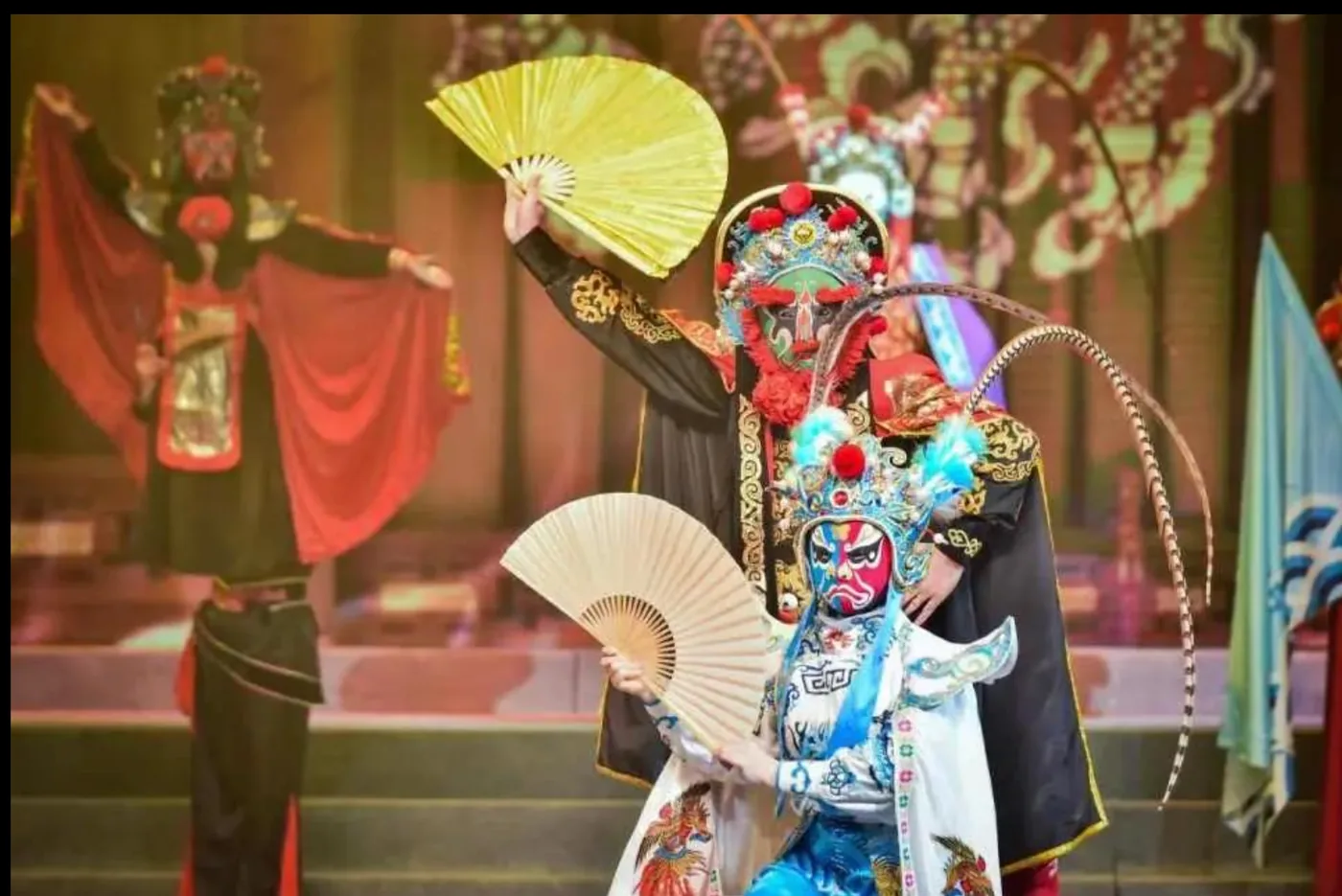
A mesmerising performance built around the art of "face-changing" (bianlian), a traditional Sichuan opera technique guarded as a family secret for generations, in which performers swap masks in a split second, literally before the audience's eyes, with no visible trick. Combined with shadow puppetry, fire-breathing acrobatics and live traditional music, it forms part of a show that condenses centuries of Chinese folk performing arts into a little over an hour.
Chengdu is home to the largest population of captive giant pandas in the world.
The Leshan Giant Buddha, carved from stone more than 1,200 years ago, stands 71 metres tall — taller than the Statue of Liberty.
The art of "face-changing" (bianlian) in Sichuan opera is a family secret passed down from generation to generation.
Chengdu is famed as the city with the most traditional teahouses in all of China, a reflection of its relaxed pace of life.
According to local folklore, Chengdu's pandas "love" the city's cloudy weather because it reduces their need to cool off in the sun.
Chengdu has kept the same name and the same geographic location for more than 2,000 years, a unique case among China's major cities.
Two to three days is the sweet spot: one early morning at the Giant Panda Base (pandas are most active before 10am), an afternoon exploring Jinli Street and Wuhou Temple, and a full-day trip to the Leshan Giant Buddha. On a Viavora private tour, all logistics — transfers, tickets and pace — are handled for you.
The Chengdu Research Base of Giant Panda Breeding is about 10 km north of the city center. Arriving before 9am is strongly recommended — pandas are most active during morning feeding. On a Viavora private tour, your driver collects you from your hotel at dawn and manages all advance ticket reservations.
Spring (March–May) and autumn (September–November) offer mild, manageable temperatures. Chengdu is famously overcast year-round, so don't let grey skies put you off — any season works. Avoid mid-July to August if you're sensitive to heat and humidity.
Yes — Leshan is about 120 km from Chengdu, roughly 1.5 hours by car. It combines perfectly with a morning at the panda base or an afternoon in the Emei Shan foothills. Viavora includes Leshan as a full-day private excursion on its China tour itineraries.
A private guide, hand-picked hotels and skip-the-line access to every one of these sites.
Chengdu is a distinctive stop within any of our China itineraries.