Spain
Oviedo Travel Guide — Pre-Romanesque Art, Cider & Private Tours
Capital of a kingdom that was never conquered — and cradle of Europe's most singular pre-Romanesque art.
Capital of a kingdom that was never conquered — and cradle of Europe's most singular pre-Romanesque art.
Oviedo carries a very particular pride: it was the capital of the only Christian kingdom on the Iberian Peninsula that the Moors never managed to conquer, and that singular past left an architectural legacy found nowhere else in the world.
In the 9th century, while the rest of Europe was barely stammering the first forms of Romanesque architecture, the Asturian kings were already building temples of astonishing elegance and originality. Santa María del Naranco and San Miguel de Lillo, declared World Heritage Sites, bear witness to that unique style known as Asturian pre-Romanesque, earlier than continental Romanesque and without equivalent anywhere else in the world.
Beyond its historical value, Oviedo is a welcoming, compact and beautifully kept city, with an old town full of cider houses where cider is poured from on high according to Asturian tradition, and an intense cultural life that has even drawn filmmakers such as Woody Allen, who fell deeply in love with the city. A perfect stop for discovering the most authentic Asturias.
Oviedo was founded in the year 761 around a monastery, a modest settlement whose destiny would change radically only a few years later. In the year 810, King Alfonso II "the Chaste" moved the court of the Kingdom of Asturias to Oviedo, making it the capital of the only Christian kingdom on the Iberian Peninsula never conquered by the Moors — the symbolic origin of what centuries later would be known as the Reconquista.
It was precisely during the 9th century that the great jewels of Asturian pre-Romanesque art were built: Santa María del Naranco, San Miguel de Lillo and other temples of an utterly original architectural style, unmatched anywhere else in Europe at the time, reflecting the ambition and refinement of the Asturian court.
In 1985, that unique artistic legacy was recognised internationally with its declaration as a World Heritage Site, and throughout the 20th century Oviedo also established itself as an important industrial and university centre, without ever losing the charm of its medieval old town.
A selection no Viavora itinerary ever skips.
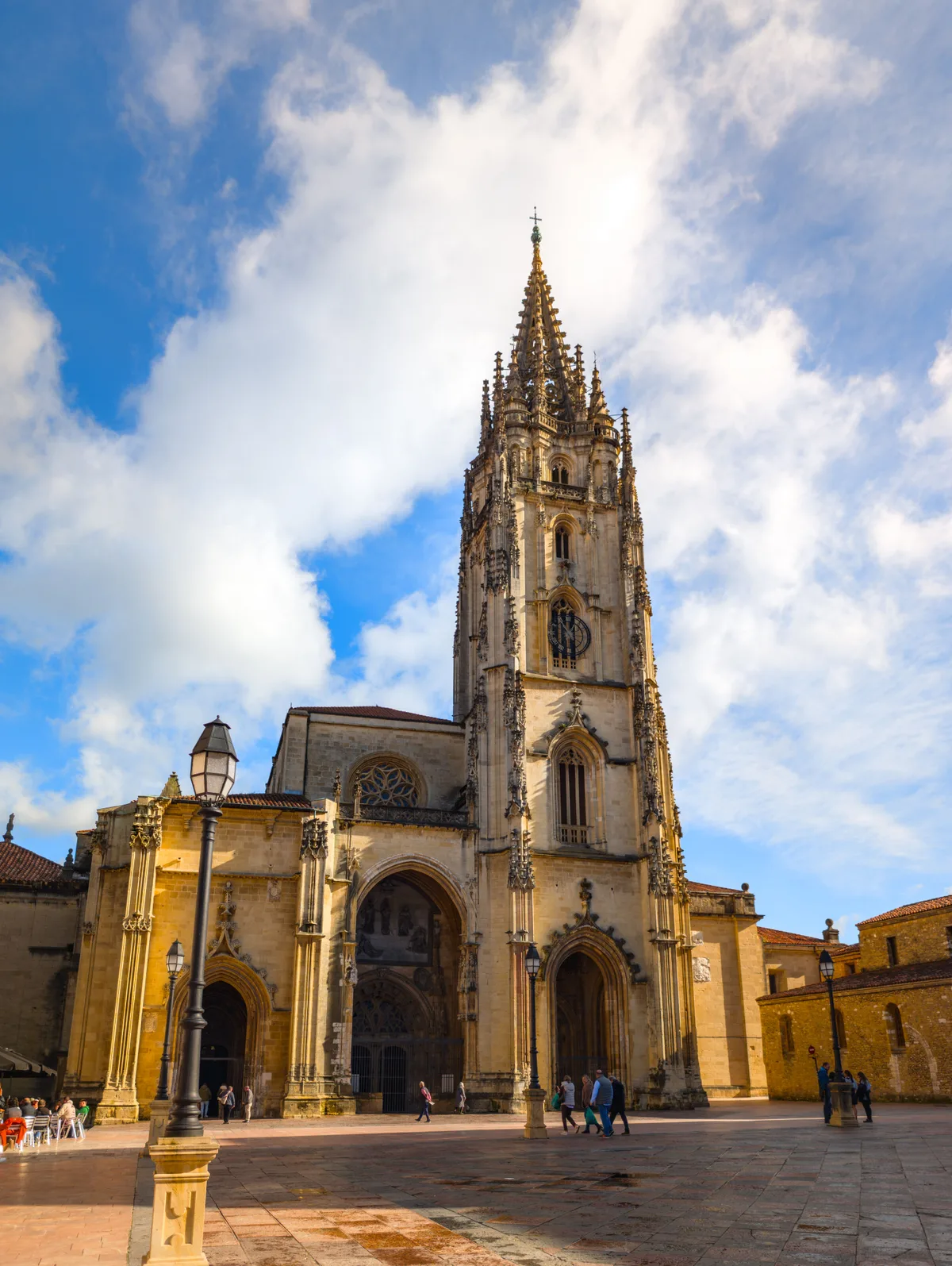
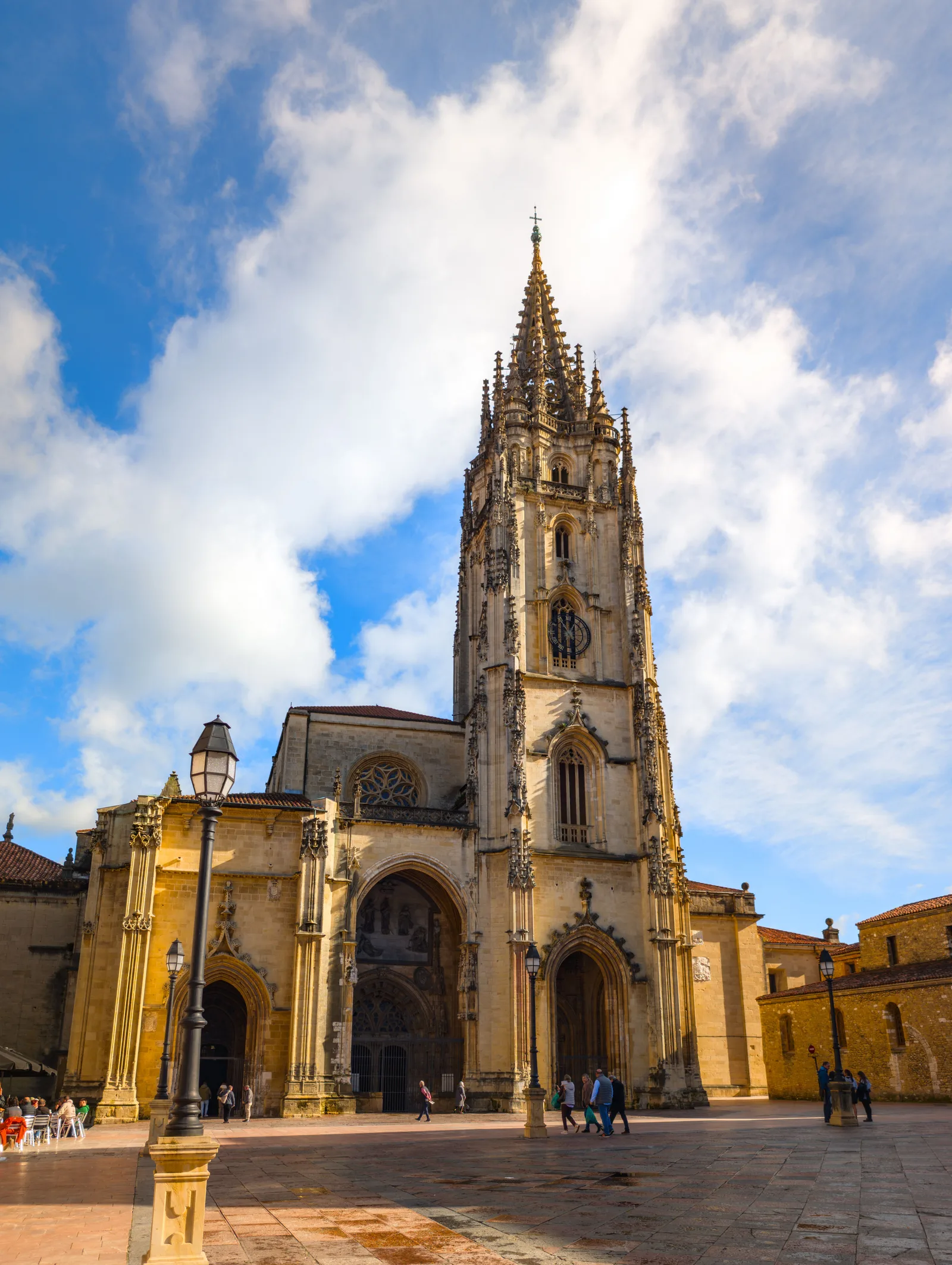
With its striking Holy Chamber, it holds some of the most venerated relics of medieval Spanish Christendom, within an architectural ensemble of great Gothic beauty raised over several centuries atop earlier pre-Romanesque structures. Its façade, with a single tower instead of the usual two — the second was never completed — is one of the most singular examples of Spanish late Gothic, and its interior combines chapels from different eras in a walk that sums up almost a thousand years of Asturian religious history.
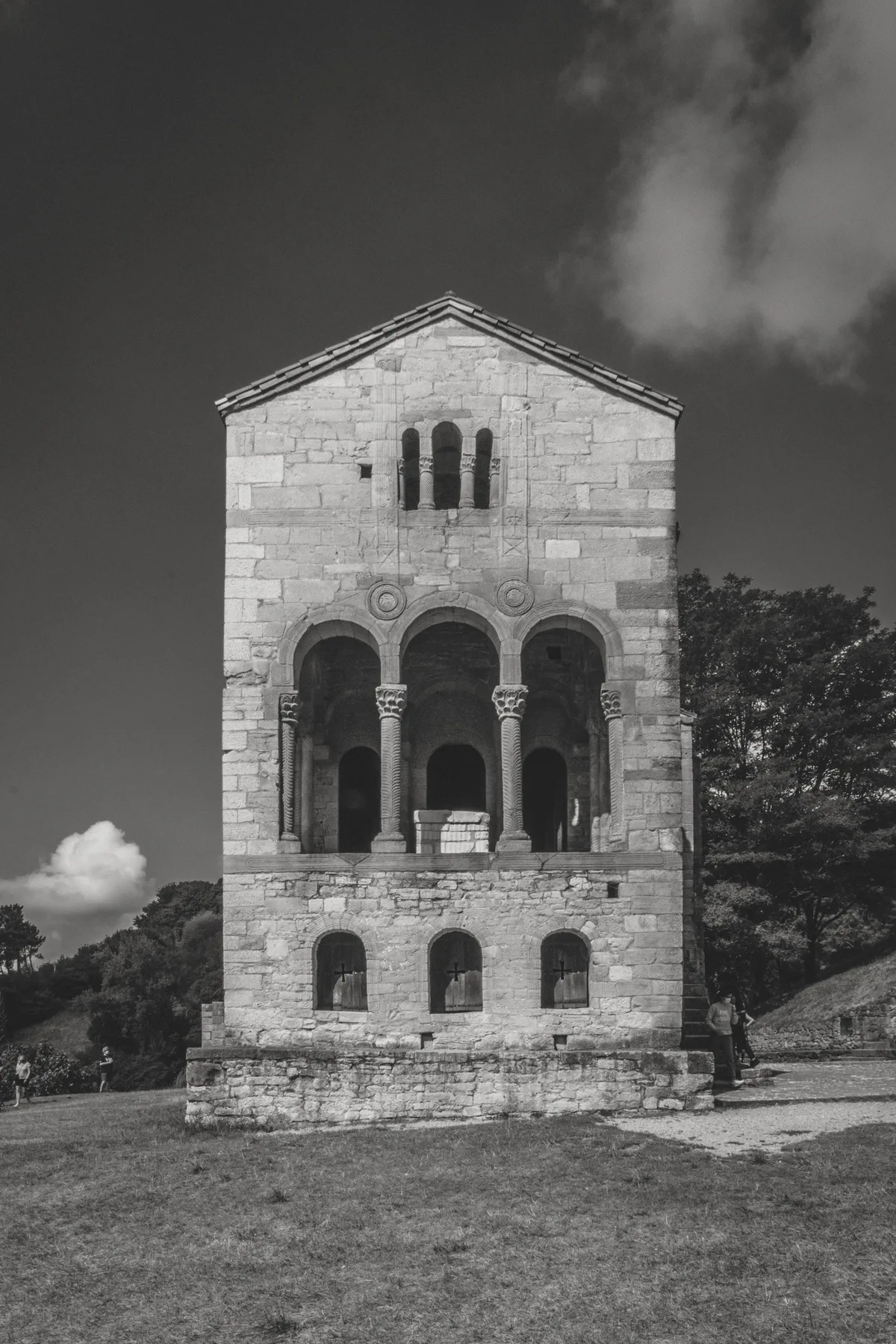
The jewels of Asturian pre-Romanesque art, an architectural style unique in the world, developed in the small Kingdom of Asturias during the 8th and 9th centuries, when it was the only territory on the peninsula to resist the Moorish conquest. Predating the Romanesque of the rest of Europe by more than a century, this style developed structural solutions — such as the raised semicircular arch or barrel vaults — well ahead of their time. Declared World Heritage Sites, Santa María del Naranco and San Miguel de Lillo are essential visits for understanding the origins of Spanish Christian architecture.
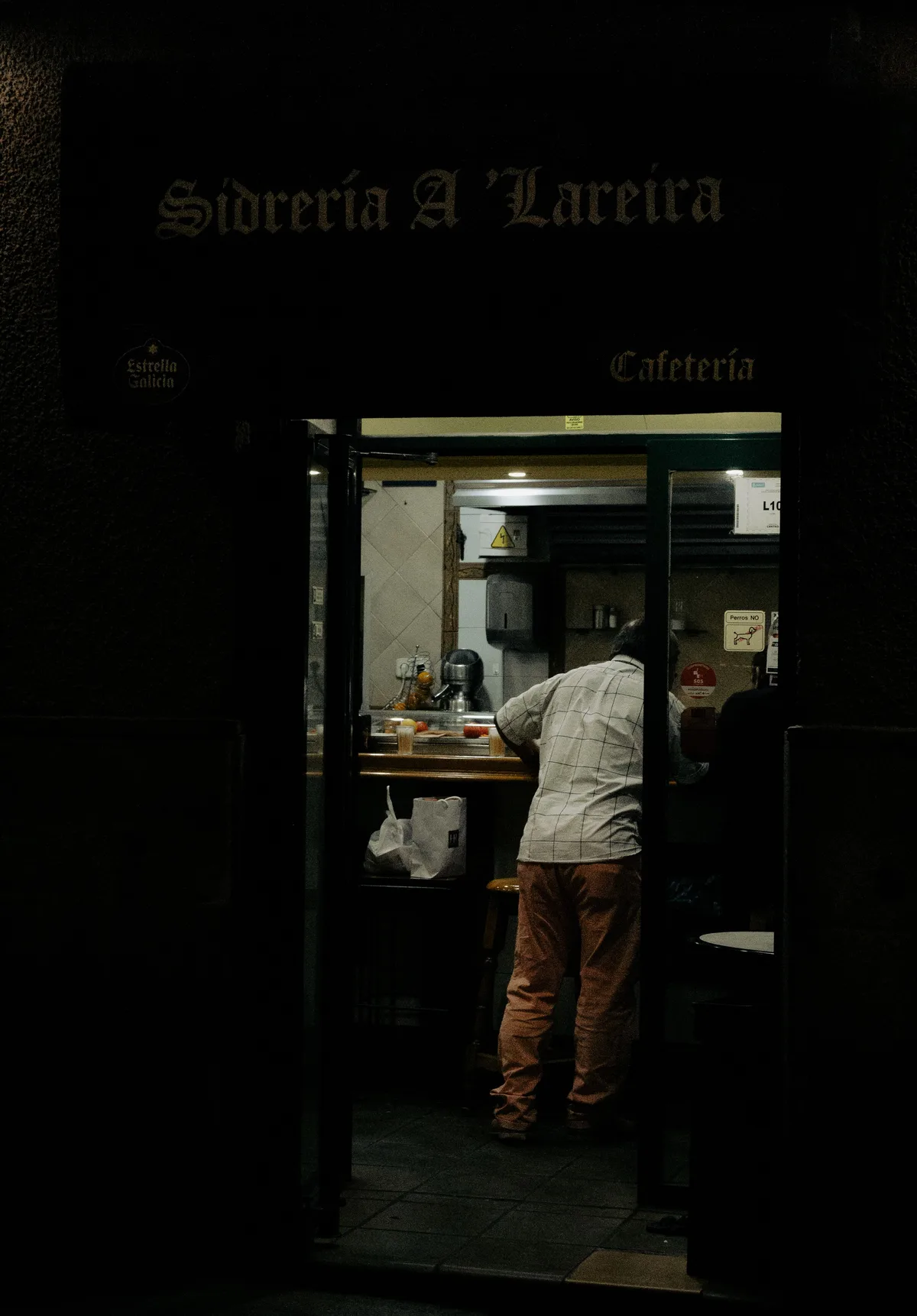
Oviedo has one of the highest concentrations of cider houses in Spain, especially along the famous "Cider Street" or Gascona, where dozens of establishments line up side by side. Pouring cider from on high — arm raised above the head, glass tilted at waist height — is a whole ritual that aerates the drink and releases its natural carbonation, and it is as much a part of Asturian identity as the old town itself. Paired with Cabrales cheese or a fabada stew, the experience perfectly sums up the city's hospitable character.
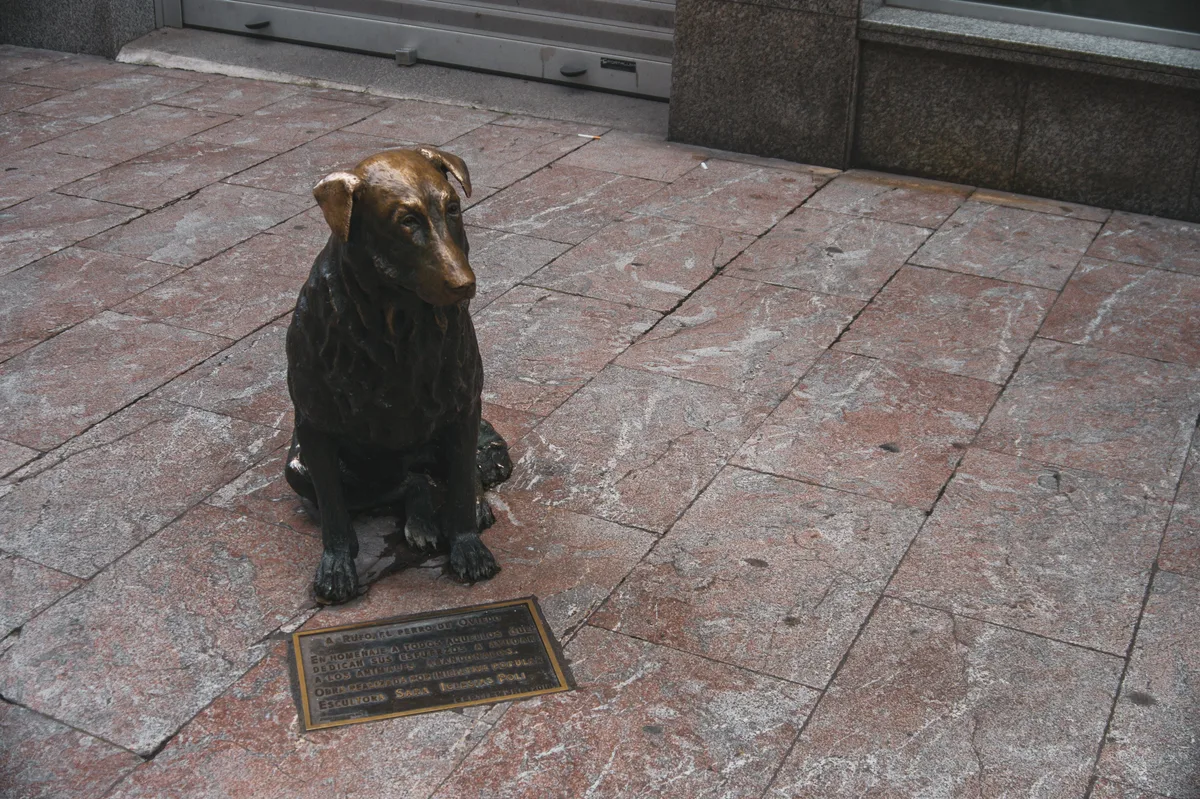
The city is dotted with curious sculptures along its streets, including a statue dedicated to filmmaker Woody Allen, installed in 2003 after the American director publicly declared that Oviedo was "a city like something out of a fairy tale." The statue, located opposite the Campoamor Theatre, has become a must-stop for visitors, who often pose for photos beside it — a symbol of the mutual affection between the filmmaker and the city, which also granted him the title of Adopted Son.
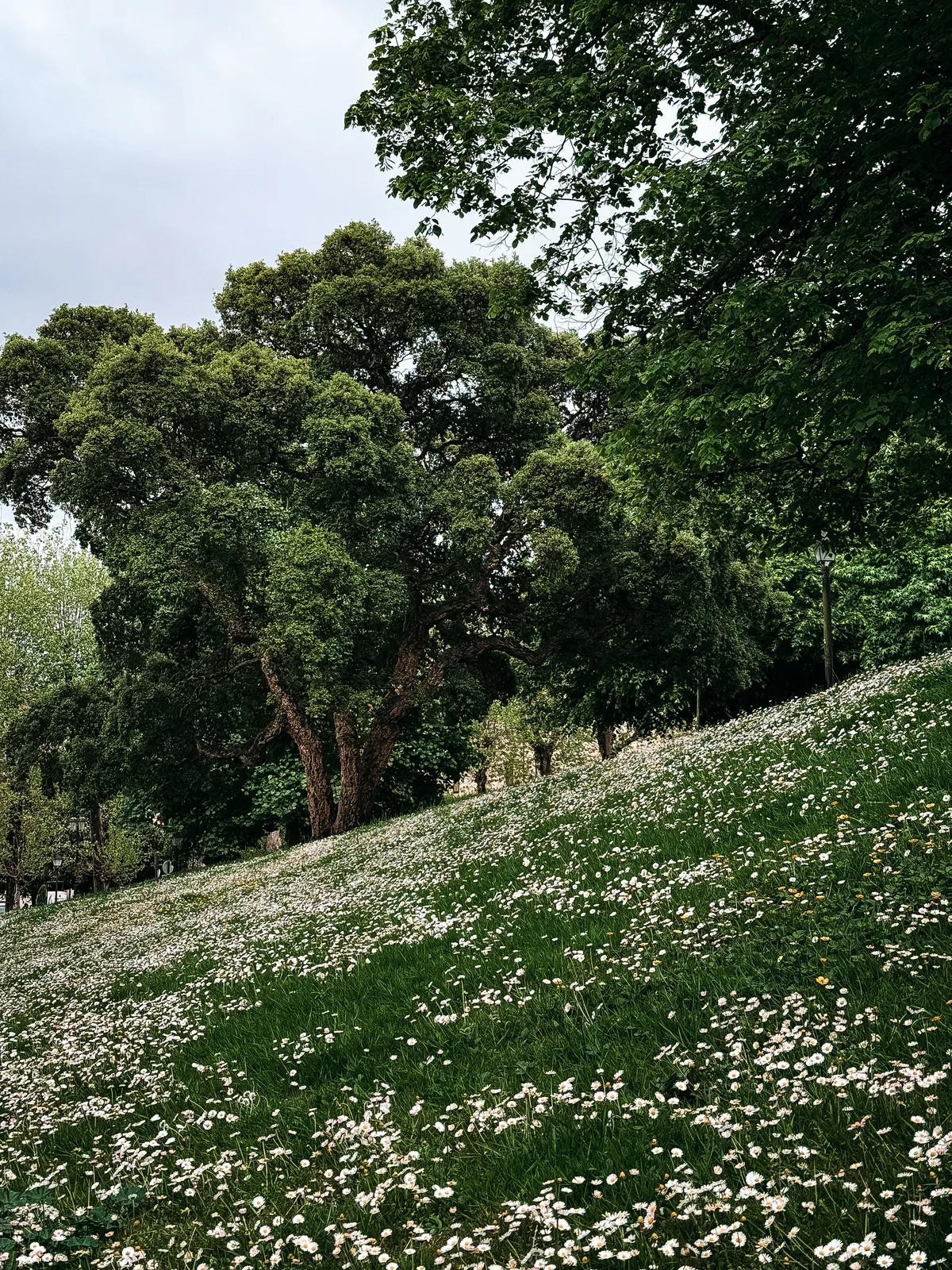
The great green lung of the city centre, built on the site of a former Franciscan convent from which it takes its name, with over nine hectares of historic gardens, ponds and a notable variety of century-old trees. Ideal for a quiet stroll very close to the old town, it is also home to ducks, swans and even a small group of peacocks that wander freely among visitors, adding an unexpected touch to this urban haven of peace.
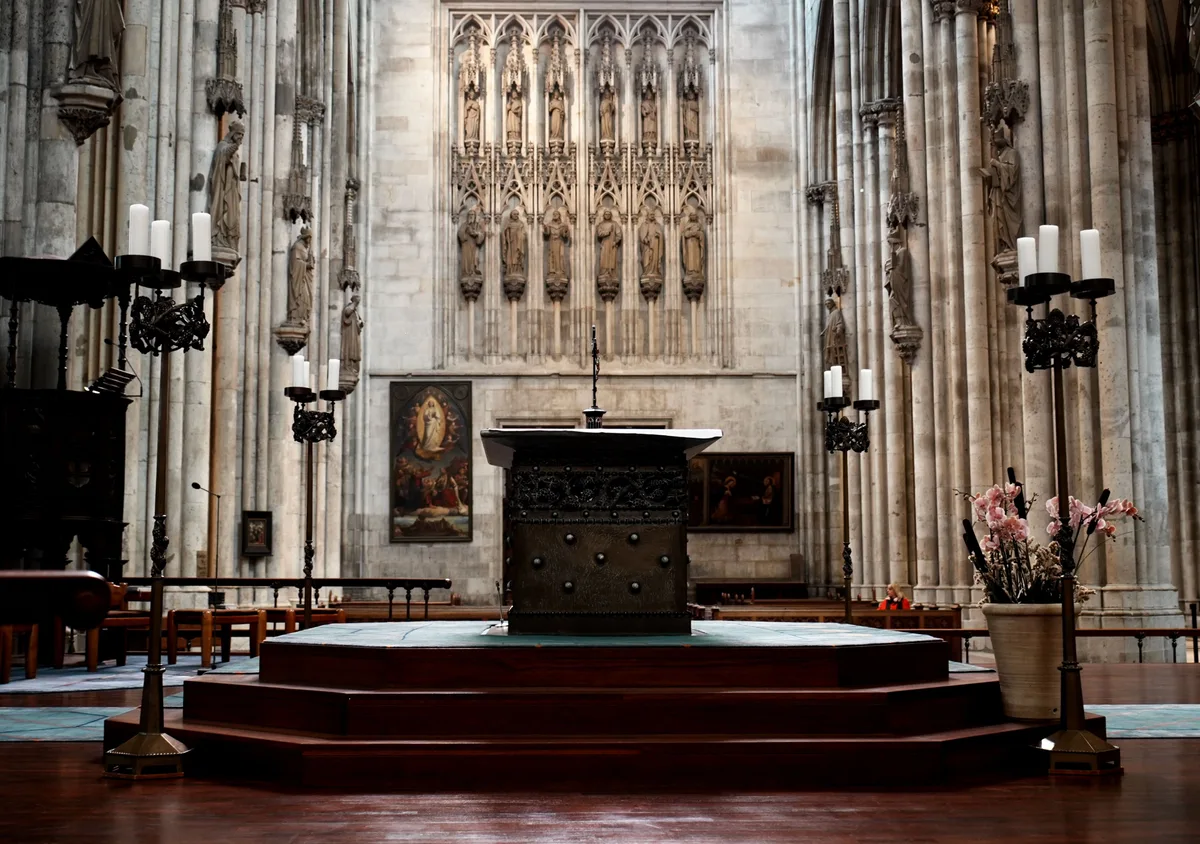
A small chamber within the cathedral, built in the 9th century by order of King Alfonso II the Chaste, that holds some of the most important medieval relics in Spain, including the famed Cross of the Angels, a piece of pre-Romanesque goldwork that today forms part of the coat of arms of Asturias. Considered for centuries "the reliquary of Spain," it also preserves the Cross of Victory and the Holy Ark — three treasures that sum up the extraordinary religious and artistic importance Oviedo held in the Early Middle Ages.
Oviedo was the capital of the only Christian kingdom on the Iberian Peninsula never conquered by the Moors, the symbolic origin of the Reconquista.
Asturian pre-Romanesque art is an architectural style unique in the world, earlier than European Romanesque.
Oviedo has one of the highest concentrations of cider houses in Spain, where cider is poured from on high to aerate it.
The city has a statue dedicated to filmmaker Woody Allen, a great admirer of Oviedo.
The cathedral's Holy Chamber holds some of the most venerated relics of medieval Spanish Christendom.
Oviedo has been named on several occasions one of the cities with the best quality of life in Spain, thanks to its welcoming scale and well-kept urban environment.
A private guide, handpicked hotels and skip-the-line access to every one of these sites.
Oviedo is an essential Asturian gem on our Gran Tour Ibérico.