Spain
Bilbao Travel Guide — Guggenheim Museum, Old Town & Private Tours
The industrial city that reinvented itself with a single building — and is now synonymous with design, art and fine dining.
The industrial city that reinvented itself with a single building — and is now synonymous with design, art and fine dining.
Few cities in the world have transformed their destiny with the force Bilbao did: from a declining industrial town to a world reference in art, design and fine cuisine in barely a generation.
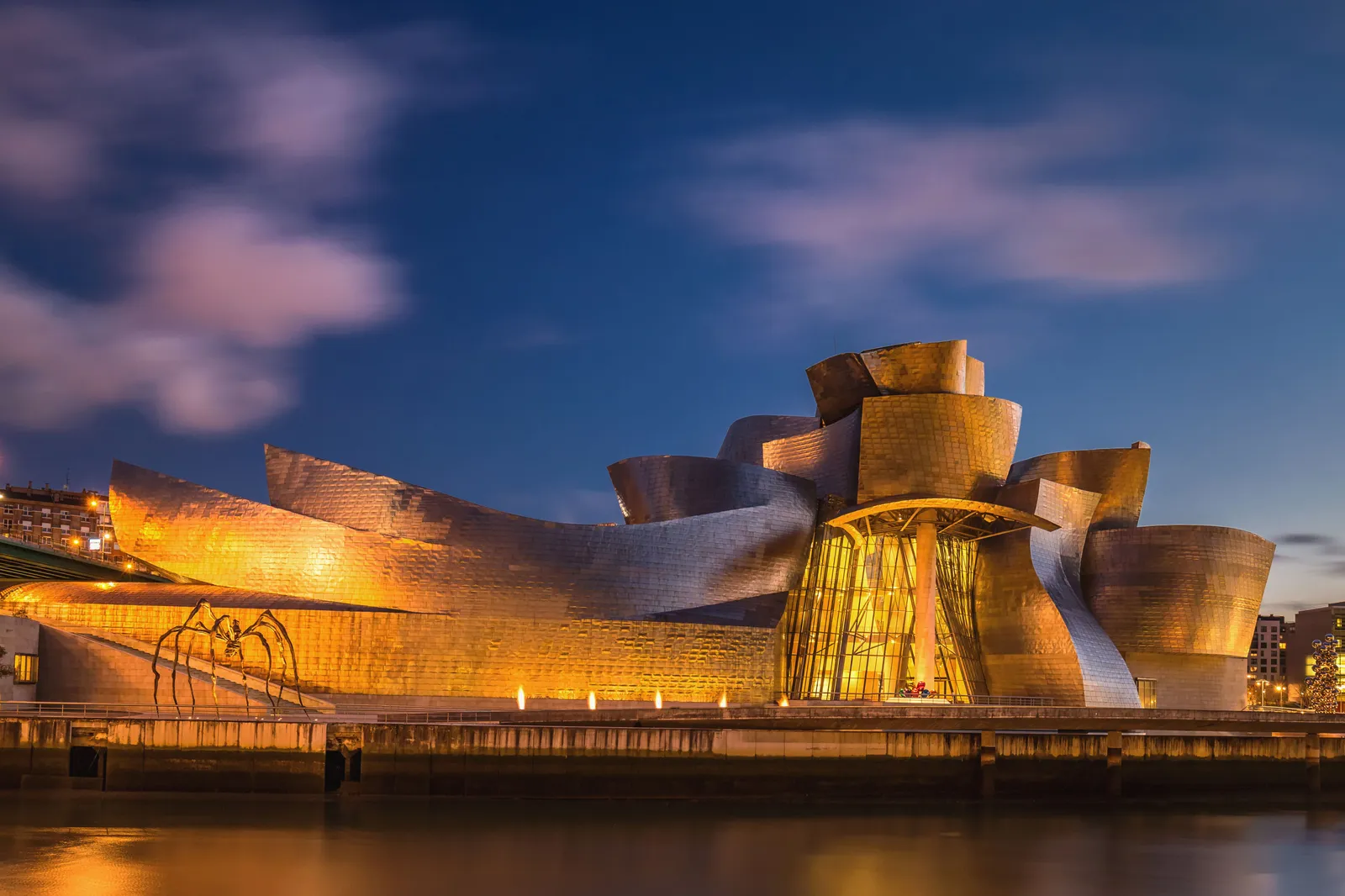
Everything changed in 1997, with the opening of the Guggenheim Museum Bilbao. Frank Gehry's titanium building didn't just bring world-class contemporary art to the banks of the Nervión: it triggered an urban regeneration so spectacular that it is now studied in architecture and urban planning schools around the world as the "Bilbao effect". The city that once lived off iron and shipyards now lives off design, culture and a food scene that rivals the best in Europe.
Strolling through its Casco Viejo, getting lost among pintxo bars in Plaza Nueva and crossing its bridges over the estuary is to discover an authentic Basque city that has learned to look to the future without giving up its identity. Bilbao is, quite simply, a lesson in reinvention.
Bilbao was founded in 1300 as a trading town on the banks of the Nervión estuary, a strategic enclave that soon prospered through the wool and iron trade with the rest of Europe. During the 19th and 20th centuries, the city lived through its industrial golden age: shipyards, blast furnaces and a port that made it one of Spain's great economic engines.
The second half of the 20th century, however, brought the crisis of heavy industry, and with it the decline of much of its economic and urban fabric. Bilbao needed to reinvent itself — and it did so in a way no one expected: by betting on culture and architecture as engines of transformation.
The 1997 opening of the Guggenheim Museum Bilbao, designed by architect Frank Gehry, changed the city's fate forever. What began as a risky project became the catalyst for an unprecedented urban regeneration, and within a matter of years Bilbao became a world reference for how culture can transform an entire city.
A selection no Viavora itinerary ever skips.
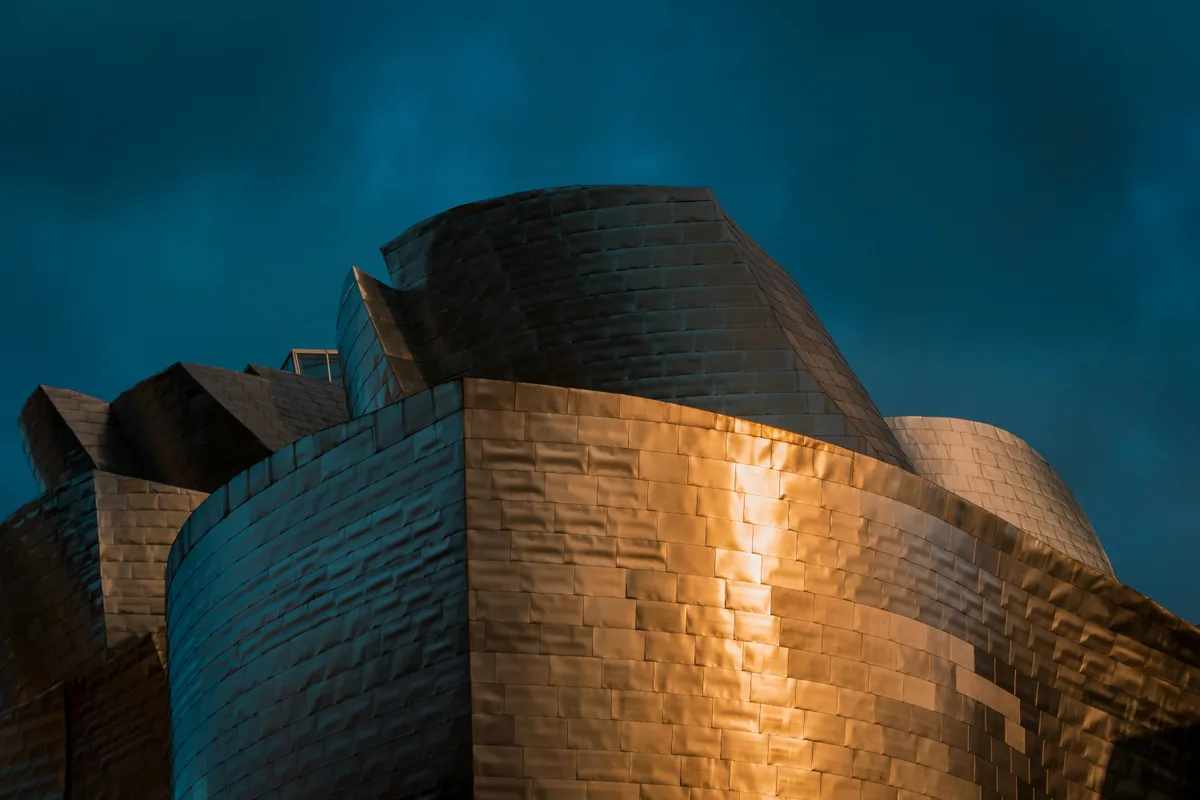
Frank Gehry's masterpiece that changed the city's destiny, clad in titanium panels that shift in tone with the light of day, becoming the symbol of what is now known worldwide as the "Guggenheim effect": the ability of a single building to transform the economy and image of a declining industrial city. Inside, it houses some of the finest contemporary art collections in Europe, while outside, Louise Bourgeois's iconic spider "Maman" and Jeff Koons's flower-covered "Puppy" have become symbols as recognisable as the museum itself.
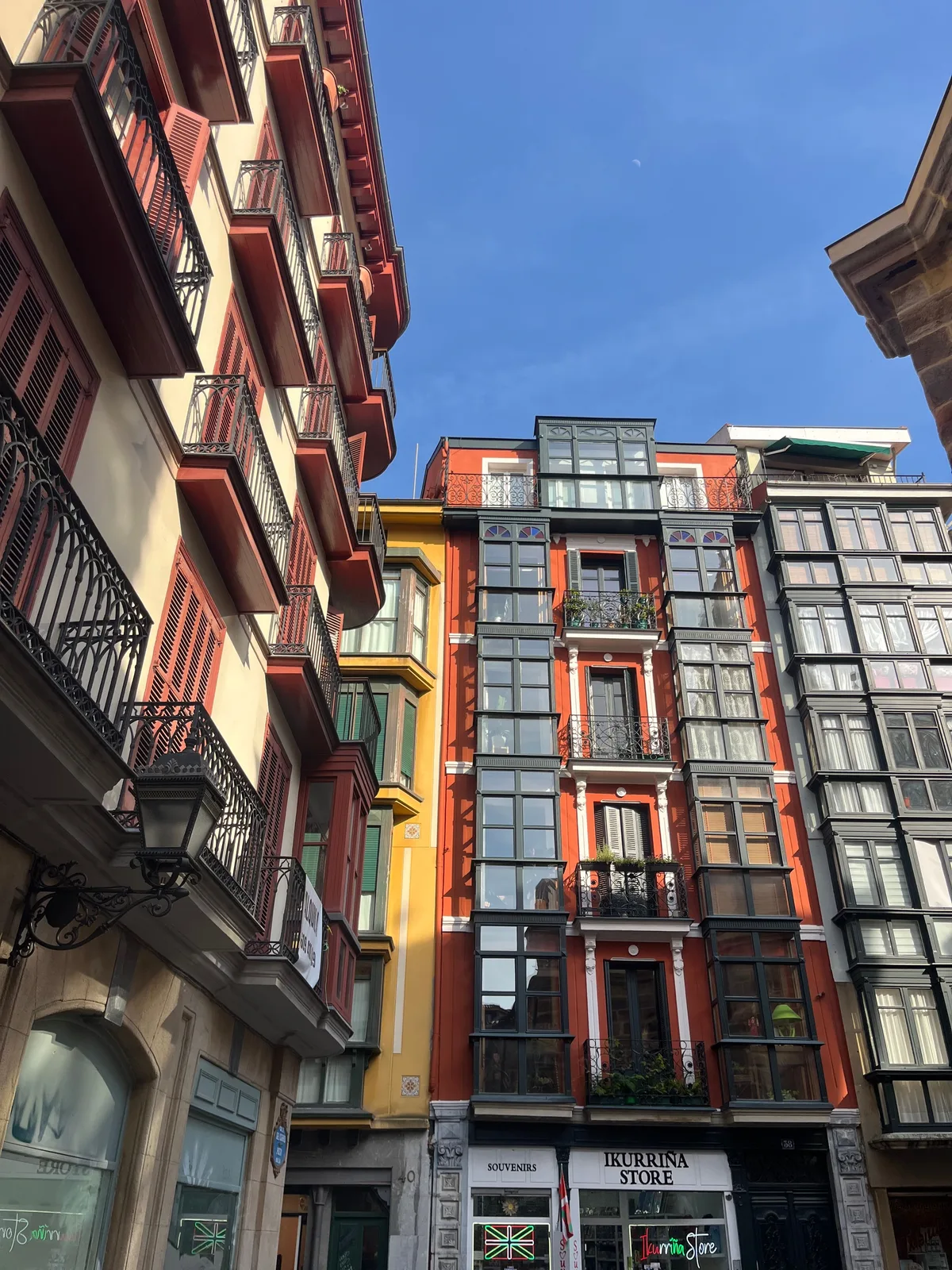
Bilbao's medieval heart, laid out around the seven original streets from when the town was founded in 1300, with its arcaded porticoes, lively atmosphere at any hour of the day and the Cathedral of Santiago, a former stop on the Camino de Santiago and the city's historic starting point. Its squares, such as the neoclassical Plaza Nueva, today concentrate the highest density of pintxo bars in all of Bilbao, alongside centuries-old shops and the constant bustle of locals and visitors.
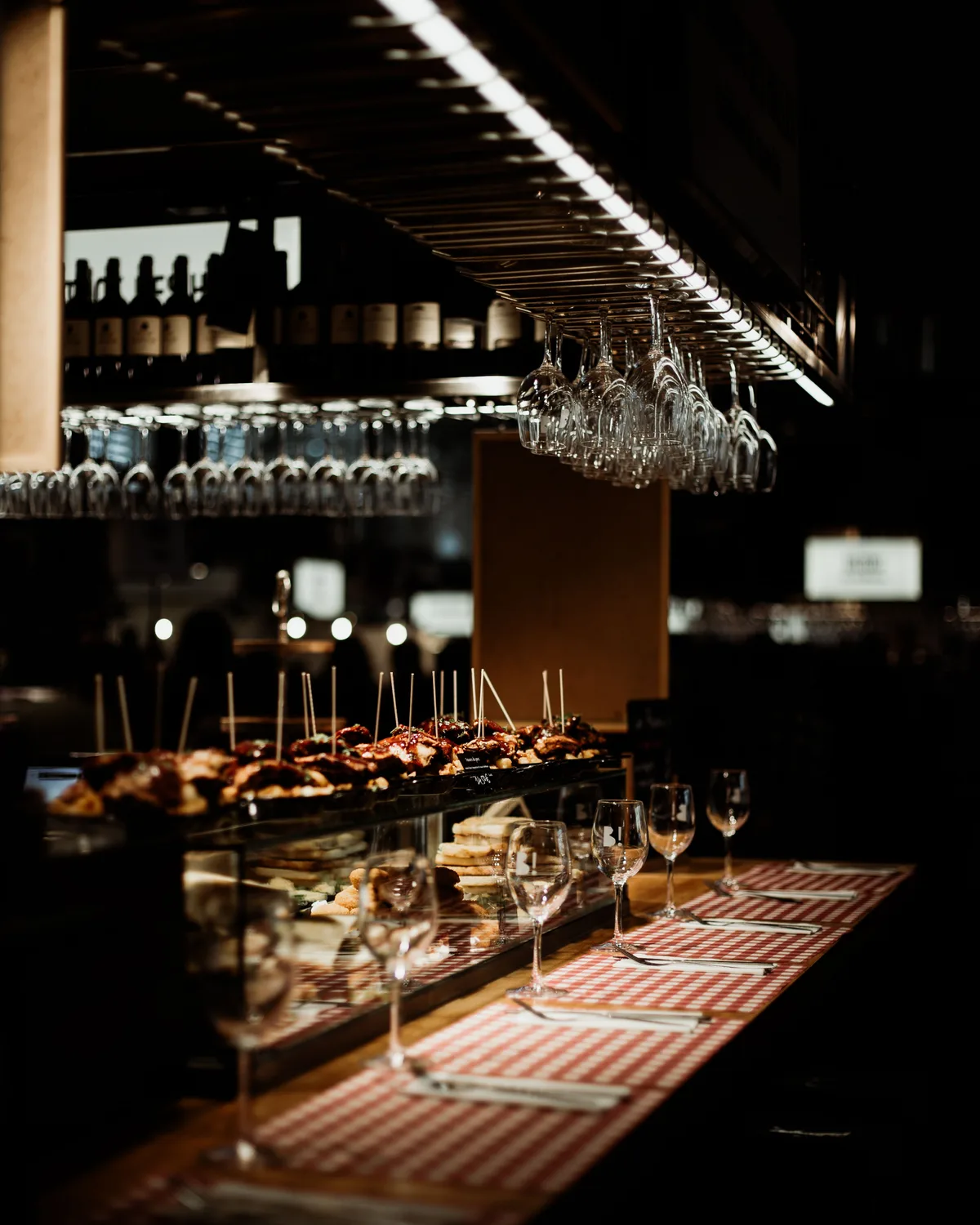
The best way to understand the city is bar by bar, sampling signature pintxos in one of the world's most renowned culinary capitals. Unlike other parts of Spain, in the Basque Country the pintxo has been elevated to a kind of miniature haute cuisine, with creations that reinterpret Basque tradition using cutting-edge techniques. Plaza Nueva, with its neoclassical arcades, is the ideal starting point for a route that can extend across the whole Casco Viejo, bar after bar, well into the night.
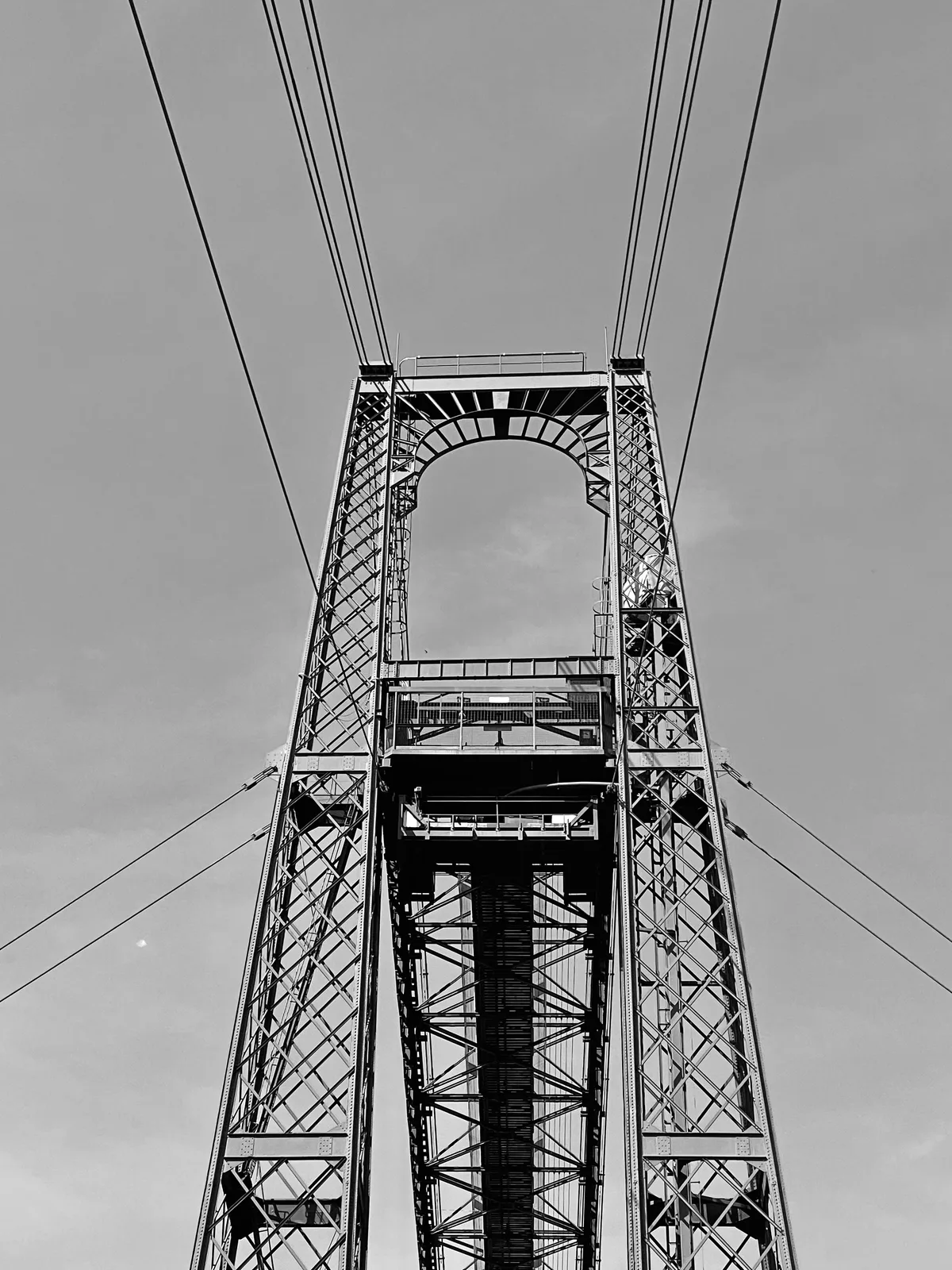
The world's first transporter bridge, built in 1893 by a disciple of Gustave Eiffel and declared a World Heritage Site, links the two banks of the estuary on the outskirts of the city in a unique way: instead of crossing above, a suspended gondola carries passengers and vehicles hanging from a metal structure 45 metres high. It is still in operation a hundred and thirty years on, and its upper walkway can also be crossed for panoramic views over the Nervión estuary.
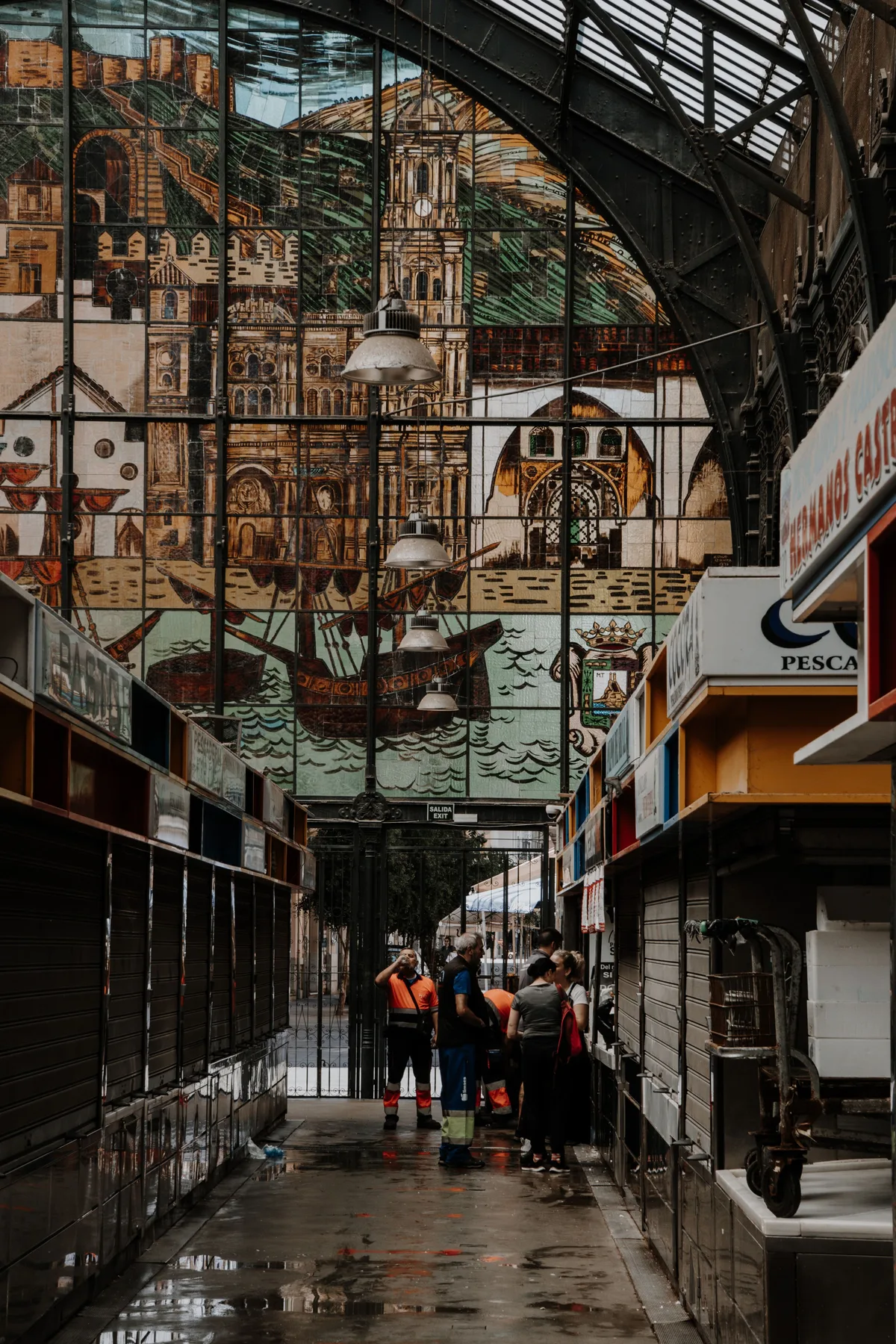
One of the largest covered markets in Europe, built in 1929 on the banks of the Nervión with an iron-and-glass structure that was cutting-edge in its day. Its stalls offer top-quality fresh Basque produce — fish just landed from the Cantabrian Sea, farmhouse vegetables, artisan cheeses — and its ground floor has been reinvented as a lively pintxo space that blends tradition and modernity, ideal for eating on your feet while sampling small portions from several different stalls.
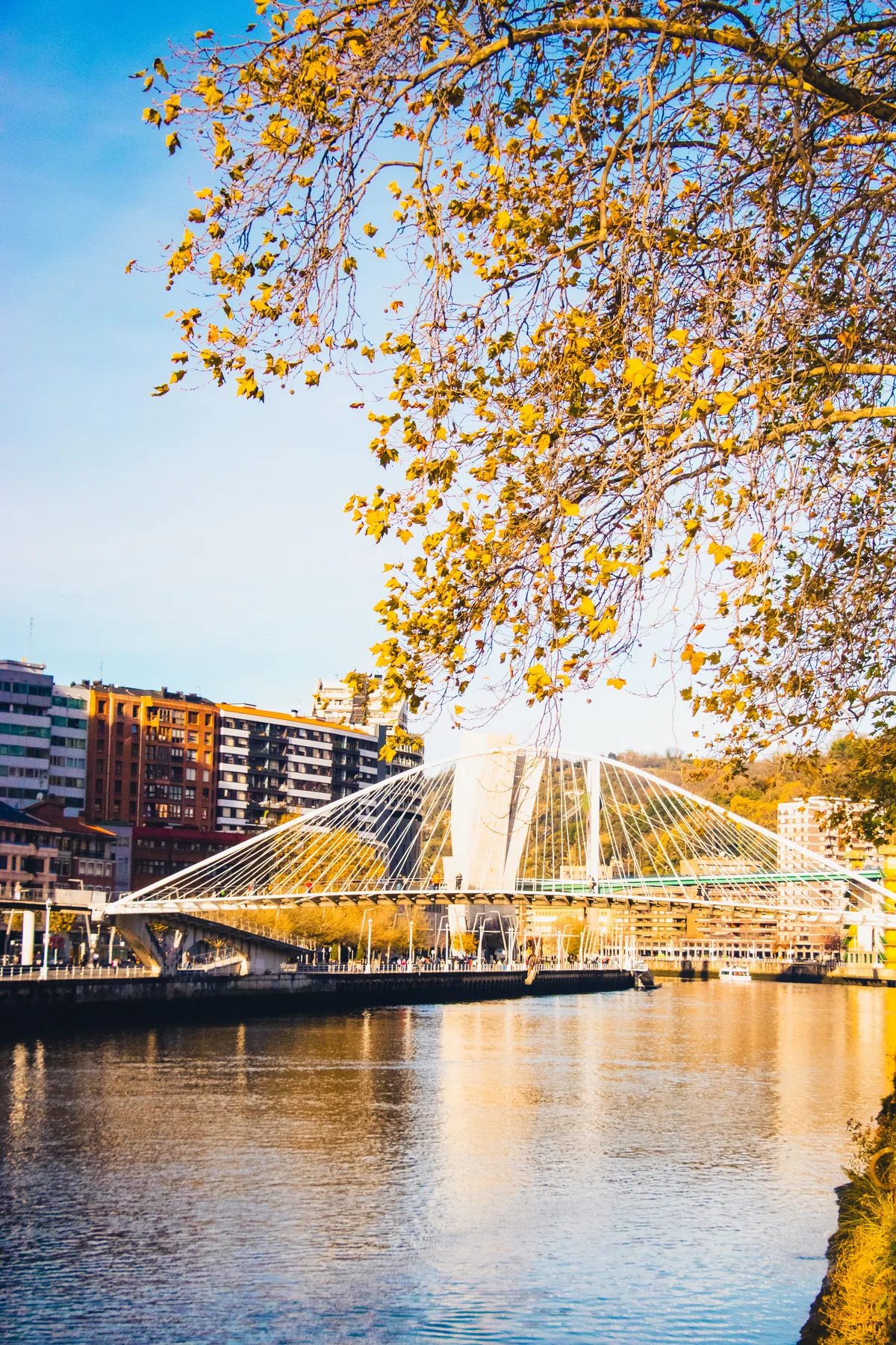
Crossing the Zubizuri Bridge, the glass pedestrian walkway designed by Santiago Calatrava, and strolling past the Guggenheim at sunset, when the museum's titanium turns shades of pink and gold, is one of the essential experiences for understanding Bilbao's transformation. The whole walk along the estuary, dotted with sculptures and gardens, condenses into a half-hour stroll the metamorphosis of an industrial city into one of Europe's leading urban and cultural landmarks.
The Guggenheim Museum Bilbao is clad in more than 33,000 titanium panels that shift in tone depending on the daylight.
The "Bilbao effect" is now studied in urban planning schools around the world as an example of urban regeneration through culture.
The Vizcaya Bridge, on the outskirts of the city, was the world's first transporter bridge, built in 1893, and is a UNESCO World Heritage Site.
The Bilbao-style pintxo is traditionally served skewered with a toothpick on a slice of bread — hence its name.
Bilbao has one of the highest concentrations of Michelin stars per capita in all of Spain.
The popular nickname for its residents, "bilbaínos", is known for a direct, hospitable character very typical of northern Spain.
A private guide, handpicked hotels and skip-the-line access to every one of these sites.
Bilbao is the perfect gateway to northern Spain on any of our Spain and Portugal circuits.