Spain
Santiago de Compostela
The destination of one of the oldest pilgrimage routes in the world, where every pilgrim has crossed the Plaza del Obradoiro with the same emotion for over a thousand years.
The destination of one of the oldest pilgrimage routes in the world, where every pilgrim has crossed the Plaza del Obradoiro with the same emotion for over a thousand years.
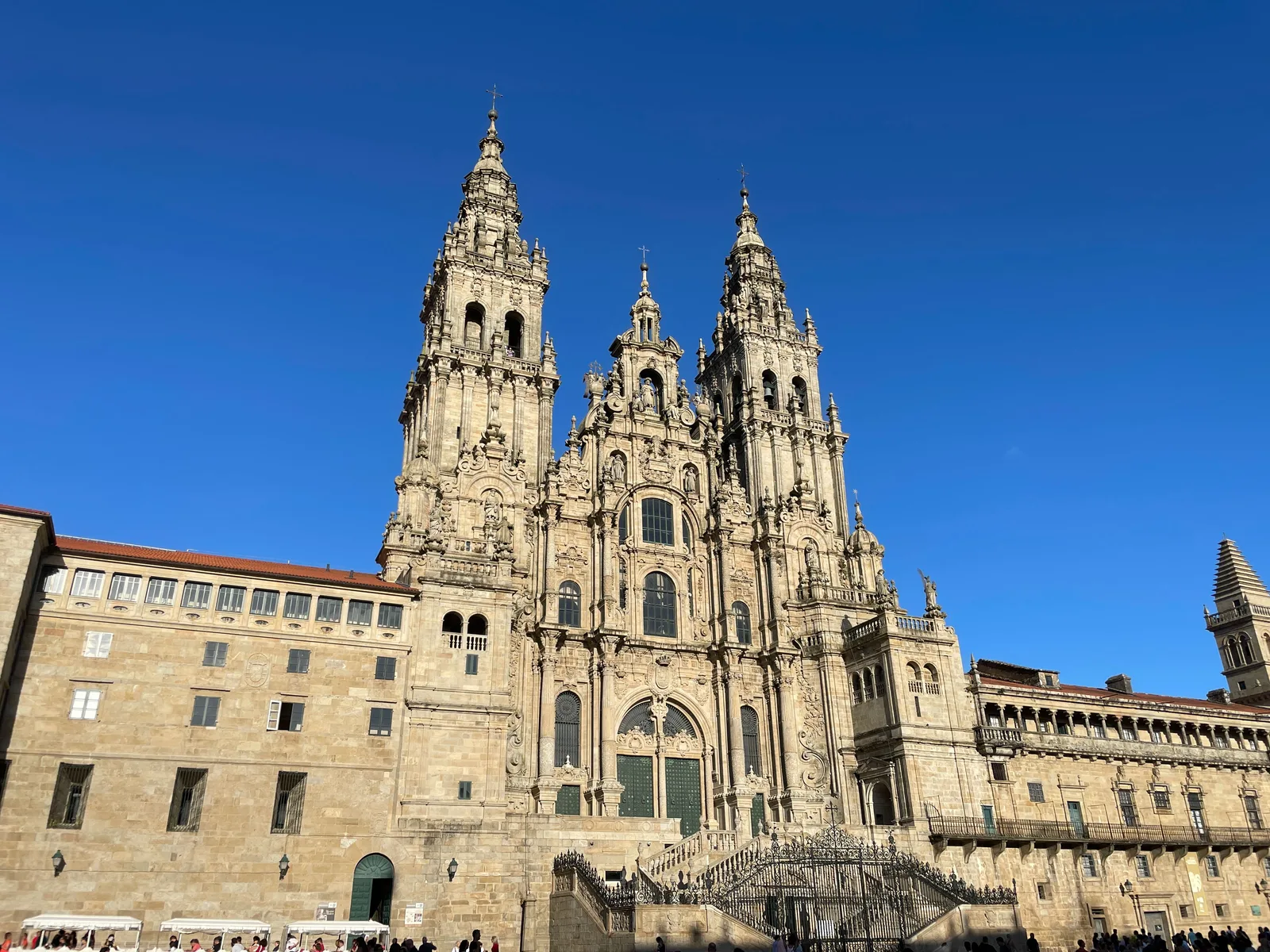
Few places in the world feel as charged with emotion as the Plaza del Obradoiro, the finish line of a route millions of people have walked for over a thousand years.
Santiago de Compostela is, above all, a place of encounter: between cultures, between travellers from every corner of the world, and between faith and architectural beauty. Its Romanesque cathedral, built over what was believed to be the tomb of the Apostle James, has for centuries been one of the three great pilgrimage destinations of Christianity, alongside Rome and Jerusalem, and today still welcomes pilgrims arriving on foot, by bicycle or on horseback from across Europe.
But Santiago is more than its cathedral: it's a vibrant university city, with a golden-stone old town declared a World Heritage Site, streets brought to life by students and pilgrims alike, and a Galician cuisine of sea and mountain that turns any visit into a complete experience for the senses.
The city was born around the discovery, in the early 9th century, of what was believed to be the tomb of the Apostle James the Great. King Alfonso II ordered the first church built over the tomb, and from that moment the city began to grow, drawing pilgrims from across Europe who sought to visit the sacred site.
Over the centuries, Santiago de Compostela established itself as one of the three great pilgrimage destinations of medieval Christianity, alongside Rome and Jerusalem. The current Romanesque cathedral, with its magnificent Pórtico da Gloria, was built between 1075 and 1211, and remains today the spiritual and architectural heart of the city.
In 1993, the Camino de Santiago — the network of pilgrimage routes converging on the city from across Europe — was declared the First European Cultural Route, recognising its historic role as a cultural bridge between peoples, a role it continues to fulfil each year with the arrival of hundreds of thousands of pilgrims.
A selection no Viavora itinerary ever skips.
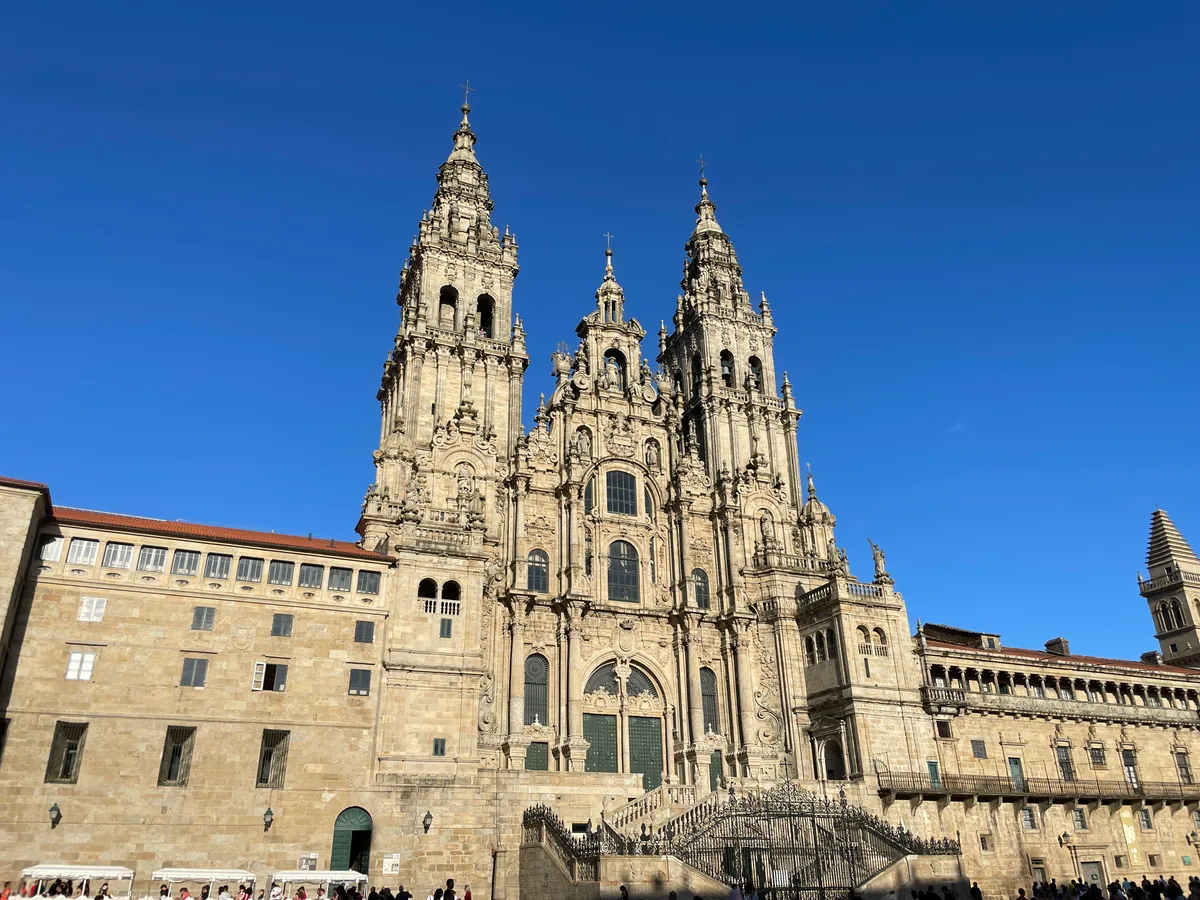
The final destination of the Camino de Santiago, the goal of pilgrims for over a thousand years, with its Pórtico da Gloria by Master Mateo, carved in the 12th century and considered one of the pinnacles of European Romanesque sculpture. Its more than two hundred figures, depicting the Last Judgement with exceptional detail and expressiveness for their time, have recently been restored, bringing back the original polychromy in all its splendour. Beneath the high altar, the crypt holds what tradition identifies as the remains of the Apostle James.
The symbolic heart of the city, where pilgrims complete their journey after weeks — sometimes months — on the road, facing the cathedral's baroque façade, added in the 18th century to protect the original Romanesque portico from the elements. Watching exhausted, emotional pilgrims arrive and drop their backpacks onto the square's cobblestones makes this one of the most moving spaces in Spain, charged with an emotion that transcends any creed.
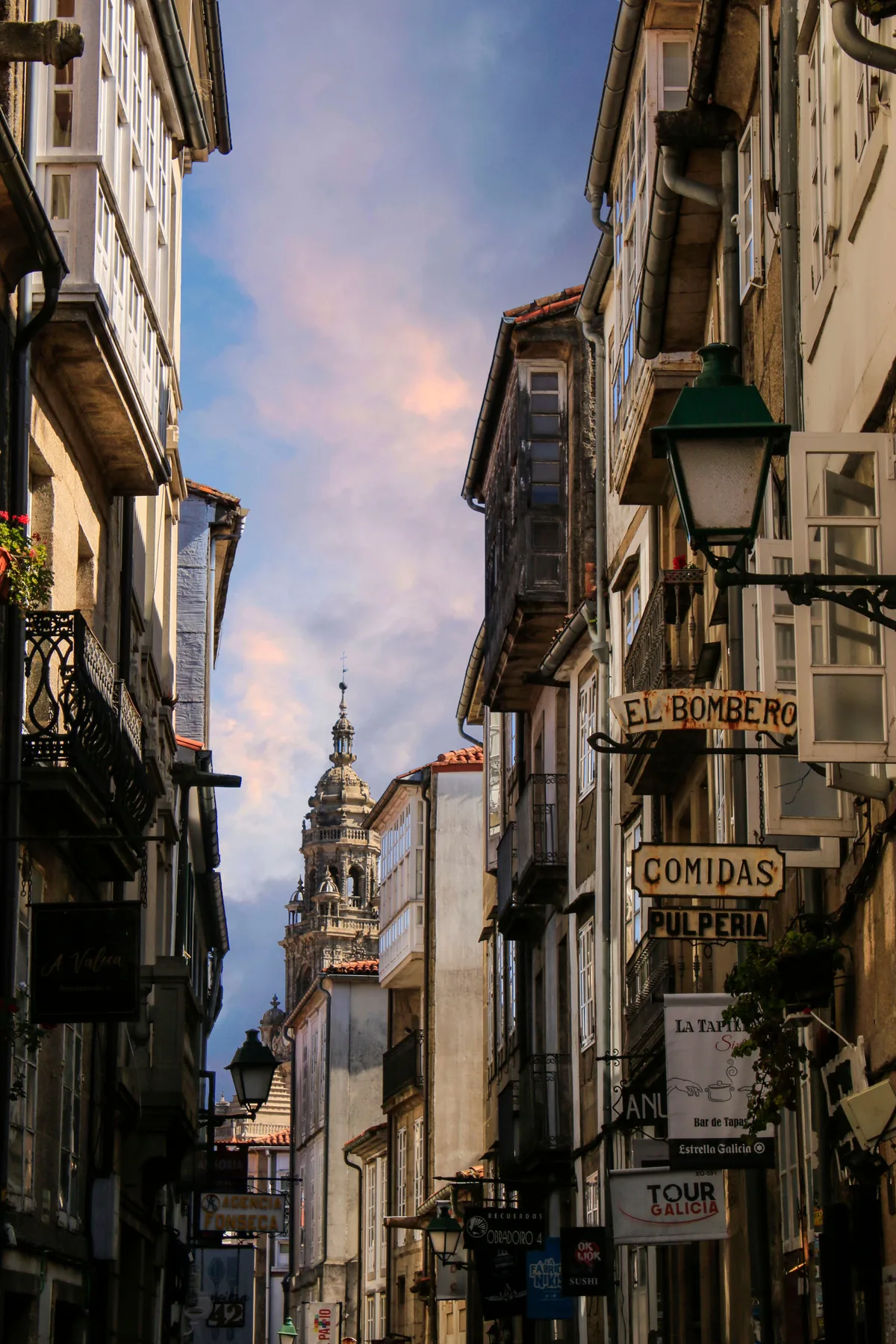
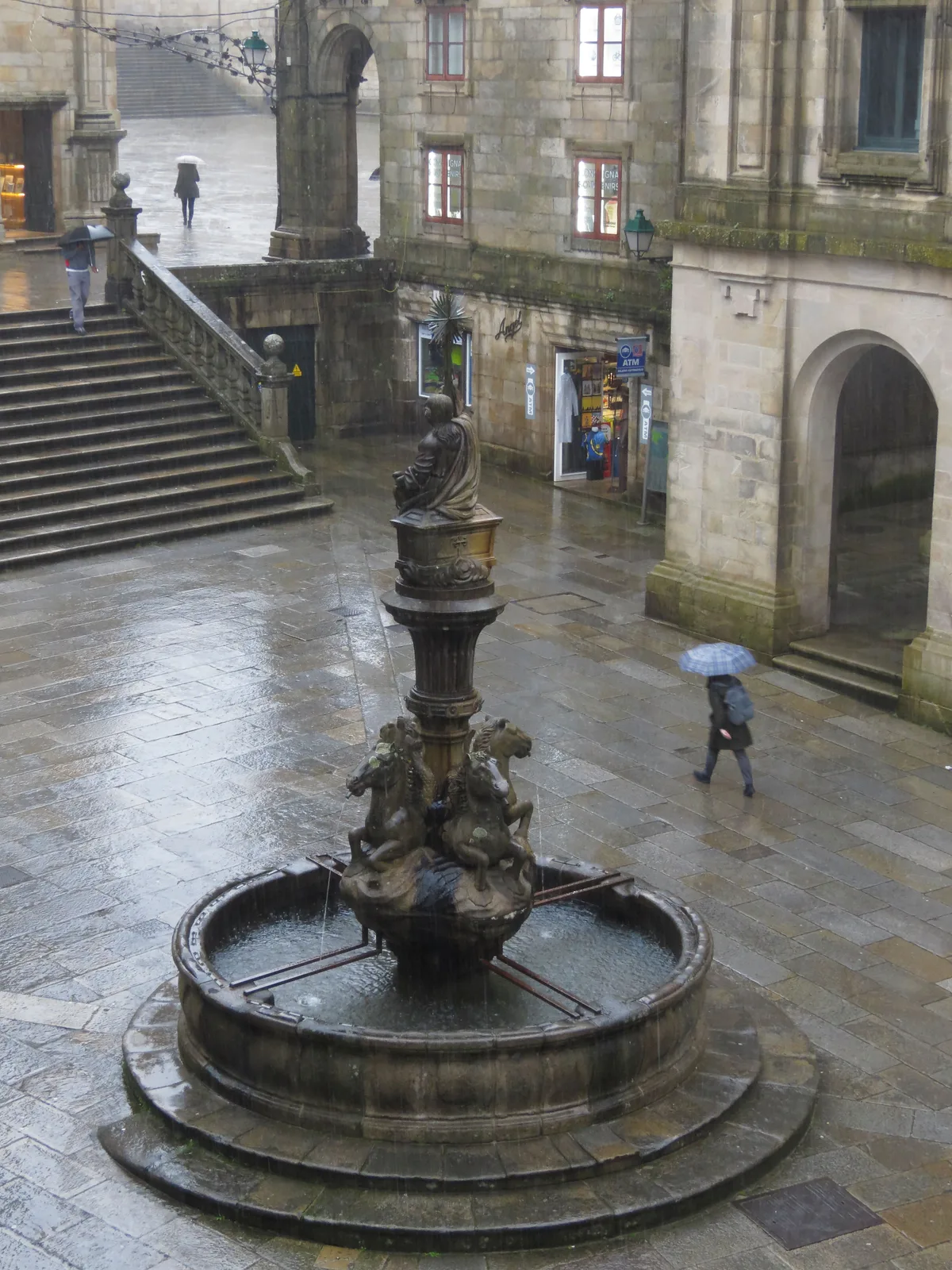
Golden-stone streets, arcades that shelter from Galicia's characteristic rainy weather, and hidden squares make up one of the best-preserved old towns in Spain, declared a World Heritage Site in 1985. Every corner hides a chapel, a manor house or a century-old inn, and the medieval layout, barely altered over the centuries, invites you to wander without a fixed route — the best way to discover Santiago beyond its cathedral.
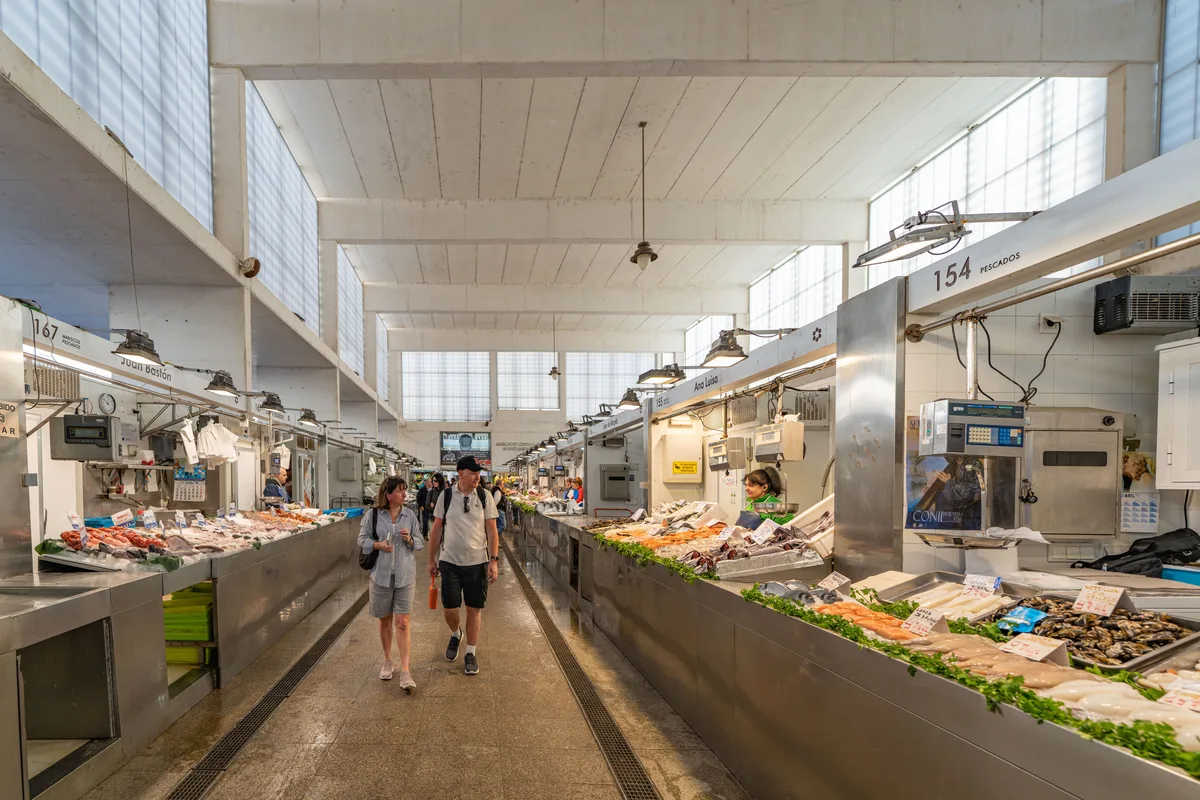
The quintessential traditional Galician market, running since 1873, with stalls of seafood, fish and local produce of exceptional quality, a direct reflection of the richness of the Galician rías. Many stalls offer the option of buying the produce and having a nearby bar cook it on the spot, a local tradition called "compra e cociña" ("buy and cook") that turns a simple visit into a memorable meal — an essential stop for truly understanding Galician cuisine.
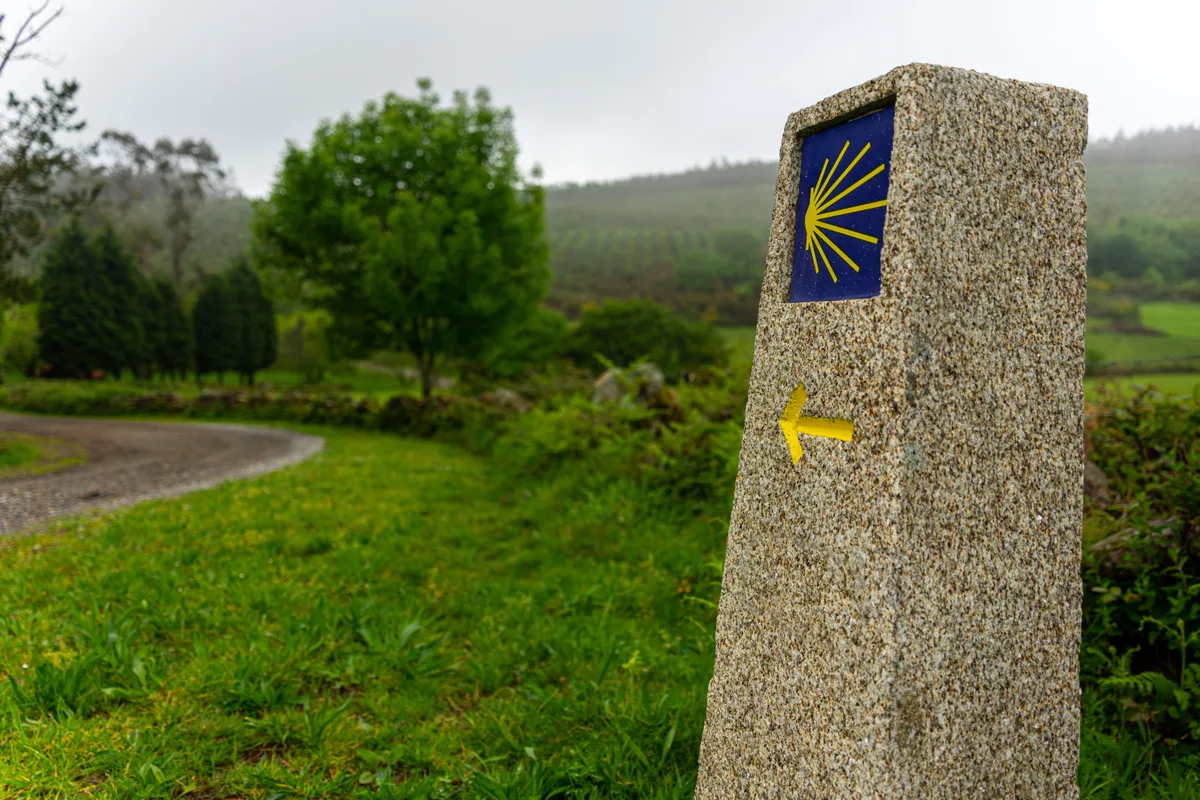
Walking even a symbolic final stretch of one of the routes that converge on the city — the French Way, the Portuguese Way, the Northern Way — is a unique way to grasp its historical and spiritual meaning, lived for over a millennium by millions of pilgrims of every belief and origin. Crossing Monte do Gozo, the last rise from which the cathedral's towers first come into view, is a moment many pilgrims describe as unforgettable.
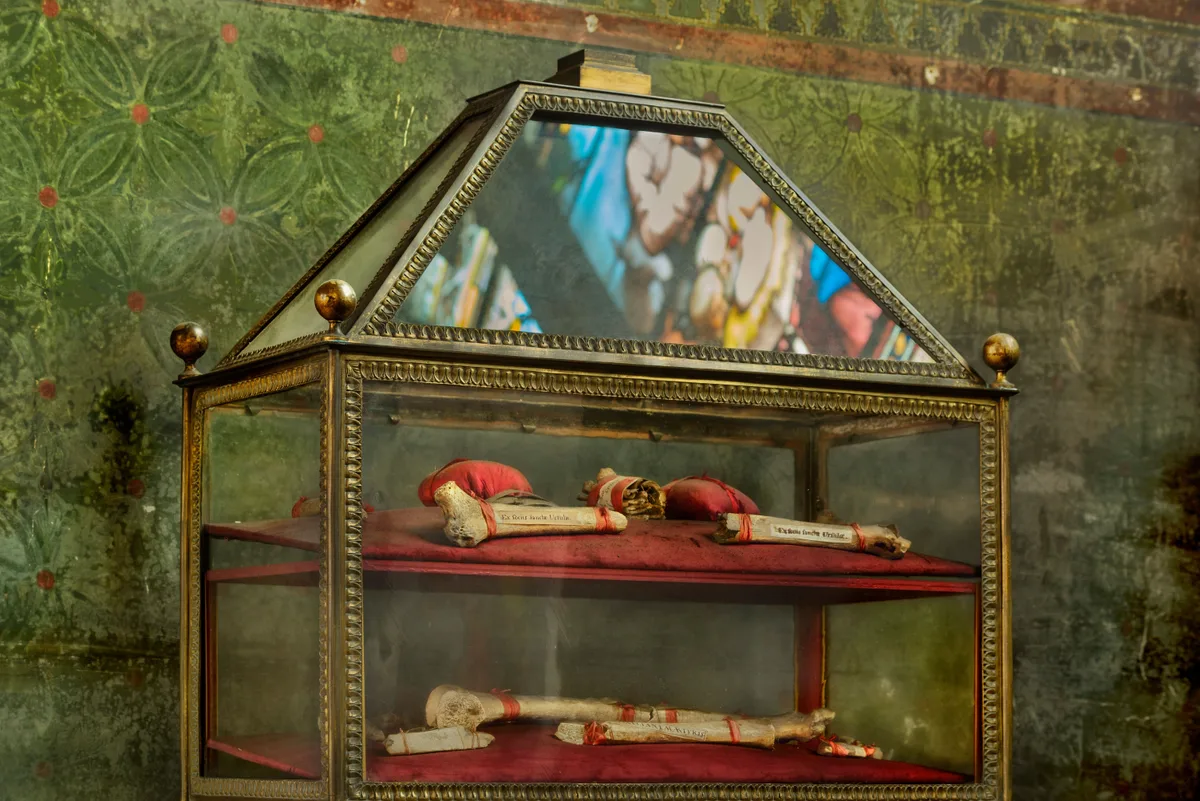
A journey through the history, art and meaning of the Jacobean pilgrimage phenomenon, housed in a 16th-century manor house in the heart of the old town. Its galleries explain, through objects, maps and artworks from different eras, how a local medieval cult grew into one of the largest pilgrimage routes in the world, with over 400,000 pilgrims arriving each year — ideal for gaining a deeper understanding of what the city is about, before or after visiting the cathedral.
Every year, hundreds of thousands of pilgrims reach Santiago on foot, by bicycle or on horseback via the different routes of the Camino de Santiago.
The cathedral's botafumeiro, a huge incense burner, can weigh over 50 kg and swings at high speed during certain celebrations.
Tradition holds that touching your forehead to the statue of Master Mateo on the Pórtico da Gloria grants wisdom.
Santiago de Compostela was, together with Rome and Jerusalem, one of the three great pilgrimage destinations of medieval Christianity.
The Plaza del Obradoiro brings together four distinct architectural styles across its four façades.
The "Compostela", the certificate pilgrims receive on completing the Camino, has been issued for centuries at the Pilgrim's Office beside the cathedral.
A private guide, handpicked hotels and skip-the-line access to every one of these sites.
Santiago is an unforgettable finale to any of our grand circuits through Spain and Portugal.