Day by day, activity by activity
Every stop on the route, with its indicative duration and corresponding photo.
Day 1 — Arrival in Barcelona
Welcome to Spain. Reception at Barcelona-El Prat Airport and private transfer to your hotel. The rest of the day is free to rest after the flight.
Day 2 — Barcelona: the city of Gaudí
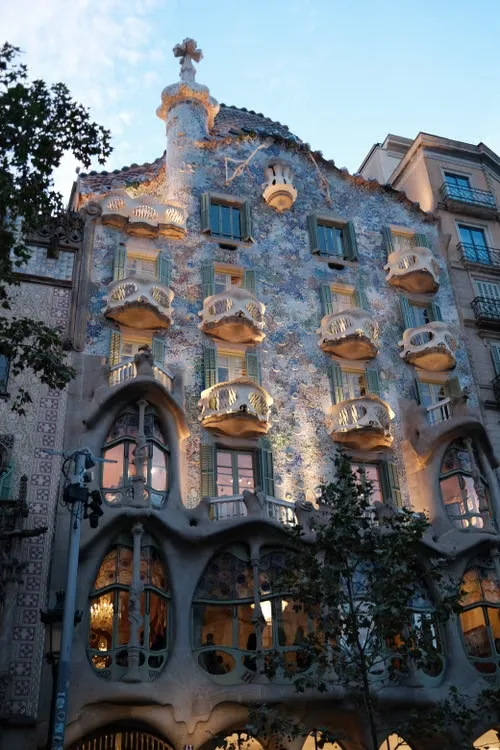
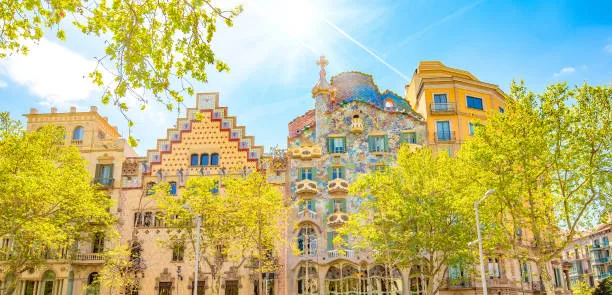
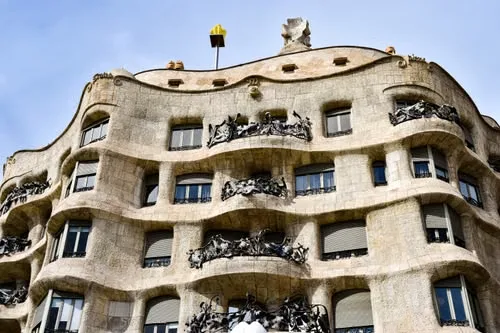
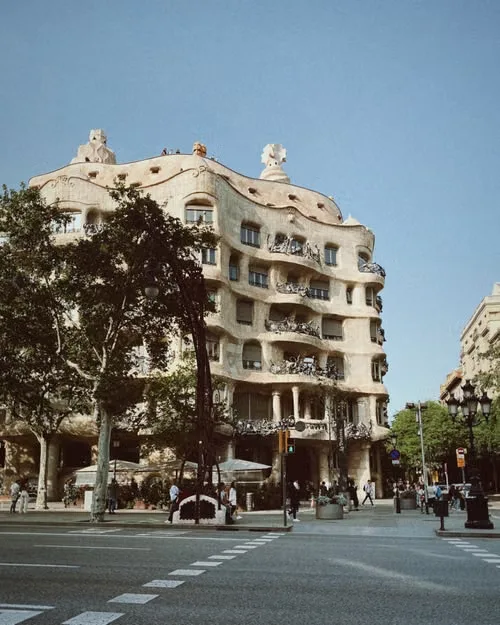
Two masterpieces by Antoni Gaudí flank the elegant Passeig de Gràcia: Casa Milà ("La Pedrera"), with its undulating façade that mimics the movement of the sea, and Casa Batlló, clad in mosaics that recreate the legend of Sant Jordi and the dragon. Both are UNESCO World Heritage Sites and the best possible introduction to the modernist genius who redefined Barcelona.
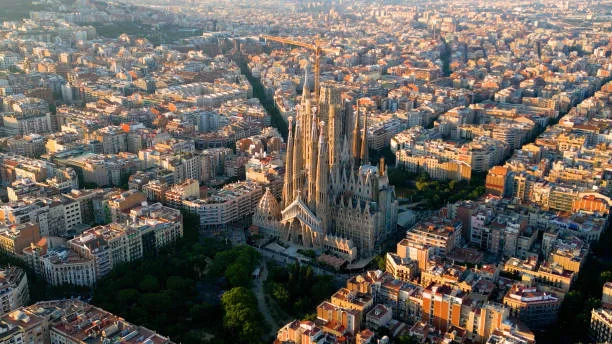
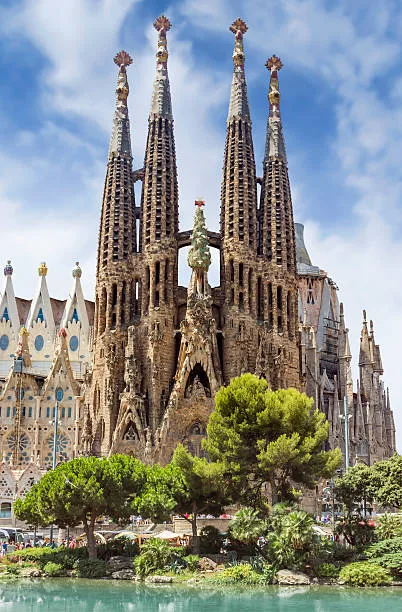
Gaudí's unfinished — perhaps unfinishable — masterpiece remains, more than 140 years after its first stone was laid, Spain's most visited religious building. Its interior, bathed in light filtered through stained glass that shifts colour with the time of day, has been described as "a stone forest": the columns branch upward toward the ceiling like real trees. A UNESCO World Heritage Site.
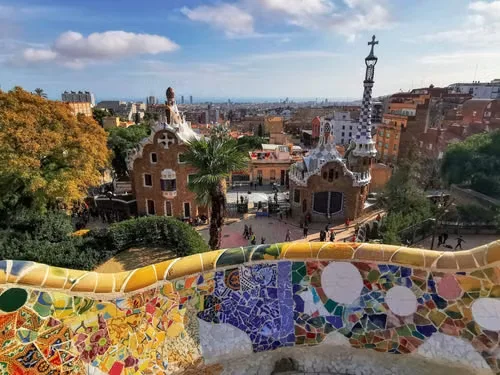
Originally conceived as a luxury housing development that was never completed, Park Güell is today a fantasy garden where trencadís — Gaudí's signature mosaic of broken tiles — covers undulating benches, palm-shaped columns and the iconic salamander that welcomes visitors at the entrance.
Day 3 — Barcelona → Zaragoza
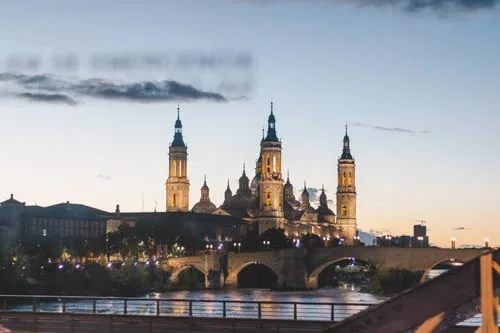
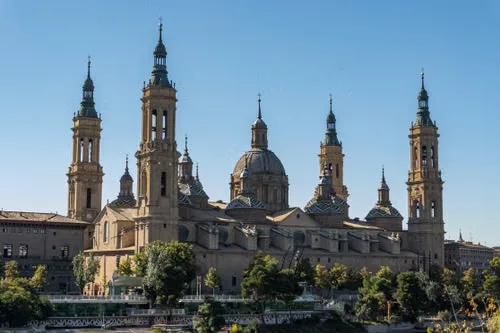
On the banks of the Ebro, the Basílica del Pilar is one of the most important Marian shrines in Christendom — tradition holds this was the site of history's first Marian apparition. Its skyline of domes, reflected in the river beside the historic Puente de Piedra, is Zaragoza's most recognisable image.
Day 4 — Zaragoza → Pamplona
Day 5 — Pamplona
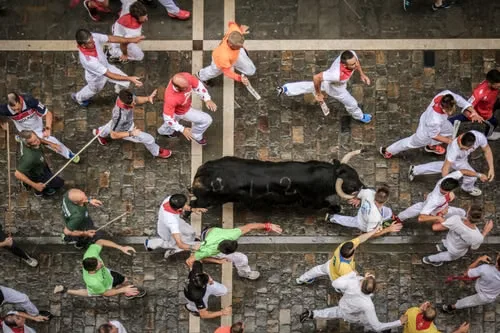
A full day in Pamplona. If it coincides with the San Fermín festival (July): a private balcony for the morning bull run and a bullfight in the afternoon, an exclusive experience subject to season. The rest of the year, a free day to explore the old town in depth.
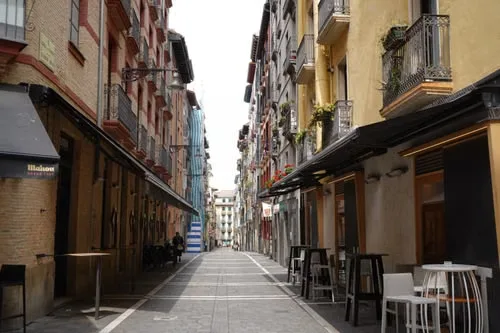
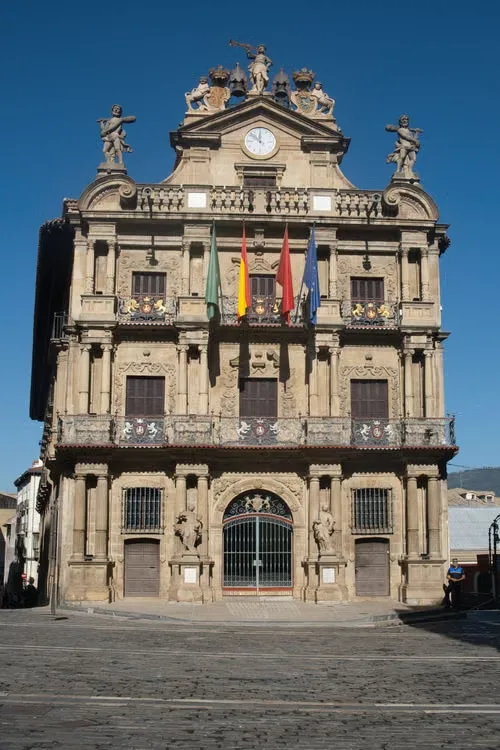
Immortalised by Hemingway in "The Sun Also Rises", for the rest of the year Pamplona lives at a much calmer pace, with a walled historic centre that invites a stroll between the Plaza del Ayuntamiento and the Gothic Cathedral.
Day 6 — Pamplona → San Sebastián → Bilbao
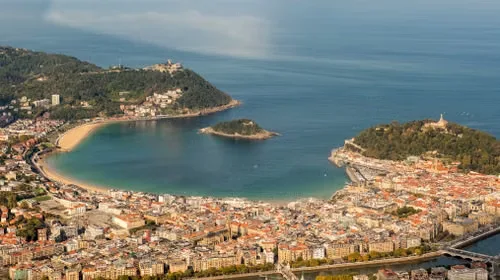
Considered one of Europe's most beautiful urban bays, La Concha Beach is the showcase of a city that has turned gastronomy into an art form: San Sebastián has more Michelin stars per square metre than almost anywhere else in the world. Its Old Town, lined with pintxo bars, is the best introduction to this culinary culture.
Pintxo tour through the old town. Continuation to Bilbao (102 km, 1h30).
Day 7 — Bilbao: the Guggenheim effect
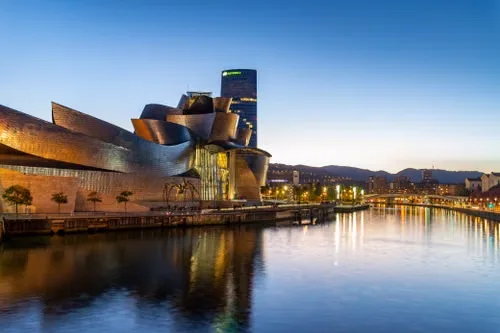
Frank Gehry's titanium-clad building transformed Bilbao from a declining industrial city into a world reference for contemporary art — the phenomenon critics dubbed "the Guggenheim effect". Its collection, along with Louise Bourgeois's sculptural spider "Maman" at its feet, draws more than a million visitors every year.
Stroll through the Casco Viejo with a tasting of Basque steak (chuletón) and pintxos.
Day 8 — Bilbao → Oviedo
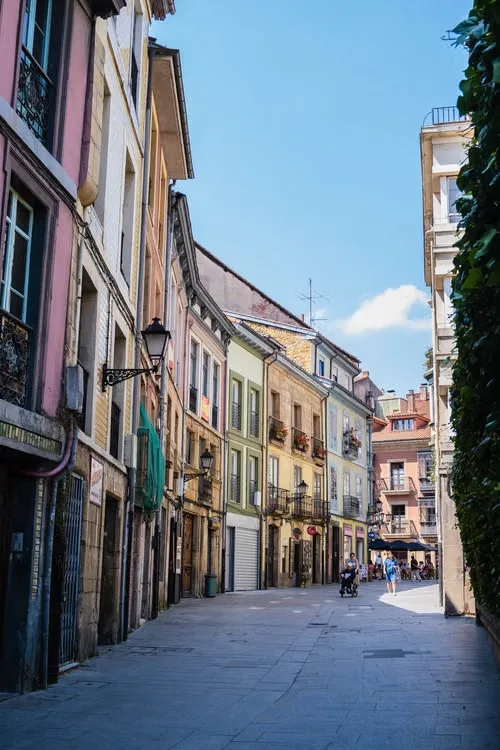
Capital of the Kingdom of Asturias in the early Middle Ages, Oviedo preserves a group of pre-Romanesque churches declared a UNESCO World Heritage Site, along with an elegant historic centre that Woody Allen once called "the most beautiful city in the world".
Stroll through the historic centre and its pre-Romanesque churches.
Day 9 — Oviedo → Gijón → Santiago de Compostela
A morning excursion to Gijón: San Lorenzo Beach and Asturian cuisine. Continuation to Santiago de Compostela — the route always passes through Asturias, since the direct Bilbao–Santiago drive exceeds 5h30 and doesn't make commercial sense in a single day.
Day 10 — Santiago de Compostela
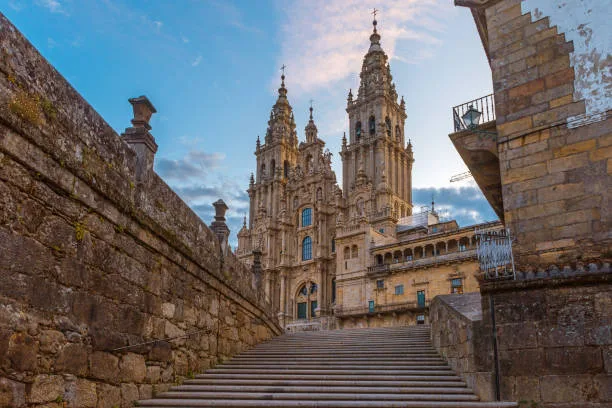
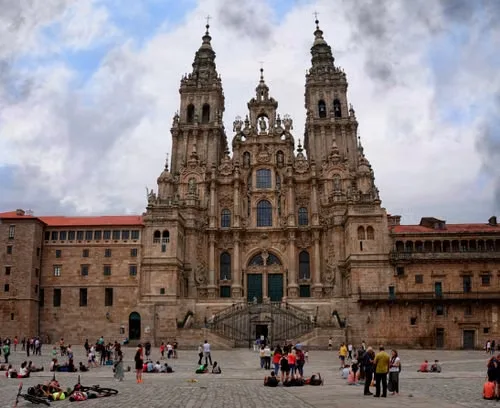
The final destination of the Camino de Santiago for over a thousand years, the Cathedral that houses the tomb of the Apostle James is one of Christianity's great pilgrimage centres, alongside Rome and Jerusalem. Its Obradoiro façade, the incense of the Botafumeiro and the square that bears its name convey an emotion that is hard to put into words.
Day 11 — Santiago de Compostela → Porto
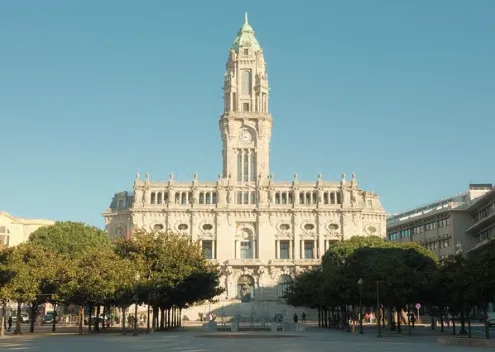
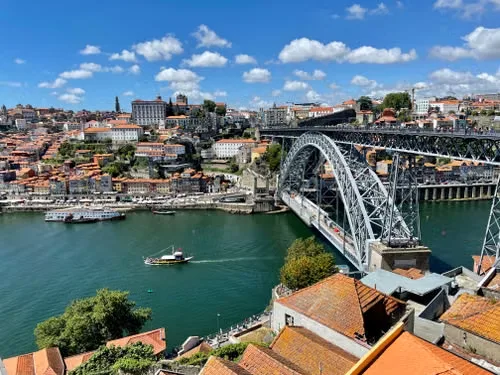
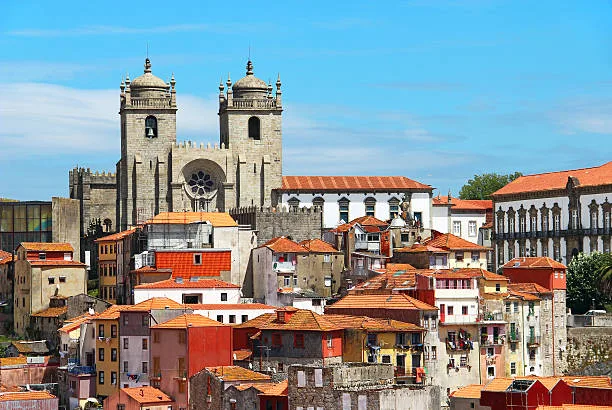
The Dom Luís I Bridge, designed by a disciple of Gustave Eiffel, links the two banks of the Douro with a silhouette that has become the symbol of the city. Beside it, the Stock Exchange Palace (Palácio da Bolsa) hides one of Portugal's most sumptuous halls — the Arab Room — while Porto Cathedral (Sé do Porto) has watched over the Ribeira district since the 12th century.
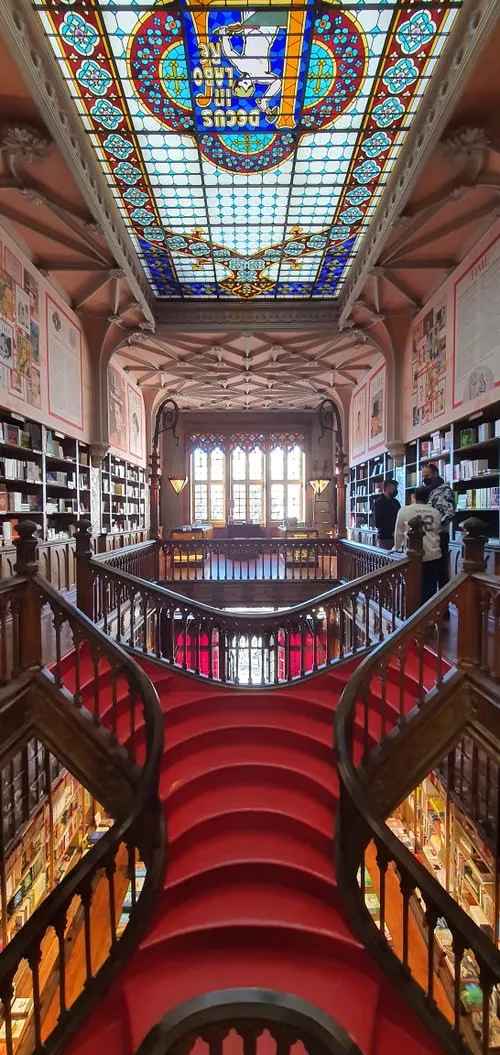
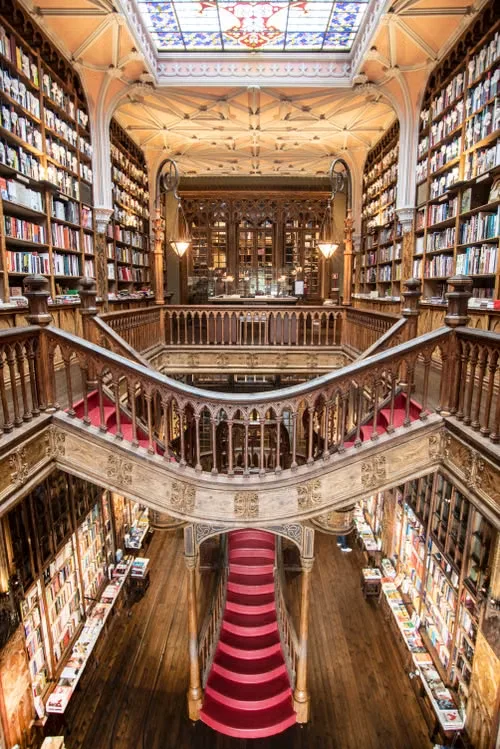
Considered one of the most beautiful bookshops in the world, its curved wooden staircase and neo-Gothic stained glass are said to have inspired J.K. Rowling during her time in Porto — many claim to recognise here the visual seed of Hogwarts.
Day 12 — Porto → Lisbon
Day 13 — Lisbon: castles, Alfama and the Age of Discovery
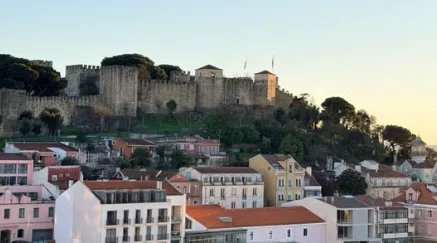
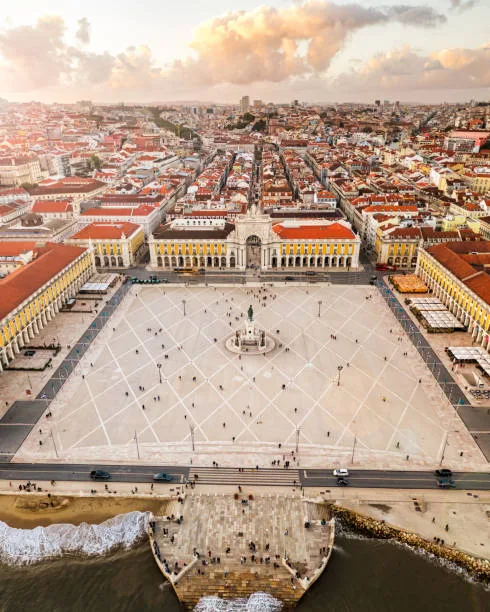
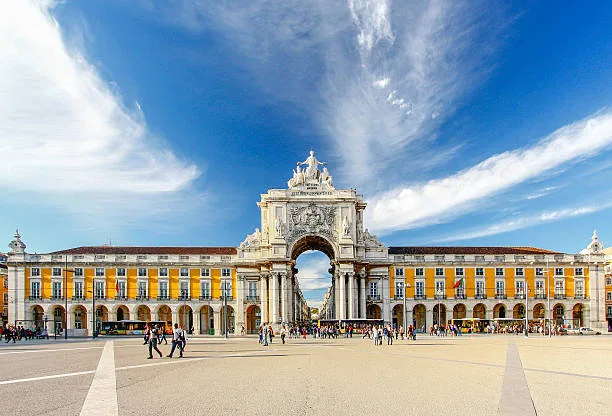
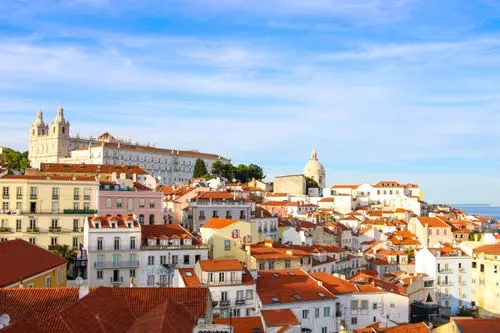
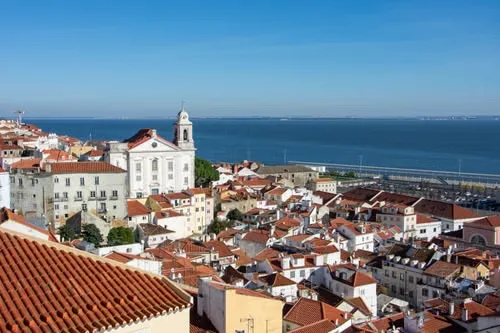
From the ramparts of São Jorge Castle, Lisbon unfolds in a mosaic of terracotta rooftops down to the Tagus. At its feet, the maze of narrow streets in Alfama — the city's oldest neighbourhood, a survivor of the 1755 earthquake — sums up the soul of Lisbon: fado drifting from courtyards, laundry hung between balconies and viewpoints offering some of Portugal's most photographed views.
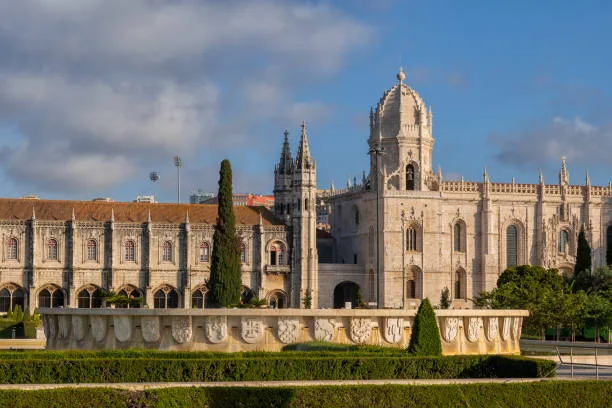
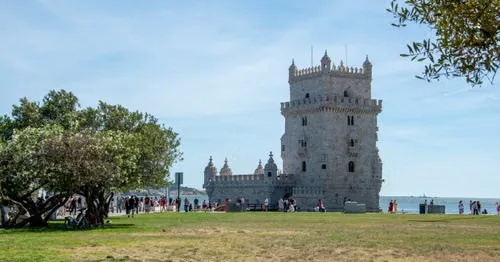
A UNESCO World Heritage Site and the finest expression of Manueline style, the Jerónimos Monastery was funded by the riches brought home by Portugal's maritime discoveries — it is here, fittingly, that Vasco da Gama rests. On the banks of the Tagus, Belém Tower once guarded the harbour entrance and today stands, together with the monastery itself, as the ultimate symbol of the Age of Discovery.
Day 14 — Lisbon → Sintra → Lisbon
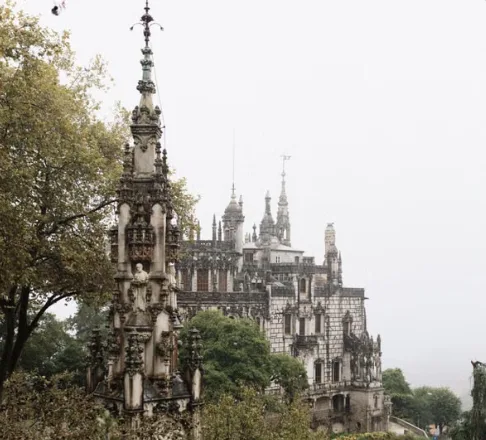
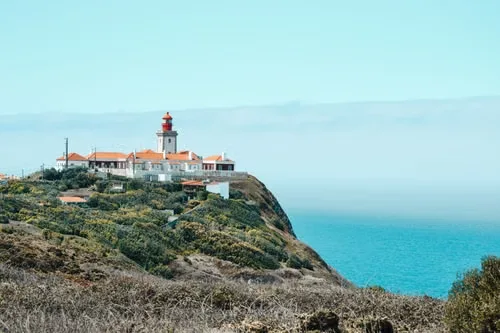
Quinta da Regaleira is Sintra's most enigmatic corner: a neo-Manueline palace surrounded by gardens with grottoes, initiation wells and Masonic symbolism that invites hours of wandering. A few kilometres away, Cabo da Roca marks the westernmost point of continental Europe — the place where, in the words of the poet Camões, "the land ends and the sea begins".
Return to Lisbon in the late afternoon.
Day 15 — Lisbon → Évora → Seville
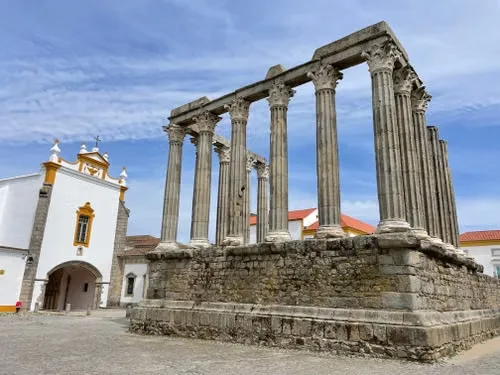
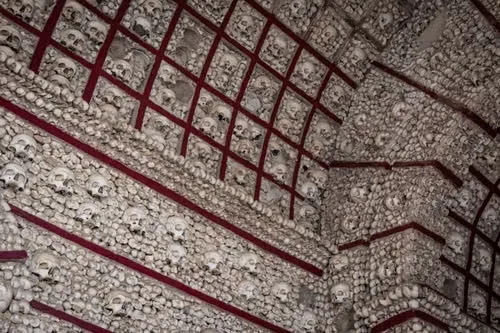
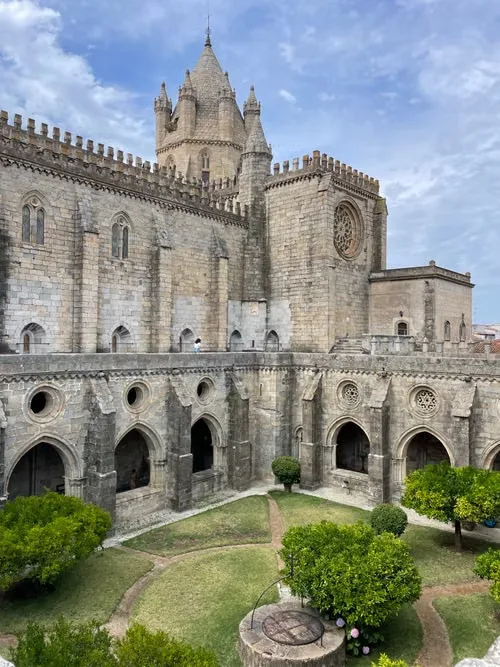
A UNESCO World Heritage Site, Évora preserves one of the best-preserved Roman temples on the Iberian Peninsula. Its most singular corner, the Chapel of Bones, lines its walls with the remains of more than 5,000 people — a medieval reminder of the brevity of life that still strikes visitors six centuries on.
Continuation to Seville (324 km, 3h30).
Day 16 — Seville: Alcázar, Cathedral and flamenco
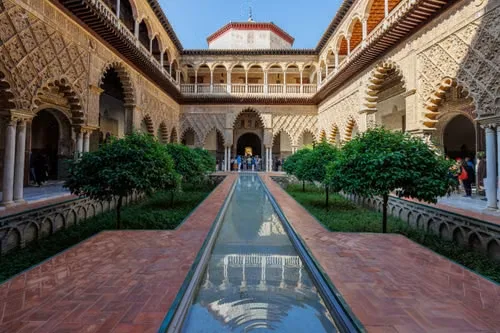
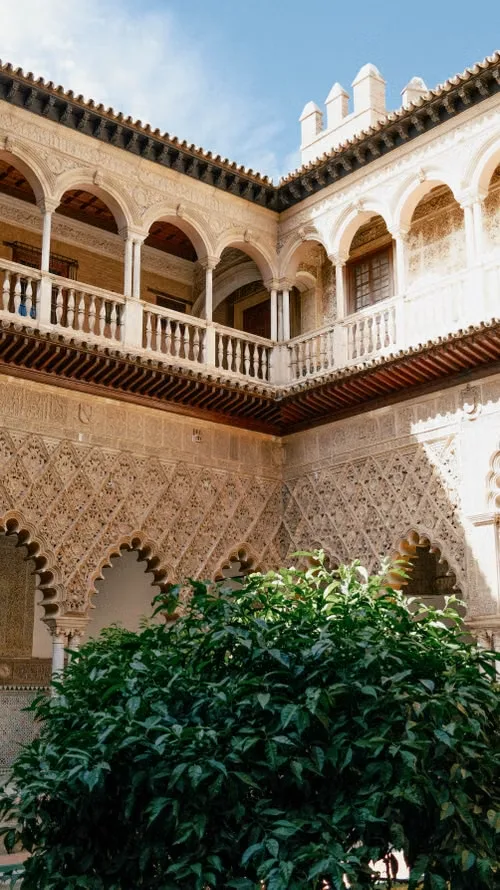
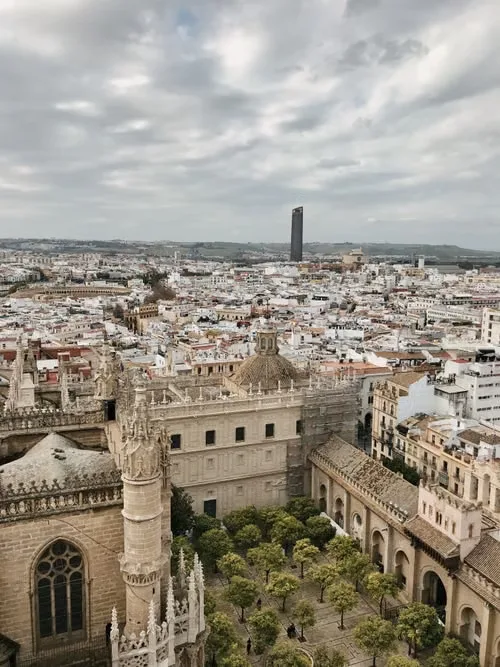
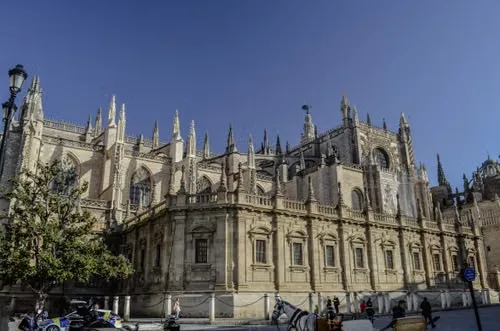
The Real Alcázar, a UNESCO World Heritage Site, is the oldest royal palace still in use in Europe: a dazzling example of Mudéjar architecture that served as a filming location for "Game of Thrones". A few steps away, Seville Cathedral — the largest Gothic cathedral in the world — holds the tomb of Christopher Columbus beneath the shadow of the Giralda, a former Almohad minaret turned bell tower.
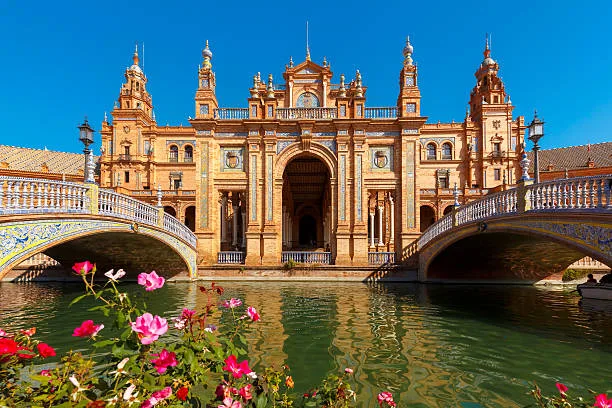
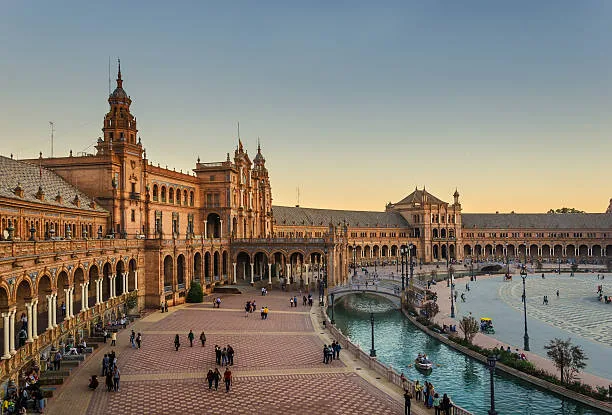
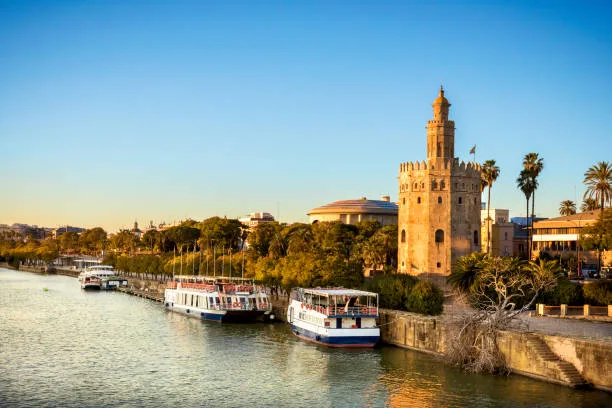
The Torre del Oro, a 13th-century military watchtower on the banks of the Guadalquivir, tells the defensive history of Islamic Seville. The Plaza de España, built for the 1929 Ibero-American Exposition, is simply monumental: a 50,000 m² semicircle with tiled alcoves representing every Spanish province, navigable canals and architecture that has served as a set for "Lawrence of Arabia" and "Star Wars".
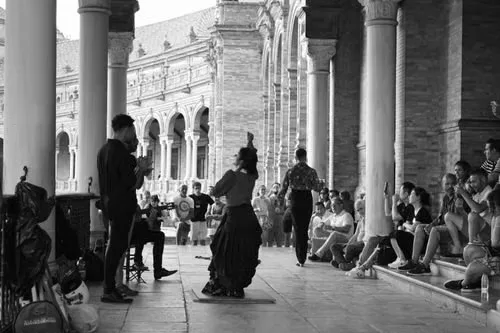
Flamenco, declared an Intangible Cultural Heritage of Humanity, was born precisely in this land. An evening of singing, dancing and guitar in a Seville tablao is the most authentic way to feel Andalusian "duende".
Day 17 — Seville → Ronda → Costa del Sol
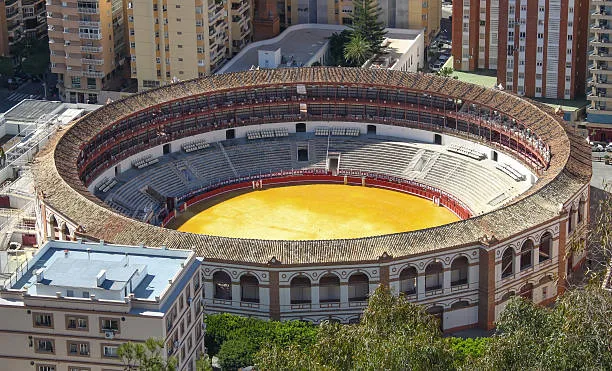
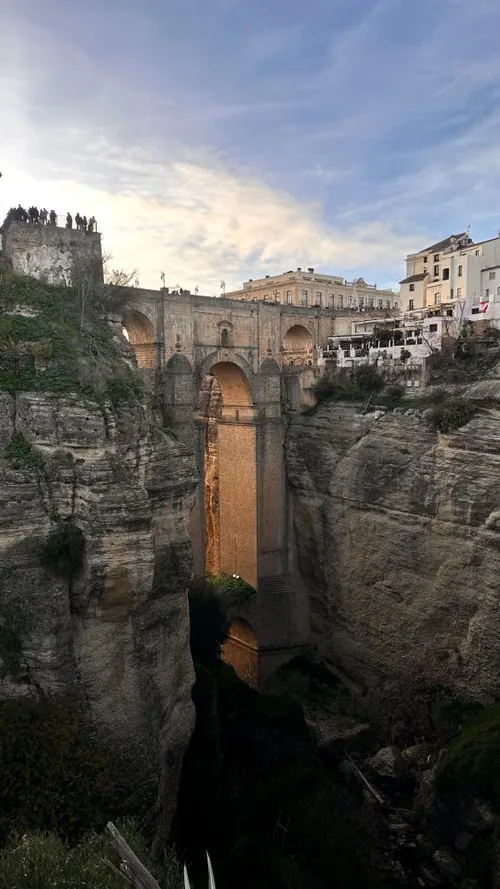
Hemingway described it as the perfect place for a romantic getaway, and it only takes leaning over the Puente Nuevo — suspended 100 metres above Ronda's gorge — to understand why. The Plaza de Toros, one of the oldest in Spain, is the birthplace of modern bullfighting on foot.
Tasting of oxtail stew (rabo de toro). Continuation to the Costa del Sol.
Continuation to the Costa del Sol (approx. 1h25, 110 km).
Day 18 — Málaga
Málaga is a place where the weight of history is lived on the street and facing the Mediterranean Sea: over 2,800 years of history that saw Phoenicians, Romans and Moors pass through, leaving traces such as the Alcazaba and the Roman Theatre. Its old town blends that past with a vibrant nightlife, century-old taverns and the smell of fried fish (pescaíto frito).
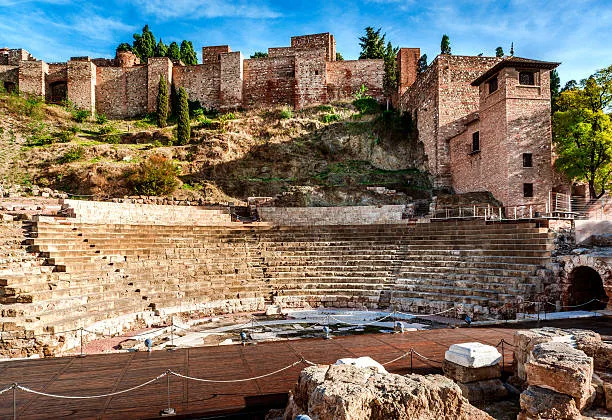
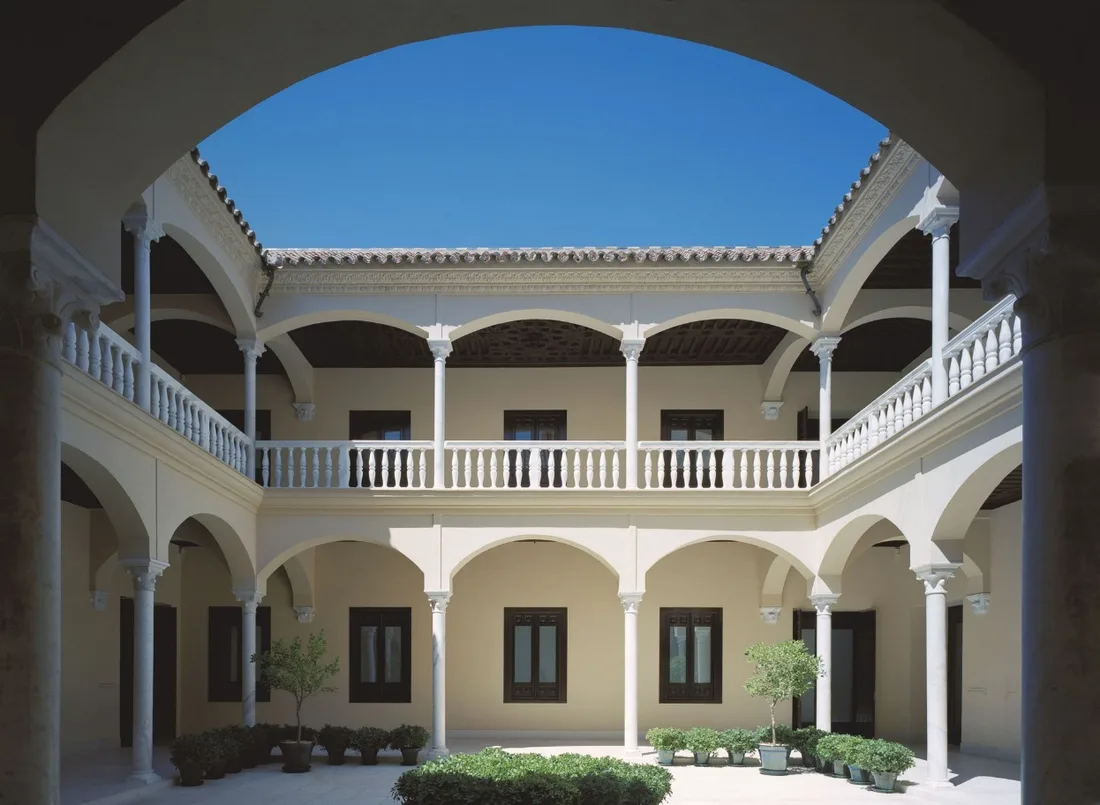
Birthplace of Pablo Picasso, Málaga combines the Moorish legacy of Gibralfaro Castle — with privileged views over the bay — with one of Andalusia's liveliest cultural scenes. The Picasso Museum traces the Málaga-born genius's career through more than 200 works donated by his own family.
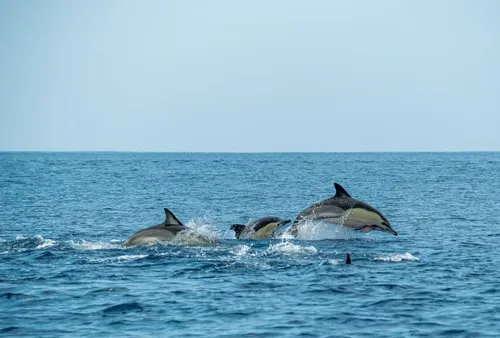
Off the Costa del Sol, wild bottlenose dolphins swim freely in one of Europe's most accessible natural habitats for the species. A boat trip at sunset is, for many travellers, one of the most moving moments of the entire journey.
Day 19 — Costa del Sol → Granada
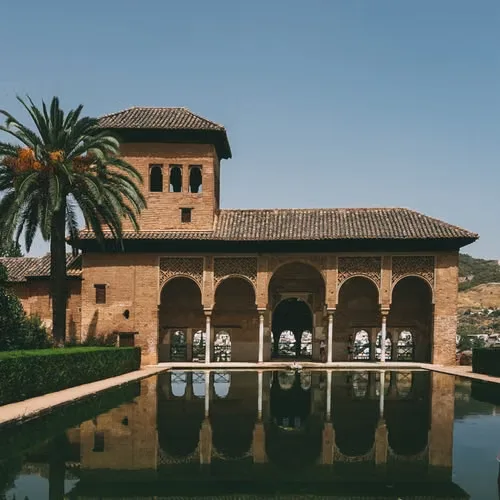
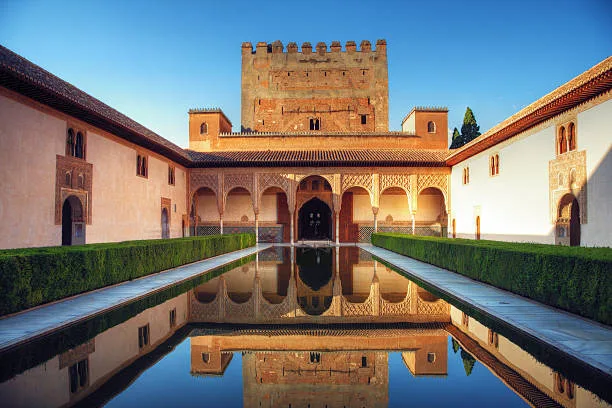
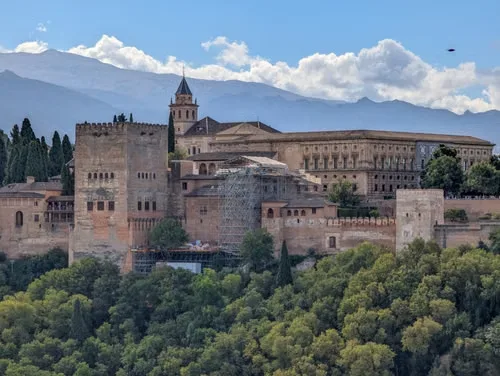
Considered by many to be Spain's most important architectural jewel, the Alhambra is an ode in stone, water and plaster to Nasrid art: the Nasrid Palaces, the Court of the Lions and the gardens of the Generalife are pure Andalusi poetry.
From the Mirador de San Nicolás, at sunset, the silhouette of the Alhambra set against the Sierra Nevada is one of Spain's most iconic images.
Day 20 — Granada → Toledo → Madrid
An intense transit day — it can be split into two days if the client prefers.
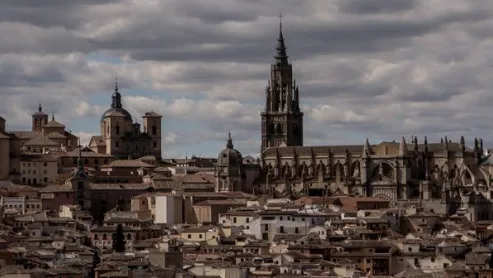
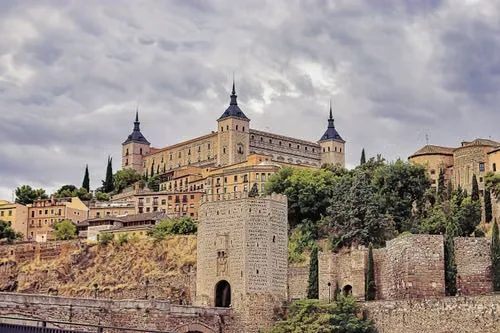
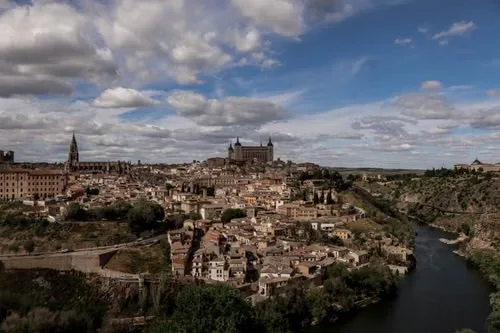
Once the capital of Visigothic, Muslim and Christian Spain, Toledo is known as "the city of the three cultures" for the historic coexistence of Christians, Muslims and Jews within its walls. Its Primate Cathedral, one of the high points of Spanish Gothic architecture, and the imposing Alcázar crowning the city bear witness to more than a thousand years of intertwined history.
Transfer to Atocha station. High-speed train Toledo–Madrid (approx. 30 min).
High-speed train Toledo → Madrid, approx. 30 min.
Day 21 — Madrid: farewell and departure
The last day of the tour: a grand, quintessentially Madrid send-off through the capital before departure.
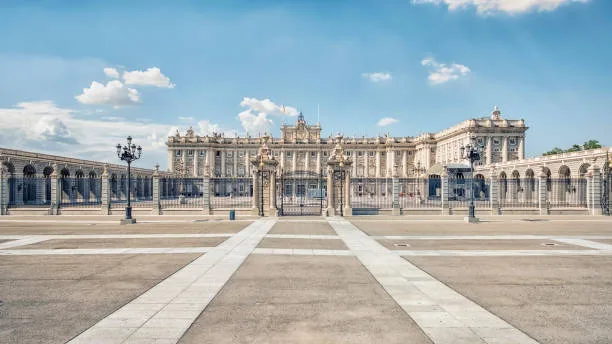
Europe's third-largest royal palace, with more than 3,000 rooms, remains the official — though unoccupied — residence of the Spanish Royal Family. Its Throne Room, Royal Armoury and Royal Pharmacy make for a visit that is a direct journey into the splendour of the 18th- and 19th-century Spanish court.
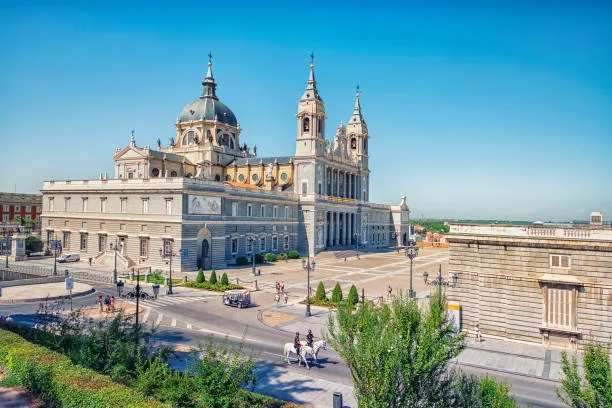
Almudena Cathedral rests on Madrid's old Arab wall. Its neoclassical silhouette crowns the capital's skyline with regal elegance. The temple blends centuries of waiting with a light-filled neo-Gothic interior. Its modern stained-glass windows guard devotion to the city's patron saint. It is the monumental mirror where living history and contemporary art meet.
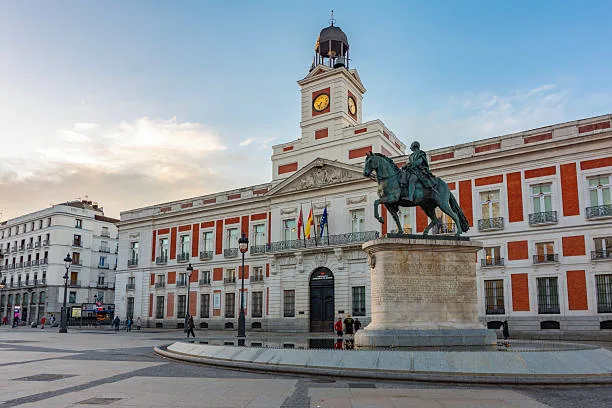
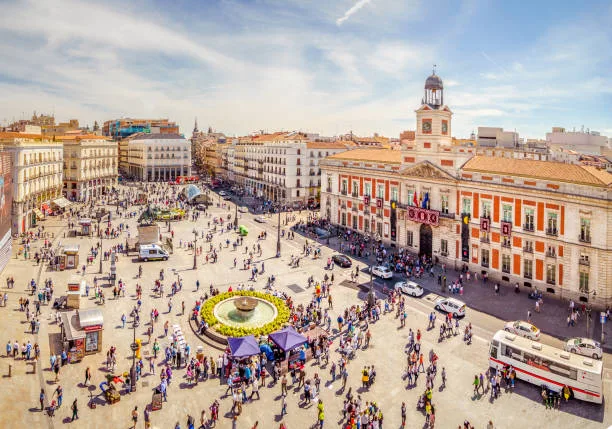
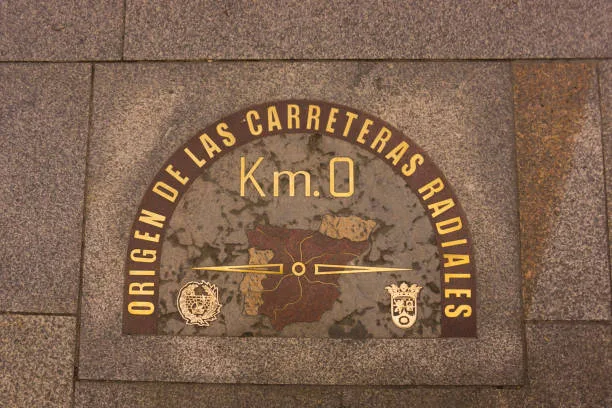
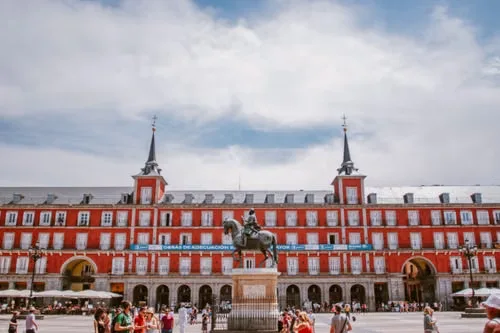
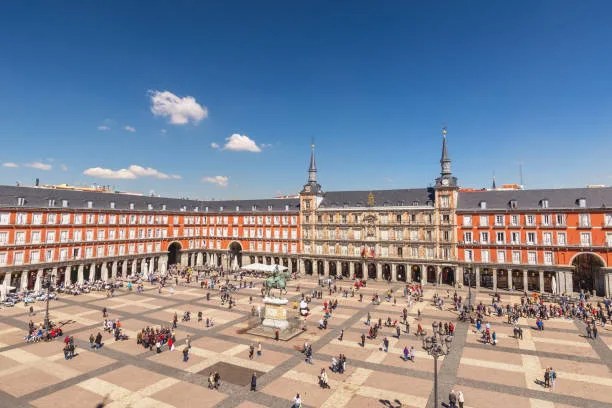
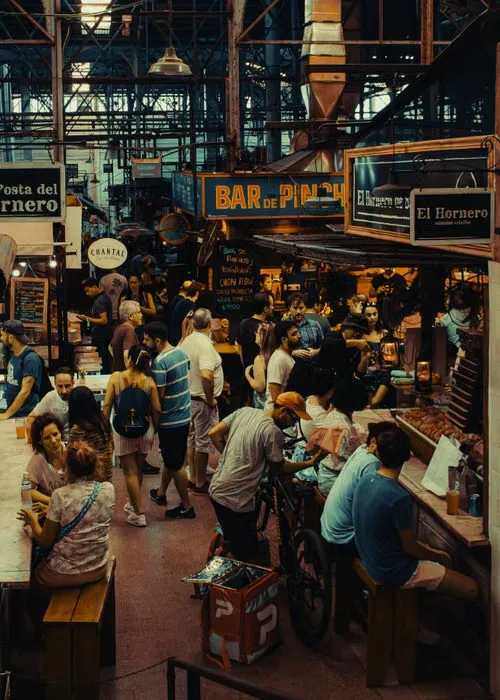
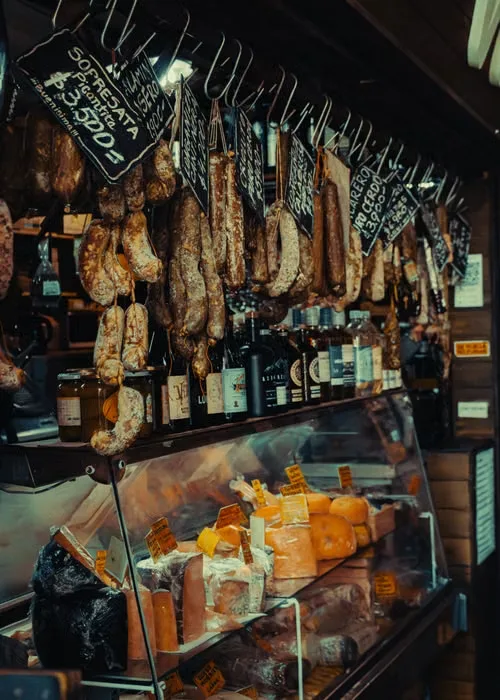
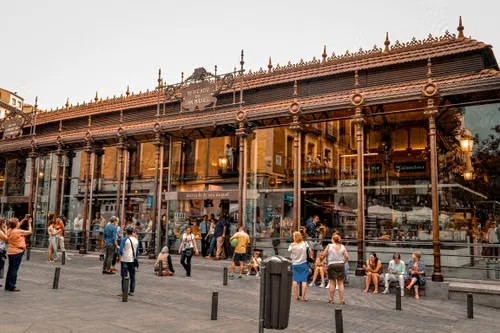
Kilometre Zero of Spain's roads (Puerta del Sol), the elegant Plaza Mayor — for centuries the stage for coronations, bullfights and autos-da-fé — and the Mercado de San Miguel, an iron-and-glass gastronomic temple from 1916, complete this stroll through the most quintessentially Madrid corners. Not to be missed: churros with chocolate at a century-old chocolatería (San Ginés).
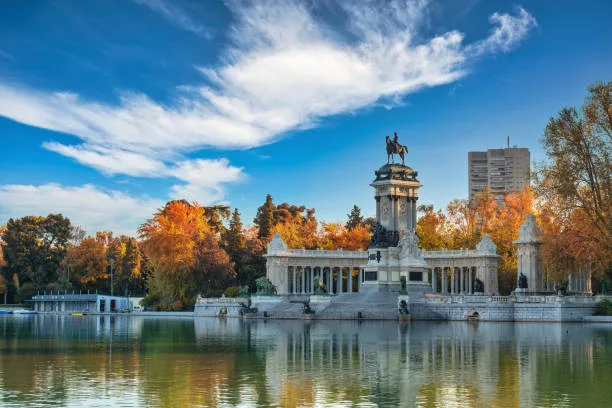
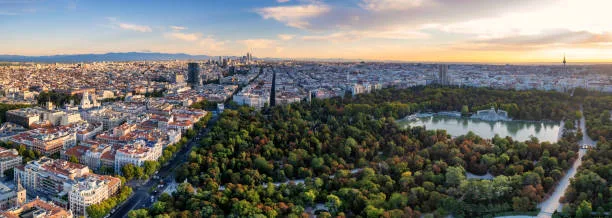
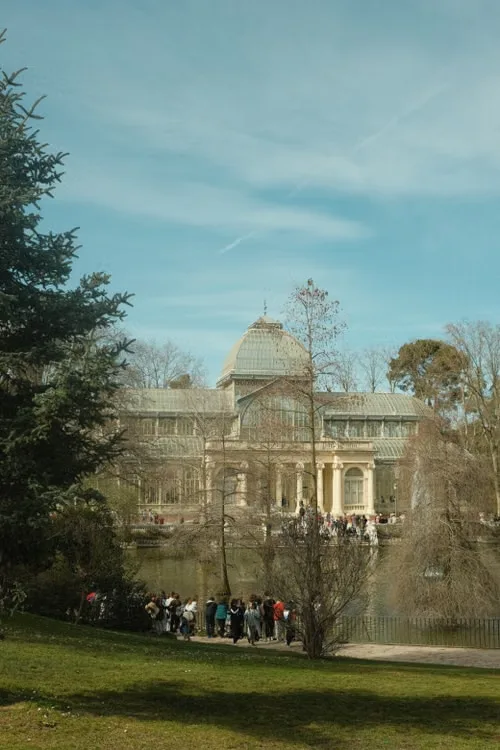
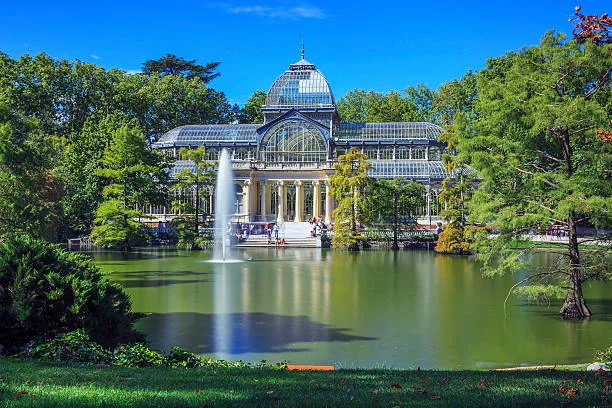
A former royal garden turned into Madrid's great green lung, the Retiro is home to the Palacio de Cristal — an 1887 iron-and-glass greenhouse that today hosts contemporary art exhibitions — beside a lake where madrileños and visitors have been rowing for more than a century.
Assistance with Tax Refund and transfer to Madrid-Barajas Airport. Journey's end — until the next adventure.