Spain
San Sebastián Travel Guide — La Concha, Pintxos & Private Tours
Spain's most elegant bay, where fine dining is served on every corner and the sea is always present.
Spain's most elegant bay, where fine dining is served on every corner and the sea is always present.
San Sebastián is the city where natural beauty and culinary excellence reach their fullest expression together — a combination that has made it one of Europe's most coveted destinations.
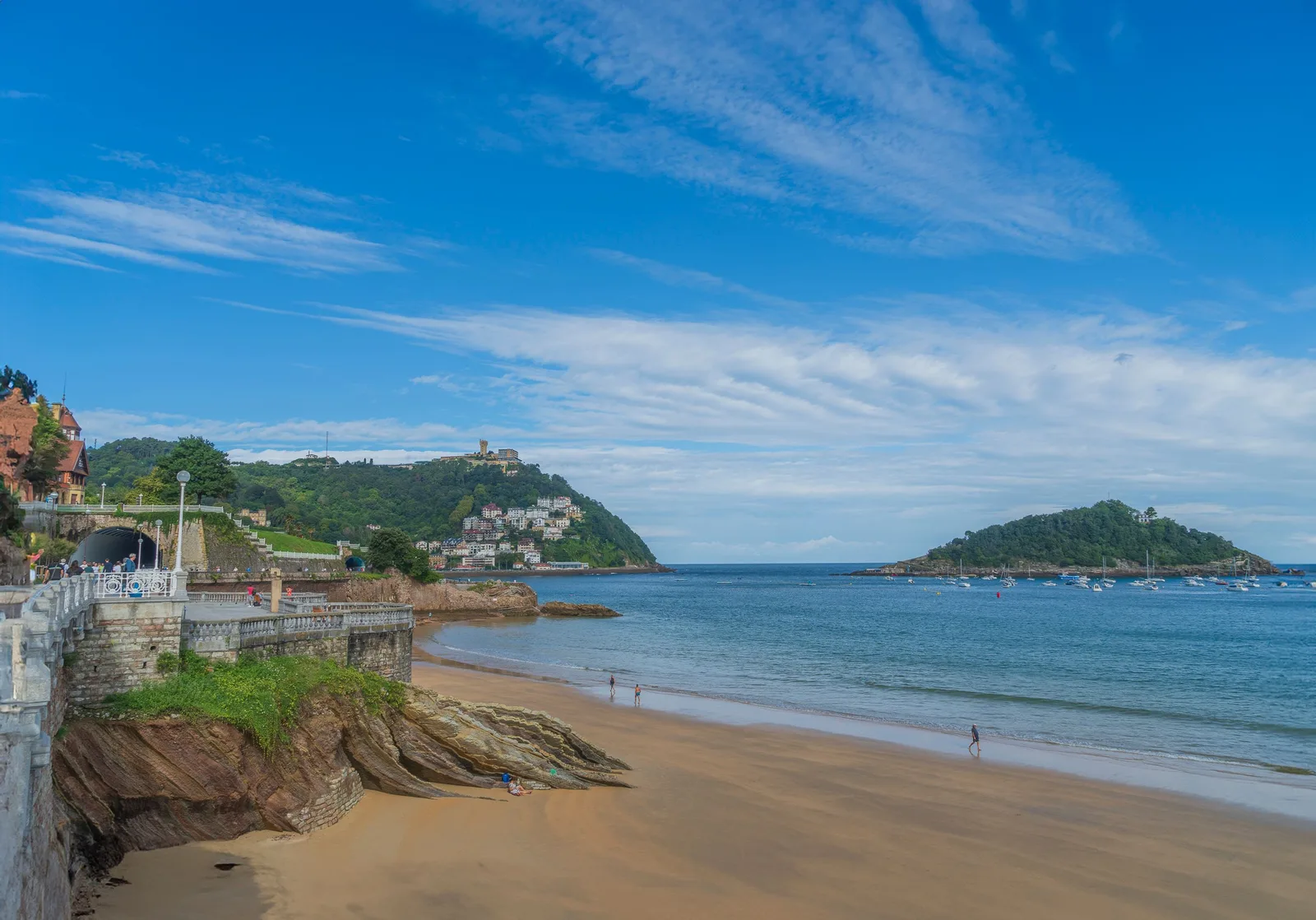
Few urban bays in the world achieve the perfection of La Concha Bay, with its fine sand, its seafront promenade and the Island of Santa Clara floating right at its centre. Around it unfolds an elegant, compact city, heir to the glamour bestowed by the 19th-century Spanish court, when Queen Isabel II made it her favourite summer destination.
But if one thing has made San Sebastián a destination of pilgrimage, it's its cuisine: here you'll find one of the highest densities of Michelin stars on the planet, and its Old Town is a beehive of bars packed with pintxos that rival the finest haute cuisine in creativity. Bay, gastronomy and film culture — few cities offer so much in so little space.
San Sebastián, Donostia in Basque, was founded around 1180 by Sancho VI of Navarre as a fortified port on the Cantabrian coast. For centuries it was a trading and fishing town of modest importance, until in 1813, during the Peninsular War, a devastating fire destroyed much of the city.
From those ashes rose a city completely rebuilt in an elegant French-influenced style that still defines its urban character today. And it was precisely that new elegance that attracted, in the second half of the 19th century, Queen Isabel II and the Spanish court, who made San Sebastián their reference summer residence — giving rise to its enduring fame as a chic beach destination.
In the 20th century, the city added a first-class cultural dimension: since 1953 it has held one of the world's most prestigious film festivals, and over the decades it also established itself as a world capital of avant-garde gastronomy.
A selection no Viavora itinerary ever skips.
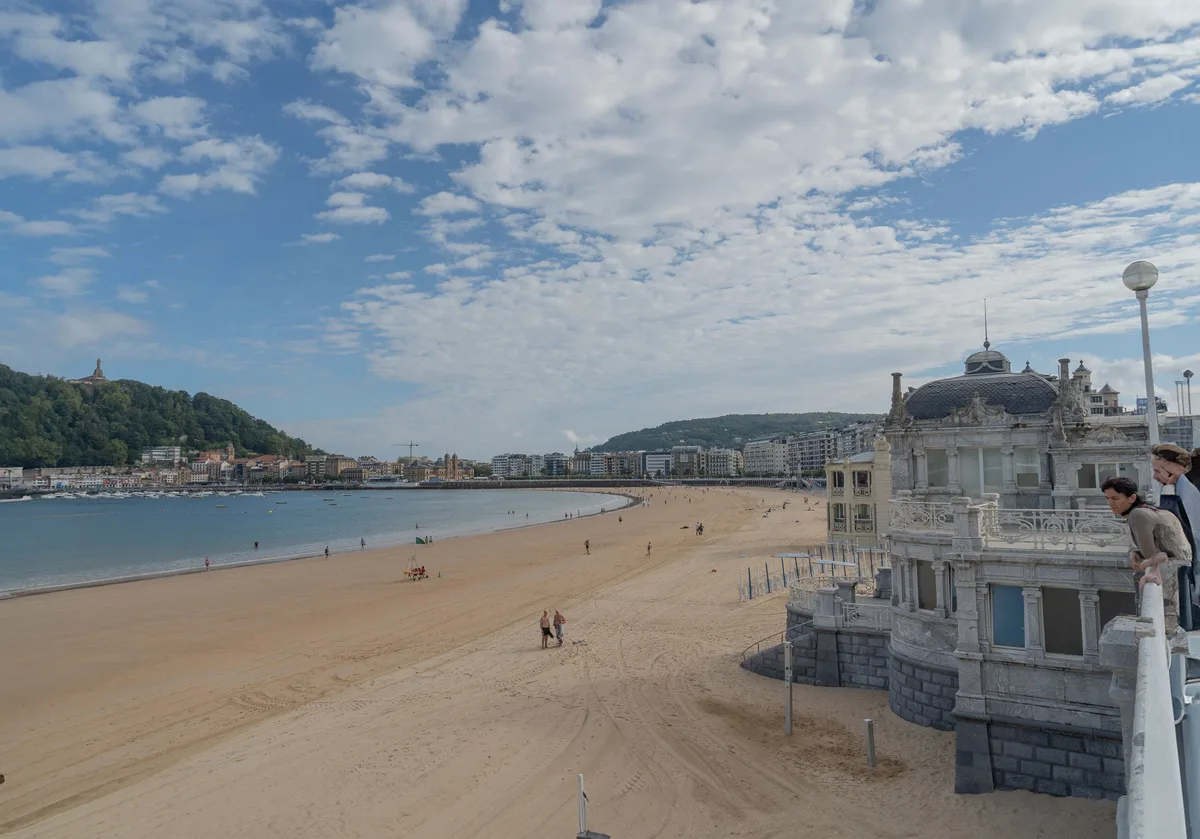
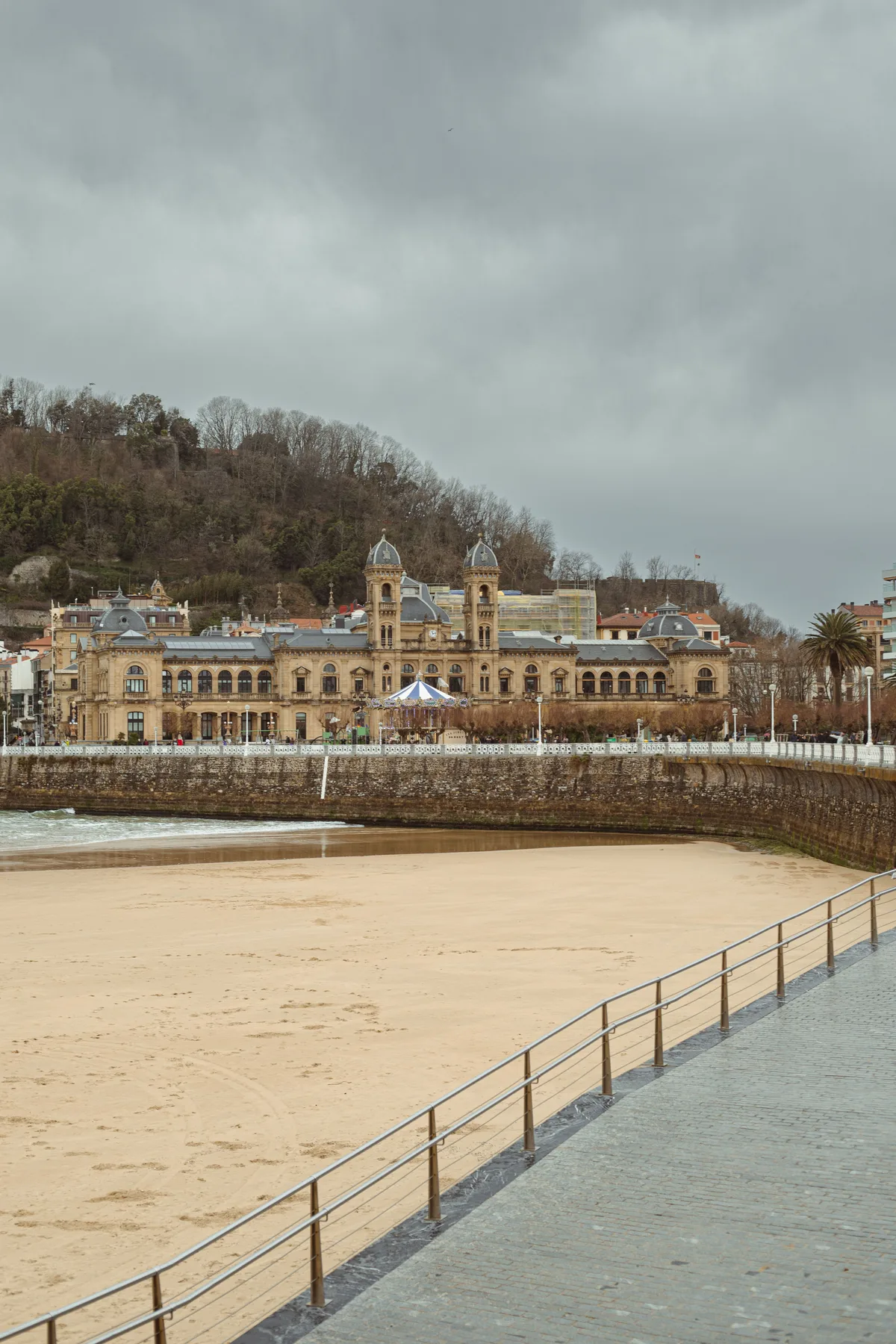
One of the most beautiful urban bays in Europe, with a perfect shell shape — hence its name — fine sand, a balustraded seafront promenade nearly two kilometres long, and the Island of Santa Clara floating right at its centre. Flanked by Mount Urgull and Mount Igueldo, which act as natural guardians of the bay, with the majestic City Hall building — a former casino — as its backdrop, La Concha is the perfect setting to understand why this city wins over anyone who visits at first sight.
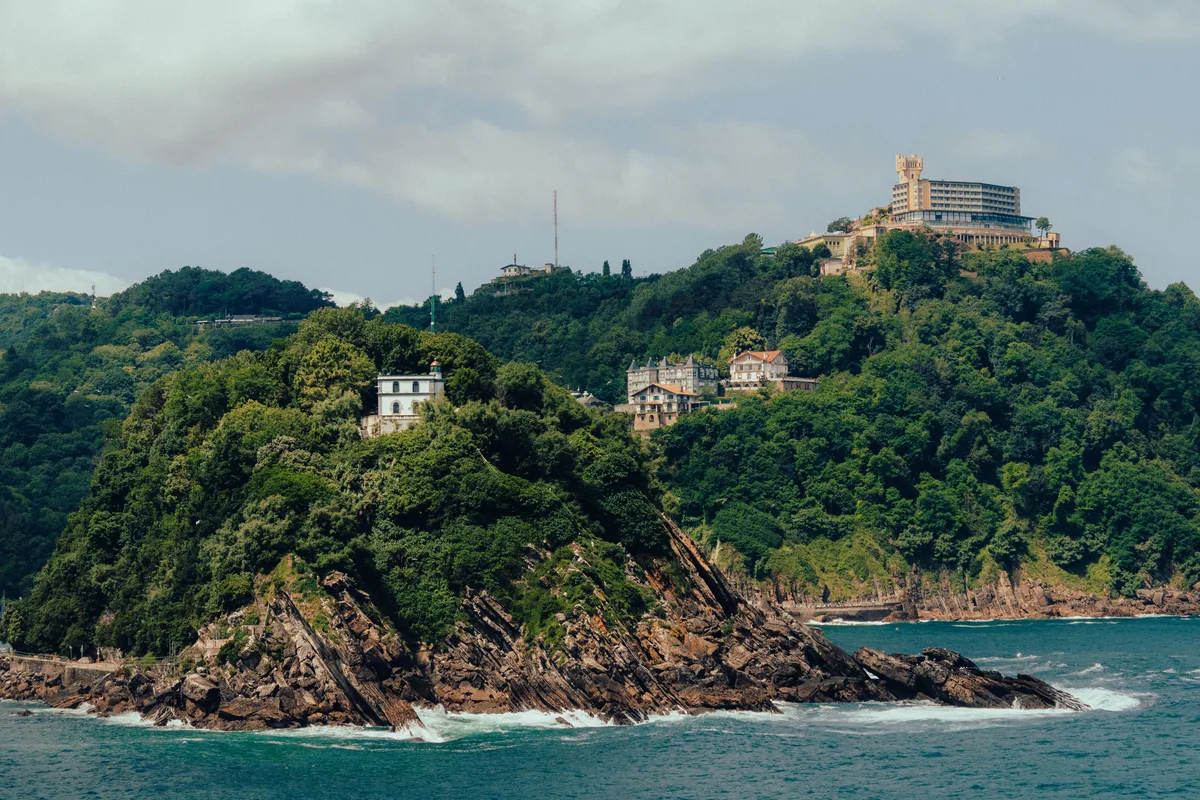
The city's classic viewpoint, reached by a century-old funicular that has climbed to the summit since 1912, with panoramic views over the whole bay and the Cantabrian coast stretching all the way to France on clear days. At the top, a vintage-style amusement park with over a century of history adds a touch of nostalgia to the visit, making the climb an outing for families and for anyone simply after the best photograph of the city.
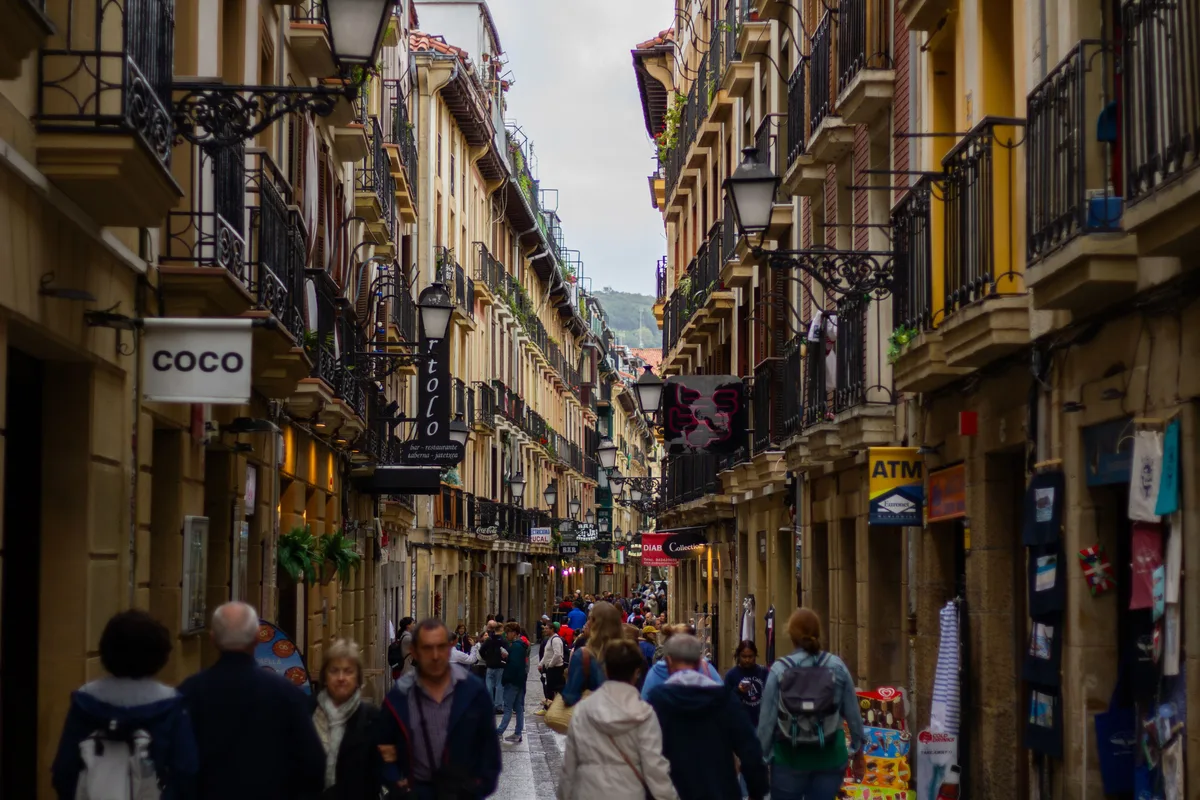
The old quarter, rebuilt after the fire that destroyed the city in 1813, is home to the highest concentration of pintxo bars in the city, each one competing to serve the most sophisticated creation in an atmosphere of friendly rivalry that has made San Sebastián a world gastronomic reference despite its small size. Working your way along its narrow streets, bar after bar, tasting small culinary works of art washed down with txakoli, is a feast for the senses that sums up the spirit of the city.
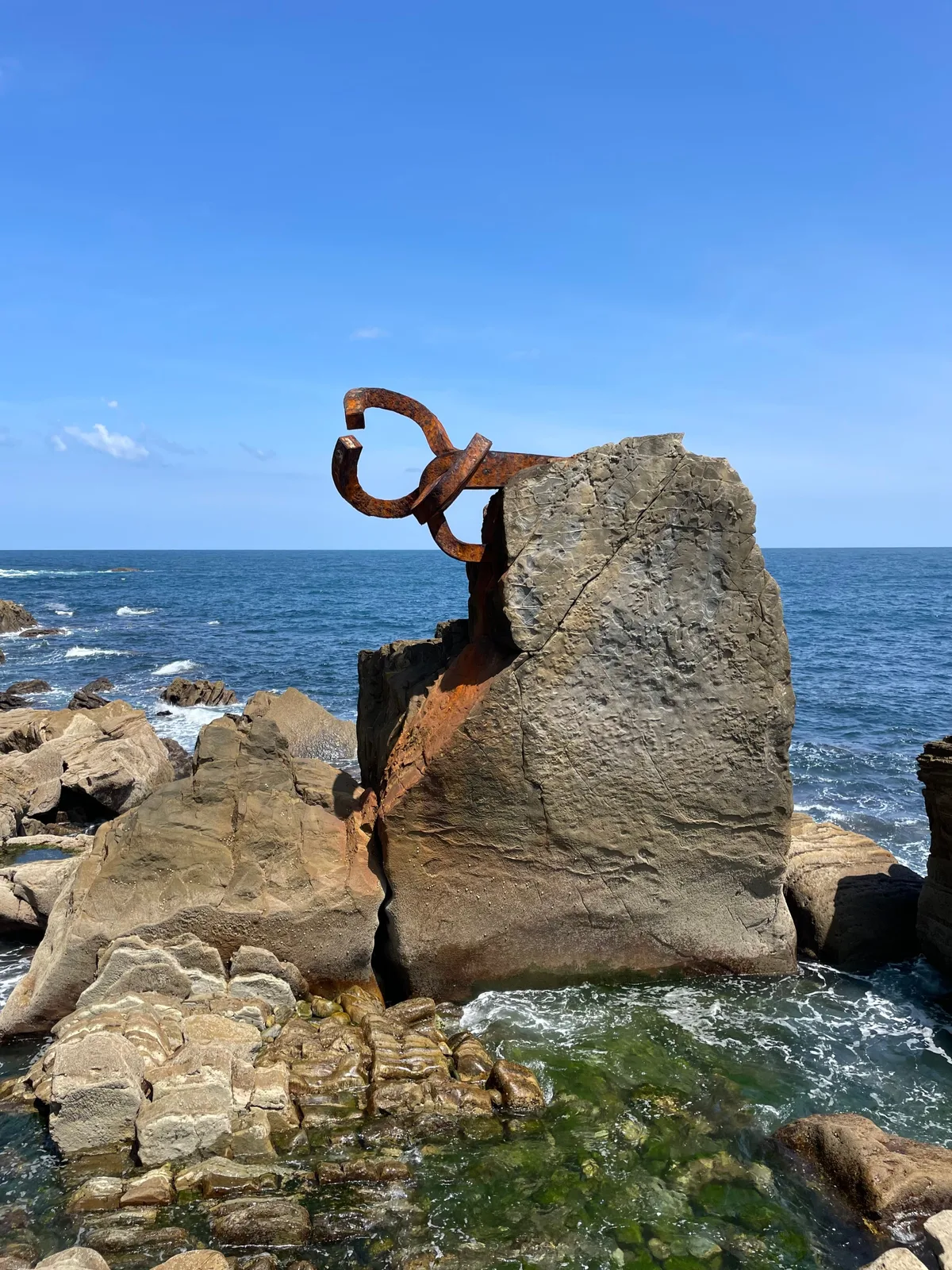
Eduardo Chillida's sculpture, made up of three weathering-steel pieces anchored into the rocks at the end of Ondarreta beach, converses with the sea and the wind in a way the artist himself considered the culmination of his entire body of work. Installed in 1977 after years of studies into how the steel's rust would withstand marine erosion, it has become one of the most photographed and evocative spots in the whole Basque Country, especially at sunset, when the waves crash forcefully against the metal.
The former summer residence of the Spanish royal family, built in the late 19th century by the regent Queen María Cristina, who turned San Sebastián into an aristocratic summer destination for decades and laid the foundations of its international fame. Although the palace's interior cannot be visited, its gardens are open to the public free of charge, offering privileged views over La Concha Bay from one of the calmest, most elegant spots in the city.
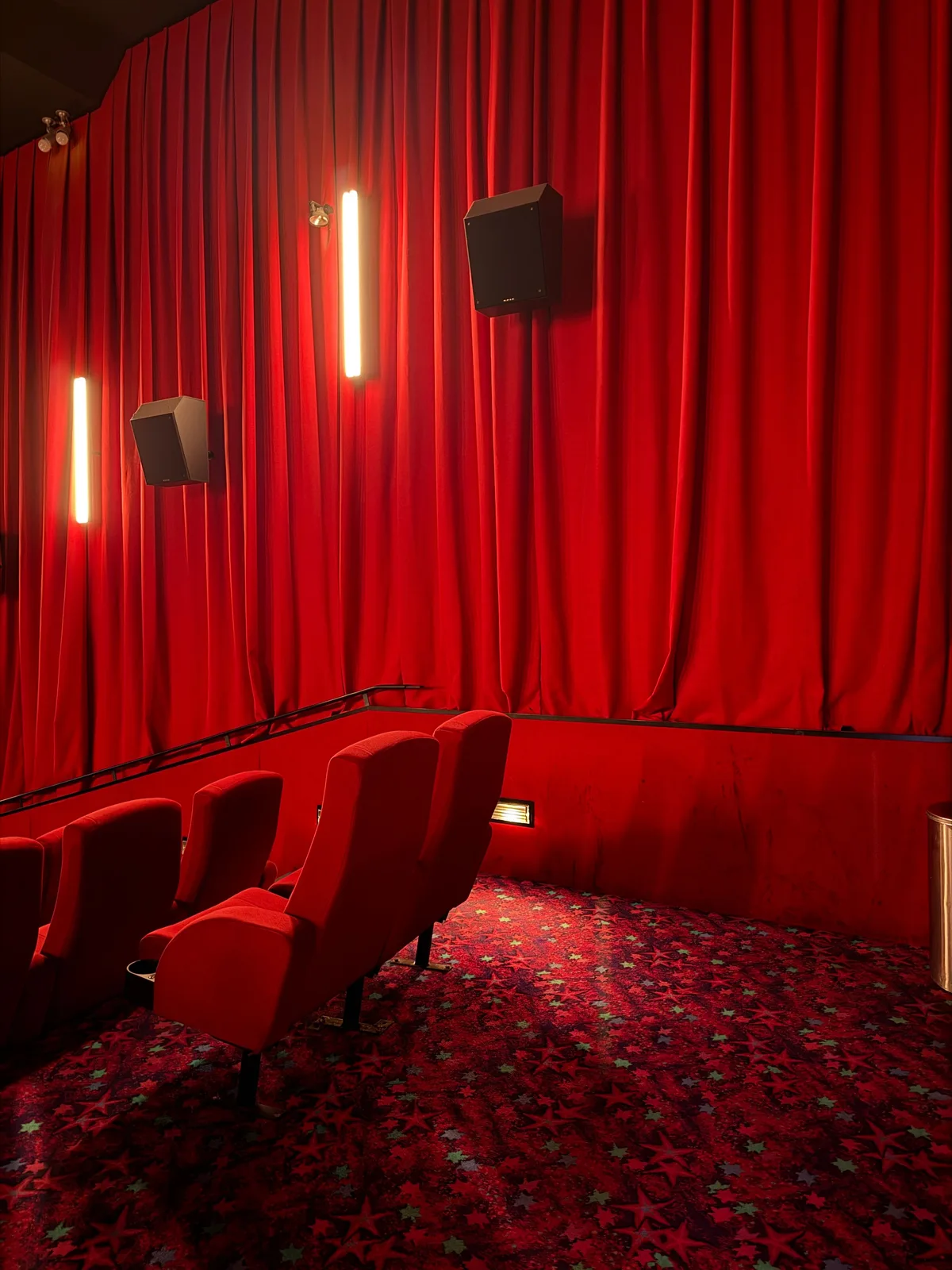
Every September since 1953, the city becomes the epicentre of international cinema, with stars and directors from around the world walking its red carpet at one of Europe's most prestigious film festivals, an A-list event alongside Cannes, Venice and Berlin. For nine days, the cinemas, hotels and terraces of the Old Town fill with an atmosphere that blends film glamour with the city's easygoing, down-to-earth character — a combination only San Sebastián can offer.
San Sebastián has more Michelin stars per square metre than any other city in the world.
The San Sebastián International Film Festival, held since 1953, is one of the few festivals worldwide recognised with 'A' category status.
La Concha Bay owes its name to its perfect shell shape, especially visible from Mount Igueldo.
The city is called 'Donostia' in Basque, and both names, San Sebastián and Donostia, are official.
Eduardo Chillida's Peine del Viento is one of the most photographed works of public art in the Basque Country.
Every August, San Sebastián's Semana Grande festival includes an international fireworks competition that lights up the whole bay.
A private guide, handpicked hotels and skip-the-line access to every one of these sites.
San Sebastián is one of the most sought-after stops on our Spain and Portugal circuits.