Spain
Barcelona Travel Guide — Sagrada Família, Gaudí & Private Tours
The city where Gaudí dreamed while wide awake, and the Mediterranean slips right into the streets of the centre.
The city where Gaudí dreamed while wide awake, and the Mediterranean slips right into the streets of the centre.
Barcelona is the only city in the world where a single architect rewrote the entire skyline — and where that same skyline always ends at the sea.
Few cities combine artistic avant-garde and outdoor living so naturally. Here, Gaudí's undulating façades sit alongside medieval stone streets, century-old markets and a seafront promenade that invites you to end any day of museums with your feet in the sand. Barcelona doesn't choose between culture and beach: it has both, fifteen minutes apart.
It's also a city best explored on foot, with neighbourhoods of strong character — the stately Eixample, the Gothic maze of the old town, the seafaring feel of Barceloneta — and a food scene that ranges from time-honoured tapas bars to the most innovative tables in contemporary Catalan cuisine.
Barcelona was founded by the Romans as Barcino around 15 BC, a small settlement that would eventually become the capital of the medieval County of Barcelona and, later, one of the great trading powers of the Mediterranean under the Crown of Aragon during the 13th and 14th centuries, with merchant fleets reaching as far as North Africa and the Near East.
The 19th-century Industrial Revolution completely transformed the city and brought with it the Renaixença, a Catalan cultural revival movement that laid the foundations of architectural modernisme. Construction of the Sagrada Família began in 1882, and the Universal Expositions of 1888 and 1929 gave Barcelona the urban momentum that made it an international benchmark for design and architecture.
The 20th century closed with a decisive milestone: the 1992 Olympic Games, which finally opened the city to the sea and transformed the coastline that residents and visitors alike enjoy today.
A selection no Viavora itinerary ever skips.
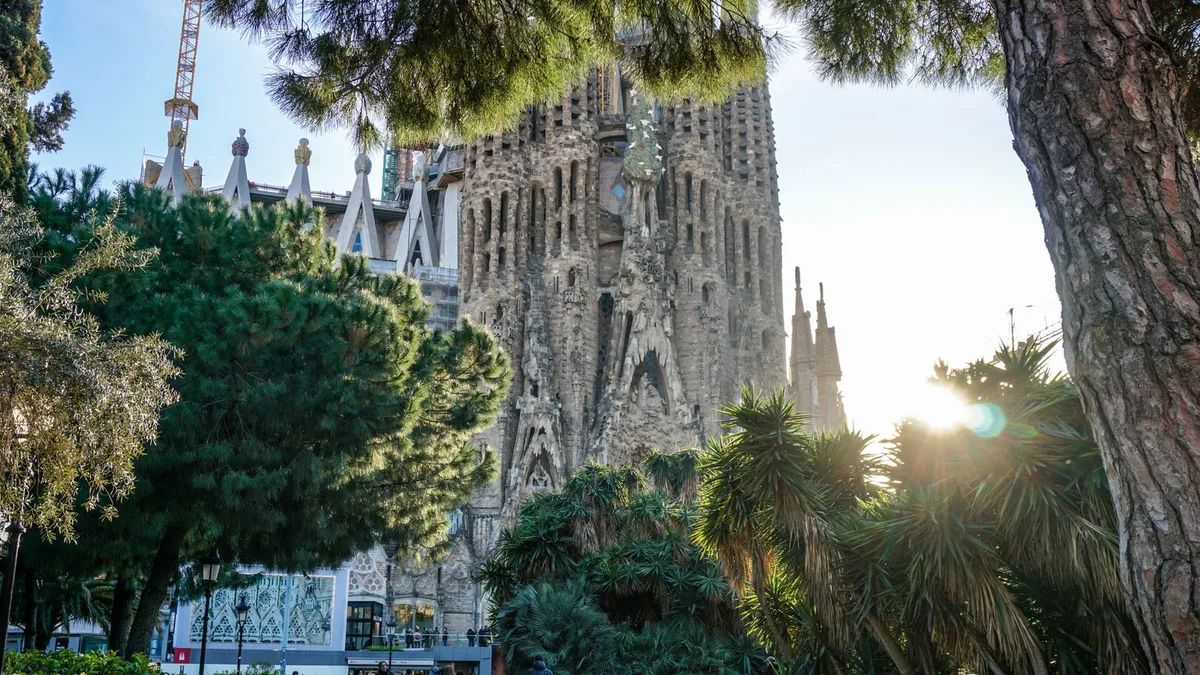
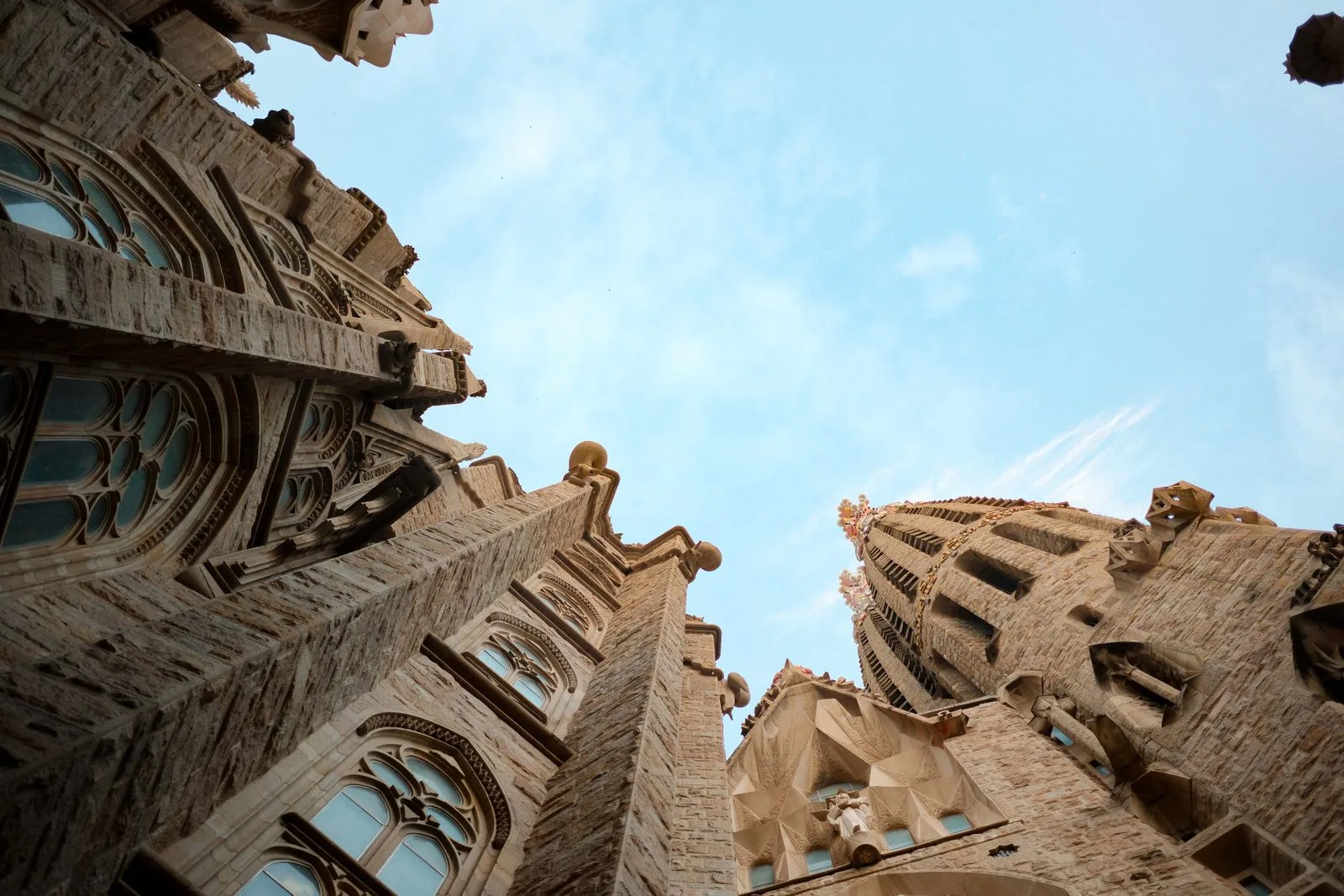
Gaudí's unfinished masterpiece, under construction since 1882 and still capable of leaving visitors speechless as they walk through its doors. Each façade tells a different part of Christ's life — Nativity, Passion and Glory — through a sculptural language that blends nature, geometry and religious symbolism unlike any other temple on earth. Inside, forests of branching columns and light filtered through stained glass create an effect close to a vegetal cathedral. A temple still being written, stone by stone, before its visitors' eyes, with completion expected within the next decade.
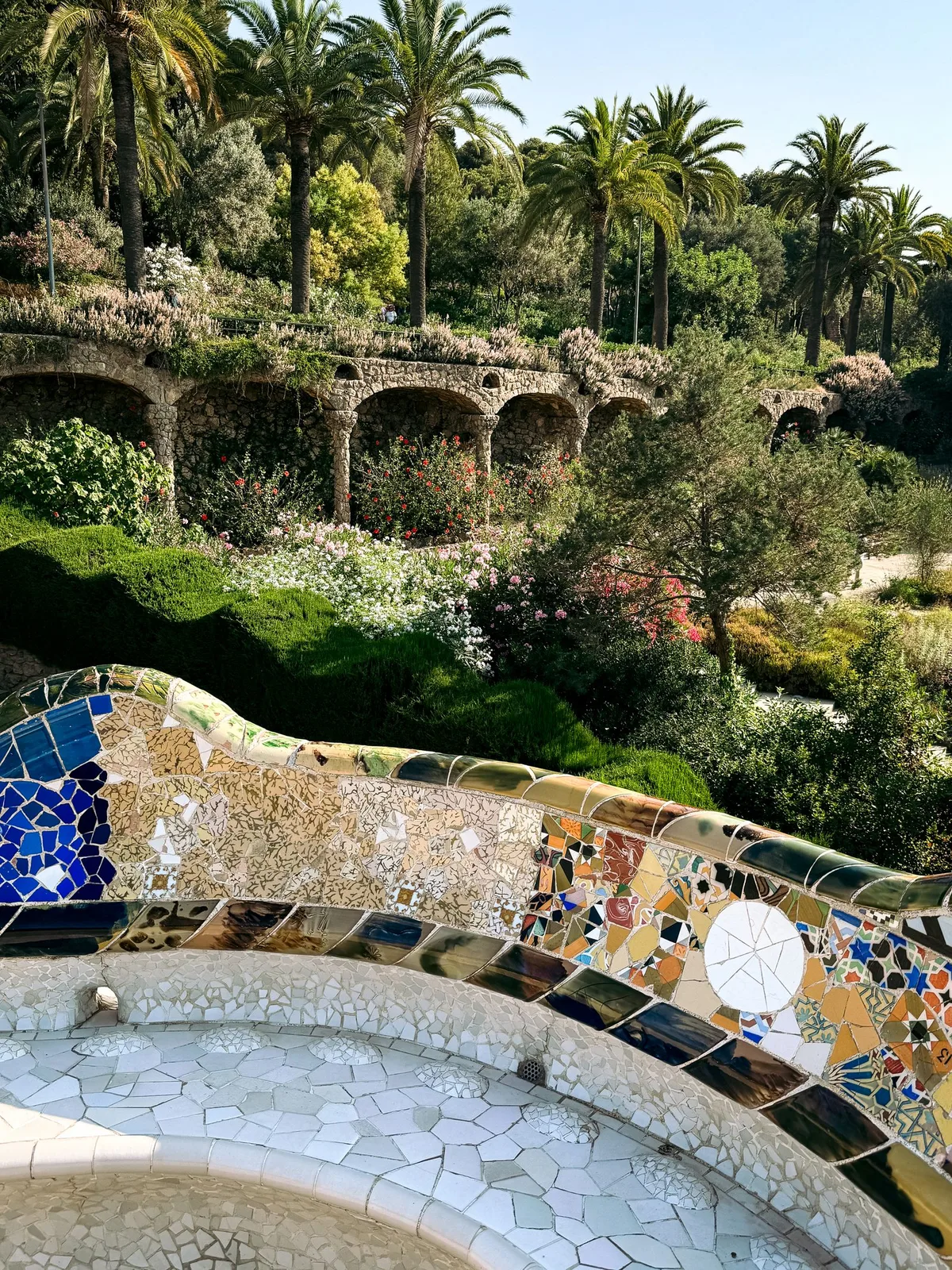
A park turned into a work of art, with trencadís mosaics, organic shapes and privileged views over the city and the sea. Originally conceived as a luxury housing development that was never completed, it is today one of the most admired public spaces in the world: the Hypostyle Room with its 86 Doric columns, the undulating bench covered in multicoloured ceramic, and the famous dragon that greets visitors on the main staircase. Pure Gaudí fantasy turned into a public garden, declared a UNESCO World Heritage Site.
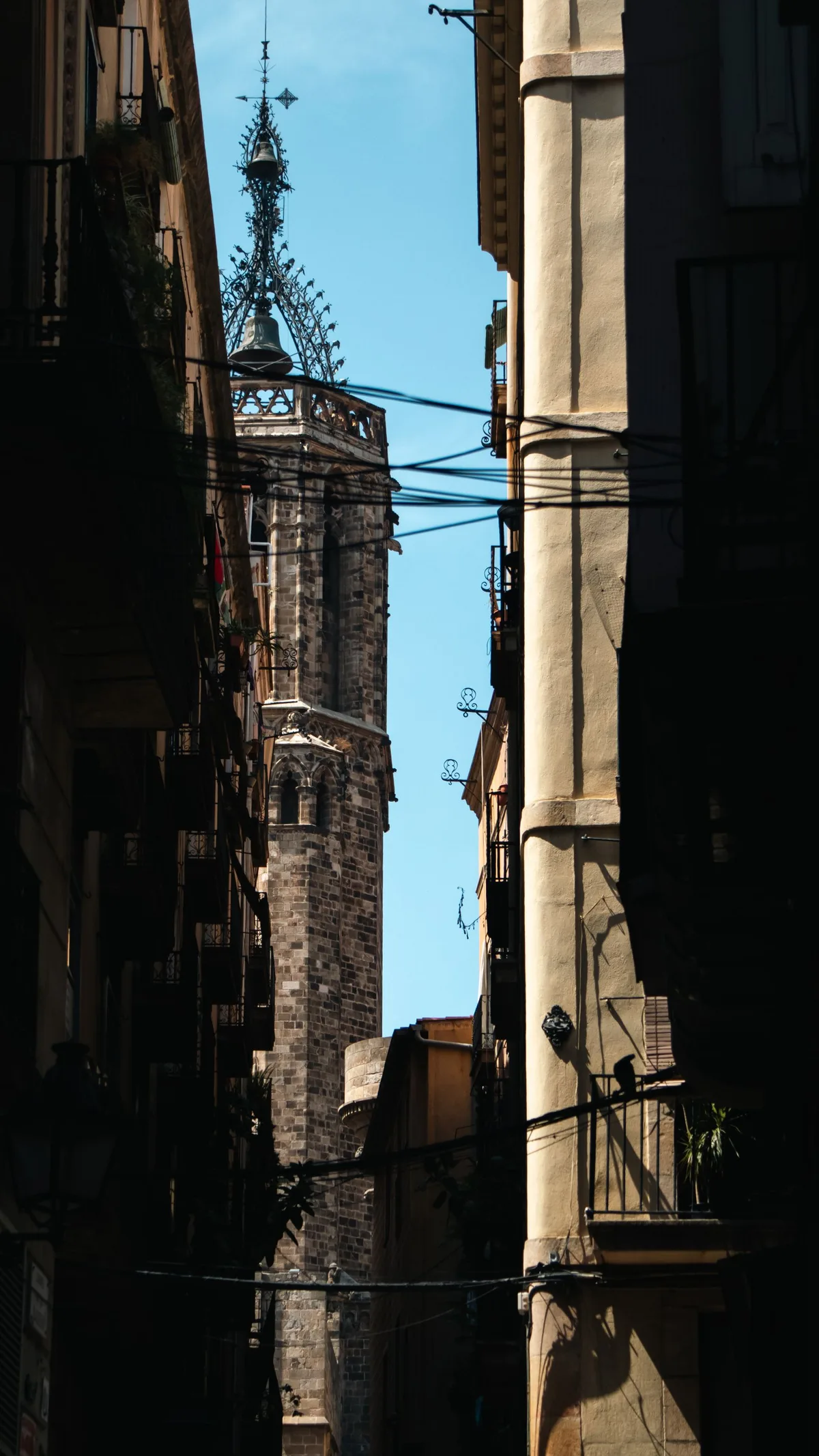
The city's most famous promenade opens onto a medieval maze of narrow streets, hidden squares and remnants of the old Roman wall. Tucked among its corners is Barcelona Cathedral, with its cloister of geese and palm trees, Plaça Reial with its lampposts designed by a young Gaudí, and fragments of columns from a Roman temple dedicated to Augustus that survive, almost miraculously, among modern buildings. Getting lost here is, precisely, the plan: every alley holds a different surprise.
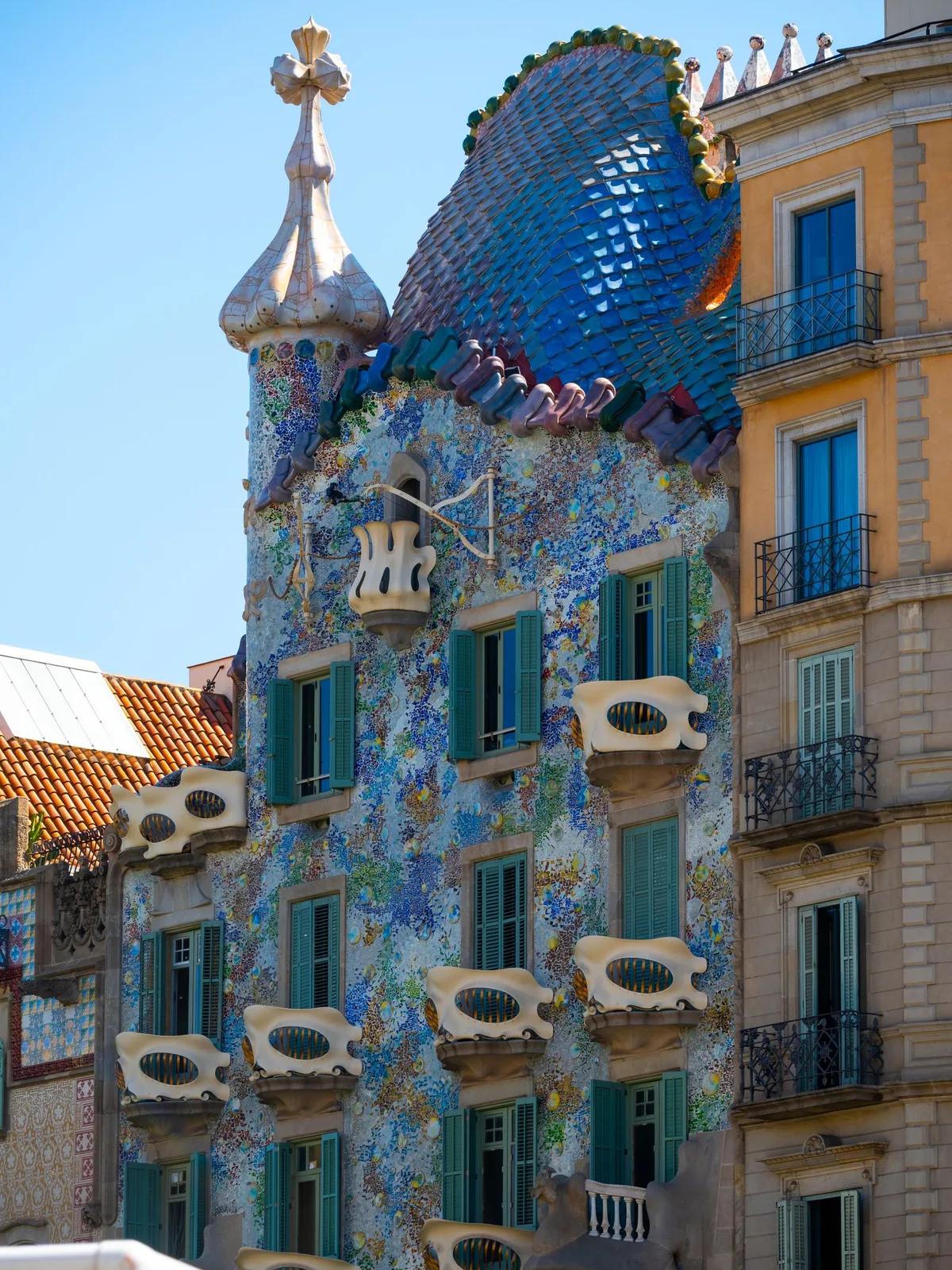
Two of the most photographed façades in the world, supreme examples of Gaudí's modernisme on Passeig de Gràcia. Casa Batlló, with its bone-and-skull façade and scaled roof evoking the dragon of Sant Jordi, and La Pedrera, with its rippling limestone and rooftop populated by chimneys shaped like medieval warriors, sum up in barely two hundred metres all the creative audacity of Catalan modernisme. Undulating forms, colour and an architectural fantasy unmatched in any other European city.
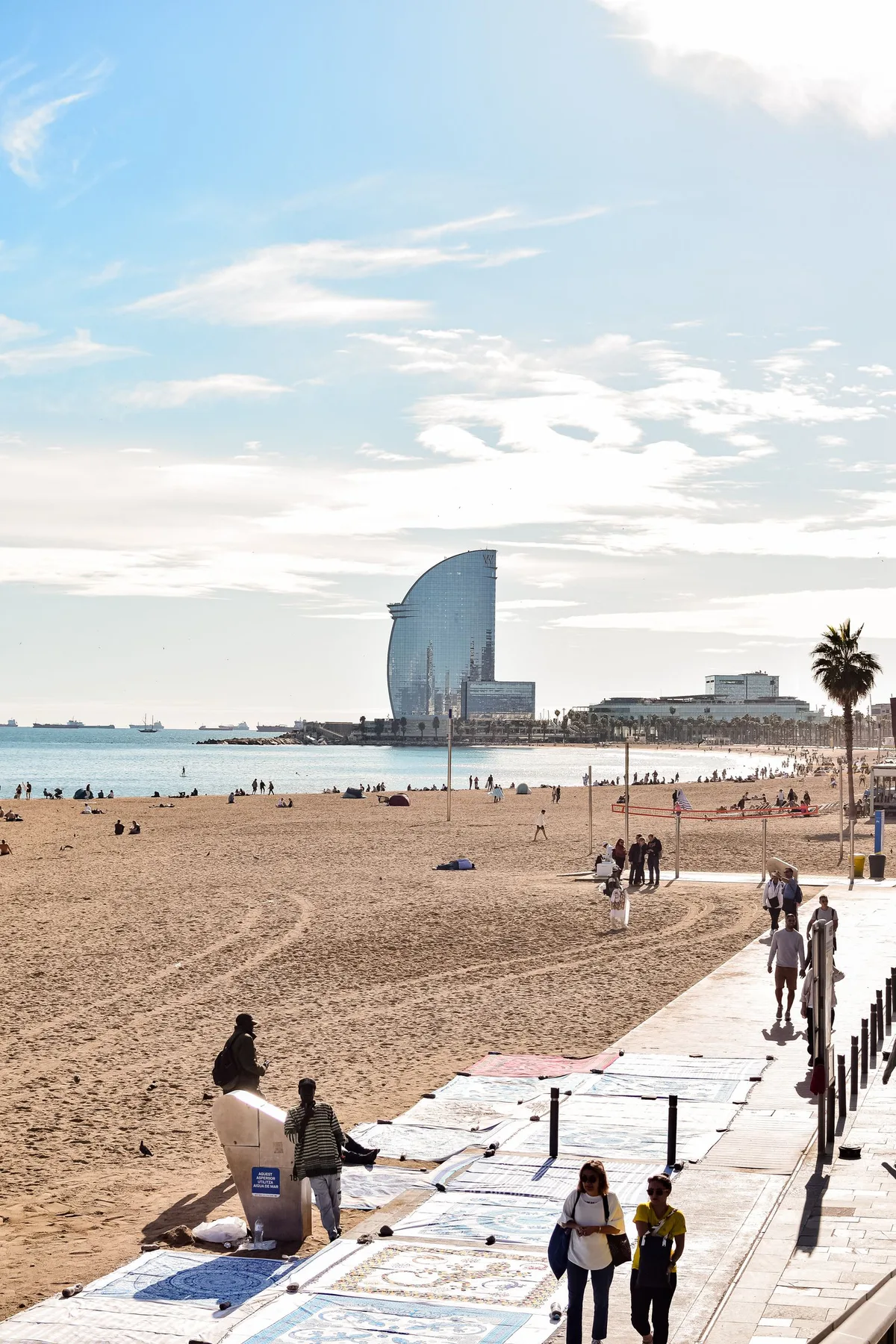
An urban beach, beach bars and a relaxed atmosphere just minutes from the historic centre. A former 18th-century fishing quarter laid out in narrow streets running perpendicular to the sea, it today combines fresh rice dishes served facing the water with a seafront promenade stretching several kilometres, walkable or cyclable all the way to Port Olímpic. Proof that Barcelona lives facing the Mediterranean, and that culture in the morning and beach in the afternoon can happen on the very same day.
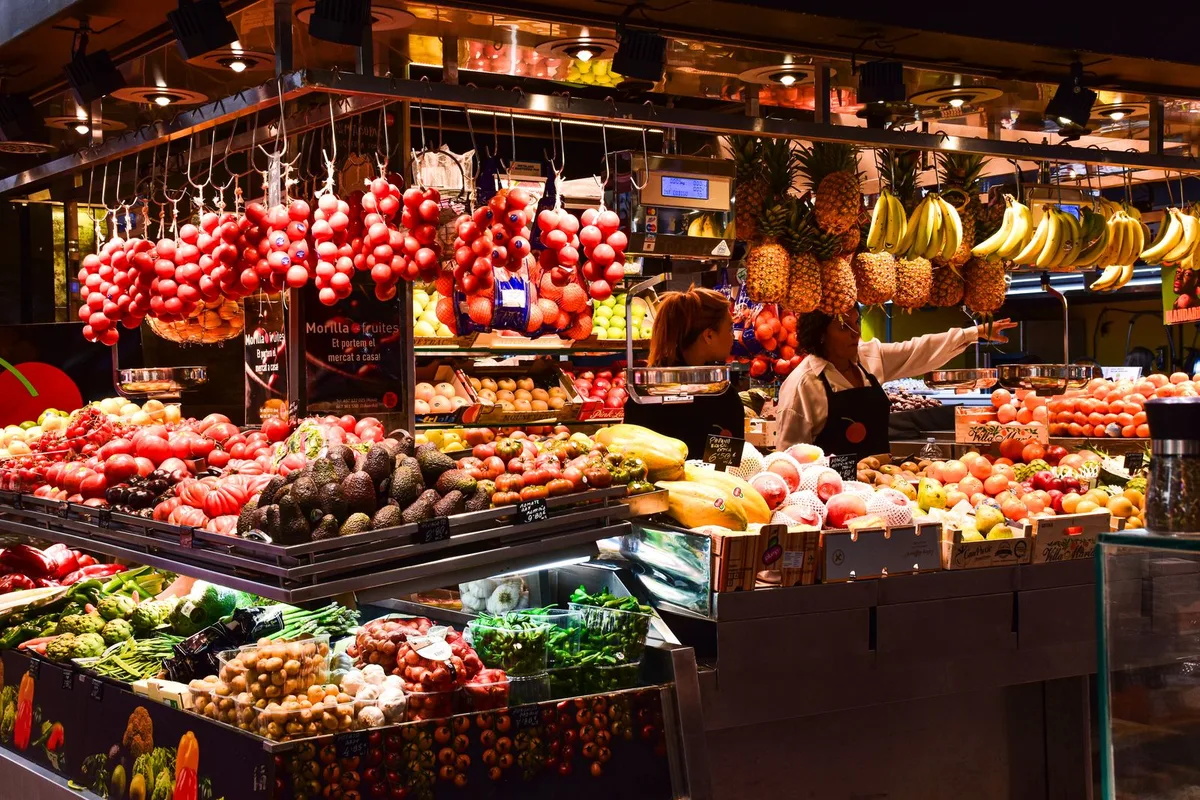
A century-old market in the heart of La Rambla, bursting with colour, exotic fruit, Iberian ham and fresh seafood. With over 300 stalls under a modernista iron-and-glass structure, it is both a working food market since 1840 and one of the most vibrant gastronomic temples in Europe, where chefs from across the city come to shop every morning. Ideal for breakfast like a true local, with a freshly squeezed juice and a tapas tasting at one of its bars.
The Sagrada Família has been under construction for over 140 years and is expected to be completed in 2026, marking the centenary of Gaudí's death.
Barcelona is the only major city in the world with nine works by a single architect — Gaudí — declared World Heritage Sites.
The Gothic Quarter still preserves remnants of the original Roman wall, still visible among its alleys.
FC Barcelona is the sports club with the most members in the world, and its stadium is a must-visit stop for many travellers.
The Eixample's streets were designed by Ildefons Cerdà with unique 45-degree chamfered corners, intended to improve ventilation and visibility.
Barcelona hosts the Mobile World Congress every year, one of the largest tech trade fairs on the planet, cementing its status as a capital of innovation alongside art and design.
A private guide, handpicked hotels and skip-the-line access to every one of these sites.
Barcelona is an essential stop on any of our Spain and Portugal circuits.