Day by day, activity by activity
Every stop on the route, with its indicative duration and corresponding photo.
Day 1 — Arrival in Barcelona
Welcome to Spain. Reception at Barcelona-El Prat Airport and private transfer to your hotel. The rest of the day is free to rest after the flight.
Day 2 — Barcelona: the city of Gaudí
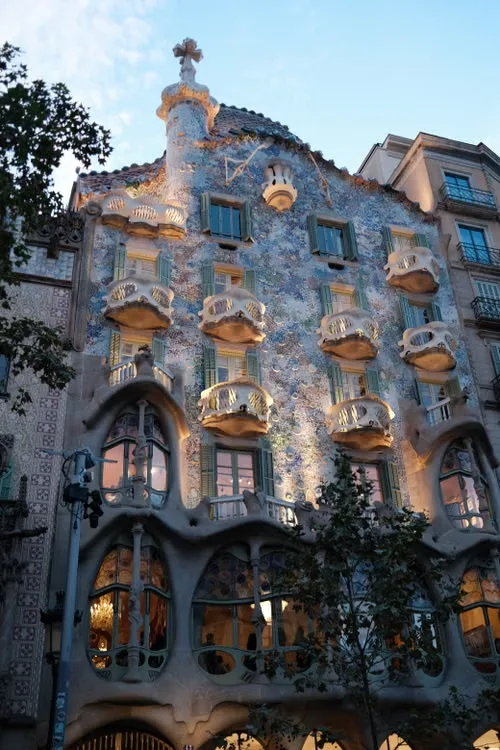
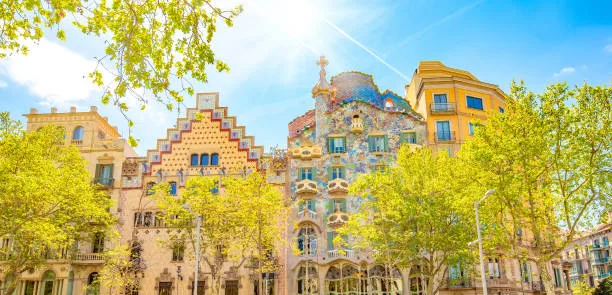
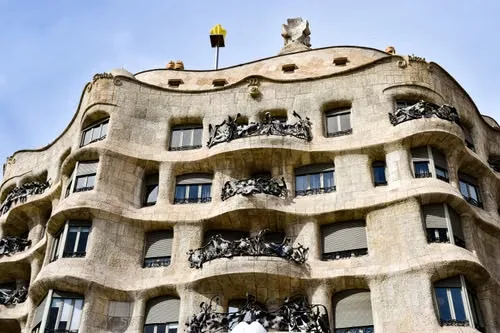
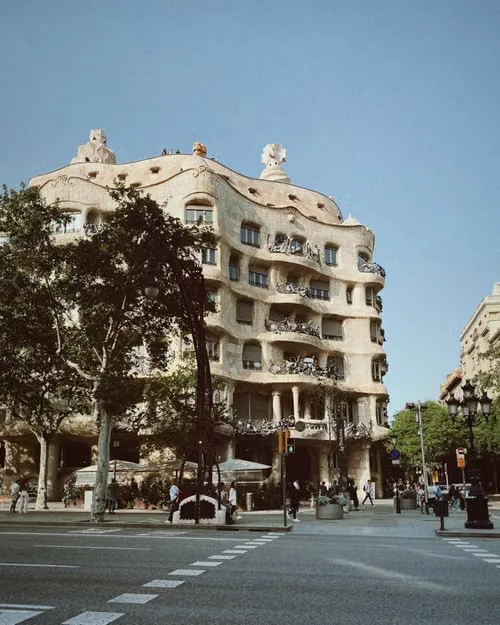
Two masterpieces by Antoni Gaudí flank the elegant Passeig de Gràcia: Casa Milà ("La Pedrera"), with its undulating façade evoking the movement of the sea, and Casa Batlló, clad in mosaics that recreate the legend of Sant Jordi and the dragon. Both are UNESCO World Heritage Sites and the best possible introduction to the modernist genius who redefined Barcelona.
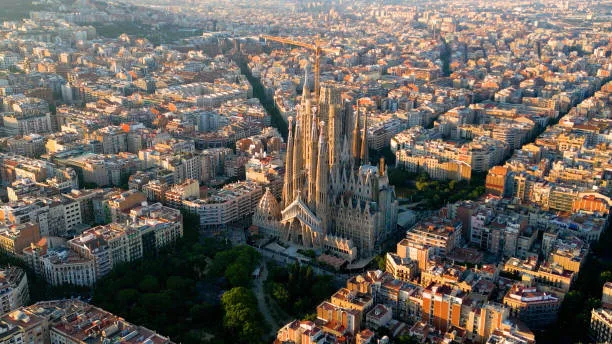
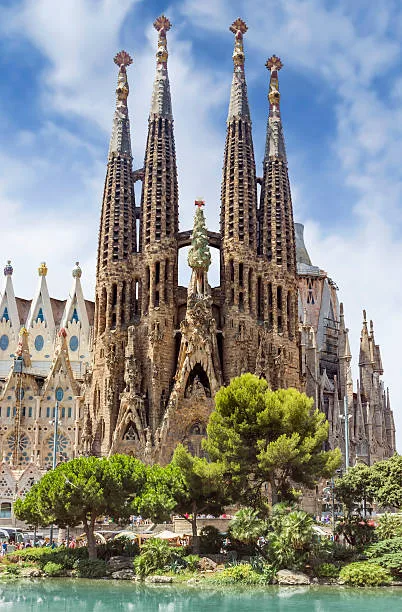
Gaudí's unfinished — perhaps unfinishable — masterwork remains, more than 140 years after its first stone was laid, Spain's most-visited religious building. Its interior, bathed in light filtered through stained-glass windows that shift colour throughout the day, has been described as "a forest of stone": columns branch upward toward the ceiling like living trees. UNESCO World Heritage Site.
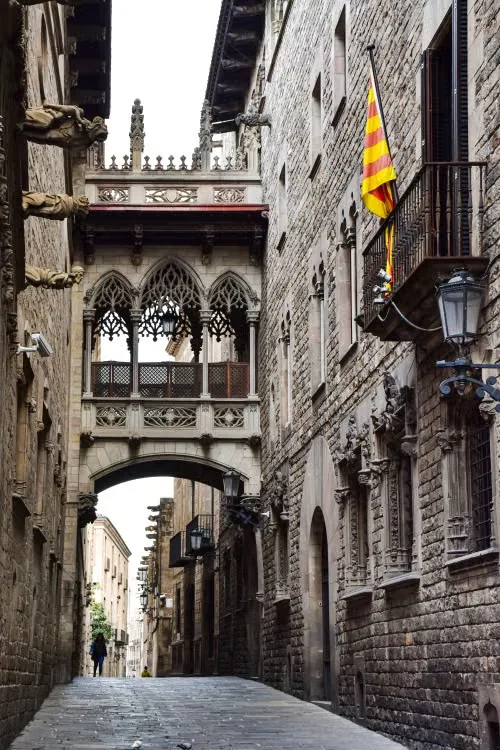
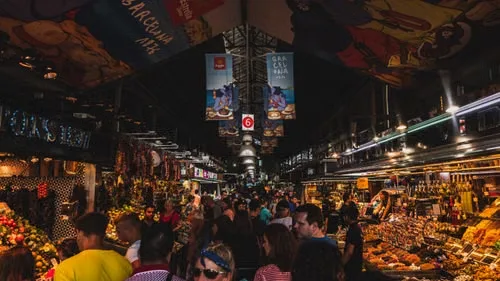
The medieval heart of Barcelona: narrow streets concealing Roman remains, the imposing Gothic Cathedral with its cloister of white geese, and the bustling La Boquería Market, where the colours and aromas of Mediterranean cuisine have spilled onto La Rambla for over 800 years.
Stroll and entry to the Cathedral's common areas: free of charge
Day 3 — Barcelona → Bilbao (flight)
Transfer to the airport for a direct flight to Bilbao. Reception by your Spanish-speaking guide and a free afternoon for your first taste of the Basque Country.
Day 4 — Bilbao: the Guggenheim effect
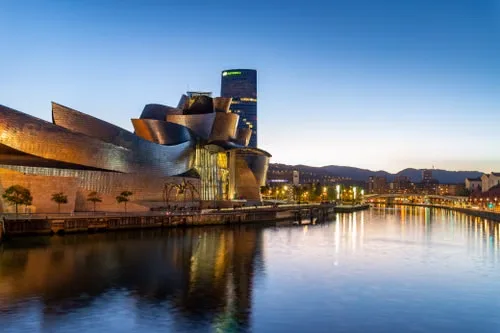
Frank Gehry's titanium-clad building transformed Bilbao from a declining industrial city into a world reference for contemporary art — the phenomenon critics dubbed "the Guggenheim effect". Its collection, together with Louise Bourgeois's sculptural spider "Maman" standing at its feet, draws more than a million visitors every year.
Stroll through the Casco Viejo (Old Town) and a pintxos tasting.
Day 5 — Bilbao → Salamanca
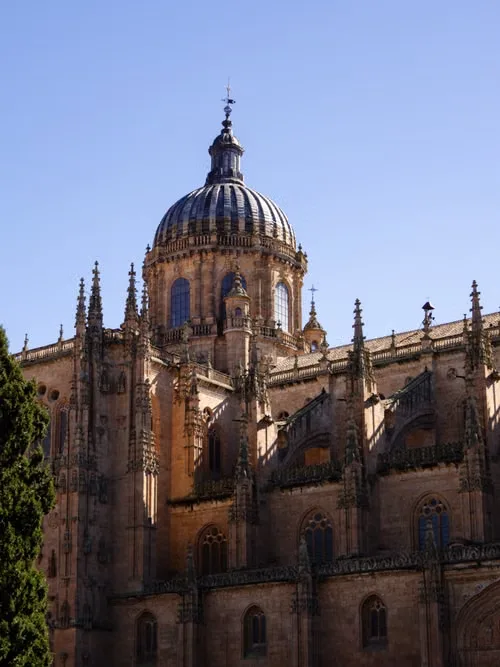
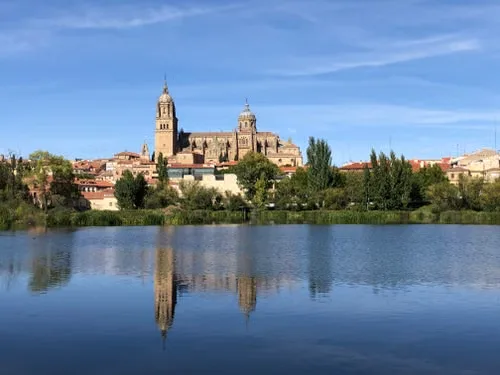
Founded in 1218 by King Alfonso IX, the University of Salamanca is Spain's oldest institution of higher learning and one of Europe's oldest. Recognised by Pope Alexander IV in 1255 with universal validity for its degrees, it was the first to have a public library and a chair of music.
At the height of Spain's Golden Age, the School of Salamanca laid the foundations of international law and economic science, and trained figures such as Fray Luis de León and Miguel de Unamuno. Its iconic plateresque façade, with its famous frog perched on a skull, symbolises the union of wisdom and mortality. Today, after nearly eight centuries of history, it remains a cultural and academic pillar of global standing.
Day 6 — Salamanca → Seville
A long transit day heading south — it can be split into two stages with a stop in Extremadura (Cáceres or Mérida) if the client prefers a gentler pace.
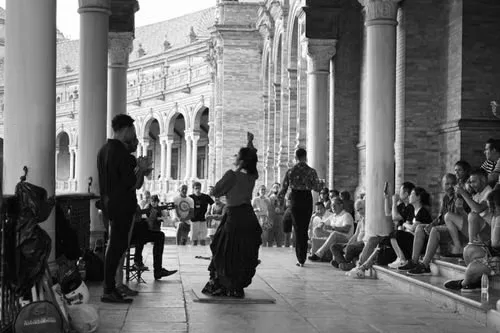
Flamenco, declared Intangible Cultural Heritage of Humanity, was born in this very region. An evening of singing, dance and guitar at a Seville tablao is the most authentic way to feel Andalusian "duende".
An evening of flamenco at a Seville tablao follows your arrival.
Day 7 — Seville: Alcázar, Cathedral and Plaza de España
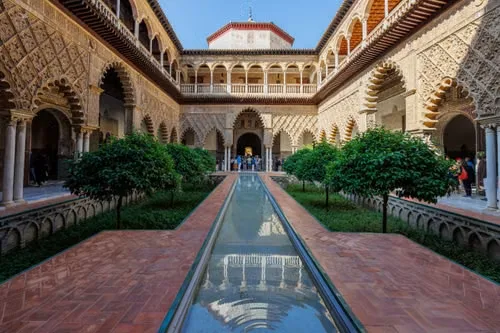
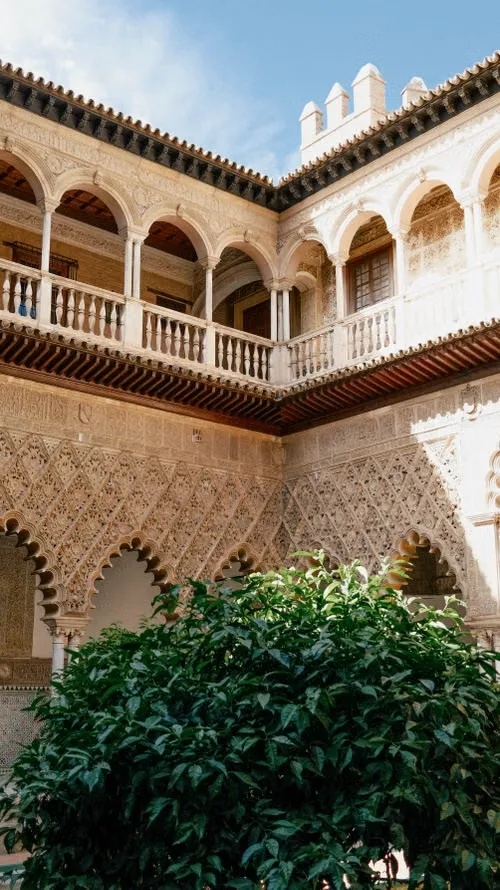
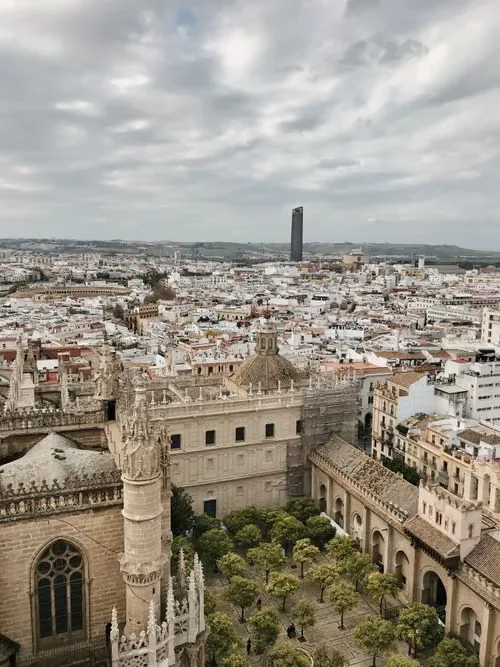
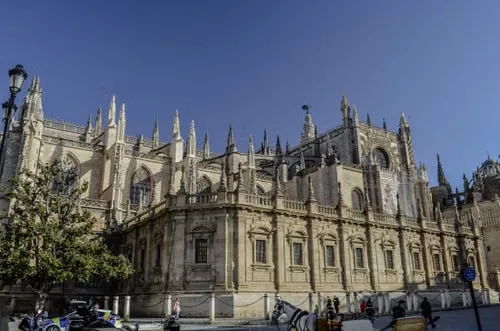
The Royal Alcázar, a UNESCO World Heritage Site, is the oldest royal palace still in use in Europe: a dazzling example of Mudéjar architecture that served as a filming location for "Game of Thrones". A few steps away, Seville Cathedral — the largest Gothic cathedral in the world — holds the tomb of Christopher Columbus beneath the shadow of the Giralda, a former Almohad minaret turned bell tower.
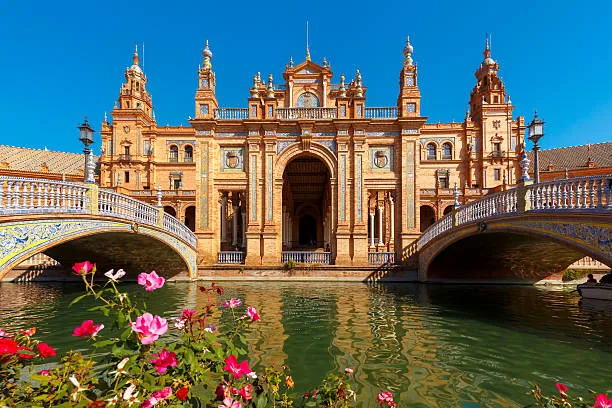
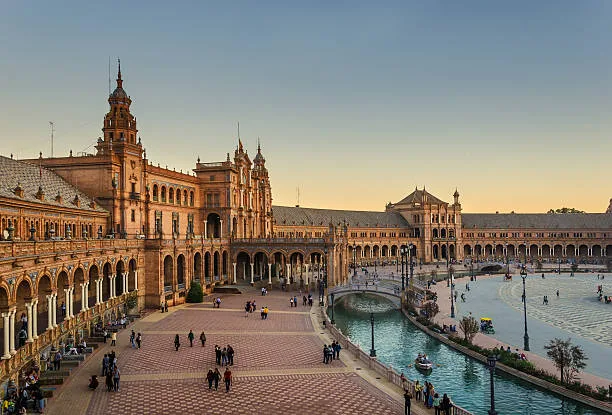
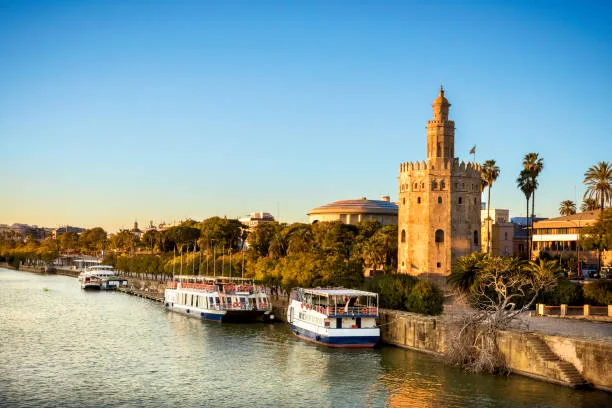
The Torre del Oro, a 13th-century military watchtower on the banks of the Guadalquivir, tells the story of Islamic Seville's defences. The Plaza de España, built for the 1929 Ibero-American Exposition, is simply monumental: a 50,000 m² semicircle adorned with tiles representing every Spanish province, navigable canals, and architecture that has served as a set for "Lawrence of Arabia" and "Star Wars".
Day 8 — Seville → Madrid (AVE high-speed train)
Day 9 — Madrid: a grand traditional finale
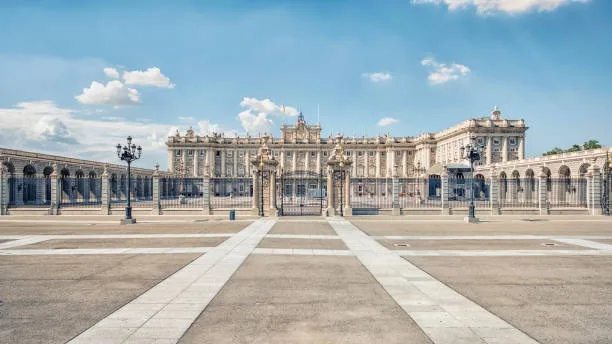
Europe's third-largest royal palace, with more than 3,000 rooms, remains the official — though unoccupied — residence of the Spanish royal family. Its Throne Room, Royal Armoury and Royal Pharmacy make for a visit that is a direct journey into the splendour of the Spanish court of the 18th and 19th centuries.
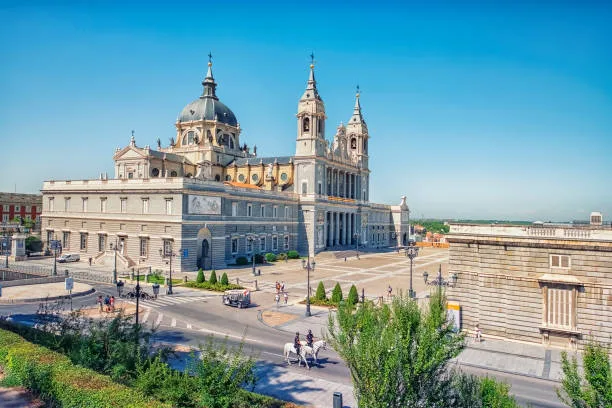
Almudena Cathedral rests upon Madrid's old Arab city wall. Its neoclassical silhouette crowns the capital's skyline with regal elegance. The temple blends centuries of delayed construction with a light-filled neo-Gothic interior, its modern stained-glass windows watching over devotion to the city's patron saint — a monumental mirror where living history and contemporary art meet.
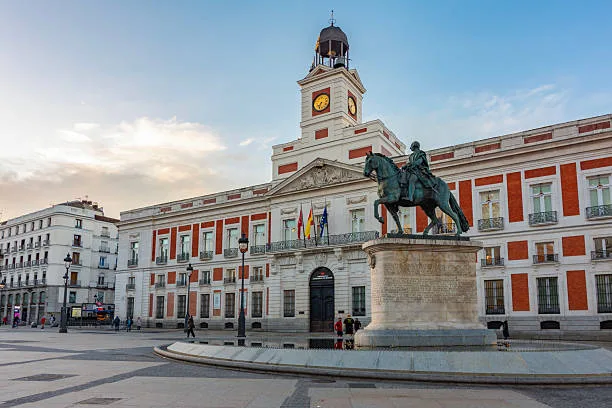
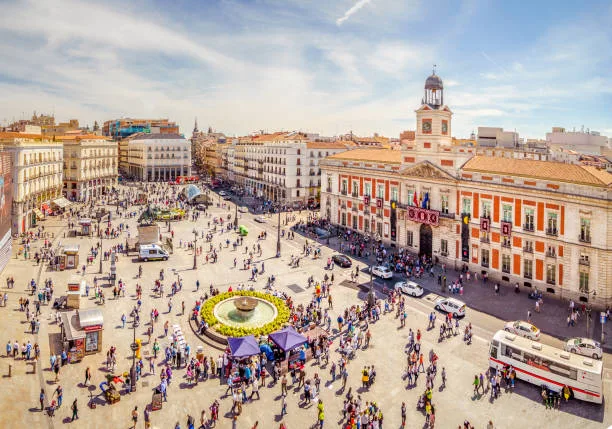
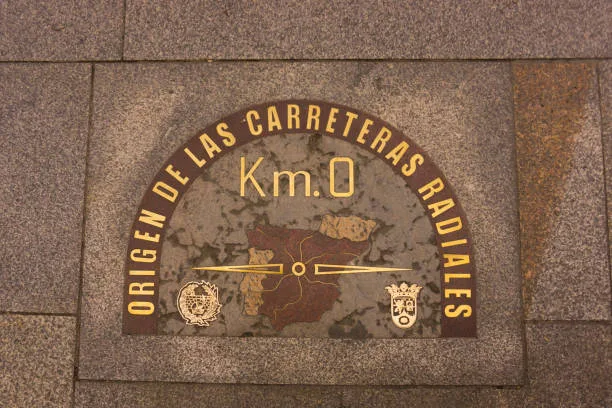
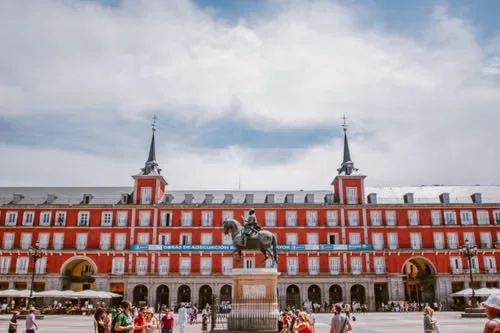
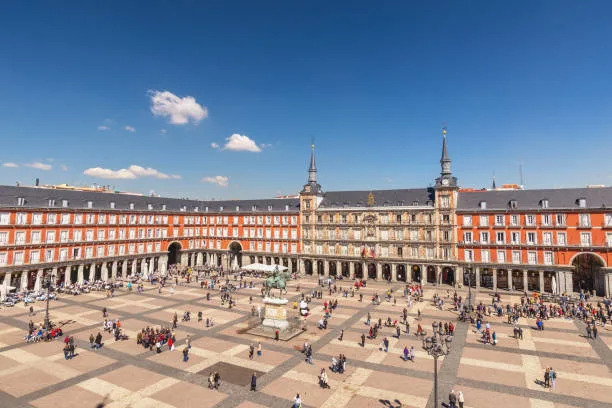
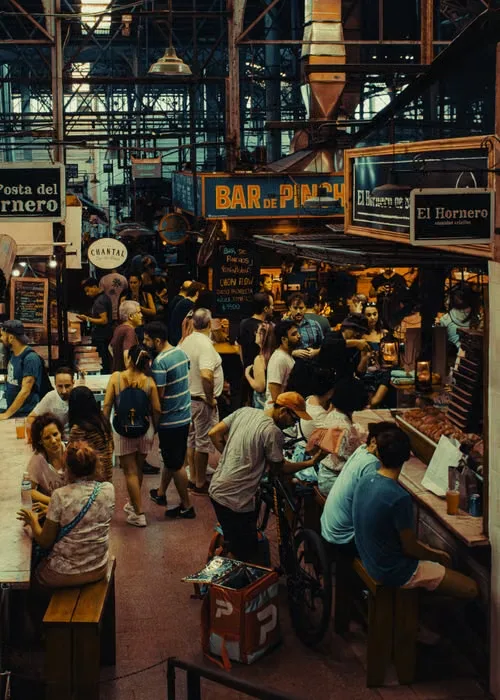
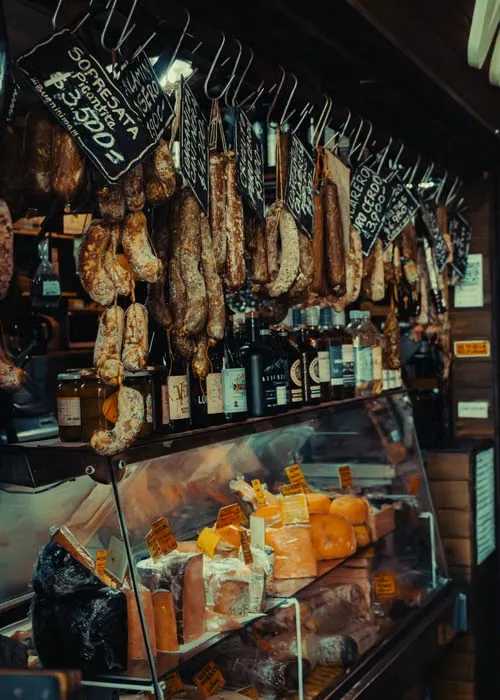
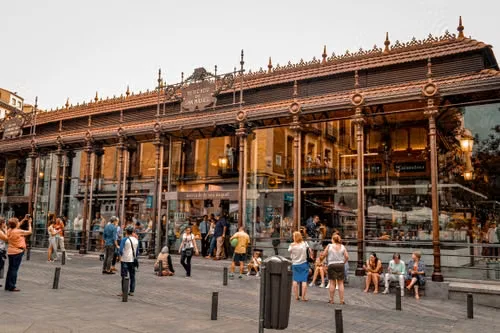
The "Kilometre Zero" of Spain's road network (Puerta del Sol), the elegant Plaza Mayor — for centuries a stage for coronations, bullfights and autos-da-fé — and the Mercado de San Miguel, an iron-and-glass gastronomic temple dating from 1916, complete this stroll through Madrid's most traditional quarter. Not to be missed: churros with hot chocolate at a century-old chocolatería (San Ginés).
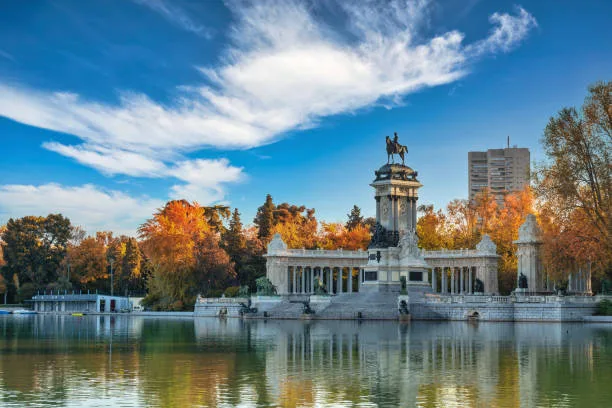
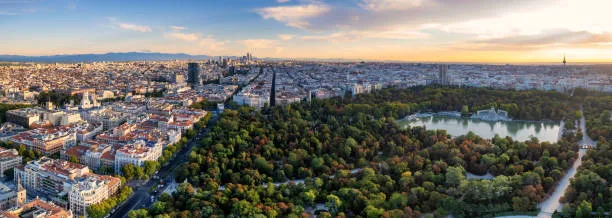
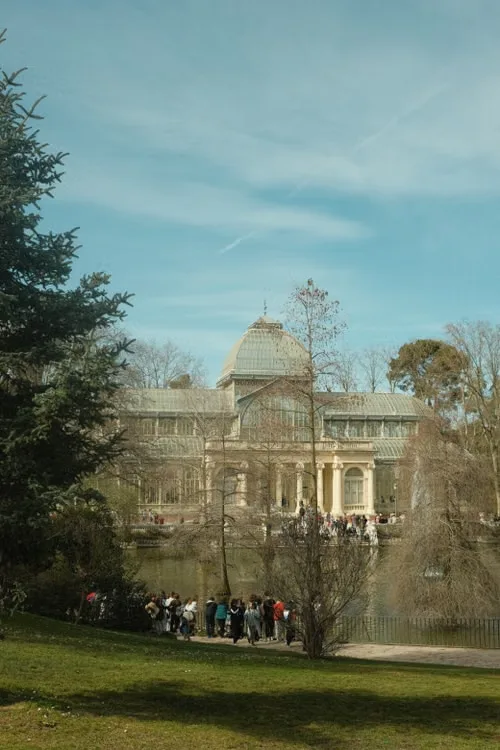
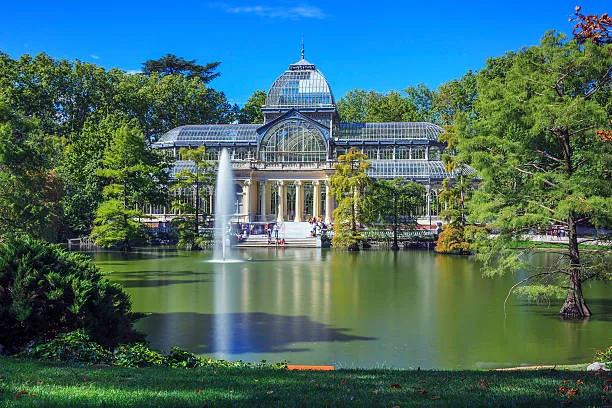
A former royal garden turned into Madrid's great green lung, the Retiro is home to the Crystal Palace — an 1887 iron-and-glass greenhouse that today hosts contemporary art exhibitions — beside a lake where locals and visitors have been rowing for more than a century.
Day 10 — Departure
Transfer to Madrid-Barajas Airport, with assistance for tax refund formalities. Journey's end — until the next adventure.