Spain
Pamplona Travel Guide — San Fermín, Medieval Walls & Private Tours
The city the whole world knows every July for the Running of the Bulls — yet it wins hearts over the other eleven months for its old town and its calm.
The city the whole world knows every July for the Running of the Bulls — yet it wins hearts over the other eleven months for its old town and its calm.
Pamplona lives two lives: the nine days of July when the entire world turns its eyes to its streets, and the other three hundred and fifty, when it reveals itself as one of the calmest, most elegant cities in northern Spain.
The historic capital of the Kingdom of Navarre, Pamplona preserves a walled old town of serene beauty, with arcaded squares, cobbled streets and a Gothic cathedral that invites an unhurried stroll. Walking through its Citadel or Plaza del Castillo, it's easy to forget that this very city transforms every July into the stage of one of the most famous festivals on the planet.
The imprint of Ernest Hemingway, who immortalised the San Fermín festival in his novel "The Sun Also Rises," still lingers in cafés such as the Iruña, adding a literary layer to a city that blends tradition, fine food and history with simple, genuine ease. For the curious traveller, Pamplona is one of the best surprises of northern Spain.
Pamplona was founded as Pompaelo by the Roman general Pompey in 75 BC, from whom it takes its name. During the Middle Ages, the city became established as the capital of the historic Kingdom of Navarre, one of the great Christian kingdoms of the Iberian Peninsula, with a political and cultural identity of its own that can still be felt in its old town today.
The earliest documented references to the San Fermín festival date back to the 14th century, as a religious celebration in honour of the city's patron saint. Over time, the festival incorporated bullfighting and popular elements, until in 1591 the current dates were fixed, running from the 6th to the 14th of July, as they remain today.
The leap to worldwide fame came in 1926, when the American writer Ernest Hemingway published his novel "The Sun Also Rises" (Fiesta), inspired by his own experiences at San Fermín. That novel definitively internationalised the festival and turned Pamplona into a landmark destination for travellers from all over the world.
A selection no Viavora itinerary ever skips.
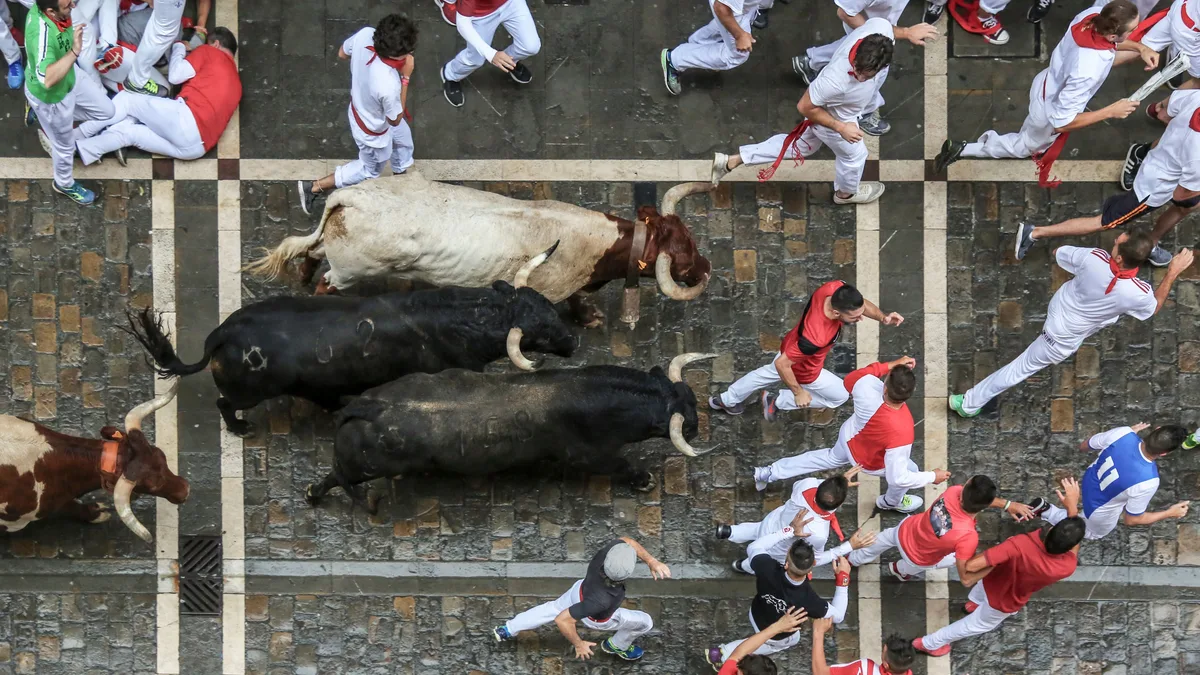
From the 6th to the 14th of July, bulls run 875 metres through the streets of the old town ahead of thousands of runners, in one of the world's most famous and adrenaline-fuelled traditions, immortalised internationally by Ernest Hemingway in his novel "The Sun Also Rises." Every morning at eight o'clock sharp, a rocket announces the release of the bulls, which cover the route to the bullring in barely three or four minutes of pure tension. Even without running, watching the bull run from the balconies or the fences is an experience that raises goosebumps.
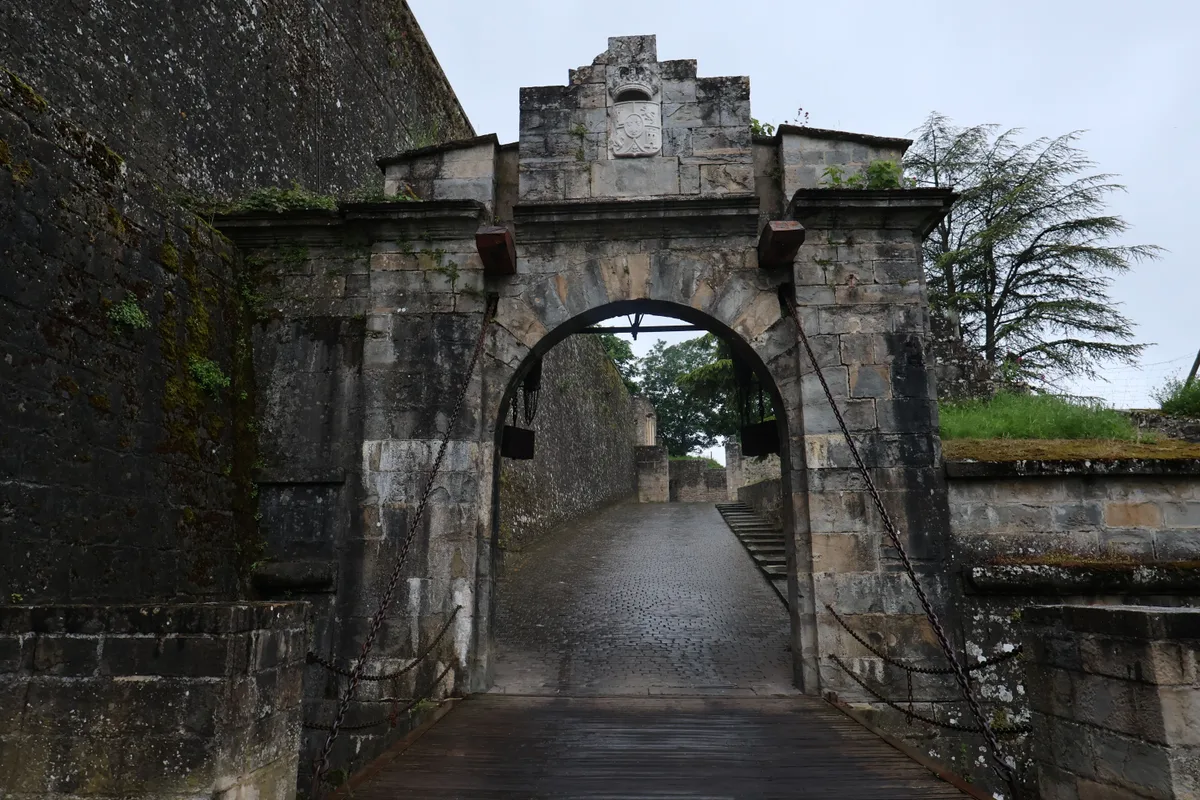
The walls of Pamplona's Citadel, built in the 16th century by order of Philip II following the Italian bastioned fortification model, are among the best preserved in Spain and once formed one of the most sophisticated military complexes of their time. Stripped today of their defensive role, their moats and bastions house an extensive urban park perfect for an unhurried stroll, with contemporary sculptures scattered among the lawns and the old stone walls.
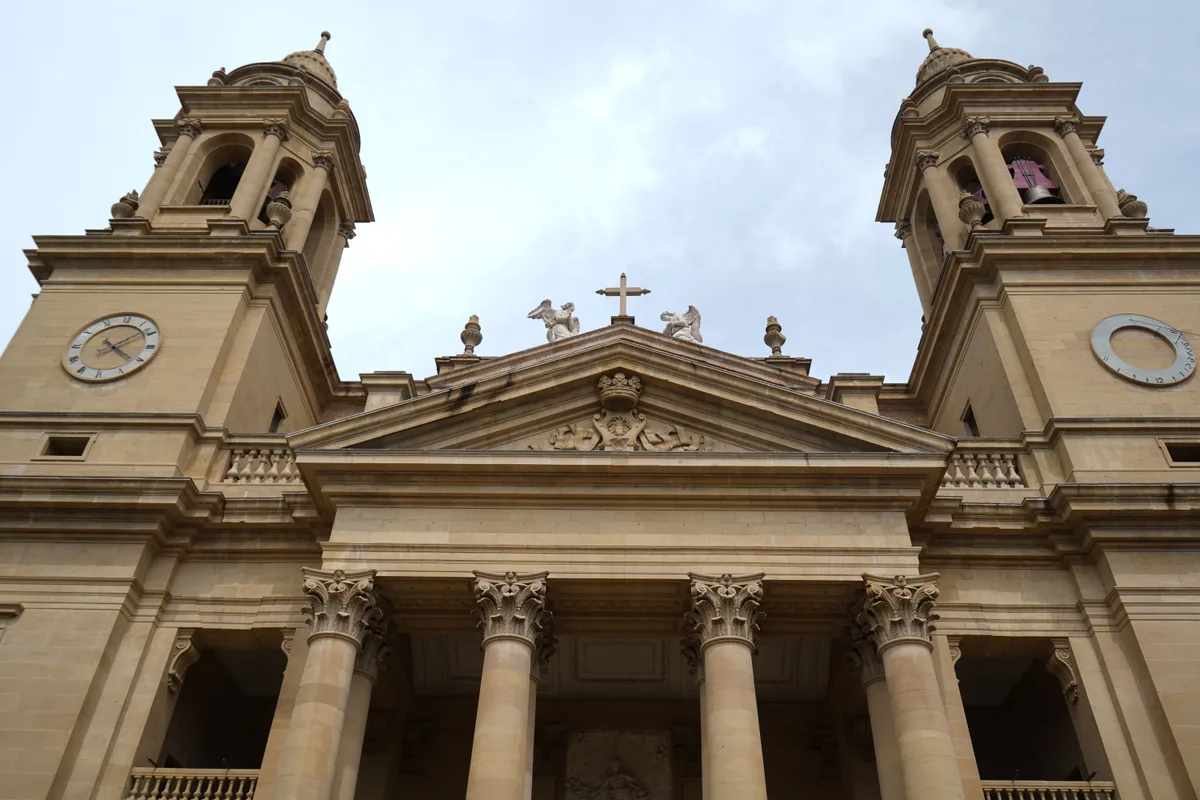
An imposing Gothic temple built between the 14th and 15th centuries on the site of an earlier Romanesque cathedral, following its partial collapse. Its medieval cloister, with richly decorated arches and a series of tombs of Navarrese nobility, is considered one of the finest examples of Gothic architecture in Spain, comparable in sculptural quality to some of the great Gothic ensembles of France. Inside rest King Charles III the Noble and his wife, in an alabaster tomb of extraordinary craftsmanship.
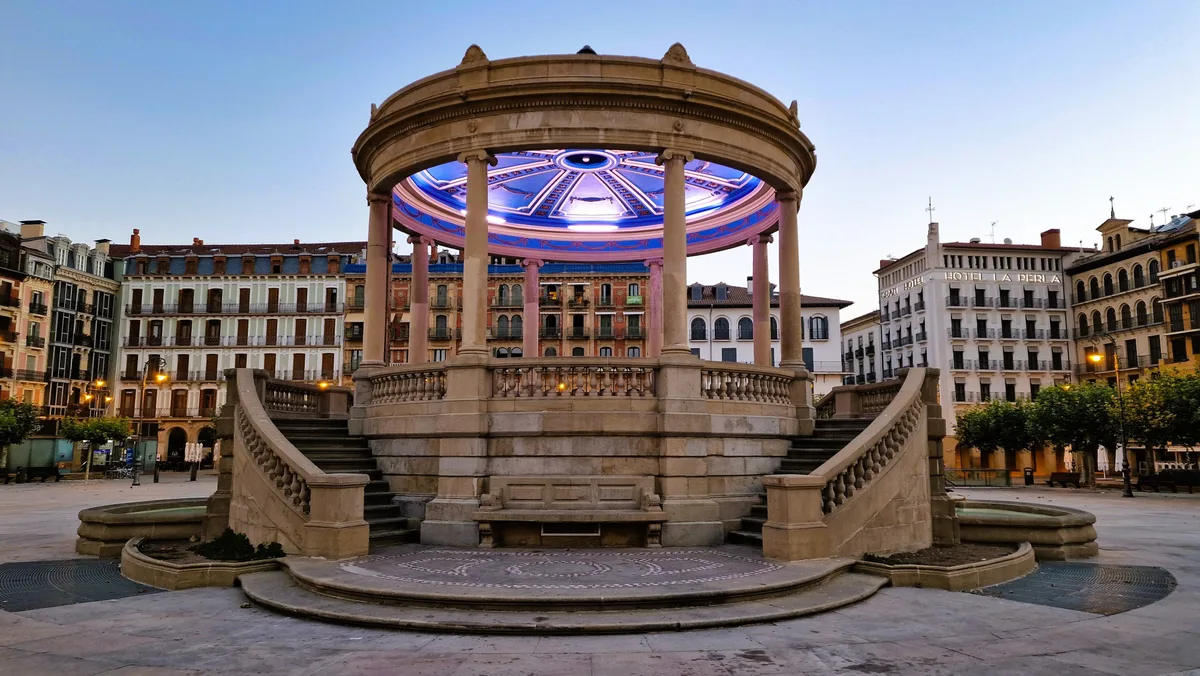
The city's social living room for centuries, a grand arcaded square surrounded by historic cafés that have witnessed literary, political and bullfighting gatherings for generations. A regular meeting point for locals and visitors at any time of year, during San Fermín it becomes the epicentre of the festival, with concerts and open-air parties running until dawn beneath the gaze of its stately façades.
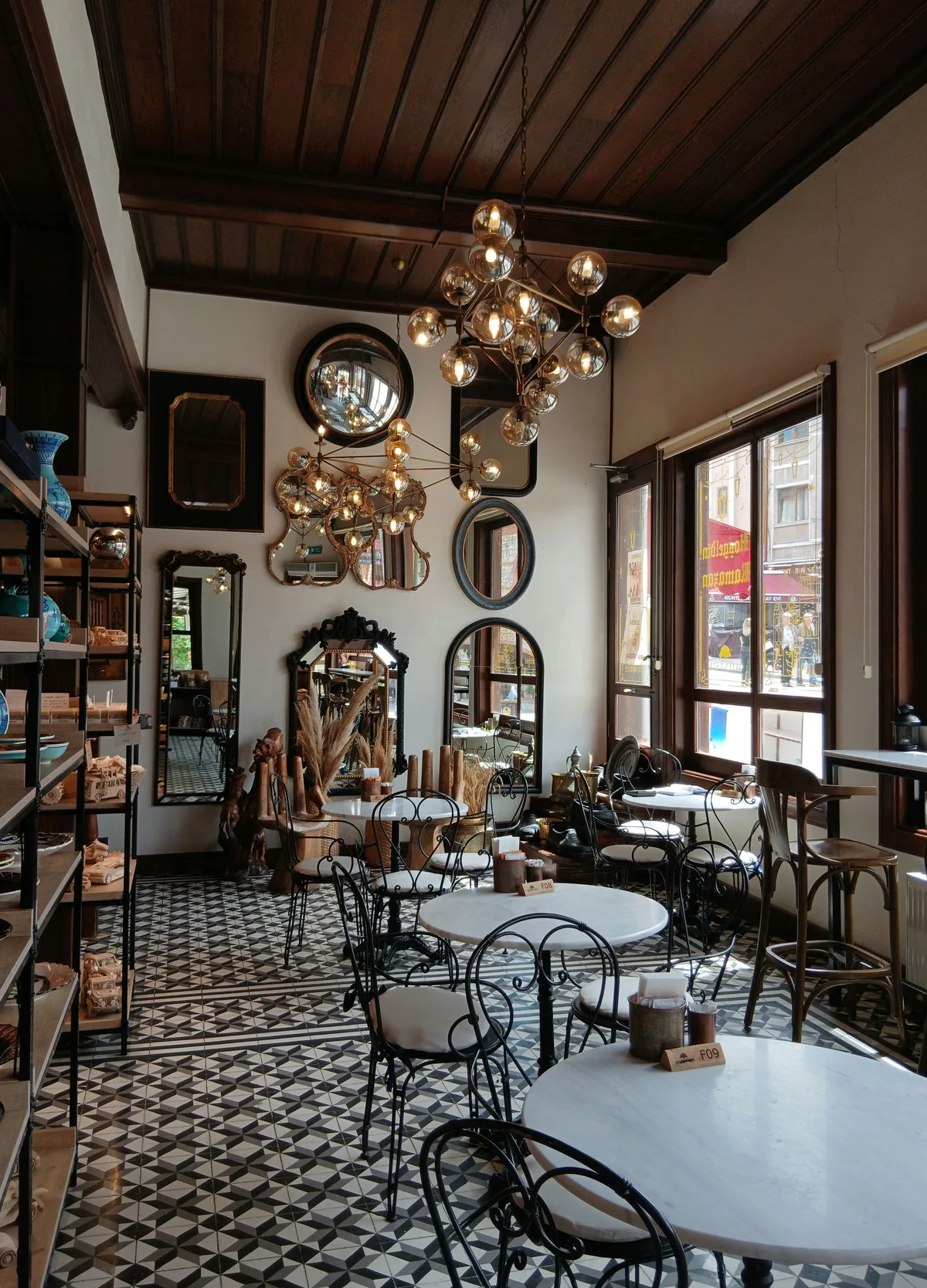
Historically frequented by Ernest Hemingway during his stays in Pamplona to watch San Fermín, this century-old café, opened in 1888 with an Art Nouveau décor of mirrors and marble columns, retains the atmosphere and charm that captivated the American writer. A bronze statue of Hemingway himself, leaning on the bar, today reminds visitors that some of the pages that made the city's festival famous around the world were written right here.
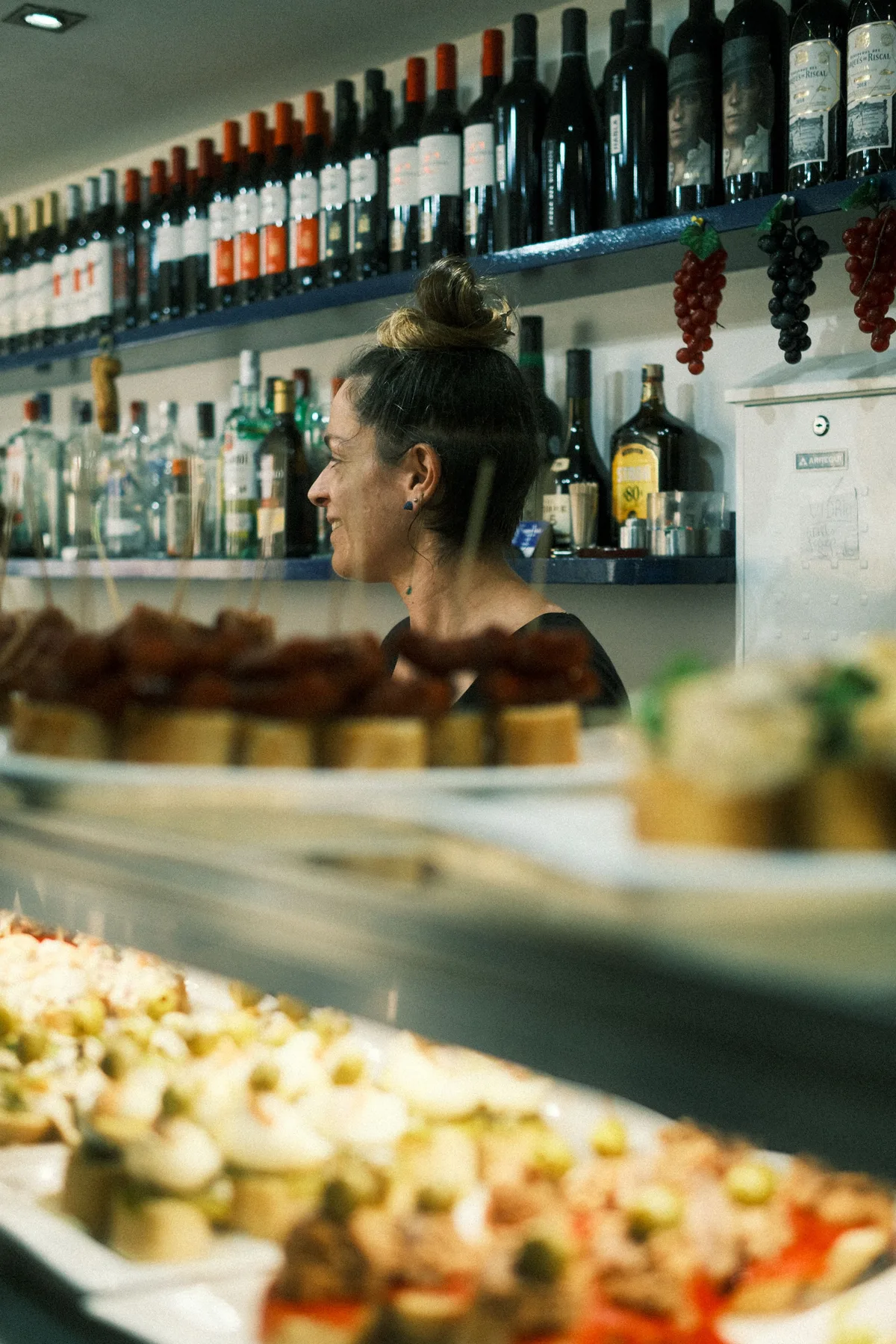
The old town hides an excellent scene of pintxos and Navarrese wine, with bars that combine the solidity of traditional cuisine — pochas beans, Tudela asparagus, chistorra sausage — with more creative proposals from the new generation of Navarrese chefs. Wines from Navarre's designations of origin, especially the rosés, pair perfectly with this route, the ideal way to round off a day of strolling through the city with the same sociable spirit that defines Pamplona all year round.
The San Fermín bull run covers 875 metres through the streets of the old town in just a few minutes, with the bulls close behind.
Pamplona was founded by Pompey the Great in 75 BC, from whom it takes its original name, Pompaelo.
Writer Ernest Hemingway was so fond of the city that a statue of him now stands in front of Pamplona's bullring.
The walls of Pamplona's Citadel are among the best preserved in all of Spain.
Outside the July festival, Pamplona is one of the calmest, greenest cities in northern Spain.
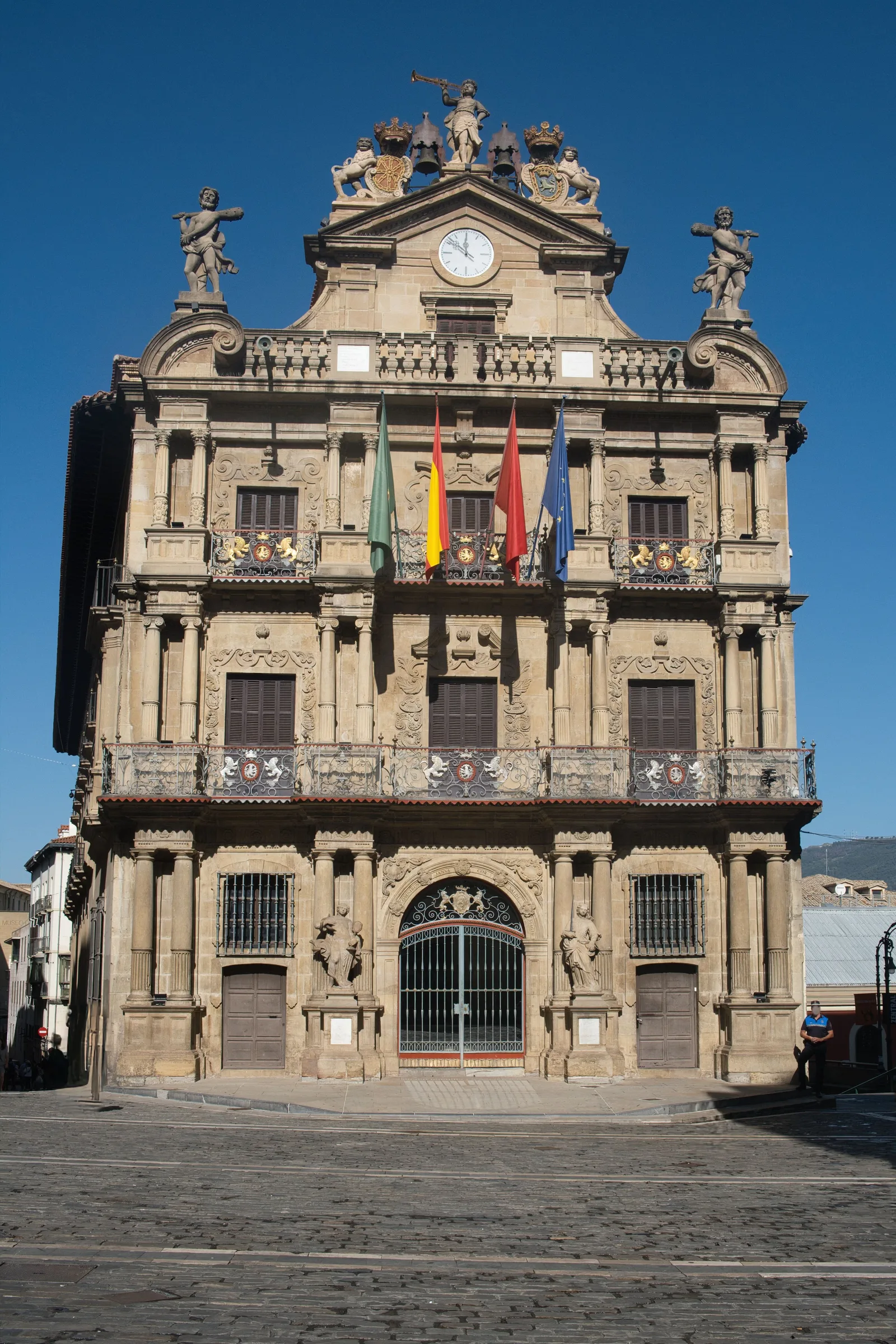
The "chupinazo," the rocket that officially opens San Fermín every 6th of July at noon, is launched from the town hall balcony before a packed square.
A private guide, handpicked hotels and skip-the-line access to every one of these sites.
Pamplona is an unmissable stop on our Gran Tour Ibérico.