Portugal
Lisbon Travel Guide — Belém Tower, Alfama & Private Tours
The city of seven hills, where fado drifts from every corner and the yellow trams still climb the same slopes they have for a century.
The city of seven hills, where fado drifts from every corner and the yellow trams still climb the same slopes they have for a century.
Lisbon is the European capital you explore uphill and down: steep cobbled slopes, viewpoints over the Tagus and a century-old tram that turns every ride into a small adventure.
Few European cities combine so much history with so much light. From its harbour, Lisbon watched the expeditions that redrew the map of the world set sail during the Age of Discovery, and that golden past still lives on in the Manueline architecture of the Belém Tower and the Jerónimos Monastery. But the city also knows how to reinvent itself: after the devastating earthquake of 1755, it was rebuilt as one of the most modern capitals of its time, and today it blends medieval quarters like Alfama with the elegant grid of the Baixa Pombalina.
Exploring Lisbon means letting its viewpoints guide you, riding the legendary Tram 28, losing yourself in the alleys of Alfama to the sound of fado, and ending the day with a freshly baked pastel de nata. It is a city made for slow, unhurried strolling, with the river Tagus always present in the background.
Lisbon is one of the oldest cities in Western Europe, of Phoenician origin and later Roman, when it was known as Olisipo. It was taken by Christian forces in 1147, as part of the Reconquista, and in 1255 it became the capital of Portugal, cementing its role as the kingdom's political and commercial centre.
Its true golden age came with the Age of Discovery. In 1497, Vasco da Gama set sail from Lisbon for India, opening a new trade route that flooded the city with wealth from the spice trade. That splendour is captured in the Manueline architecture of the Belém Tower and the Jerónimos Monastery, symbols of a Lisbon that became one of the richest capitals in Europe.
In 1755, a devastating earthquake and tsunami destroyed much of the city, in one of the worst natural disasters in European history. Under the leadership of the Marquis of Pombal, Lisbon was rebuilt with a modern, rational layout, the Baixa Pombalina, which remains the heart of the historic centre today.
A selection no Viavora itinerary ever skips.
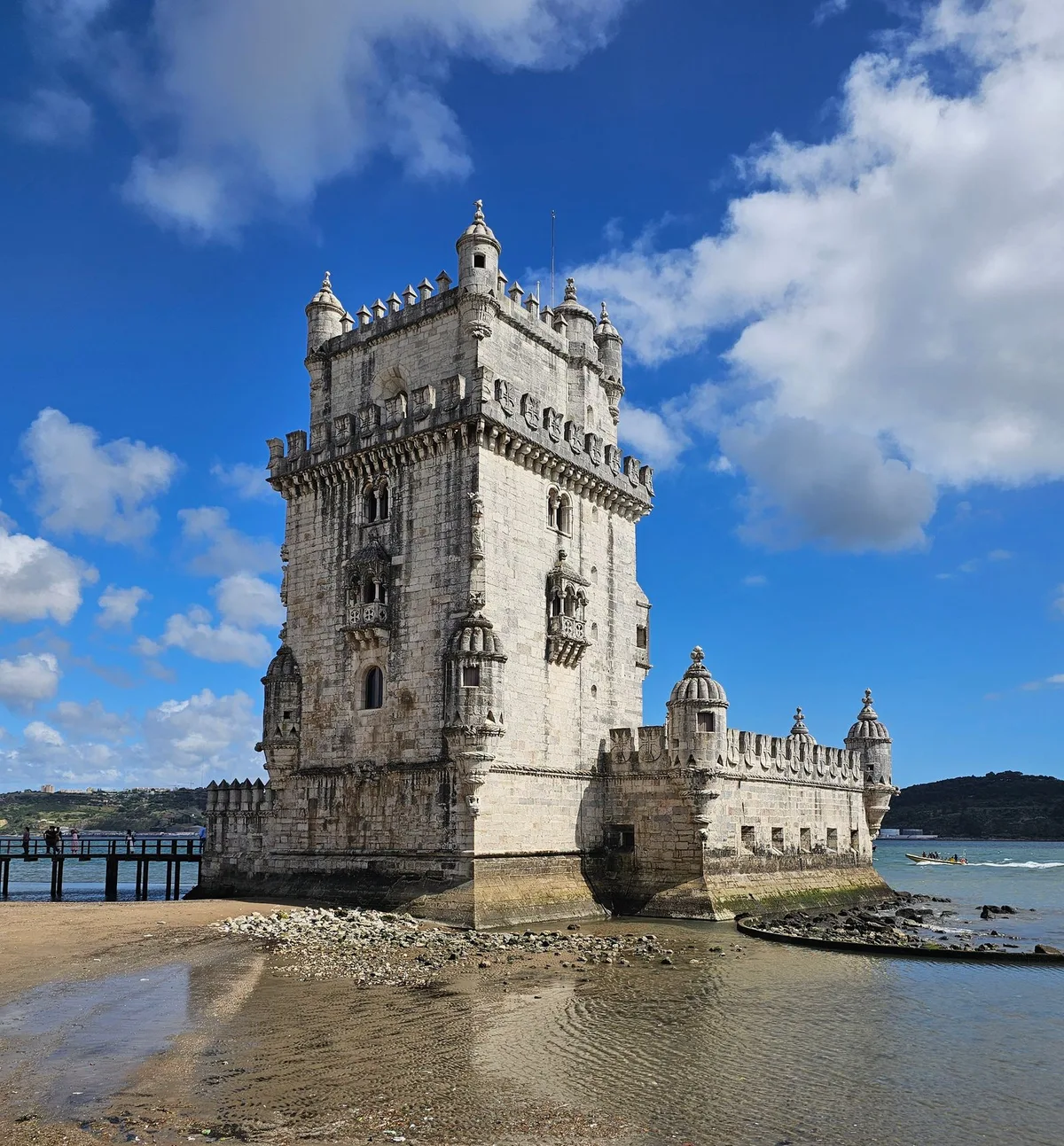
Declared World Heritage Sites, they are the finest expression of Manueline style and the most beautiful architectural testimony to the Age of Discovery, largely funded by the wealth flowing in from the maritime routes to India and Brazil. The Belém Tower, built as a defensive fortress at the mouth of the Tagus, and the Jerónimos Monastery, with a cloister carved in stone like lace, combine nautical motifs — ropes, seaweed, armillary spheres — with an exuberant ornamentation unmatched anywhere else in Europe.
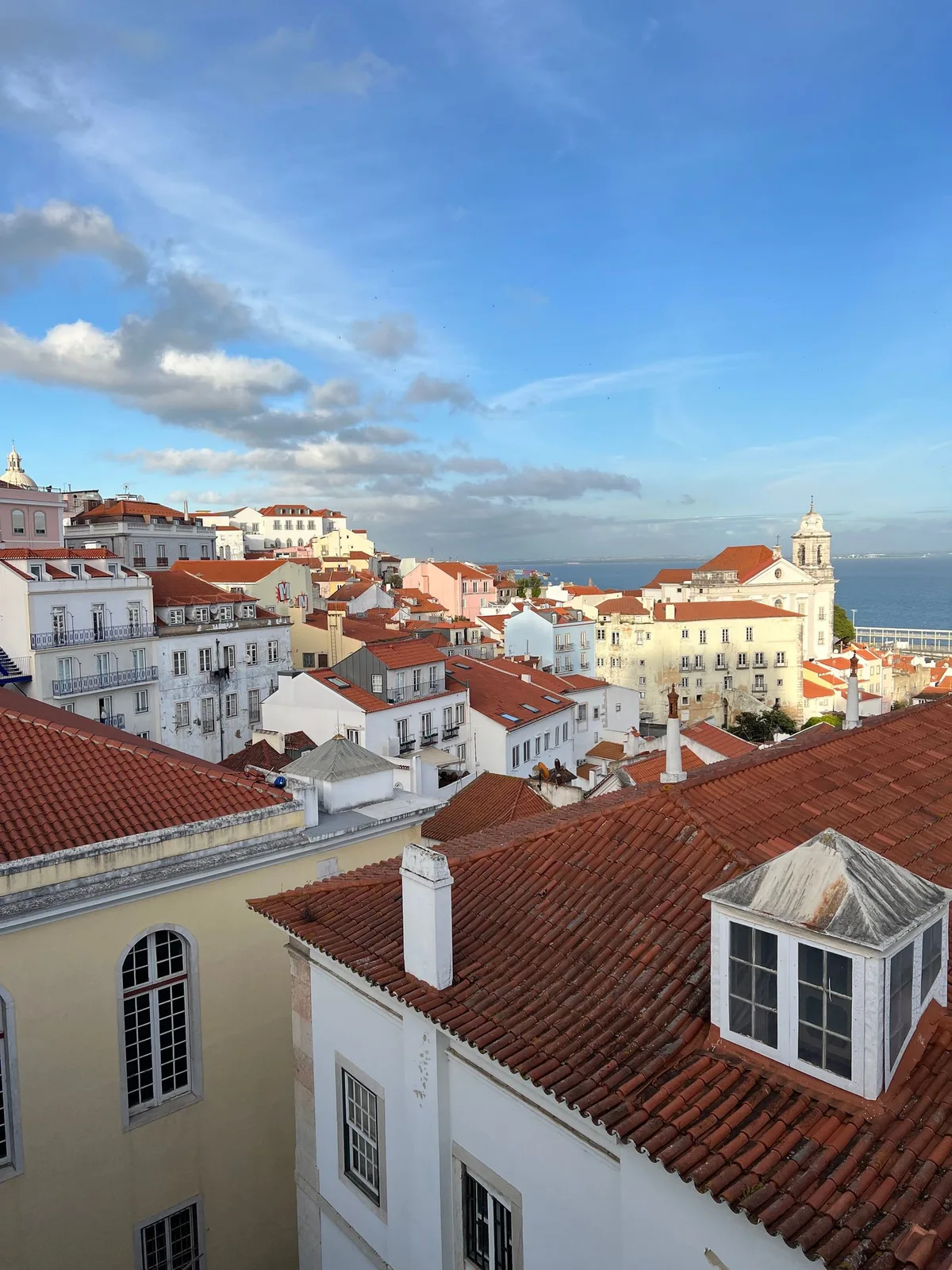
The oldest neighbourhood in Lisbon, the only one that survived the great 1755 earthquake almost intact thanks to its rocky ground, is today a labyrinth of steep alleys, laundry strung between balconies and tiles faded by time. Its viewpoints — Santa Luzia, Portas do Sol — offer some of the best views over the red rooftops and the river Tagus, and as evening falls, when the sound of fado begins to drift out of the taverns, Alfama reveals the city's most authentic, melancholic soul.
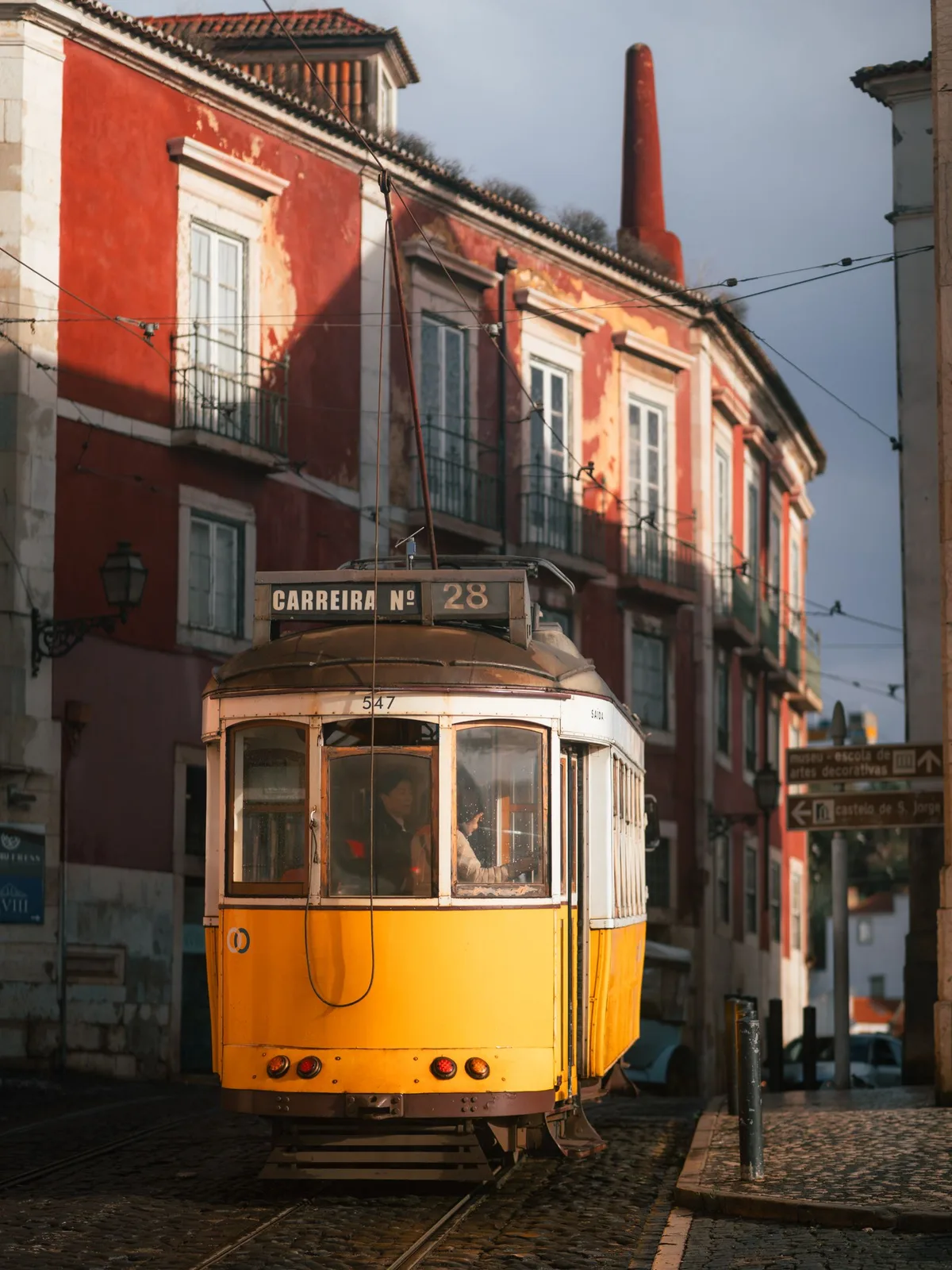
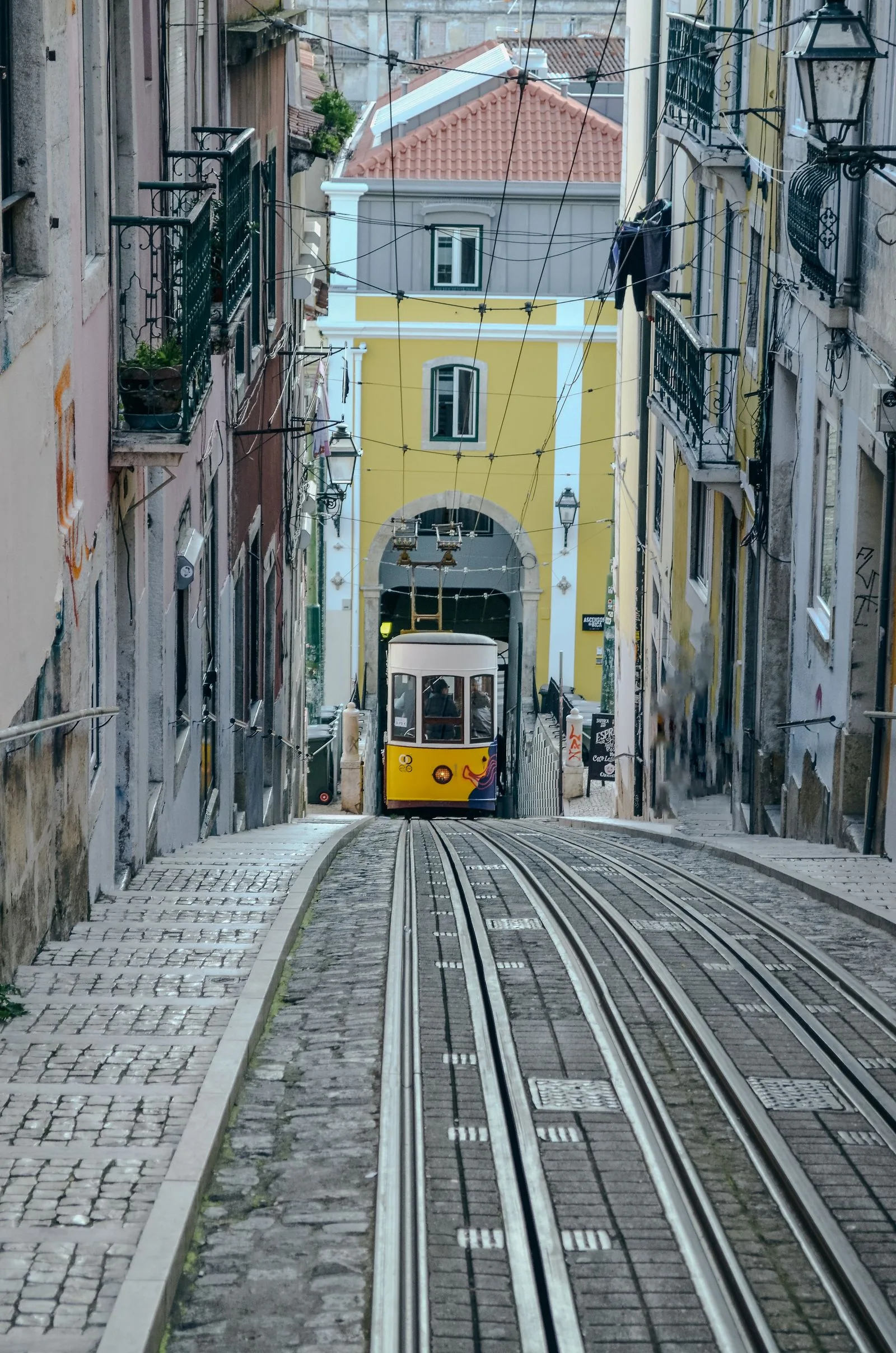
A ride in wooden carriages from the 1930s, still in service as genuine public transport rather than a mere tourist attraction, along some of the steepest slopes in Europe. Crossing the capital's most picturesque neighbourhoods — Graça, Alfama, Baixa, Estrela — aboard this historic tram reveals corners and perspectives of Lisbon that would be very hard to find on foot, all accompanied by the characteristic rattle and screech of its wheels on century-old rails.
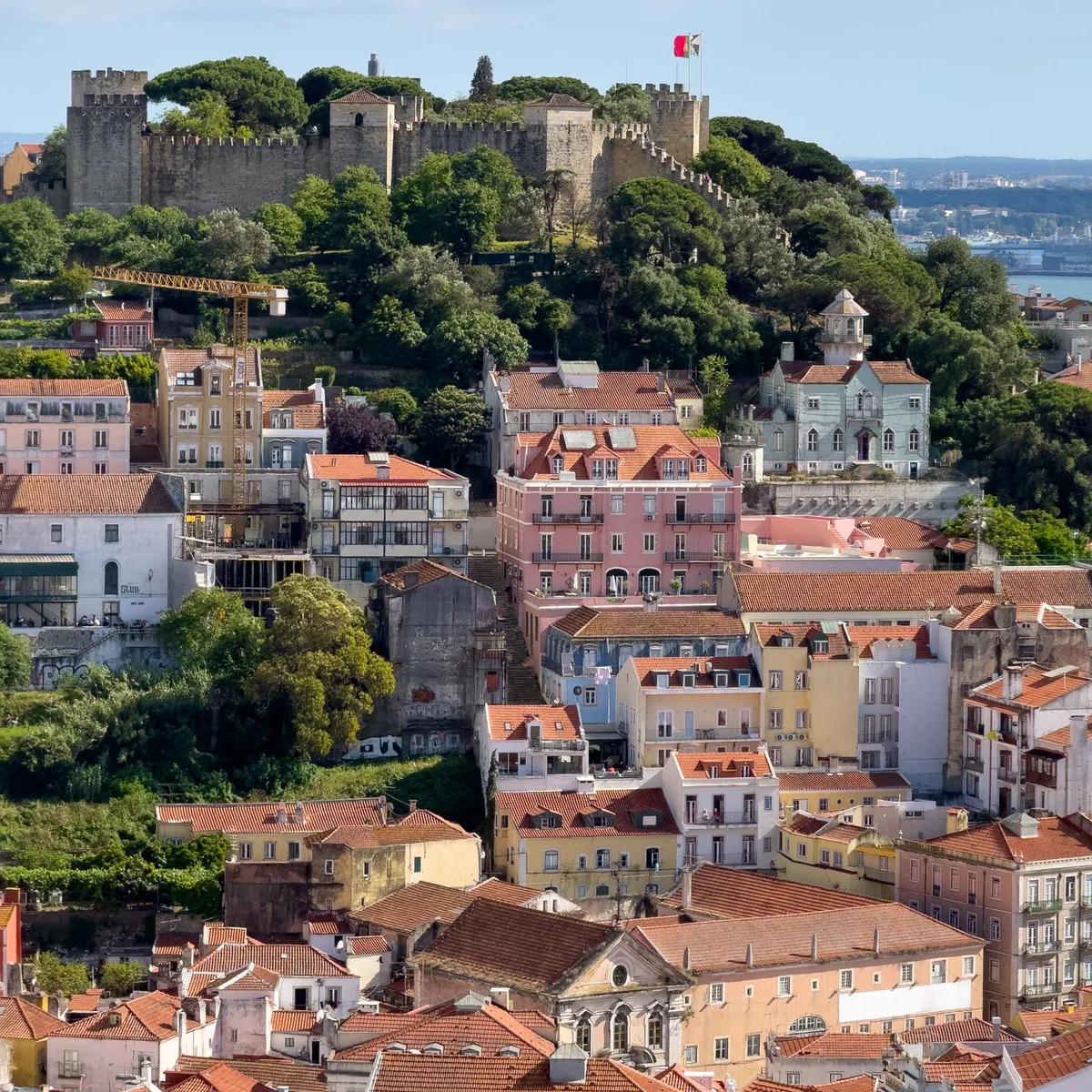
From the top of one of the seven hills the city is built on, this castle of Moorish origin, occupied and expanded in turn by Visigoths, Muslims and Christians, offers the finest panoramic views over the rooftops of Lisbon and the river Tagus. Its battlemented walls, defensive towers and the peacocks that roam freely through its gardens complete a visit that combines history, nature and, above all, some of the prettiest postcard views in the whole city.
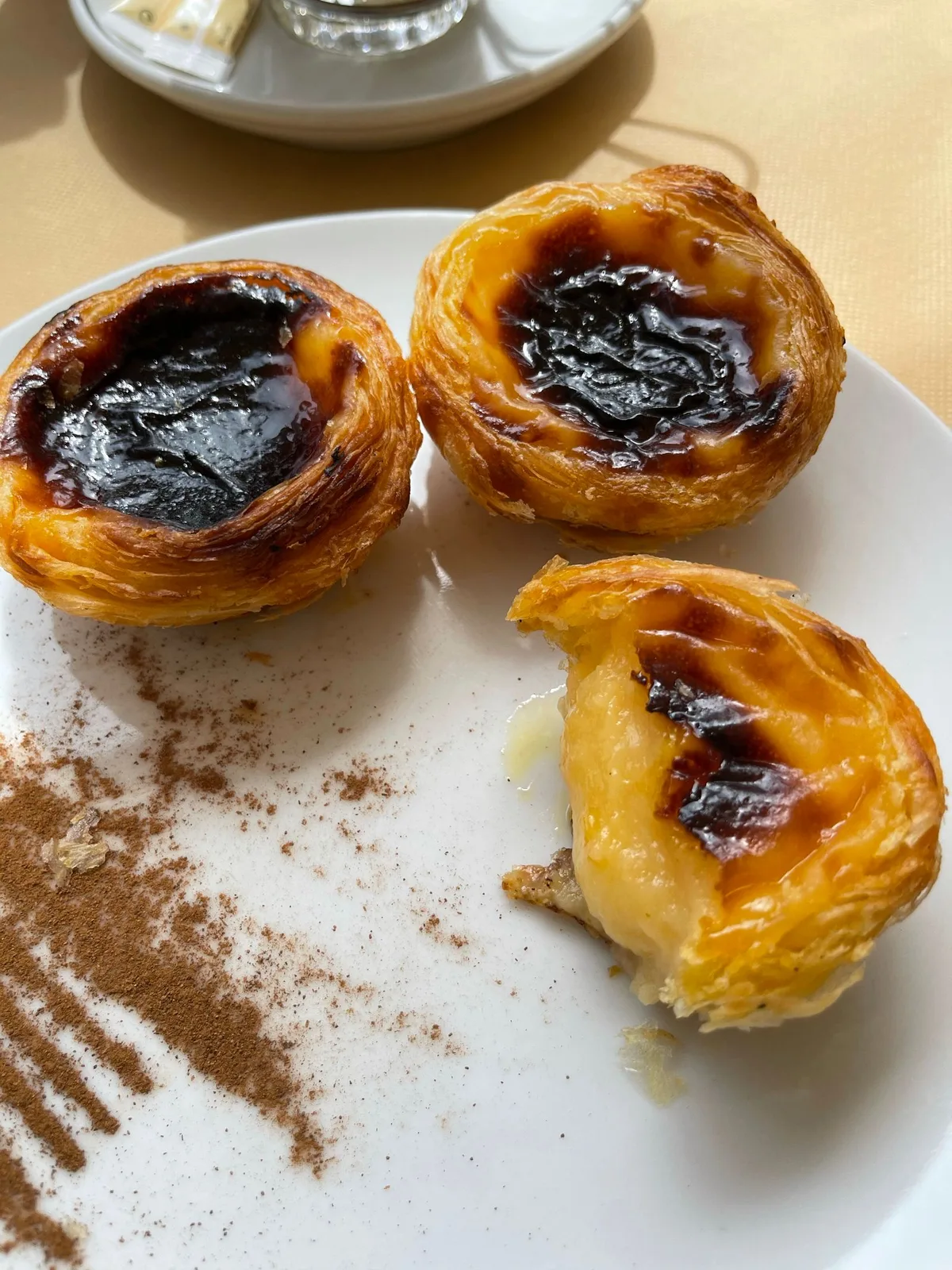
The riverside neighbourhood where the famous custard tart was born, created by the monks of the Jerónimos Monastery as a way to use up the egg yolks left over after using the whites to starch their habits. The original recipe, kept secret for almost two centuries, is still baked at the historic Pastelaria de Belém, founded in 1837, where thousands of visitors queue every day to try an authentic, freshly baked "pastel de Belém," with its caramelised top and creamy centre.
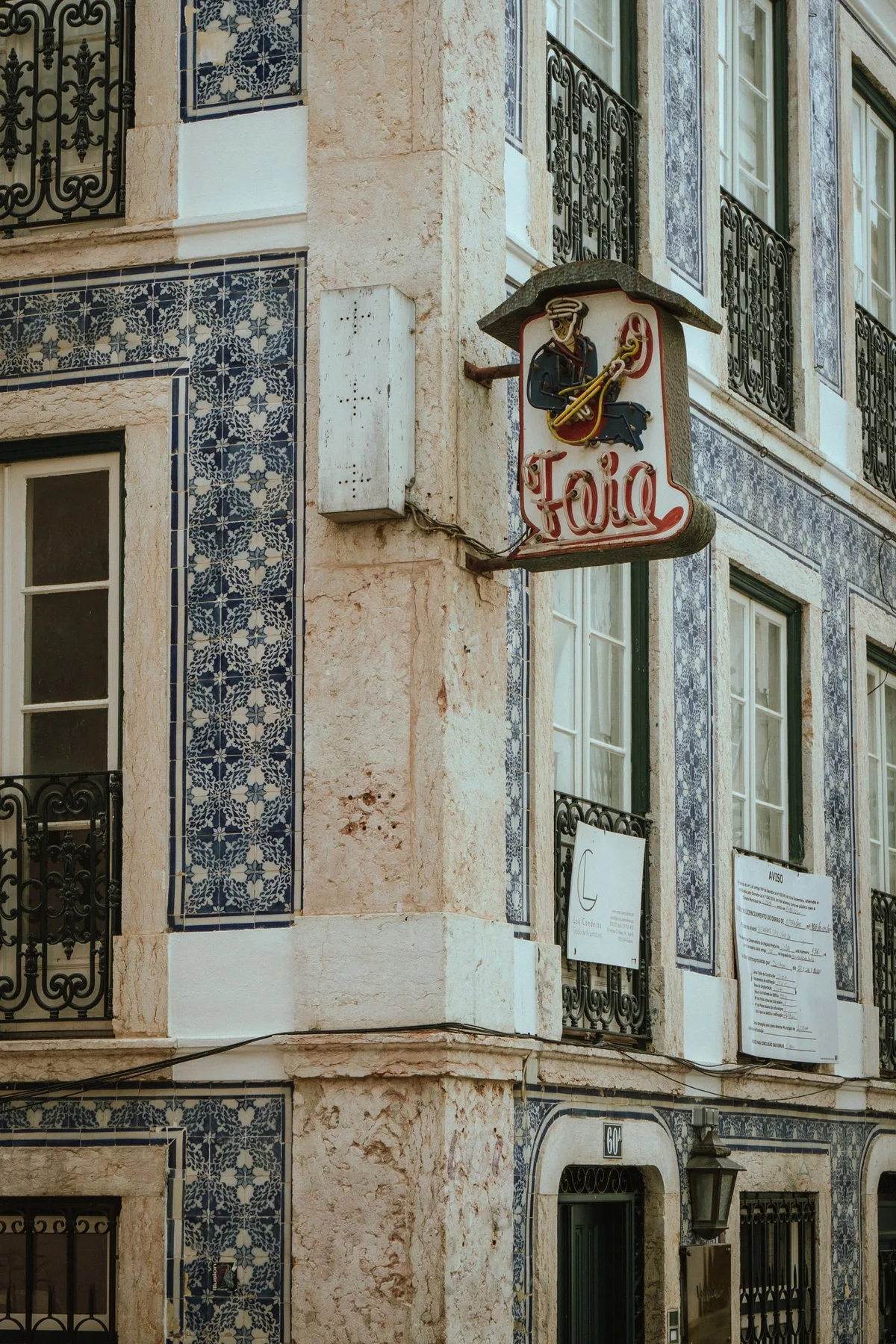
Listening to live fado in a traditional house in Alfama or Bairro Alto is a way into Portuguese "saudade," that feeling of longing and nostalgia with no exact translation in any other language. Born in Lisbon's working-class neighbourhoods in the 19th century, fado is sung to the accompaniment of Portuguese guitar and viola, with voices that shift between lament and hope. Declared an Intangible Cultural Heritage by UNESCO, an authentic night of fado in a small, intimate tavern is one of the most intense cultural experiences the city has to offer.
The 1755 earthquake was one of the most devastating in European history and permanently changed the shape of the city.
The famous pastel de nata was created at the Jerónimos Monastery, and its original recipe remains a closely guarded secret at the Pastelaria de Belém since 1837.
Tram 28 travels along some of the steepest slopes in Europe aboard wooden carriages from the 1930s.
Lisbon is, along with Rome, one of the few European capitals built across seven hills.
Fado, Lisbon's traditional music and a UNESCO Intangible Cultural Heritage, expresses "saudade," a feeling of longing with no exact translation into other languages.
The 25 de Abril Bridge over the Tagus shares its design with San Francisco's Golden Gate Bridge and was built by the same construction company.
A private guide, handpicked hotels and skip-the-line access to every one of these sites.
Lisbon is the perfect gateway to our Complete Iberia and Grand Iberian Tour circuits.