Portugal
Porto Travel Guide — Ribeira, Wine Cellars & Private Tours
The city that gave Portugal its name and the world its most famous wine, with an old town that seems frozen in time.
The city that gave Portugal its name and the world its most famous wine, with an old town that seems frozen in time.
Porto is the city that gave its name to an entire country, and centuries later still lives off the same river and the same wine that made it famous around the world.
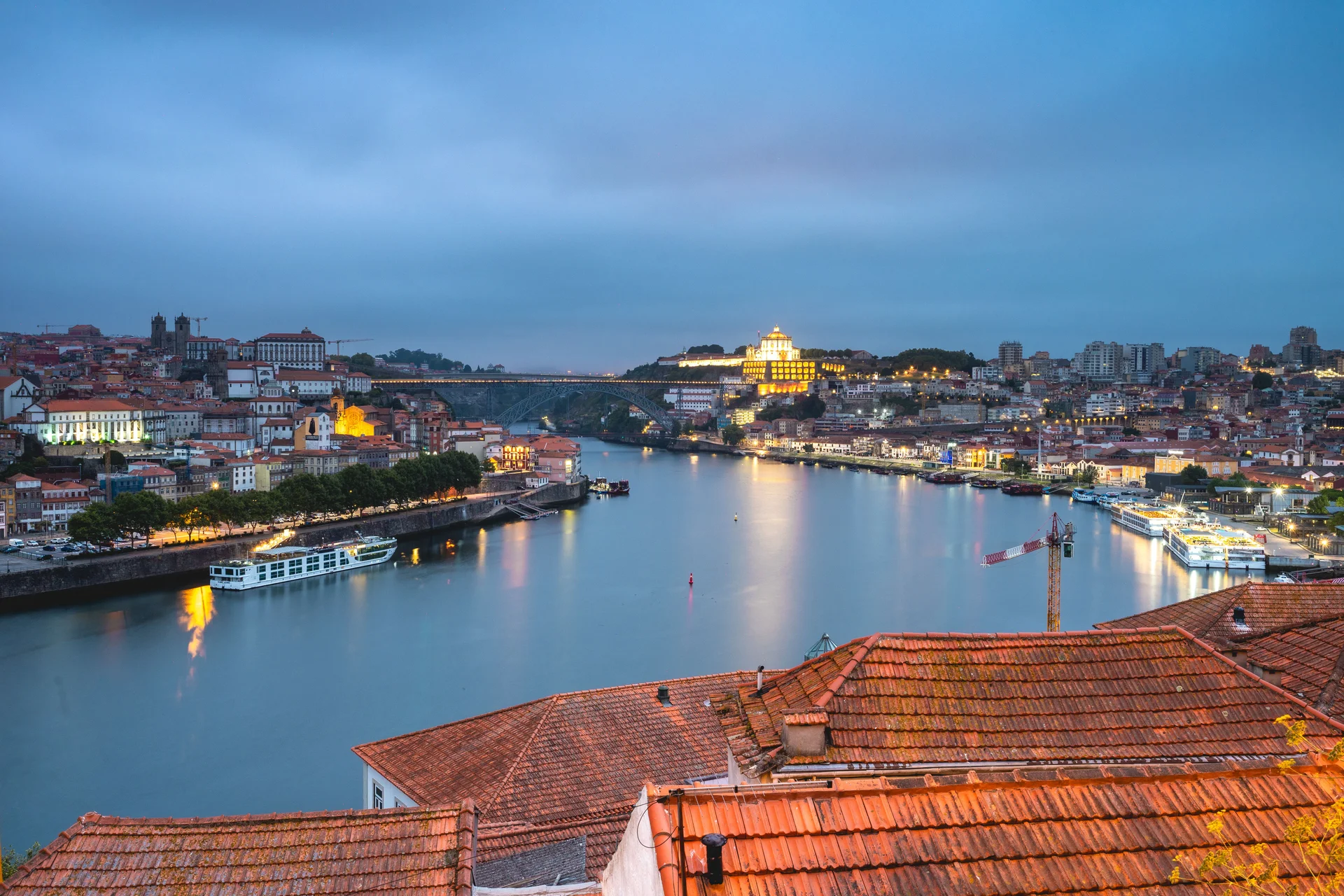
Overlooking the Douro from tiled houses stacked like an amphitheatre, Porto has a charm unlike any other Portuguese city. Its historic centre, the Ribeira, has been a UNESCO World Heritage Site since 1996, and strolling its cobbled lanes, crossing the imposing Dom Luís I Bridge and sailing across to the centuries-old wine cellars of Vila Nova de Gaia are experiences that define the city as much as its old town does.
Because Porto is, above all, the birthplace of the wine that bears its name: since the 18th century, its cellars have safeguarded the tradition of a product exported around the world. Add to that an elegant, slightly melancholic architecture, a hearty and hospitable cuisine, and a genuine character, less touristy than Lisbon's, that wins over anyone who lets themselves wander its hillside streets.
Porto was founded in Roman times as Portus Cale, a settlement at the mouth of the Douro River whose name would eventually give rise to that of the country itself: Portugal. During the Middle Ages, the city grew as a strategic trading port and shipyard, taking advantage of its privileged position facing the Atlantic.
The great leap came with the wine trade. The Methuen Treaty, signed in 1703 with England, decisively boosted exports of Porto wine to the British market, laying the foundations of an industry that would define the city's identity. In 1756, the Upper Douro became the first wine region in the world to be officially demarcated and regulated, a pioneering milestone in the history of wine.
That legacy lives on today in the centuries-old cellars of Vila Nova de Gaia, on the other side of the river, and in the historic centre of the Ribeira itself, declared a UNESCO World Heritage Site in 1996 in recognition of its unique architectural and urban value.
A selection of what no Viavora itinerary skips.
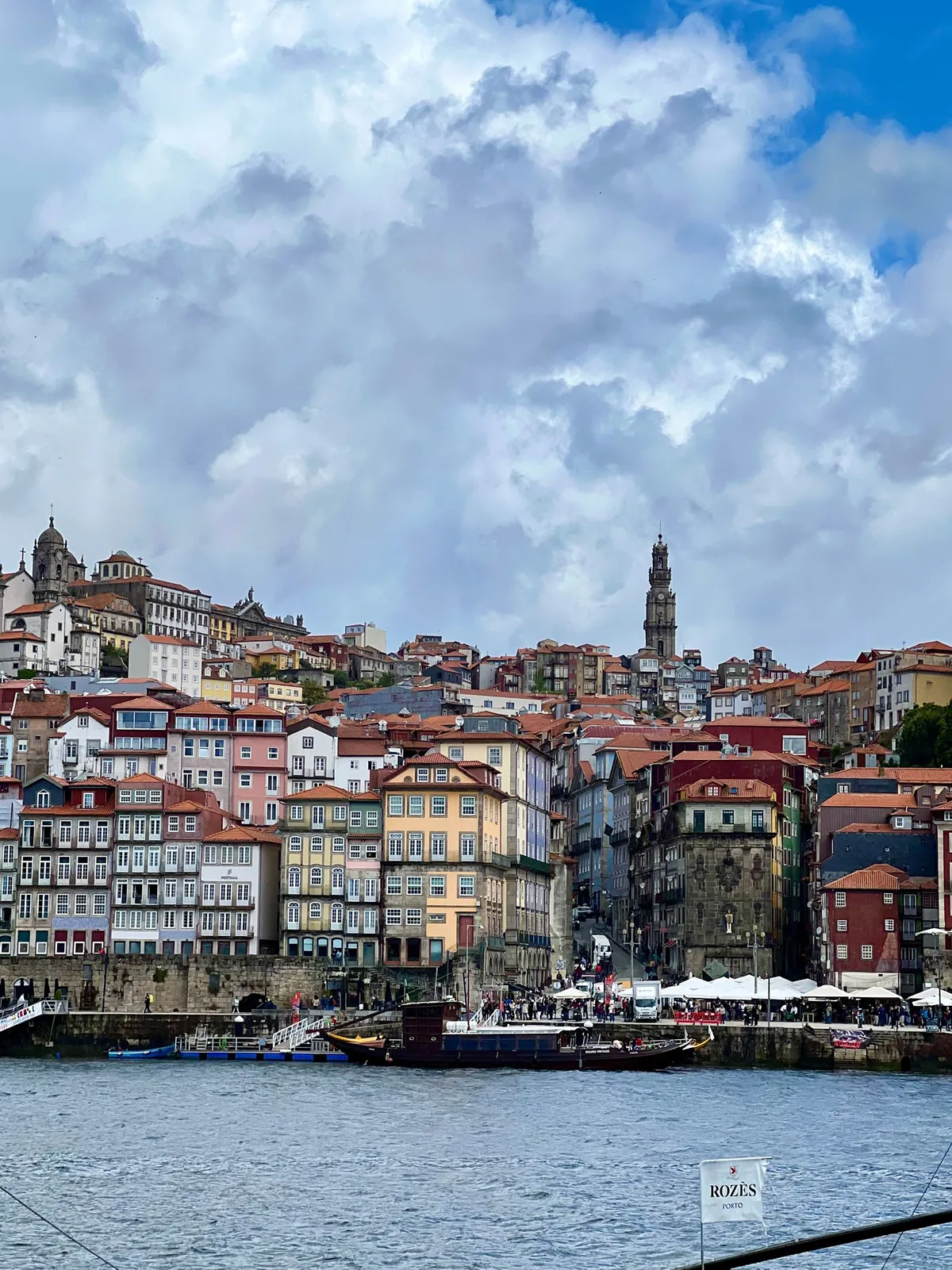
The historic neighbourhood beside the Douro, with its coloured facades stacked against the river along a medieval layout of narrow lanes and impossible staircases, is a World Heritage Site and the undisputed heart of the city. Its riverside terraces, with direct views of the Dom Luís I Bridge and the Vila Nova de Gaia cellars across the water, are the perfect place to eat fresh seafood or simply watch the evening fall over one of the most photogenic cityscapes in Portugal.
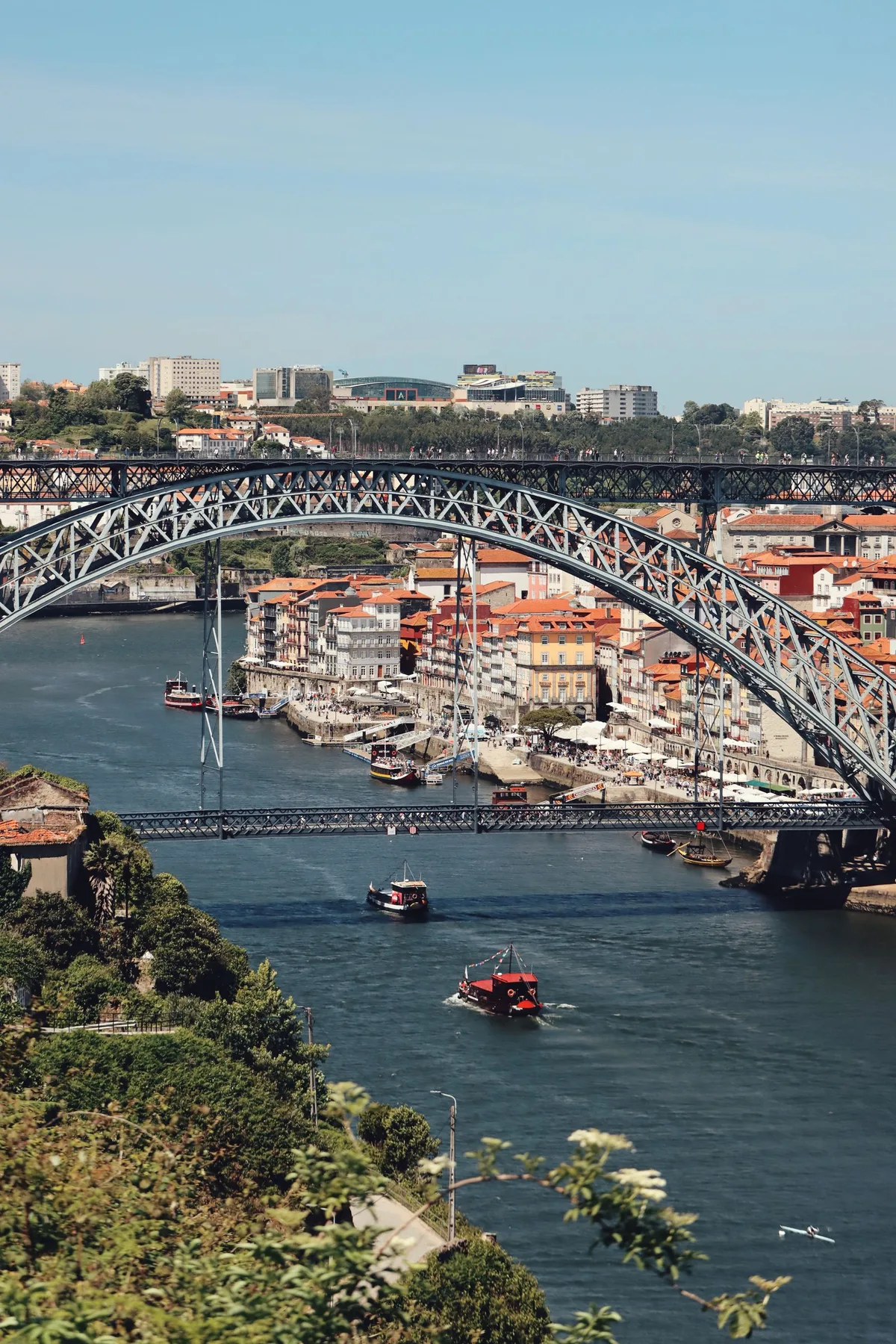
Designed by Théophile Seyrig, a disciple and former partner of Gustave Eiffel, this 1886 wrought-iron bridge links the two banks of the Douro with two stacked decks: a lower one for road traffic and an upper one, today used by the metro and pedestrians, offering one of the best views in the city. Crossing it on foot along the upper deck, 45 metres above the river, with the Ribeira on one side and the Gaia cellars on the other, is one of the most memorable experiences of any visit to Porto.
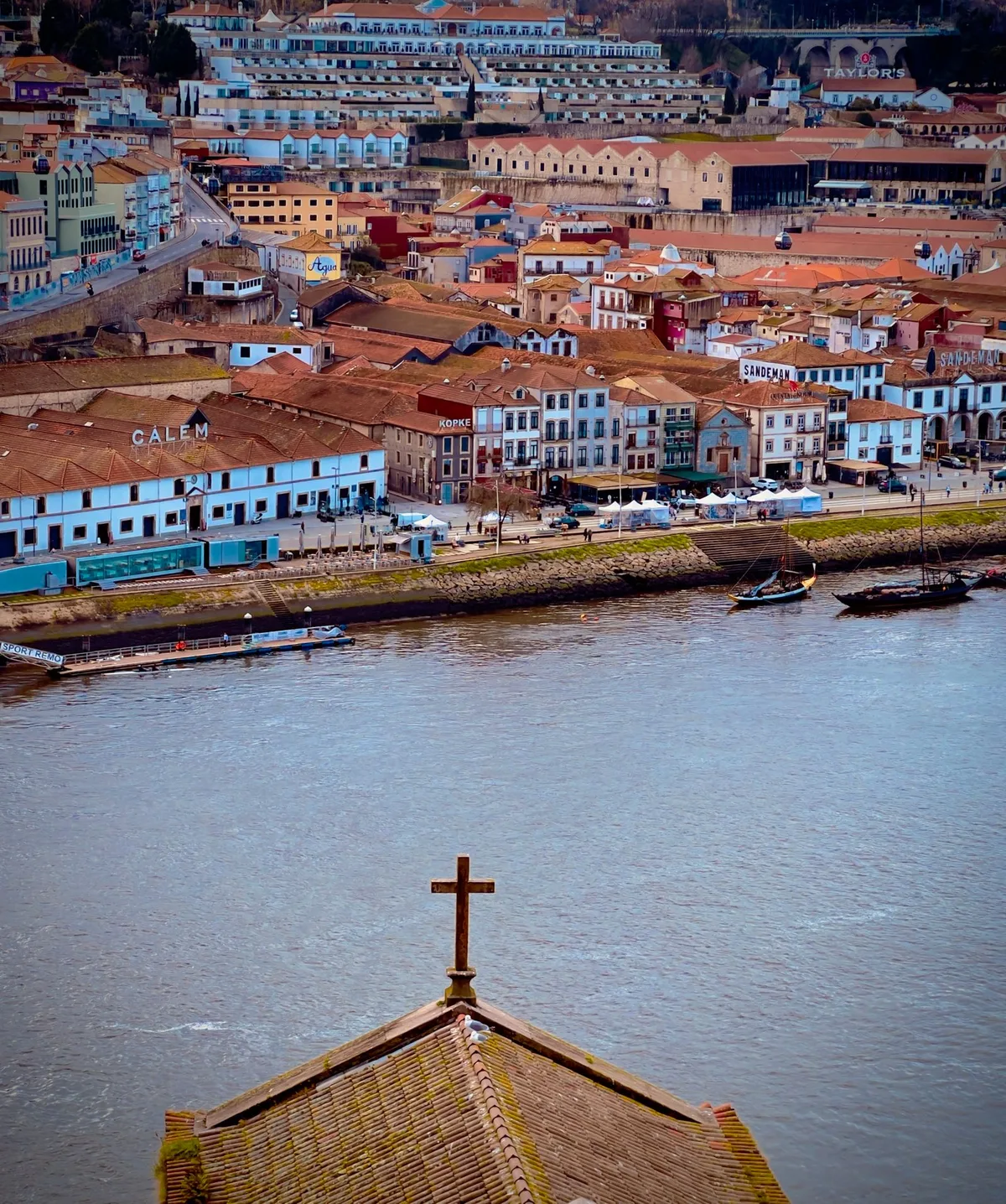
Across the river, the historic cellars where Porto wine traditionally aged — brought down by rabelo boats from the Douro valley upstream — offer tours and tastings essential to understanding this centuries-old industry. Brands such as Sandeman, Graham's and Taylor's open their historic cellars to the public, explaining the fortification and ageing process that makes Porto wine one of Portugal's most distinctive and internationally recognised products.
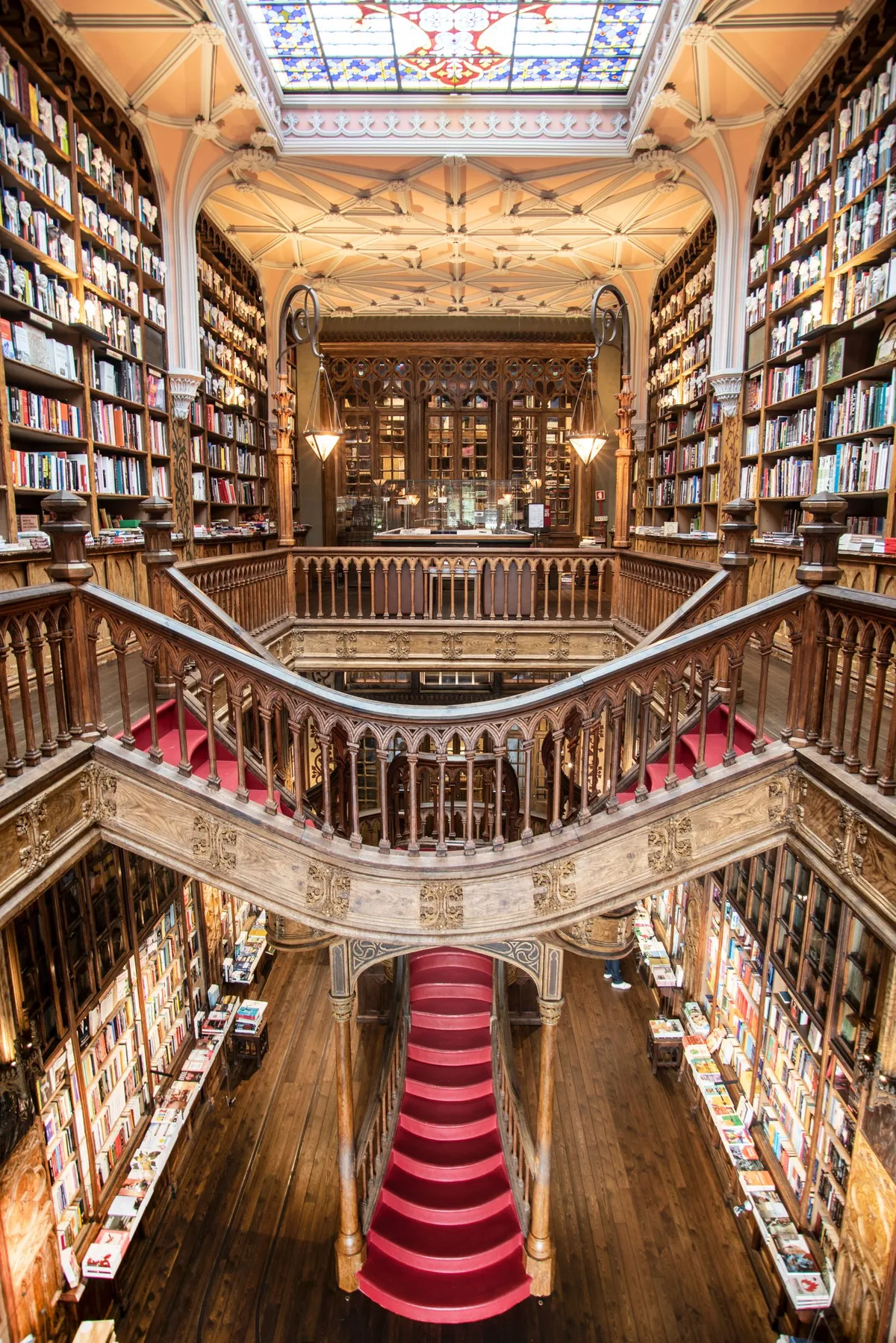
With its iconic red spiral staircase, carved in wood with an almost hypnotic wave-like effect, it has been considered one of the most beautiful bookshops in the world since it opened in 1906. Its neo-Gothic plaster ceiling and stained-glass windows have inspired generations of writers — it is said that J.K. Rowling, who lived in Porto in the 1990s, drew inspiration here for some Harry Potter settings — making it a must for any lover of books and architecture.
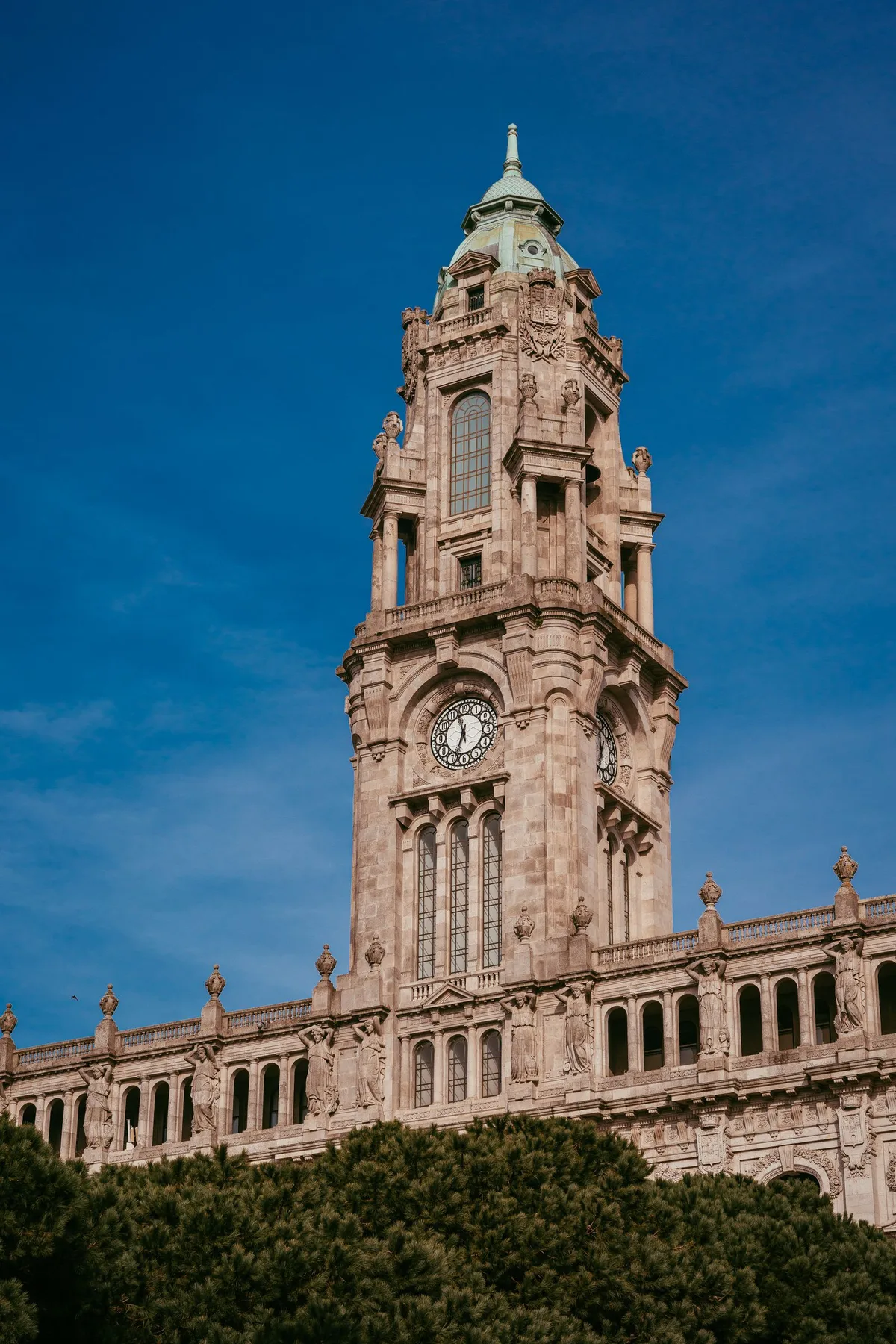
One of the symbols of the city, this baroque granite tower built in the 18th century reaches 76 metres in height, making it for a long time the tallest building in Portugal. Climbing its 240 spiral steps to the viewpoint has its reward: incomparable views over the historic centre, the red-tiled rooftops and the Douro River winding towards the Atlantic, one of the most complete panoramas of the whole city.
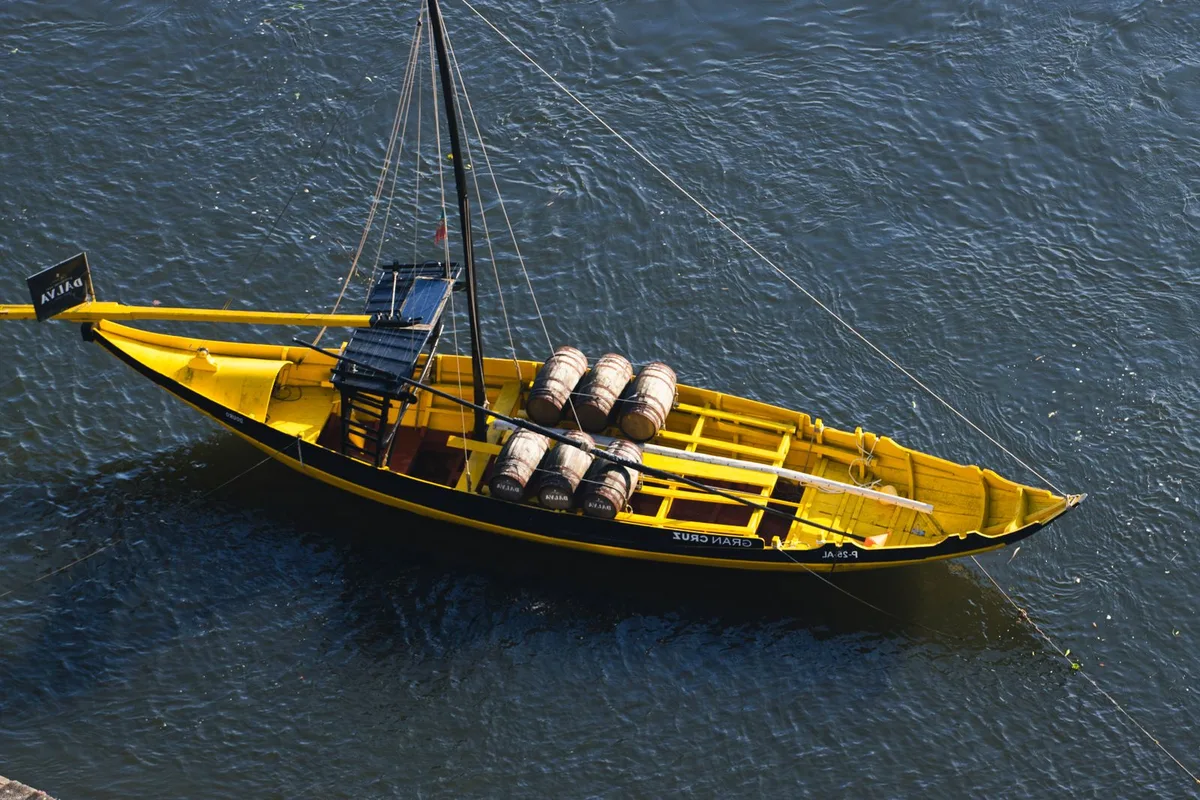
A trip along the Douro aboard the traditional flat-bottomed, square-sailed rabelo boats, which for centuries carried wine down from the steep vineyards of the valley interior to the cellars of the city, before the construction of dams made the journey safer by road. Now converted into sightseeing trips, they let you pass beneath Porto's six bridges and admire the Ribeira and Vila Nova de Gaia from the water just as generations of wine merchants once saw them.
The Upper Douro region was the first wine region in the world to be officially demarcated and regulated, in 1756.
The Dom Luís I Bridge was designed by a disciple of Gustave Eiffel and has two stacked decks, one for pedestrians and the metro and another for road traffic.
The Lello Bookshop, with its red spiral staircase, is considered one of the most beautiful bookshops in the world, and is said to have inspired part of the Harry Potter imagery, partly written by J.K. Rowling during her time in Porto.
The name "Portugal" derives directly from the city's Roman name, Portus Cale.
Porto's historic wine cellars are located across the river in Vila Nova de Gaia, where the wine traditionally aged after coming down the Douro in rabelo boats.
São Bento railway station surprises arriving travellers with more than 20,000 tiles depicting scenes from Portuguese history in its main hall.
A private guide, handpicked hotels and skip-the-line access to every one of these sites.
Porto is the perfect gateway to our Iberia Complete and Grand Iberian Tour circuits.