Spain
Málaga Travel Guide — Alcazaba, Picasso Museum & Private Tours
The city that gave birth to Picasso, with nearly three thousand years of history and a handful of the finest urban beaches in Spain.
The city that gave birth to Picasso, with nearly three thousand years of history and a handful of the finest urban beaches in Spain.
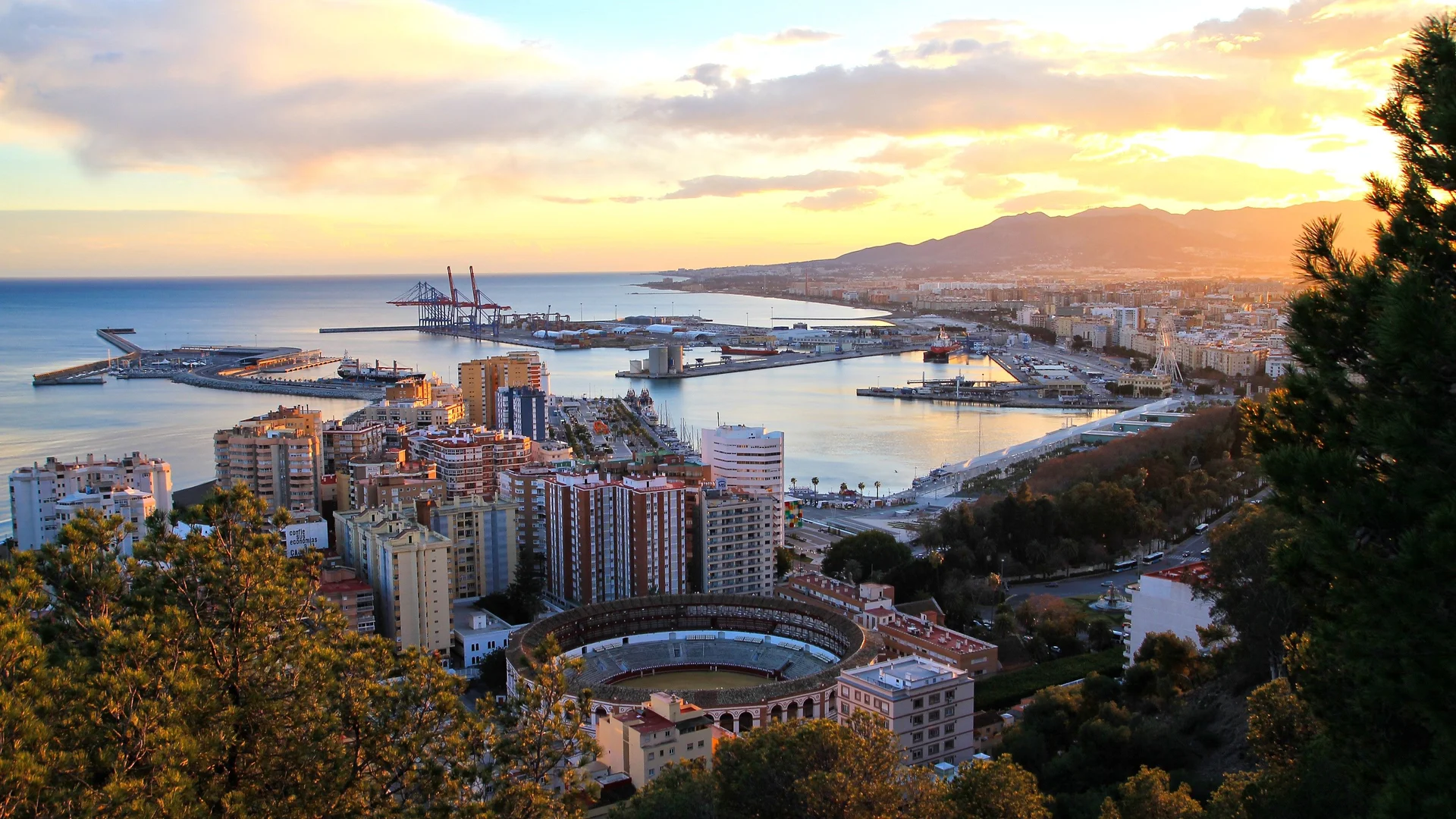
Málaga is the rare city that can offer, on the very same walk, a thousand-year-old fortress, a world-class museum and a beach where you can take a swim before lunch.
Founded nearly three thousand years ago, Málaga is one of the oldest continuously inhabited cities in Europe, and that historical weight shows in every corner of its old town: the Alcazaba and Gibralfaro Castle watch over the city from above, the Roman Theatre recalls its past under Rome, and the Cathedral — affectionately known as "La Manquita" ("the one-armed lady") — dominates the skyline beside the sea. But Málaga doesn't live on its past alone: it is also the birthplace of Pablo Picasso, and since the opening of the Picasso Museum in 2003 it has undergone a genuine cultural renaissance that has turned it into one of the most compelling destinations in southern Spain.
Add to that a privileged climate with over 300 days of sunshine a year, urban beaches just steps from the historic centre, and a food scene that blends time-honoured fried fish with a new generation of Andalusian cuisine. Málaga is, quite simply, the perfect gateway to the Costa del Sol.
Málaga was founded by the Phoenicians around 770 BC under the name Malaka, making it one of the oldest continuously inhabited cities in Europe. It also flourished under Roman rule, when its Roman Theatre was built — still visible today at the foot of the Alcazaba — and later thrived as Malaqah, one of the main ports of the Nasrid Kingdom of Granada.
That Muslim-era chapter left the city its defensive jewel: the Alcazaba, connected by a wall to Gibralfaro Castle, forming the largest Nasrid military complex in Andalusia after the Alhambra. The Christian conquest arrived in 1487, led by the Catholic Monarchs, definitively bringing Málaga into the Crown of Castile.
Centuries later, in 1881, the city saw the birth of Pablo Picasso, one of the most influential artists in history. Although the painter left Málaga as a child, his legacy eventually returned: the opening of the Museo Picasso Málaga in 2003 marked the start of a cultural renaissance that, combined with the great tourism boom of the Costa del Sol, has turned the city into one of the most vibrant destinations in southern Spain.
A selection no Viavora itinerary ever skips.
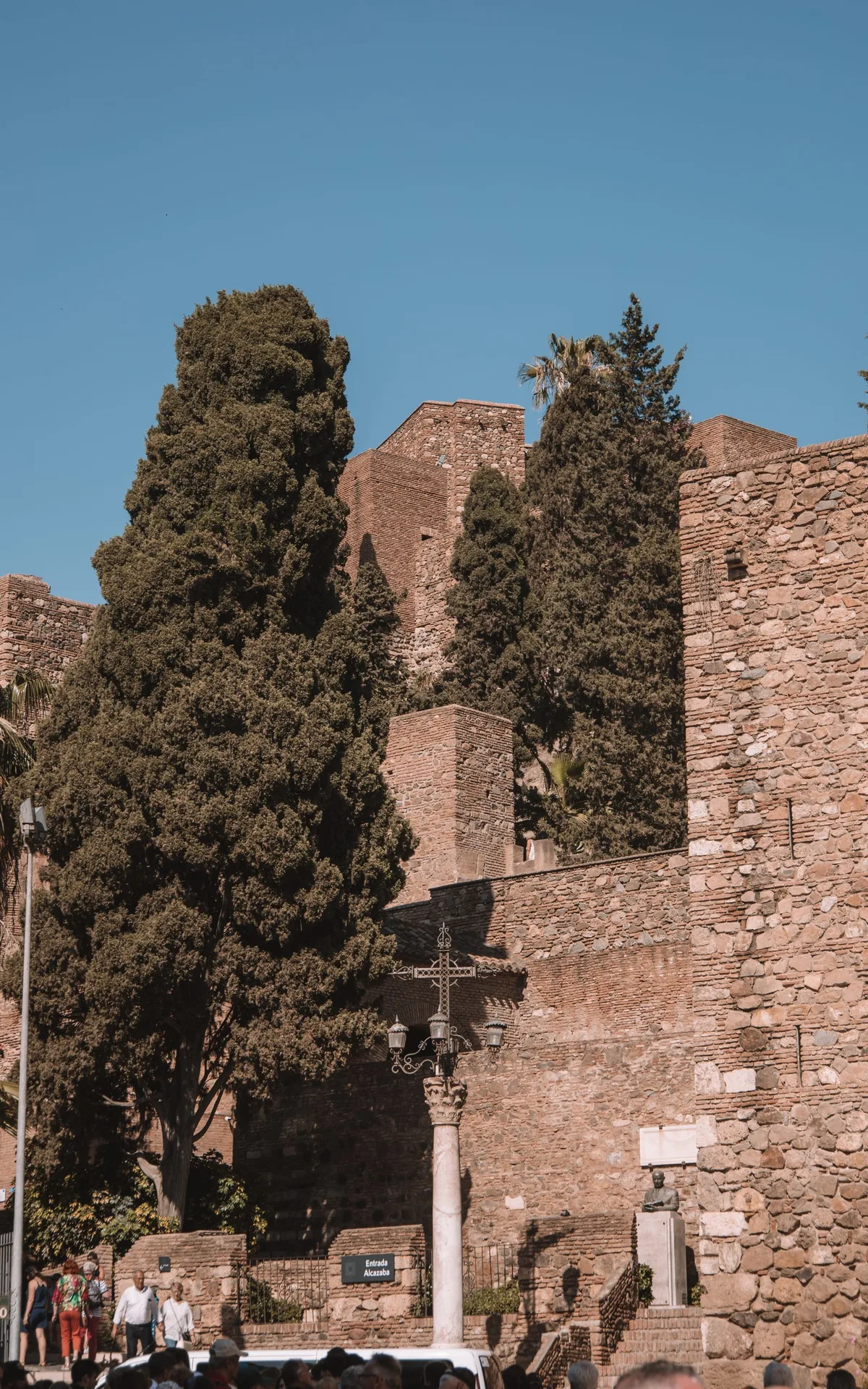
Joined by an ancient double wall that allowed safe passage between the two fortresses, together they form the largest Nasrid defensive complex in Andalusia after the Alhambra, built from the 11th century onward atop earlier Phoenician and Roman remains. The Alcazaba, with its landscaped courtyards and Moorish-inspired fountains, and Gibralfaro Castle, at the top of the hill of the same name, offer gardens and views over the port and city that alone justify the climb, especially at sunset.
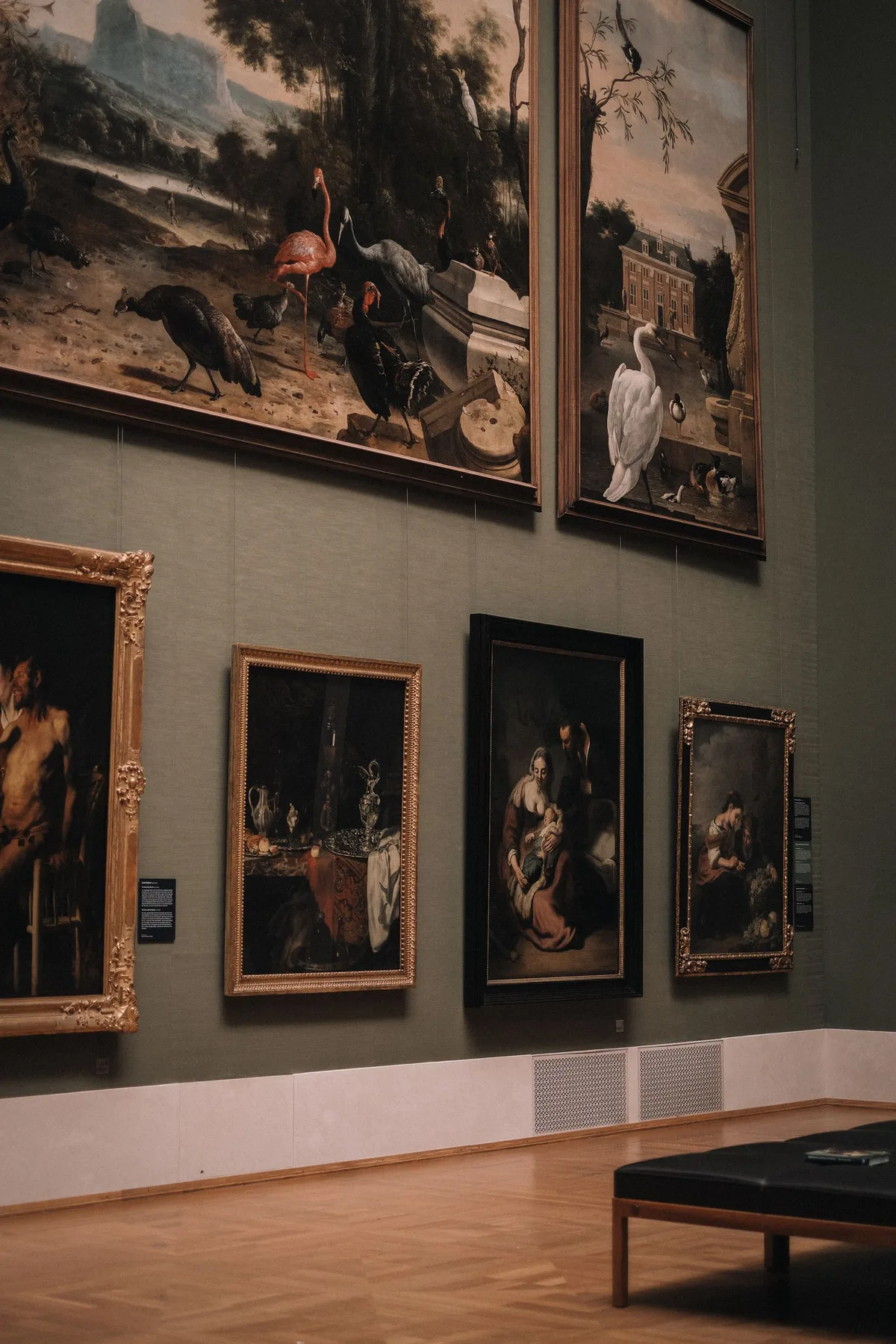
Housed in the Palacio de Buenavista, right in the heart of the historic quarter where Picasso was born in 1881, the museum brings together works donated by the artist's own family — his daughter-in-law Christine Ruiz-Picasso and his grandson Bernard — with the express wish that the genius's home city should hold a permanent collection of his work. The route, with over 280 pieces, traces his evolution from his early academic years to his most groundbreaking and experimental period, including ceramics, sculptures and paintings from almost every creative phase of his career.
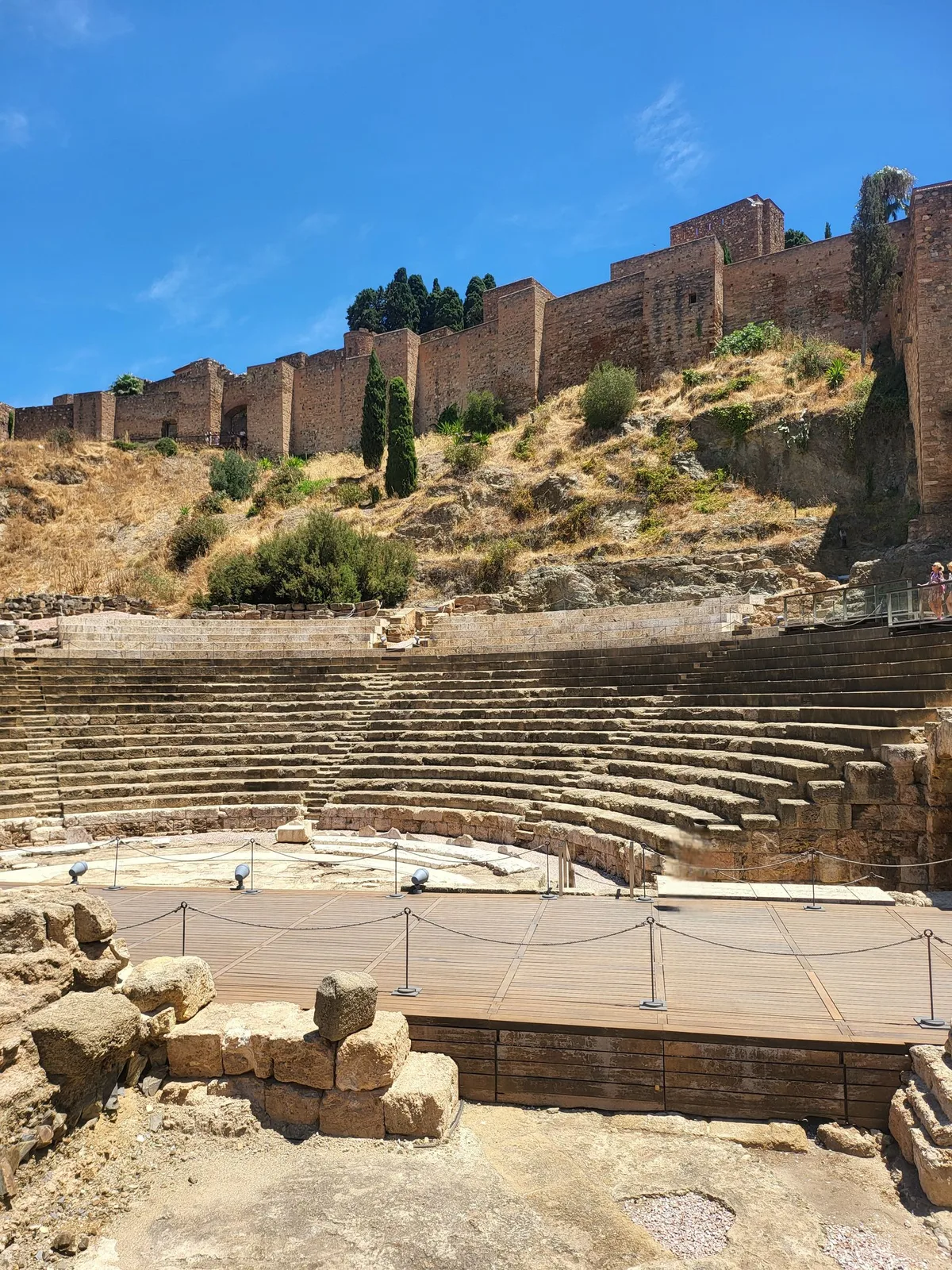
At the very foot of the Alcazaba, this 1st-century BC theatre lay hidden underground for centuries until it was discovered by chance in 1951 during gardening works. With capacity for around 2,000 spectators, it is a reminder that Málaga, originally founded by the Phoenicians as Malaka, was already an important city under the Roman Empire, centuries before its Nasrid splendour — direct testimony to the many civilisations that have left their mark on the city.
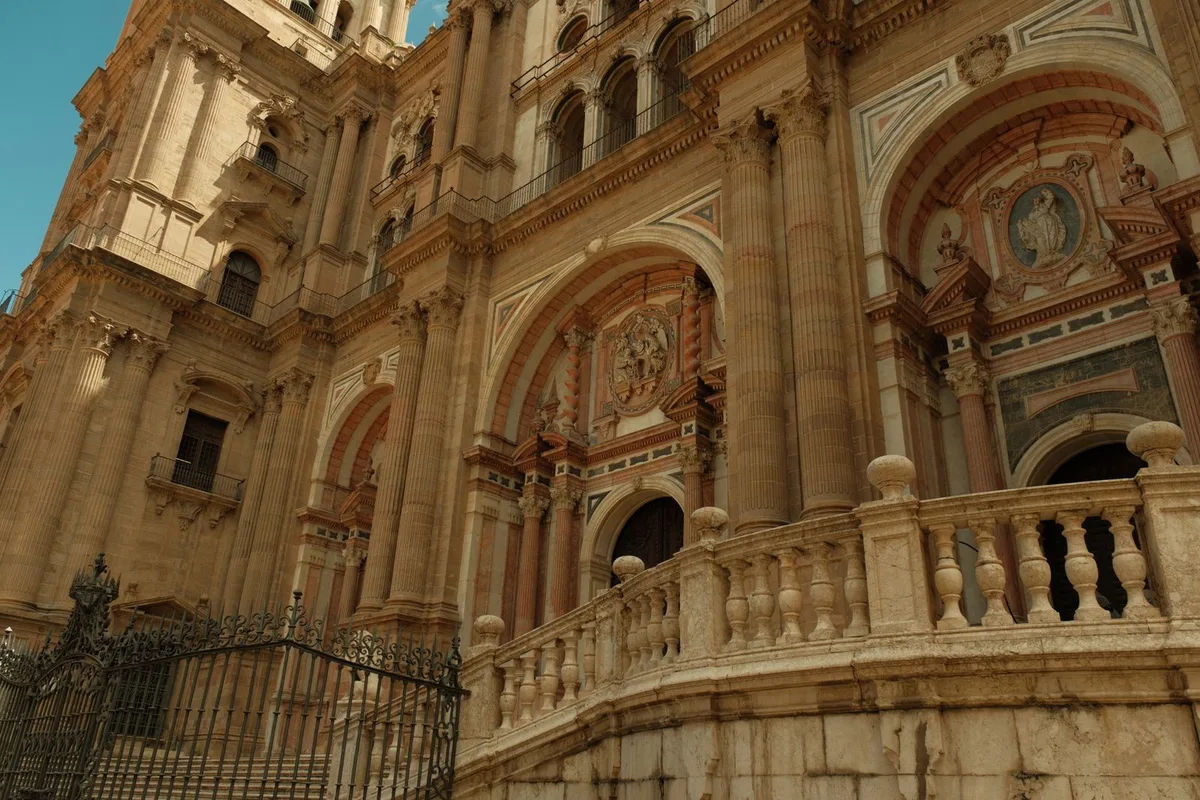
Popularly known as "La Manquita" for its unfinished tower — funds earmarked to complete it were, according to tradition, redirected to help finance the American War of Independence — it has dominated the city's skyline since construction began in 1528 on the site of a former main mosque. It is one of the great works of Andalusian Renaissance architecture, with an interior blending Gothic, Renaissance and Baroque elements, and a choir stalls carved in mahogany considered a masterpiece of Spanish religious sculpture.
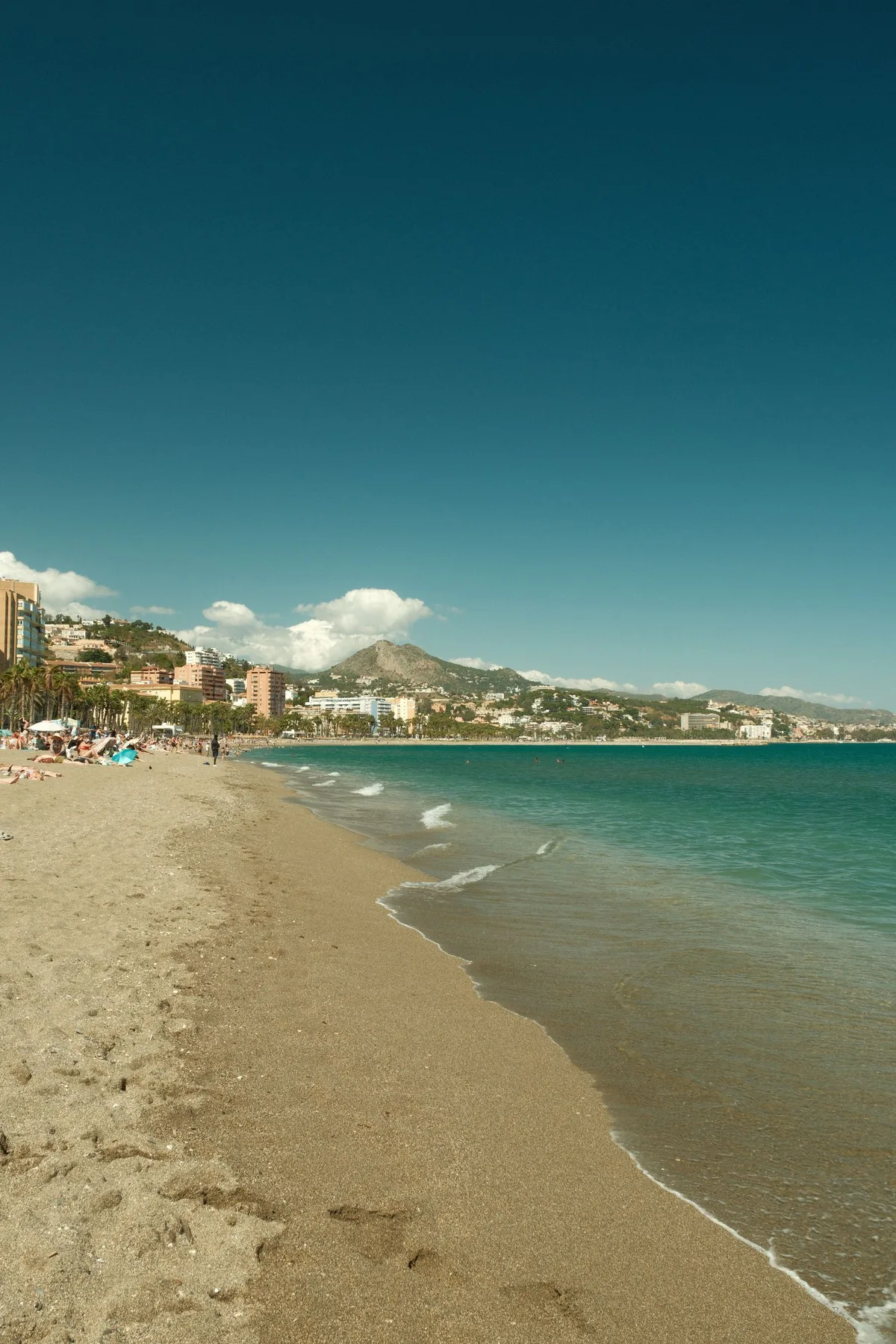
The quintessential urban beach, just a ten-minute walk from the historic centre: sand, beach bars and espeto de sardinas — sardines skewered on a cane and grilled over wood embers, prepared in Málaga this way since the 19th century — with the Mediterranean Sea as a backdrop. It is the perfect place to combine, in a single day, a visit to the museums and monuments of the historic centre with a relaxed afternoon at the beach, something few European cities of this size can offer so effortlessly.
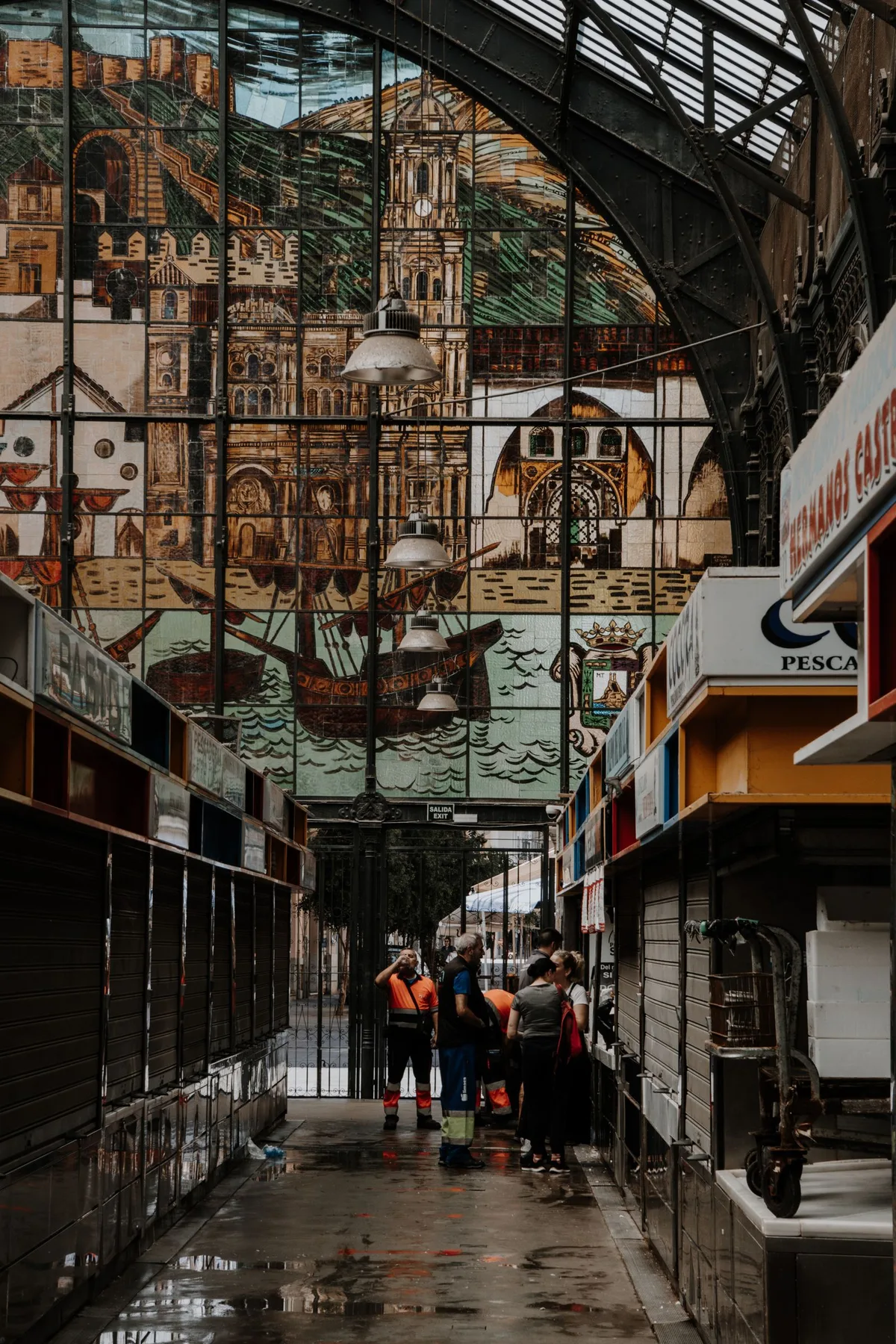
A 19th-century iron-and-glass market built on the remains of the Nasrid shipyards that give it its name (atarazanas means precisely "shipyard" in Arabic), with a spectacular central stained-glass window depicting the Bay of Málaga. Its stalls offer the finest fresh fish from the Málaga fish market, along with fruit, spices and pickles, in the most authentic and bustling atmosphere in the city — ideal for breakfast or mid-morning tapas surrounded by locals doing their daily shopping.
Málaga is one of the oldest continuously inhabited cities in Europe, with nearly 3,000 years of history since its Phoenician founding.
Pablo Picasso was born in Málaga in 1881, and the city is now home to one of the most complete museums dedicated to his work.
Málaga Cathedral is known as "La Manquita" because its second tower was left unfinished, tradition says due to lack of funds.
The Alcazaba and Gibralfaro Castle were connected by a wall, forming the largest Nasrid defensive complex in Andalusia after the Alhambra.
Málaga is the unofficial capital of the Costa del Sol, with over 300 days of sunshine a year.
Espeto de sardinas, sardines grilled over wood embers in small boats beached on the sand, is one of the city's most cherished culinary traditions.
A private guide, handpicked hotels and skip-the-line access to every one of these sites.
Málaga is the perfect gateway to our Grand Iberian Tour through Spain and Portugal.